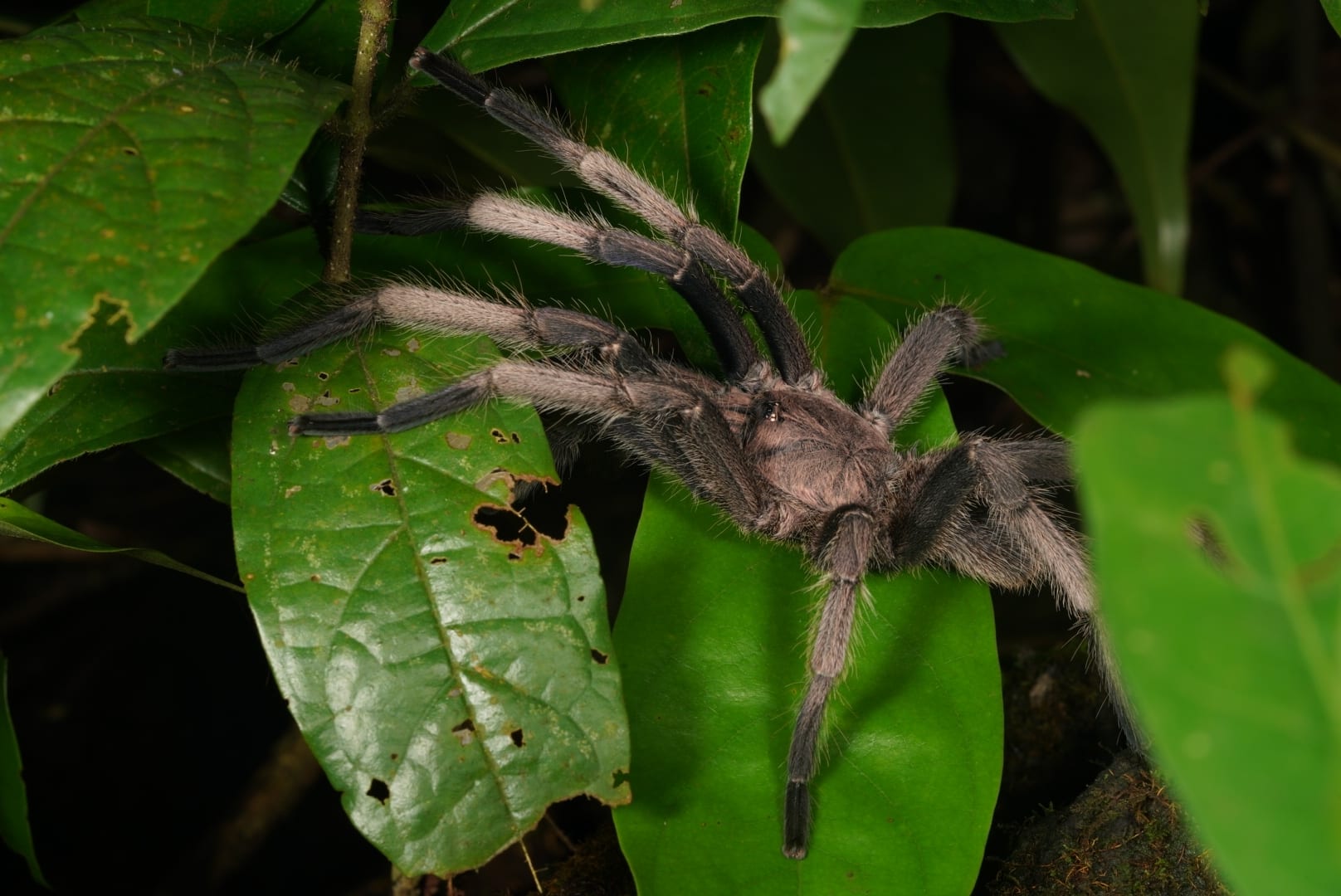
 © James Hunt / CC BY 4.0
Vietnam Blue Tarantula
The Vietnam Blue Tarantula is native to Vietnam and usually wears a subdued chocolate-brown to gray coat. Right after molting, though, its whole body flashes a bluish black, and some individuals keep a metallic blue sheen on the pedipalps and front legs. This striking transformation is its biggest draw. It's defensive and fast-moving, quick to flash a threat posture or bolt when startled, so handling calls for real experience. Beauty paired with a sharp temperament makes it a species suited to seasoned keepers.
View Vietnam Blue Tarantula encyclopedia →0% commission on your first sales!Register by September 30, 2026 and your first 2 sales are commission-free!
Breeder Wanted!
List on BreederDirect and sell directly to customers nationwide!
5 Transparency Standards You Can Trust
When listing Exotic Invertebrates, Breeders disclose the following. We guarantee transparency on growth stage and breeding unit.
- Real Photos
- Breeding Unit
- Generation Info
- Body Length (mm)
- Country of Origin
Browse all 249 breeds
Verified breeders wanted for Exotic Invertebrates
Breeders are signing up now ahead of launch. Subscribe to be notified when new listings go live.
Getting alerts is free with a member account. When new listings match your saved search, we'll notify you by email and in-app.
Browse other categories
Verified breeders (preview)
Are you raising exotic invertebrates?
Register as a breeder and connect with buyers directly.
Apply as a breederVietnam Blue Tarantula key facts
- Care level
- Advanced
- Lifespan
- Females 9-12 years / males 2-4 years
- Size
- Body 8-9cm (female), males 3-4cm
- Temperature
- 24〜28℃
- Humidity
- 70〜80%
- Diet
- Live insects such as crickets and roaches
- Temperature & Humidity
- Keep 24-28C by day and 22-24C at night, holding humidity at 70-80% by misting or by pouring water into the substrate.
- Enclosure
- An adult female manages in about 30x30x25cm, but a taller 30x30x50cm enclosure with an artificial tree hollow made from cork comes closer to its natural setting. Include deep substrate.
- Diet & Feeding
- Offer active live prey such as crickets and roaches and remove uneaten items within a day.
- Temperament & Venom
- It has no urticating hairs and is defensive and fast. It flees first but bites under persistent provocation, and the venom is considered strong, so do not handle it.
- Notes
- The genus contains many undescribed populations and trade-name-only lineages, so mix-ups are common. Check both the scientific name and the stated locality when buying.
About Vietnam Blue Tarantula
A Vietnamese tarantula, usually brown to gray but flashing bluish black right after molting. Defensive and fast-moving — best suited to experienced keepers.
7 things to know before welcoming a Vietnam Blue Tarantula
1Blue Only Right After Molting
Its everyday coloring is a plain chocolate-brown to gray, but right after a molt the whole body flashes a bluish black. Some individuals retain a metallic blue sheen on the pedipalps and front legs, so its look can change dramatically around molting time.
2Defensive and Fast-Moving
This species has a defensive temperament and reacts to surprises with quick retreats or a threat posture. Because it moves fast, take extra care not to let it escape whenever you open the enclosure.
3A Species for Experienced Keepers
This species is rated as suitable for experienced keepers. It's best acquired after you've built up tarantula-keeping experience and can calmly handle its quick movements and defensive reactions.
4Prepare the Enclosure First
Females grow to a body length of about 8-9cm, larger than males at 3-4cm. Set up a roomy enclosure with the adult size in mind, along with a hide or shelter, before bringing one home.
5Avoid Direct Handling
Given its defensive nature and speed, this species isn't suited to bare-handed handling. Use tools like tongs or a cup during enclosure maintenance to reduce the risk of bites or escapes.
6Notable Size Difference Between Sexes
Females reach 8-9cm in body length, while males stay considerably smaller at 3-4cm. Keep in mind that the sex of the individual you bring home will affect its eventual appearance and the enclosure size it needs.
7Not Listed Under CITES
The Vietnam Blue Tarantula is not listed under CITES. There are no special international trade restrictions to consider when bringing one home.
Frequently asked questions about Vietnam Blue Tarantula
- Q.Is its body always blue?
- A.No, its everyday color is chocolate-brown to gray. Only right after molting does the whole body flash a bluish black, and some individuals keep a metallic blue sheen on the pedipalps and front legs.
- Q.Is this species suitable for beginners?
- A.This species is rated for experienced keepers. Because it's defensive and moves quickly, it's best acquired after you've gained some tarantula-keeping experience.
- Q.Do females and males differ in size?
- A.Yes, quite a bit. Females grow to a body length of 8-9cm, while males stay much smaller at 3-4cm.
- Q.Is its temperament aggressive?
- A.It's better described as defensive rather than aggressive — when startled it may flash a threat posture or dart away quickly. Its speed means handling requires care.
- Q.Are there legal restrictions on importing or keeping this species?
- A.The Vietnam Blue Tarantula is not listed under CITES, so there are no special restrictions on international trade.
Learn more about Vietnam Blue Tarantula in the encyclopedia
View Vietnam Blue Tarantula encyclopedia entry →
Care difficulty, lifespan, size and diet — all basics covered.
More in this category
Can't find the one you're looking for?
Post your wishes for free and breeders with matching animals will contact you with introductions.