Source: Wikimedia Commons
Vietnam Blue Tarantula
AdvancedChilobrachys dyscolus
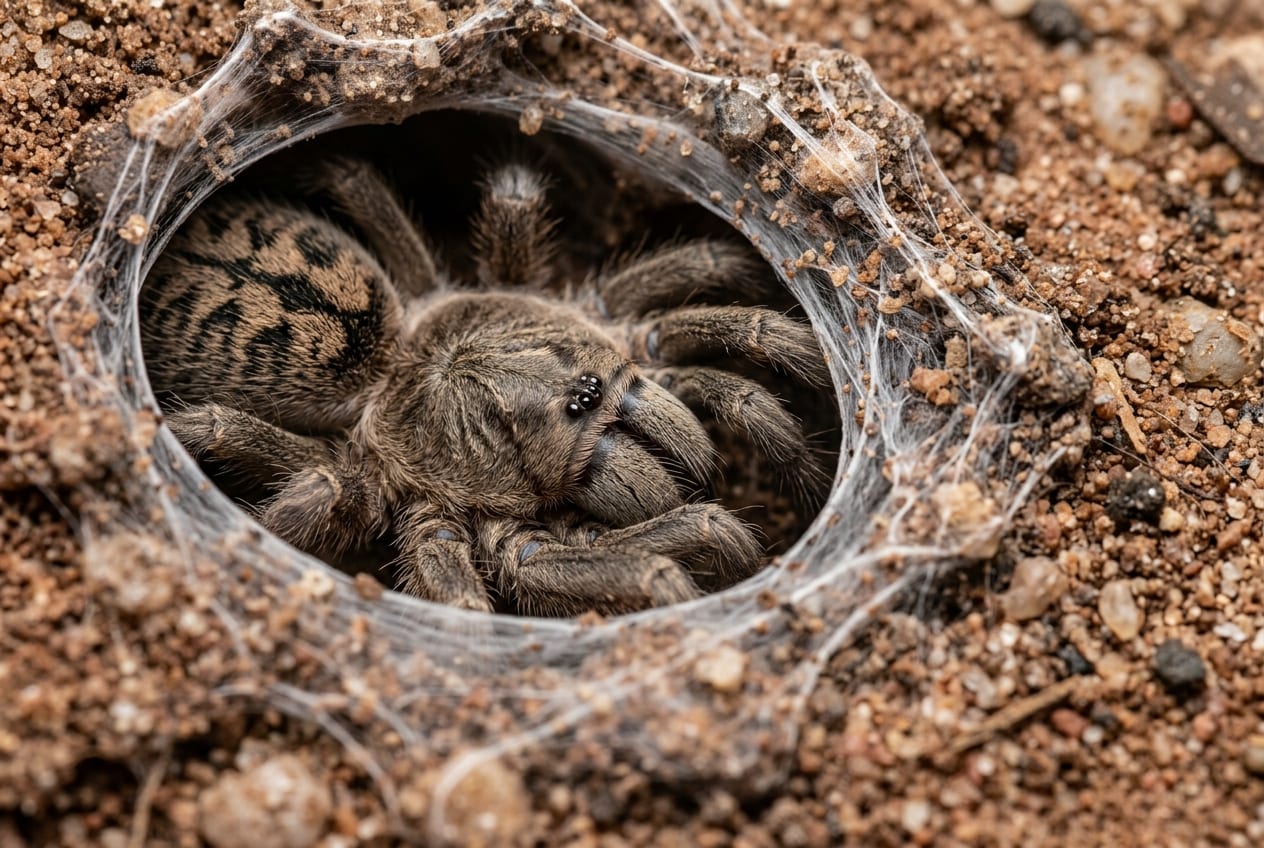
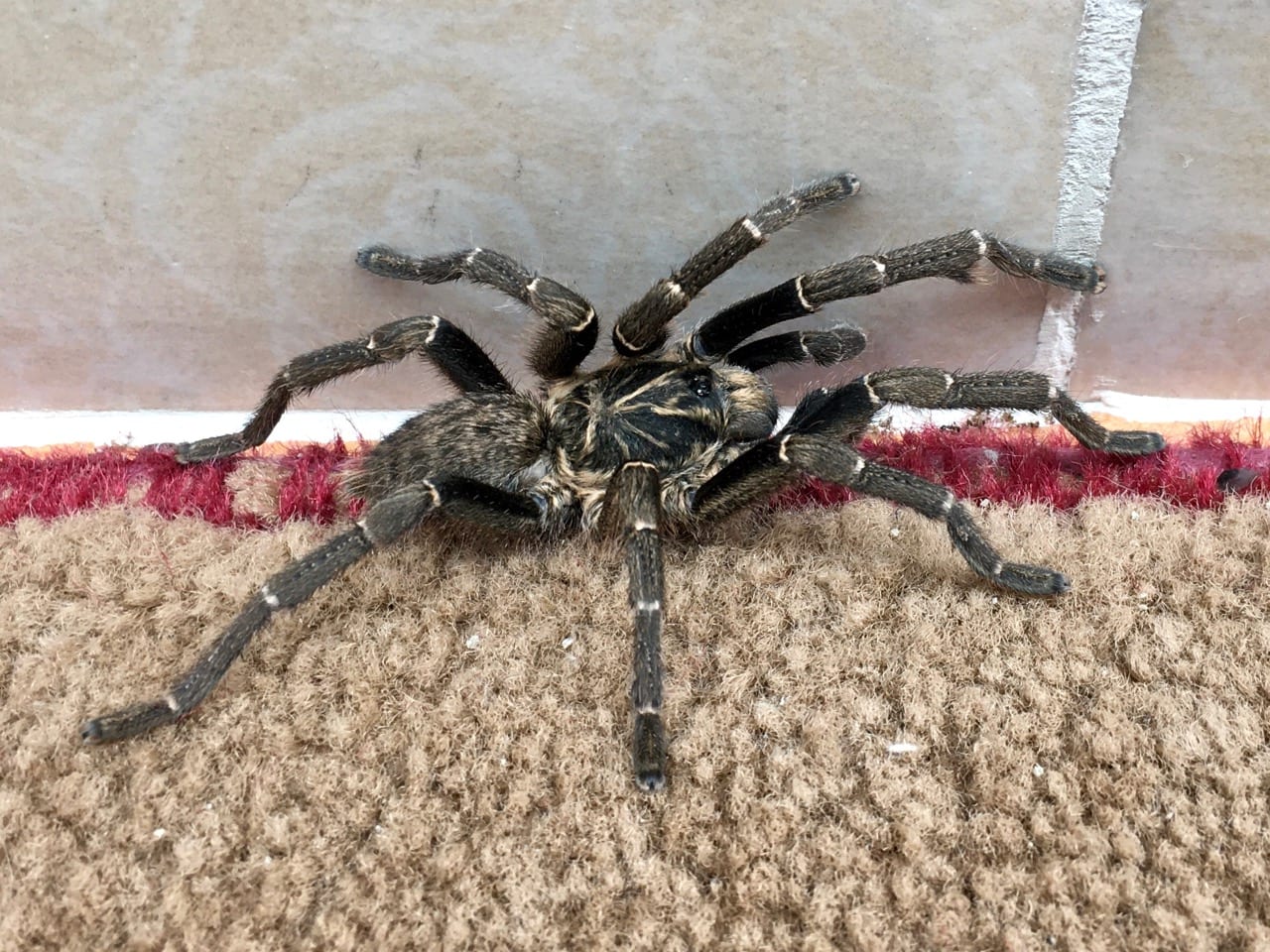
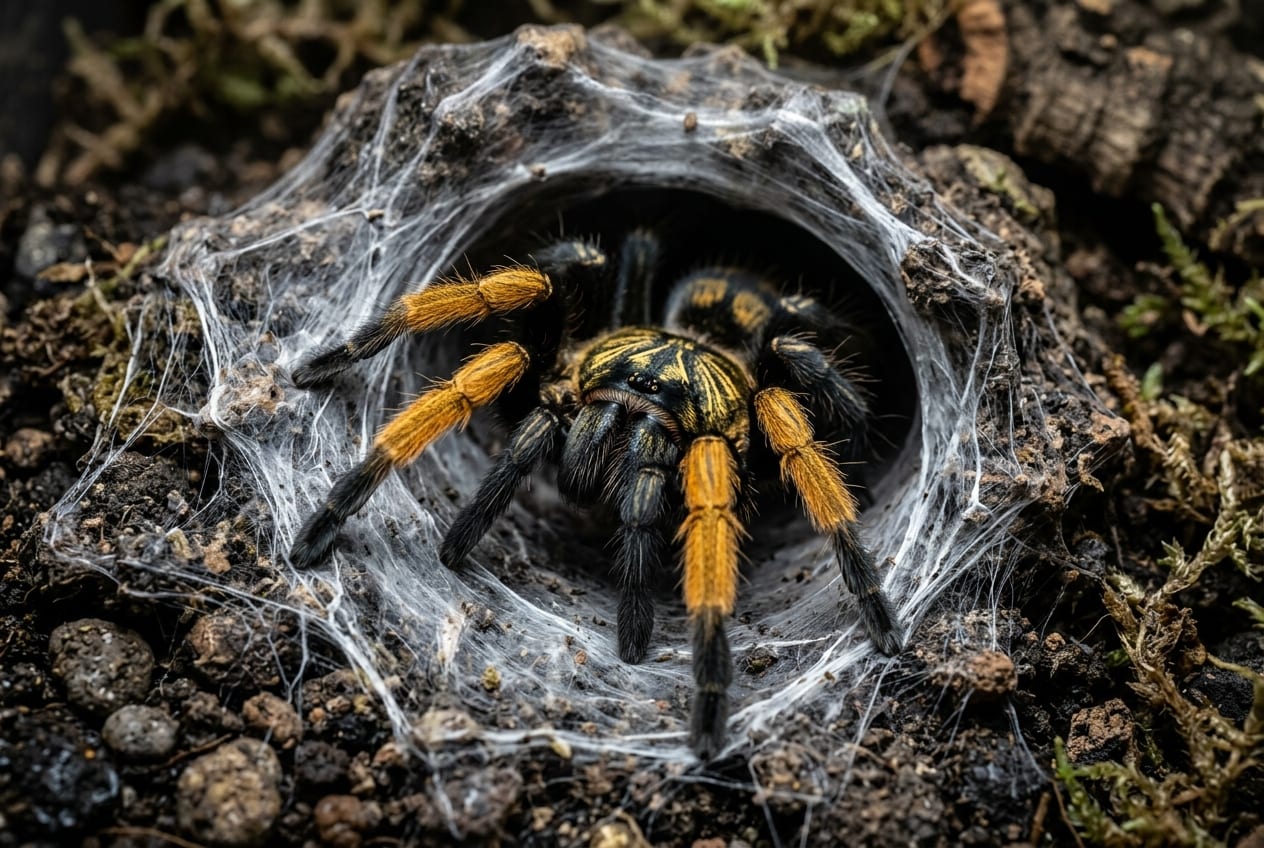
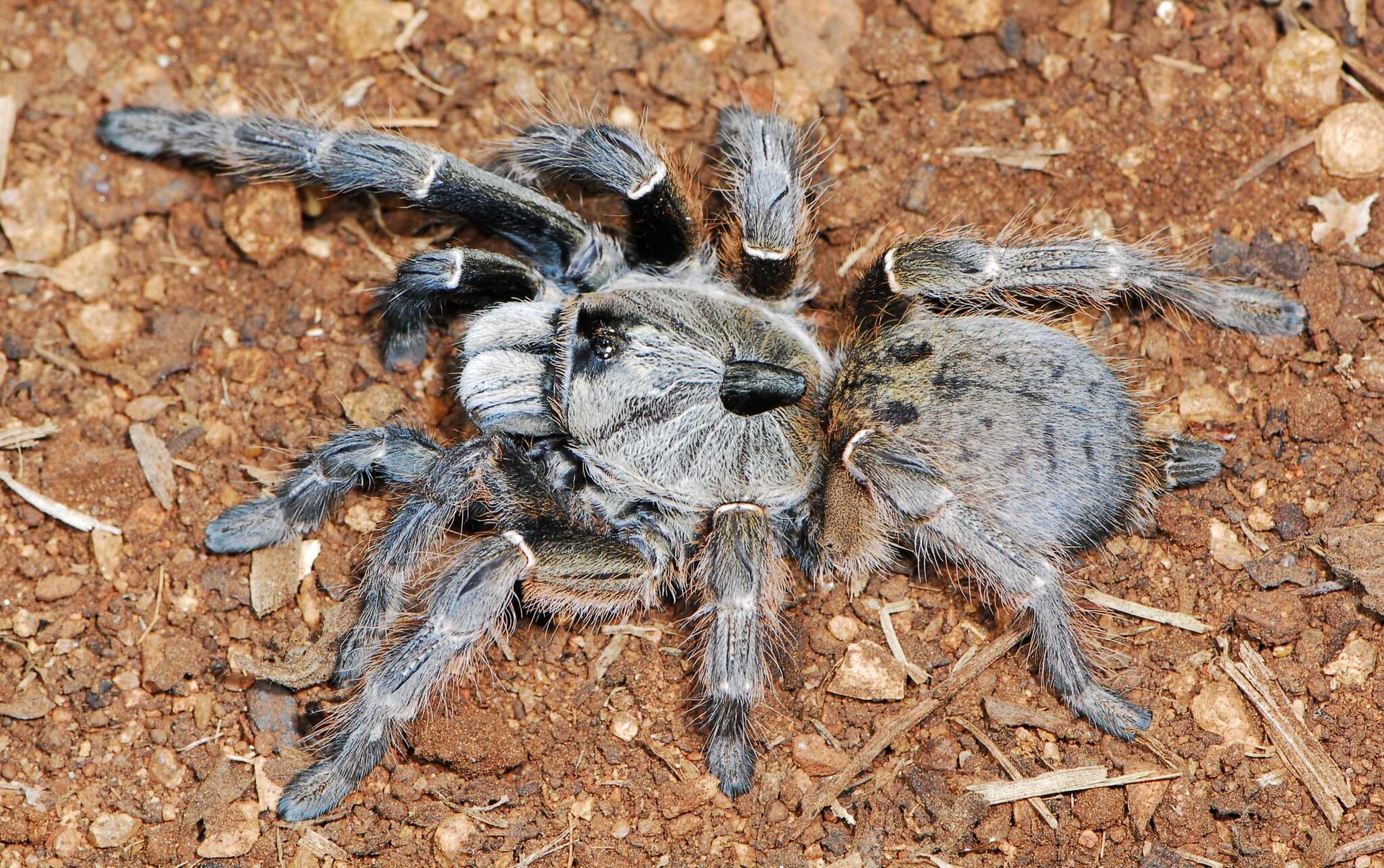
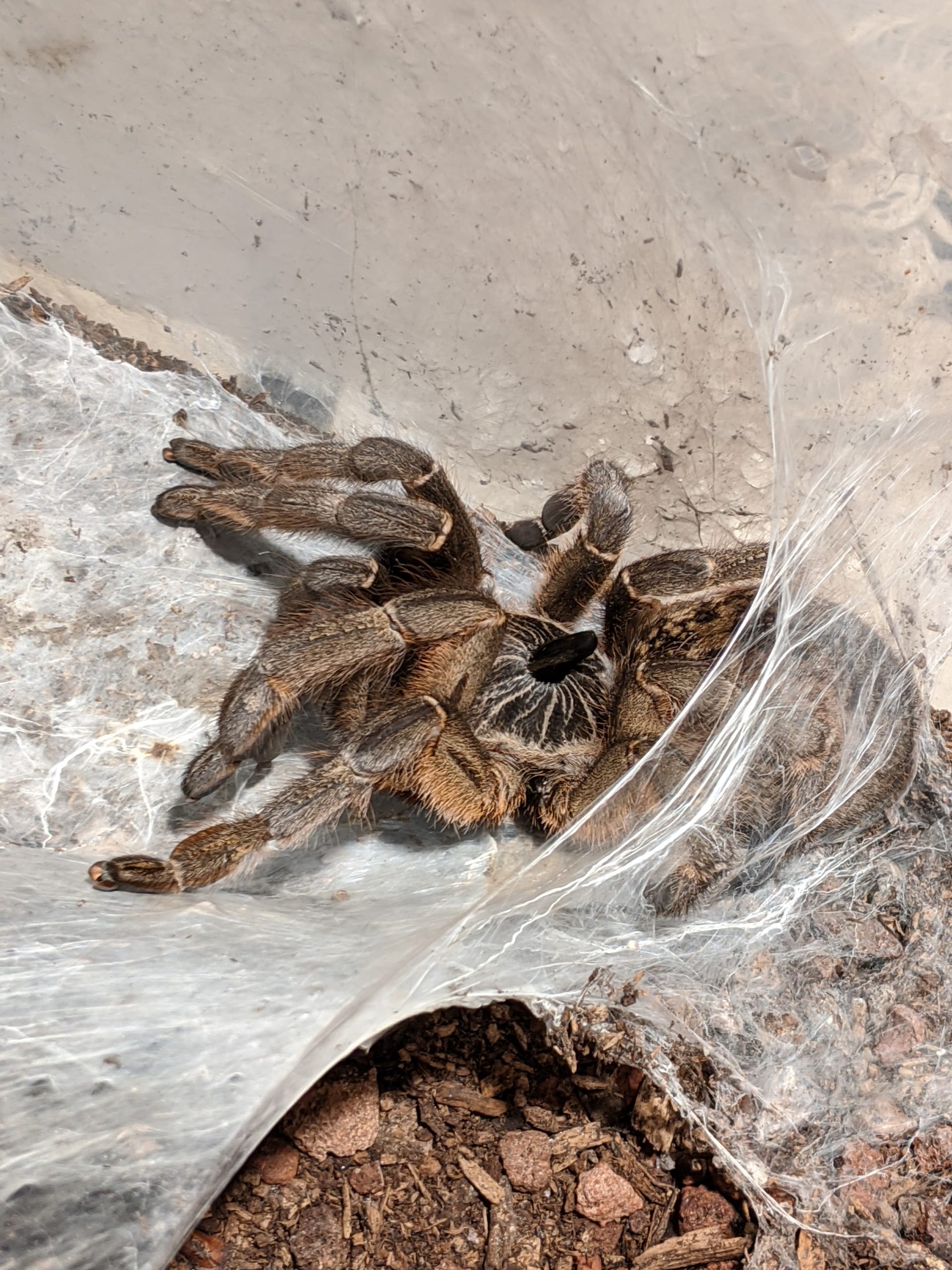
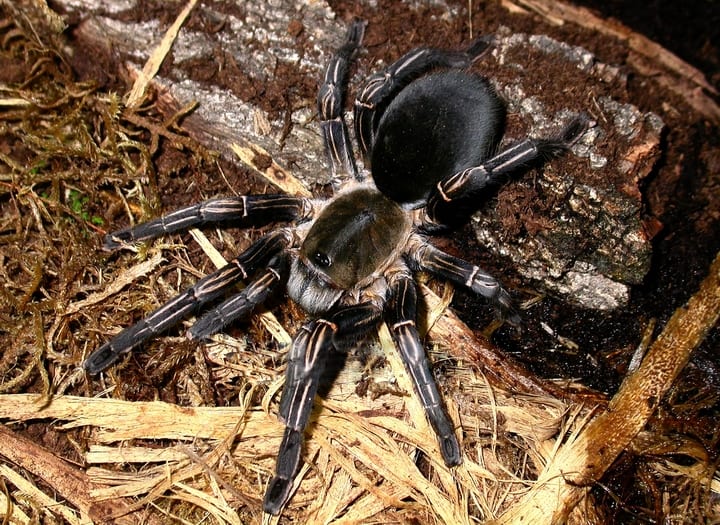
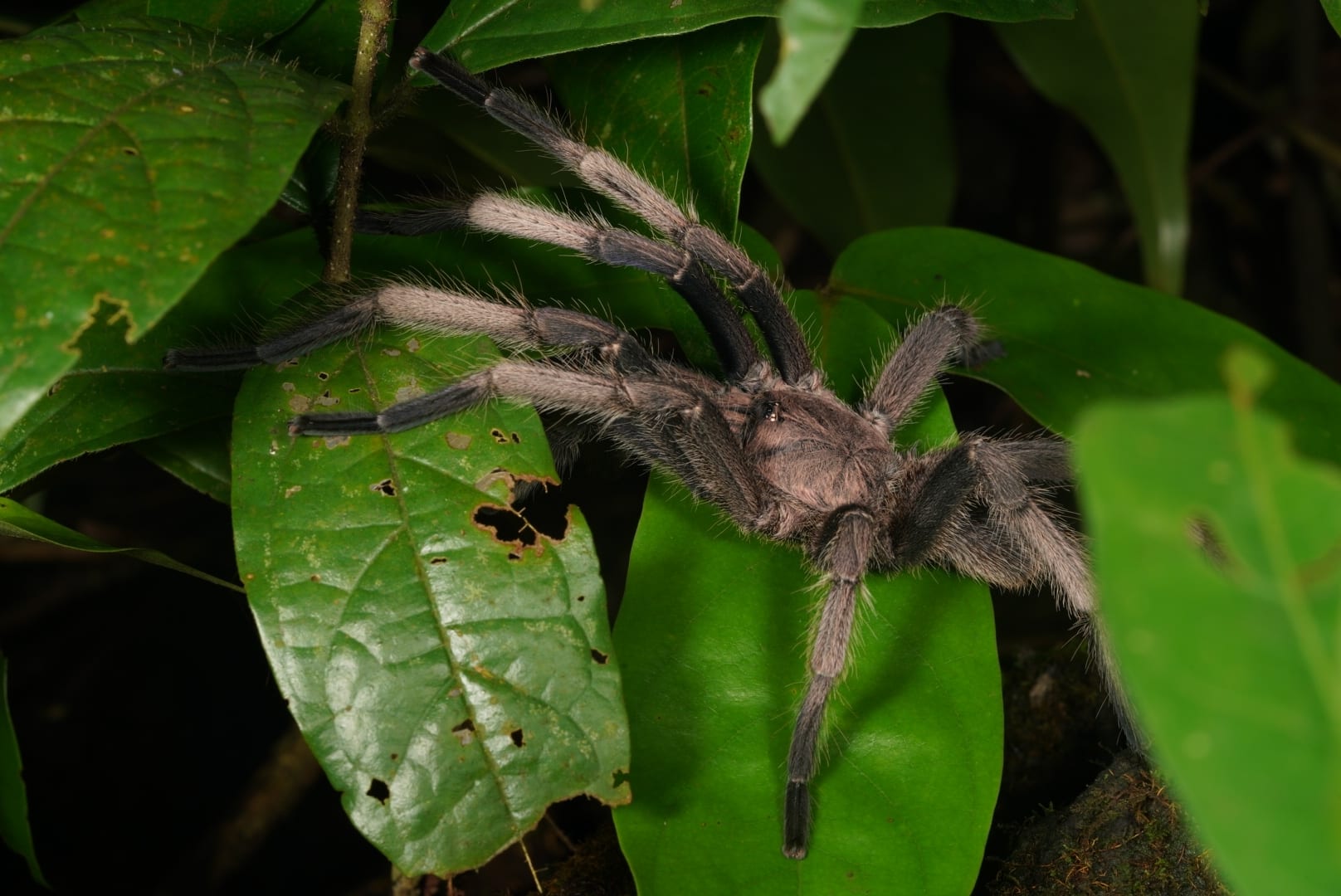
A tarantula from Vietnam that is normally chocolate brown to grey but shines blue-black immediately after a moult. In some individuals a metallic blue persists on the front faces of the pedipalps and front legs.
Difficulty
Advanced
Temperature
24〜28℃
Lifespan
Females 9-12 years / males 2-4 years
Size
Body 8-9cm (female), males 3-4cm
Humidity
70〜80%
Diet
Live insects such as crickets and roaches
About
Chilobrachys dyscolus was described by Simon in 1886 as Phrictus dyscolus and is native to Vietnam. The spider is normally chocolate brown to grey, but immediately after a moult the whole body takes on a blue-black sheen, and in some individuals a metallic blue persists on the front faces of the pedipalps and front legs. Juveniles are much lighter and hard to separate from other pale brown congeners. In the wild it rarely digs its own burrow, instead occupying tree hollows and spaces behind bark, while in captivity it will burrow if given deep substrate and otherwise covers the enclosure in webbing. It is defensive and nervous, fleeing first but biting under persistent provocation. It has no urticating hairs, which suits keepers who react to them, although the venom is considered strong. Trade names include Asian smokey earth tiger and Burma chocolate brown.
Source: Wikipedia (CC BY-SA 4.0)
Lifespan of the Vietnam Blue Tarantula
The Vietnam Blue Tarantula lives Females 9-12 years / males 2-4 years.
Size of the Vietnam Blue Tarantula
The Vietnam Blue Tarantula grows to Body 8-9cm (female), males 3-4cm.
Females reach 8-9cm in body length while males stay at 3-4cm.
Temperature & humidity for the Vietnam Blue Tarantula
The ideal temperature for the Vietnam Blue Tarantula is 24〜28℃. Ideal humidity is 70〜80%.
Basic Info
Origin
Vietnam
Care Specifications
AggressiveSolitary
Sources: Wikipedia: Chilobrachys dyscolus / Terrarium.com.pl: Chilobrachys dyscolus / GBIF
References & Sources
Edited & verified by: BreederDirect editorial team
The taxonomic, regulatory, and husbandry data on this page are compiled and verified against the authoritative primary sources below.
Taxonomy & Authority
Accepted name: Chilobrachys dyscolus (Simon, 1886)
Synonyms: Phrictus dyscolus Simon, 1886
Authority databases: GBIF
Nomenclature follows global taxonomic authority databases.
Regulations & Conservation Status
Not CITES-listed
Sources: CITES Appendices (species not listed)
Regulations may change. Always verify the latest information with the relevant authorities.
Vietnam Blue Tarantula Listings
Loading latest listingsFind listings for this species