Source: Wikimedia Commons
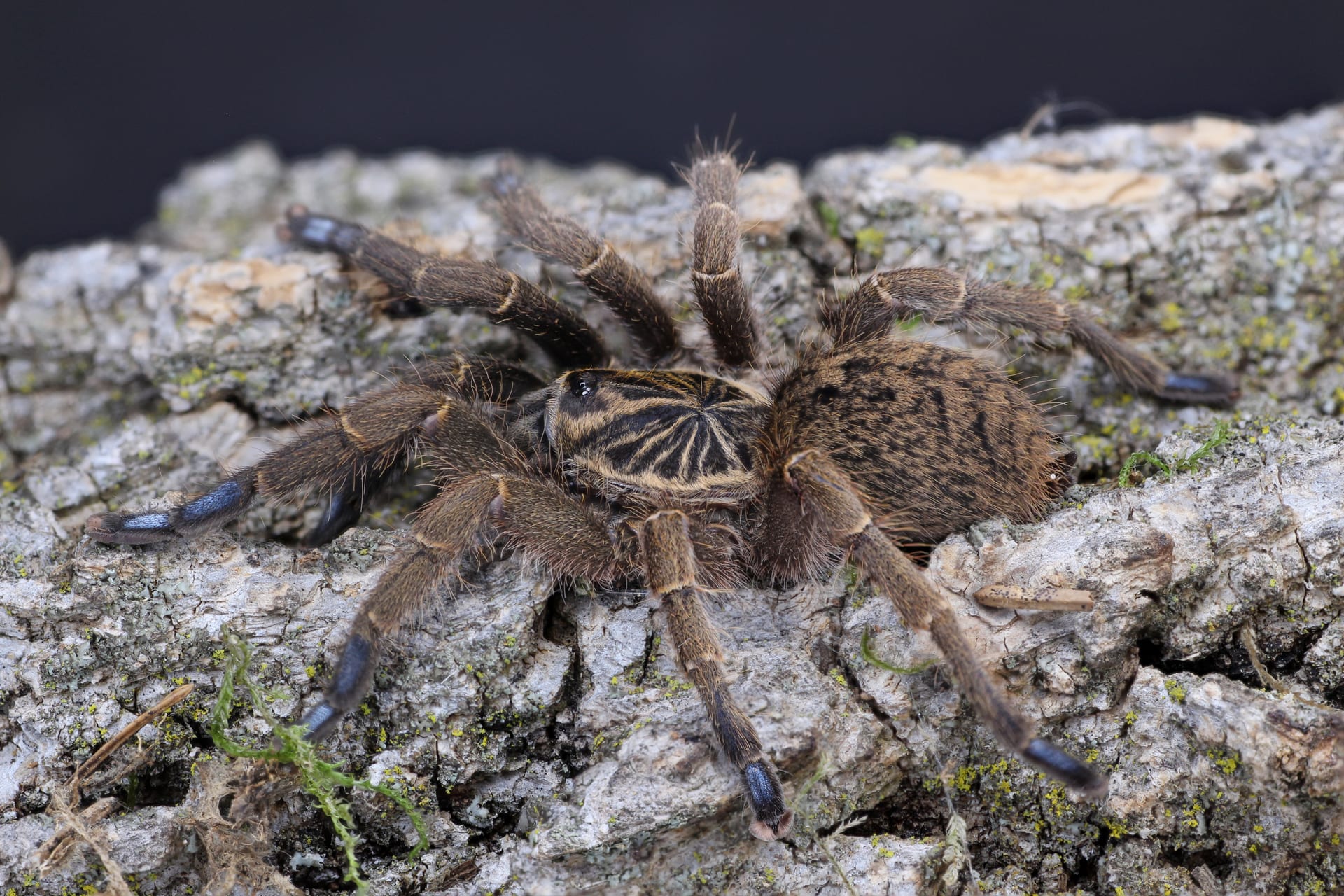
Rear-horned Baboon
IntermediateCeratogyrus darlingi
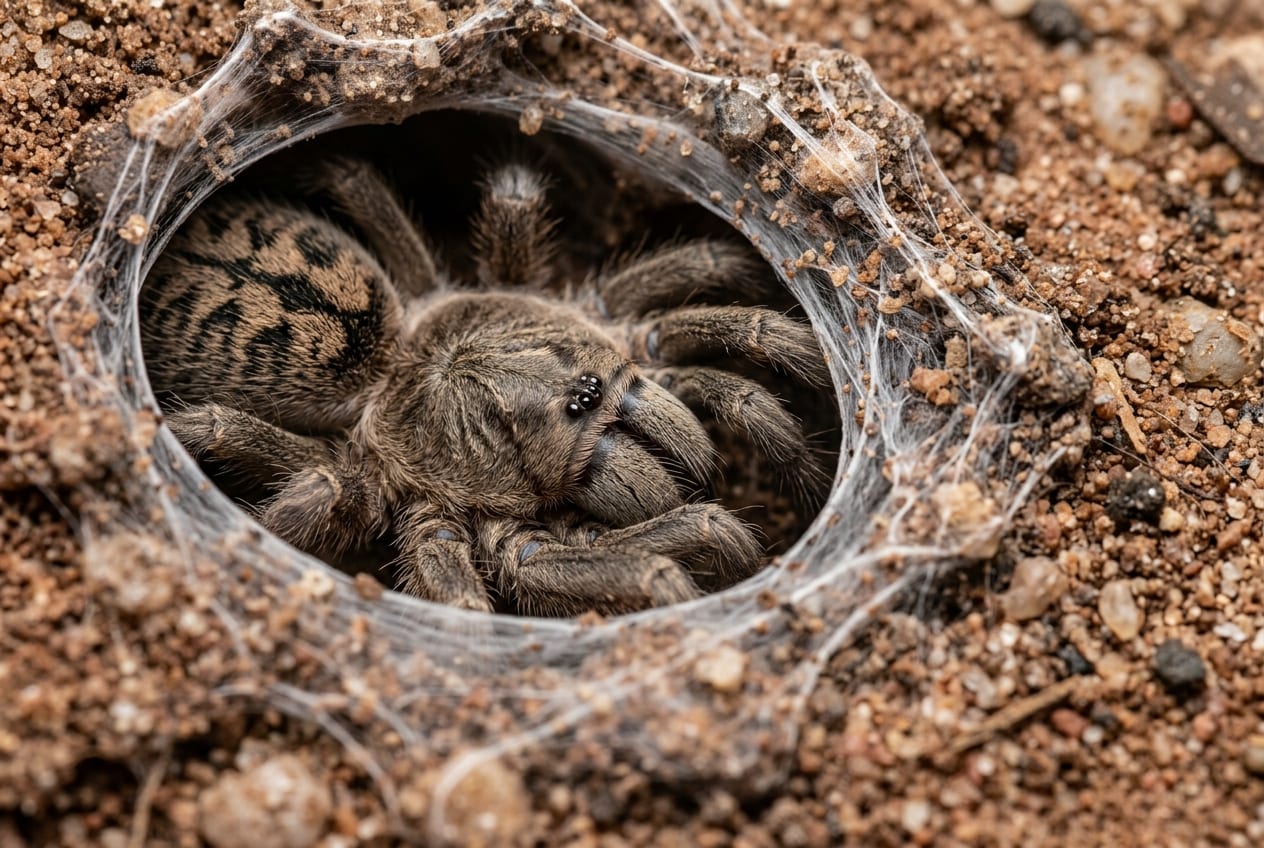
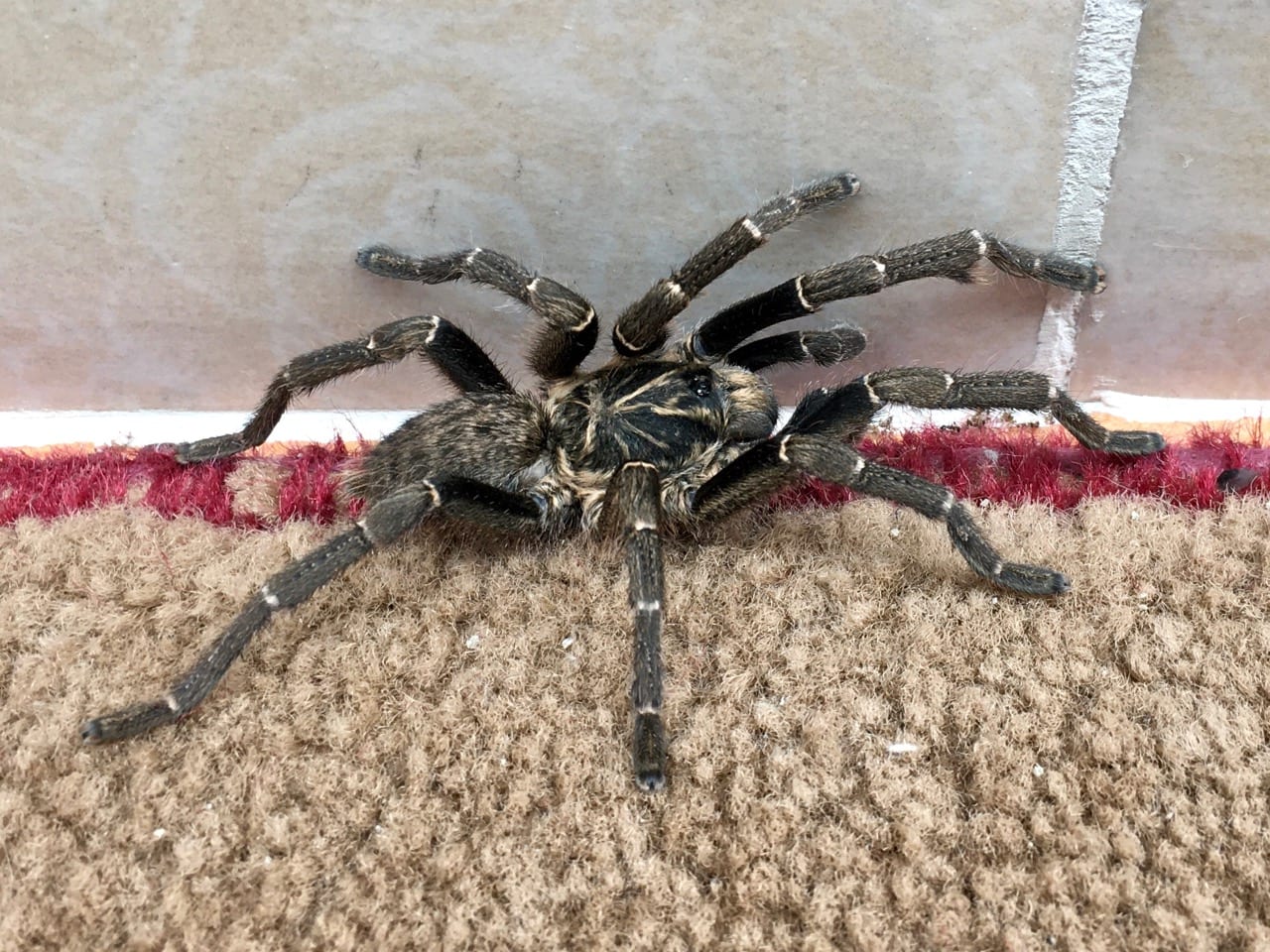
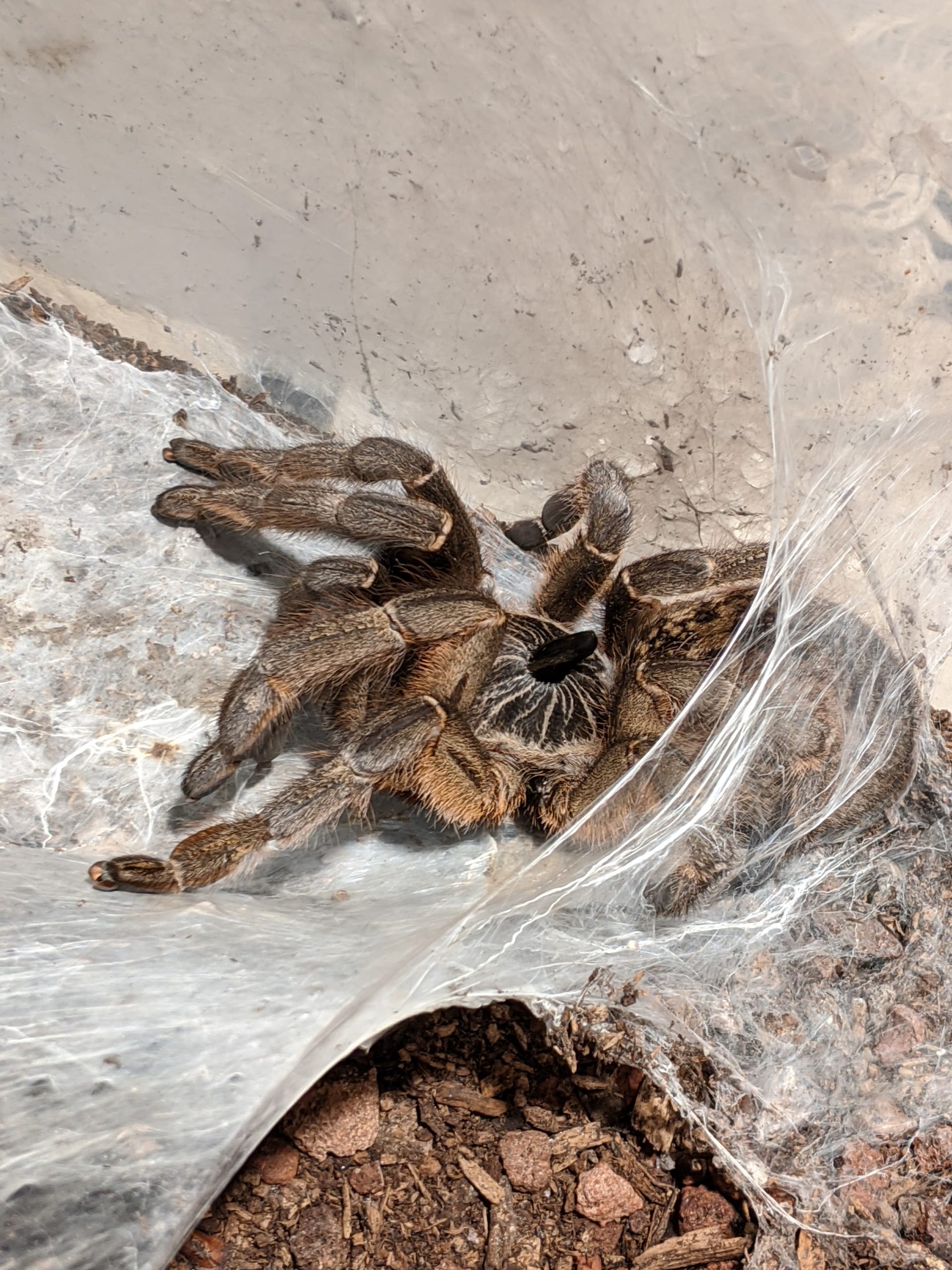
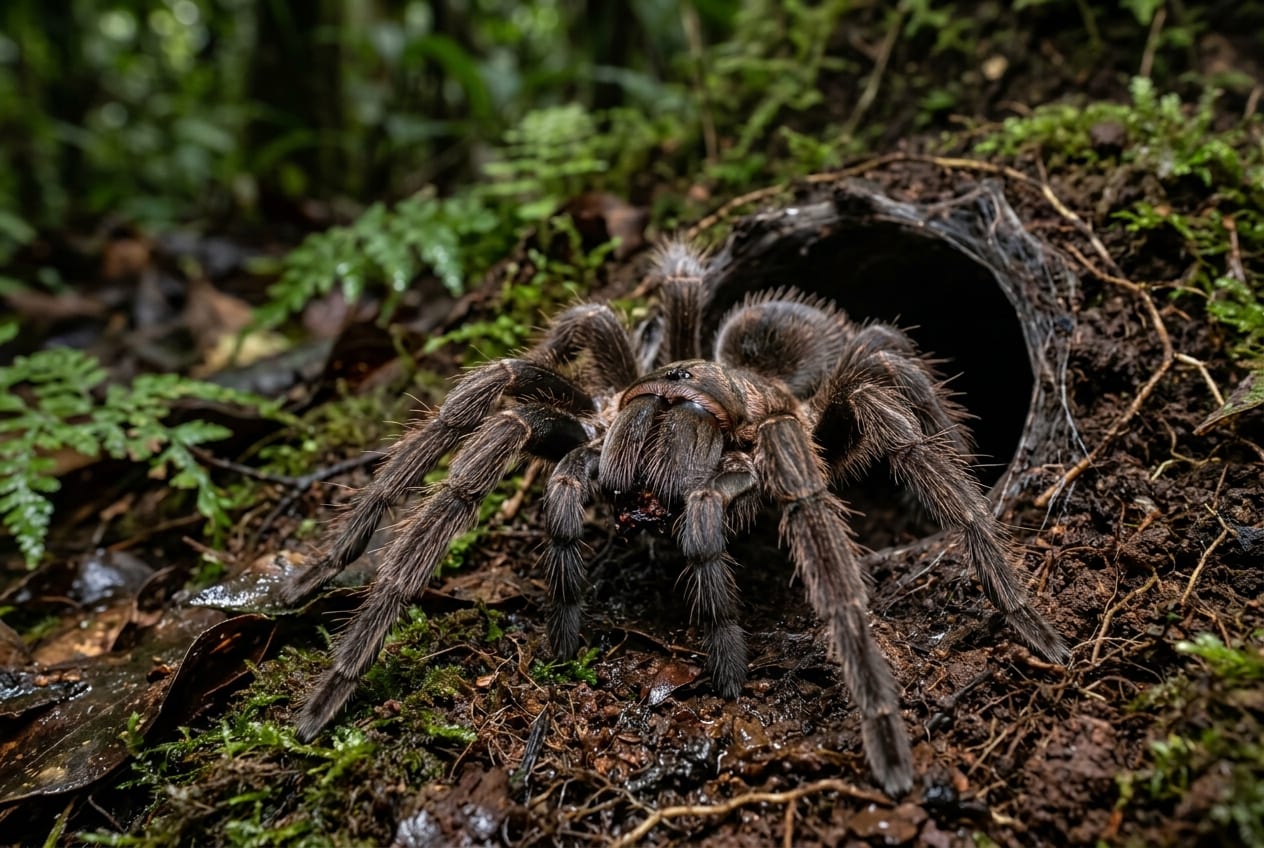
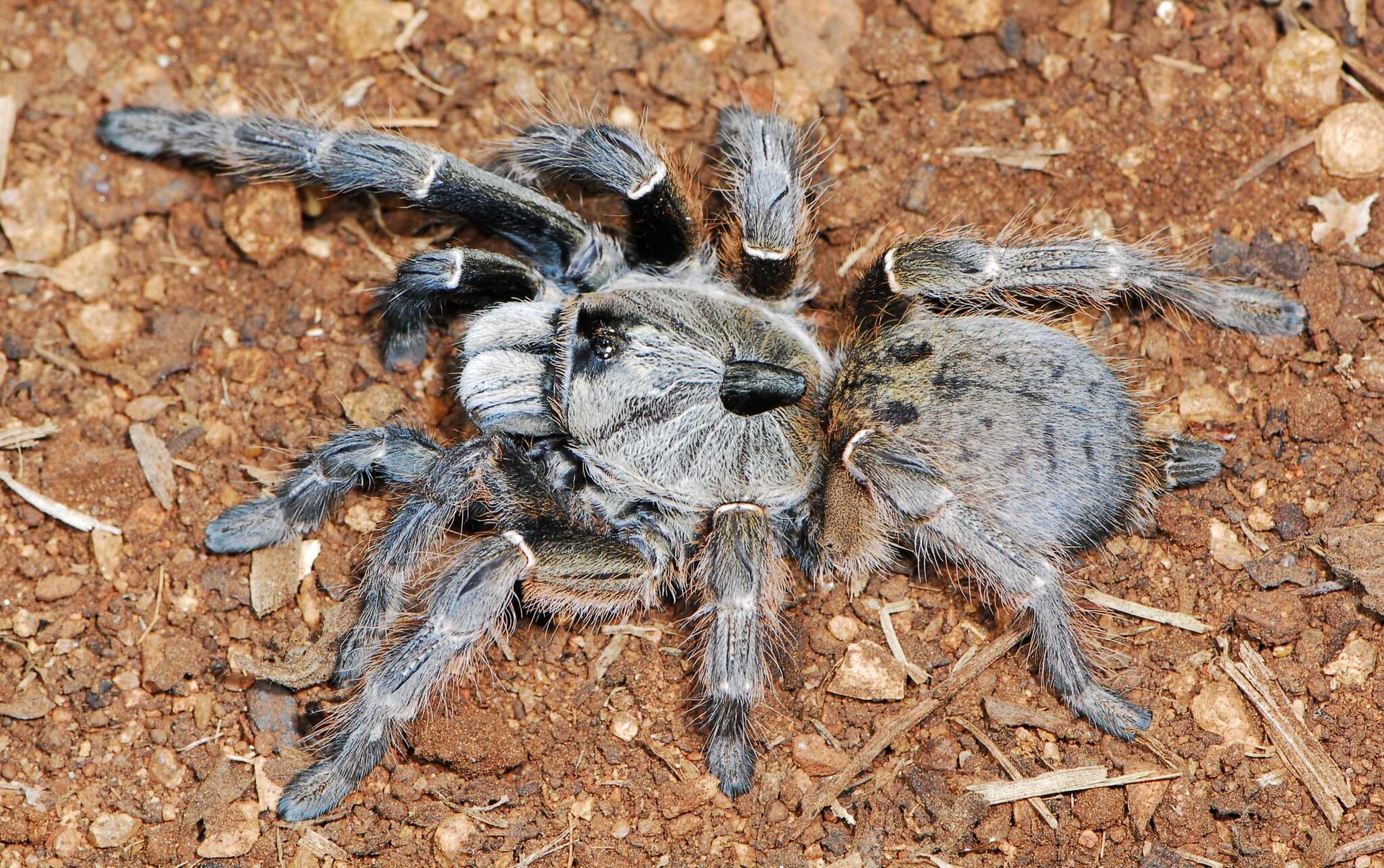
A fossorial tarantula from southern Africa with a backward-curving horn set toward the rear of the carapace. It needs deep dry substrate and, while hardy and fast-growing, is quick and defensive.
Difficulty
Intermediate
Temperature
24〜28℃
Lifespan
Females 13-15 years, males 2-4 years
Size
Leg span 13-15cm
Humidity
60〜70%
Diet
Crickets, roaches, superworms
About
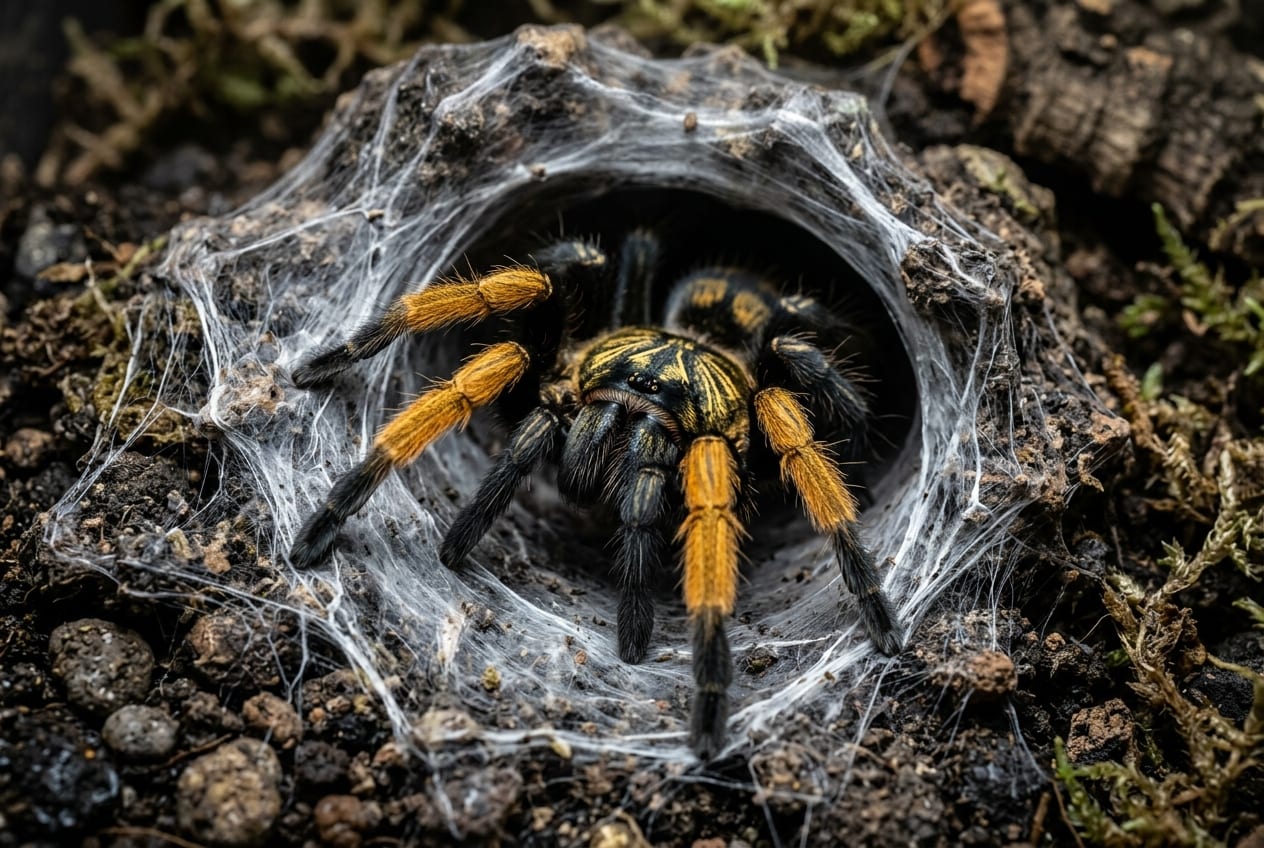
Ceratogyrus darlingi was described by Pocock in 1897 and belongs to the Harpactirinae, inhabiting dry savanna in Zimbabwe, Botswana, Mozambique and South Africa. The backward-curving foveal horn gives the species its common name and pairs it with the straight-horned baboon. Colour ranges from ash grey through mud brown to black, with a leg span of 13-15cm. It circulated in the hobby under the obsolete name Ceratogyrus bechuanicus and is the most commonly kept Ceratogyrus species. An obligate burrower, it prefers deep dry substrate such as coconut fibre and cannot tolerate excess moisture. Prey is dragged into the burrow to feed, and moulting also happens underground. It breeds readily and grows quickly, but it is fast and defensive and is not a beginner species. It has no urticating hairs.
Source: Wikipedia (CC BY-SA 4.0)
Lifespan of the Rear-horned Baboon
The Rear-horned Baboon lives Females 13-15 years, males 2-4 years.
Size of the Rear-horned Baboon
The Rear-horned Baboon grows to Leg span 13-15cm.
Temperature & humidity for the Rear-horned Baboon
The ideal temperature for the Rear-horned Baboon is 24〜28℃. Ideal humidity is 60〜70%.
Basic Info
Origin
Southern Africa (Zimbabwe, Botswana, Mozambique, South Africa)
Lifespan
Females 13-15 years, males 2-4 years
Care Specifications
AggressiveSolitaryBreeding: Easy
Sources: The Spider Shop: Ceratogyrus darlingi / The Tarantula Collective: Ceratogyrus darlingi / Tarantupedia: Ceratogyrus darlingi / Wikipedia: Ceratogyrus darlingi / GBIF
References & Sources
Edited & verified by: BreederDirect editorial team
The taxonomic, regulatory, and husbandry data on this page are compiled and verified against the authoritative primary sources below.
Taxonomy & Authority
Accepted name: Ceratogyrus darlingi Pocock, 1897
Synonyms: Ceratogyrus bechuanicus
Authority databases: GBIF
Nomenclature follows global taxonomic authority databases.
Regulations & Conservation Status
Not CITES-listed
Sources: CITES Appendices (species not listed)
Regulations may change. Always verify the latest information with the relevant authorities.
Rear-horned Baboon Listings
Loading latest listingsFind listings for this species