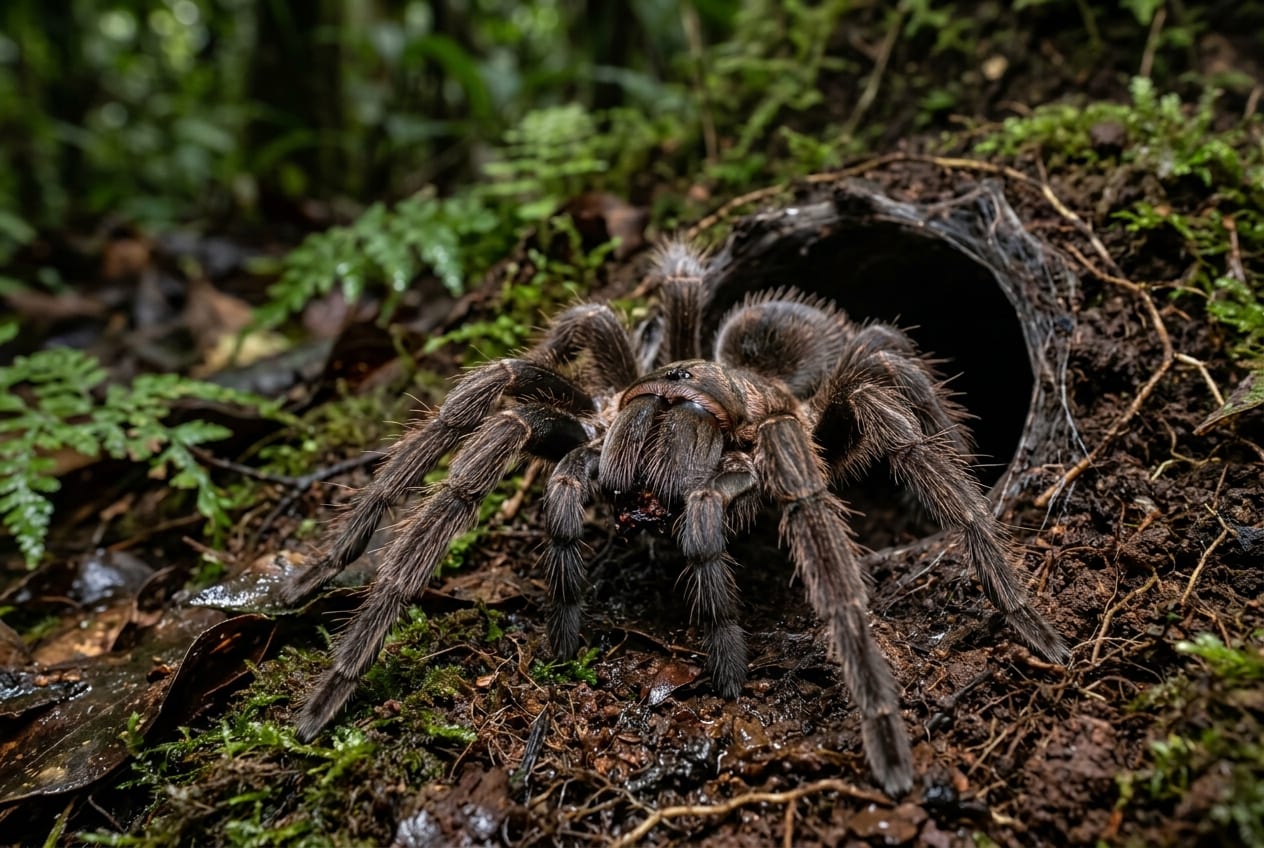
Cameroon Red Baboon
The Cameroon Red Baboon is a large, burrowing tarantula native to Cameroon in West Africa. Females can reach a leg span of about 20 cm, with males slightly smaller at around 13 cm, and both display striking reddish coloration paired with a robust abdomen. This species is known for excavating elaborate underground burrows, and it stands out as one of the few spiders documented diving underwater to catch small fish. Fast-moving and quick to display defensive behavior, it is generally considered a species for experienced keepers who are comfortable handling assertive tarantulas. For enthusiasts, the appeal lies in observing this bold, wild-natured species up close.
View Cameroon Red Baboon encyclopedia →0% commission on your first sales!Register by September 30, 2026 and your first 2 sales are commission-free!
Breeder Wanted!
List on BreederDirect and sell directly to customers nationwide!
5 Transparency Standards You Can Trust
When listing Exotic Invertebrates, Breeders disclose the following. We guarantee transparency on growth stage and breeding unit.
- Real Photos
- Breeding Unit
- Generation Info
- Body Length (mm)
- Country of Origin
Browse all 249 breeds
Verified breeders wanted for Exotic Invertebrates
Breeders are signing up now ahead of launch. Subscribe to be notified when new listings go live.
Getting alerts is free with a member account. When new listings match your saved search, we'll notify you by email and in-app.
Browse other categories
Verified breeders (preview)
Are you raising exotic invertebrates?
Register as a breeder and connect with buyers directly.
Apply as a breederAbout Cameroon Red Baboon
The Cameroon Red Baboon is a large burrowing tarantula from Cameroon with a leg span up to 20 cm, known for its rare fish-catching behavior and best suited to experienced keepers.
7 things to know before welcoming a Cameroon Red Baboon
1Best for experienced keepers
The Cameroon Red Baboon moves quickly and startles easily, making it a poor choice for first-time tarantula owners. Handling and husbandry call for a solid foundation of prior keeping experience.
2Needs a deep, spacious enclosure
This species digs elaborate burrows underground, so it needs a roomy enclosure with deep substrate. A cramped setup leaves no room to burrow and can add unnecessary stress.
3Prone to defensive biting
When startled, it may bite defensively rather than simply fleeing. Move slowly during any enclosure maintenance, and avoid handling it directly.
4Prefers warm, humid conditions
Recreating the warm, humid climate of its native Cameroon is essential to its care. Regular checks with a thermometer and hygrometer, along with good ventilation, make upkeep easier.
5A shallow water dish is enough
In the wild, this species is known to dive underwater to catch fish, but captive care doesn't require a deep pool — a shallow water dish is sufficient. Keep fresh water available at all times.
6Leave it undisturbed during molting
Around molting, the spider is especially vulnerable, and unnecessary disturbance can be risky. Reduce feeding and simply monitor quietly from a distance.
7Prepare before bringing one home
Set up deep substrate, hides, and a shallow water dish before the spider arrives so it can settle in calmly. Even experienced keepers should have the enclosure fully ready in advance.
Frequently asked questions about Cameroon Red Baboon
- Q.Can beginners keep this species?
- A.The Cameroon Red Baboon is fast-moving and easily startled, so it's considered suitable for experienced keepers rather than beginners. It's best to gain some tarantula-keeping experience first.
- Q.How large does it grow?
- A.Females can reach a leg span of about 20 cm, while males grow to around 13 cm. It's a large species with a correspondingly substantial abdomen.
- Q.Does it really catch and eat fish?
- A.In the wild, it's one of the few spider species known to dive underwater to catch fish. In captivity, though, a regular diet of insects is perfectly sufficient.
- Q.Can I handle it or let it walk on my hand?
- A.It has a defensive temperament and may bite, so direct handling isn't recommended. Move slowly and calmly during any enclosure maintenance.
- Q.What is its international trade status?
- A.This species is not covered by CITES. It's a point worth keeping in mind if you're considering keeping one.
Learn more about Cameroon Red Baboon in the encyclopedia
View Cameroon Red Baboon encyclopedia entry →
Care difficulty, lifespan, size and diet — all basics covered.
More in this category
Can't find the one you're looking for?
Post your wishes for free and breeders with matching animals will contact you with introductions.