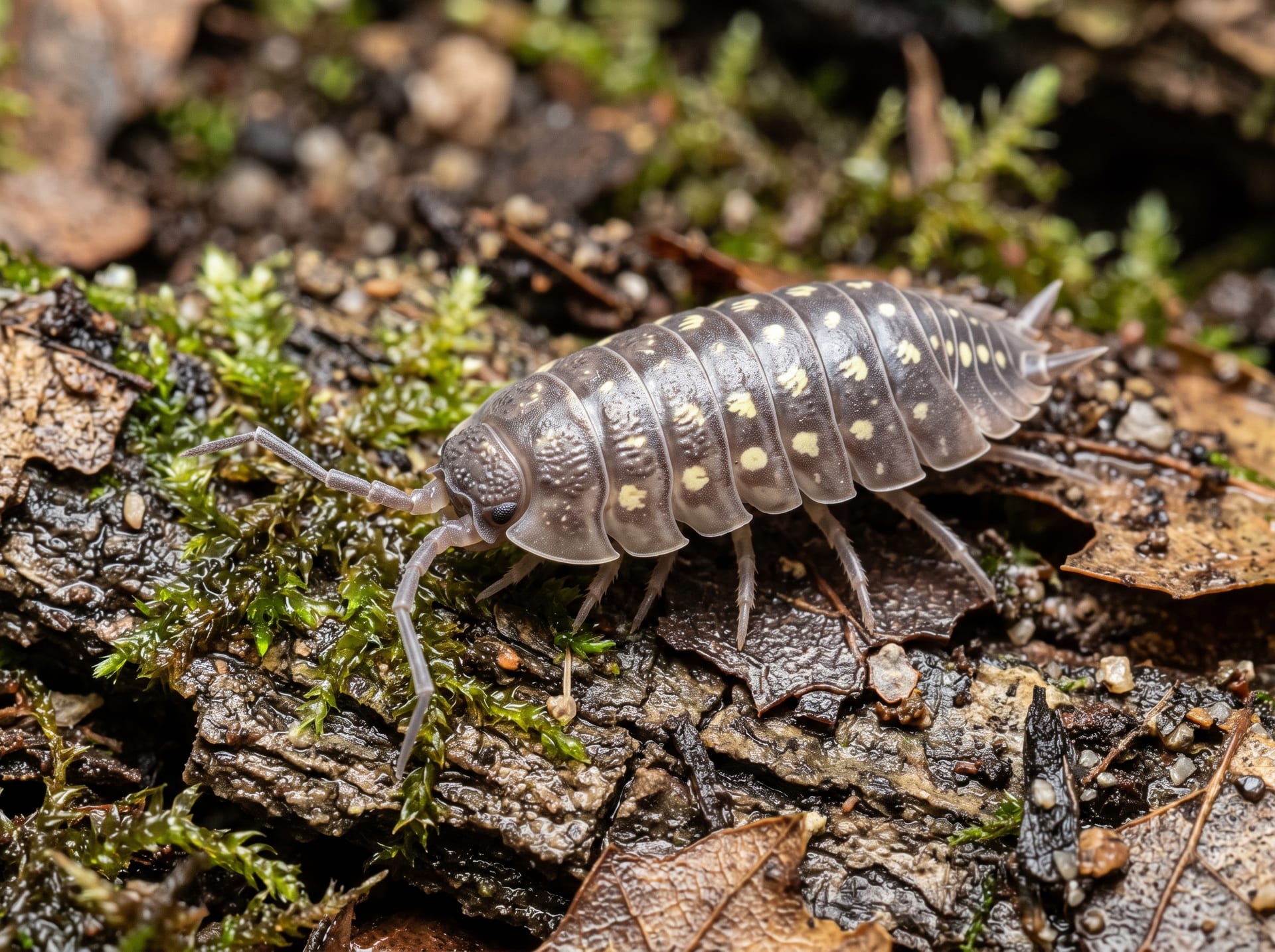
Ornatus Isopod
The Ornatus Isopod is a large isopod species native to Spain. Its gray body is accented with striking yellow patches, and selectively bred lines with an increased proportion of yellow are also available, offering appealing variation between individuals. This species is notably active and a strong climber, so a secure, tightly fitting enclosure lid is essential. Unlike many isopods, it prefers drier conditions, making careful moisture management an important part of its care. While hardy and relatively low-maintenance, juveniles are prone to cannibalizing one another, so keeping food consistently available matters. Considered an intermediate-level species, it suits keepers who already have some isopod-keeping experience.
View Ornatus Isopod encyclopedia →0% commission on your first sales!Register by September 30, 2026 and your first 2 sales are commission-free!
Breeder Wanted!
List on BreederDirect and sell directly to customers nationwide!
5 Transparency Standards You Can Trust
When listing Exotic Invertebrates, Breeders disclose the following. We guarantee transparency on growth stage and breeding unit.
- Real Photos
- Breeding Unit
- Generation Info
- Body Length (mm)
- Country of Origin
Browse all 249 breeds
Verified breeders wanted for Exotic Invertebrates
Breeders are signing up now ahead of launch. Subscribe to be notified when new listings go live.
Getting alerts is free with a member account. When new listings match your saved search, we'll notify you by email and in-app.
Browse other categories
Verified breeders (preview)
Are you raising exotic invertebrates?
Register as a breeder and connect with buyers directly.
Apply as a breederOrnatus Isopod key facts
- Care level
- Intermediate
- Lifespan
- 2-3 years
- Size
- Up to about 25mm
- Temperature
- 20〜26℃
- Diet
- Leaf litter and rotten wood as staples, with vegetables, protein and plenty of cuttlebone for calcium. Not fussy.
- Temperature & Humidity
- 20-26C. Keep the substrate mostly dry and water only one corner.
- Enclosure
- Add an angled branch with lichen for climbing and plenty of hides.
- Diet & Feeding
- Keep leaf litter and rotten wood available with vegetables and protein; offer plenty of cuttlebone so calcium never runs out.
- Temperament & Venom
- Harmless but extremely active day and night. Kept in groups, though prone to cannibalism.
- Notes
- Moulting juveniles are often cannibalised. Orange trade lines are reported to be the separate species P. pseudornatus.
About Ornatus Isopod
The Ornatus Isopod is a large, active isopod species native to Spain, with gray coloring accented by yellow patches. It prefers drier conditions and suits intermediate-level keepers.
7 things to know before welcoming a Ornatus Isopod
1Highly Active Climbers
This species is active and climbs enclosure walls readily. Choose an enclosure with a secure, tight-fitting lid to prevent escapes, and use fine mesh for any ventilation openings.
2Prefers Drier Conditions
Unlike many isopod species, this one dislikes excess moisture and prefers drier conditions. Keeping part of the substrate on the dry side while moistening only the area around hides creates a helpful humidity gradient.
3Cannibalism Risk in Juveniles
Juveniles are prone to cannibalizing each other. Avoid letting food run out, and provide plenty of hiding spots to reduce excessive contact between individuals.
4Variable Yellow Patterning
The extent of yellow patching against the gray base color varies between individuals, and lines bred for a higher proportion of yellow are also available. Comparing pattern variation within a colony is part of the appeal.
5Grows to About 2.5cm
Adults reach a maximum size of around 2.5cm, making this one of the larger isopod species. Combined with its active movement, it's an easy species to observe.
6Hides and Climbing Structure
Because this species climbs actively, it appreciates a dimensional layout with cork bark or driftwood. Providing multiple hides also helps reduce stress and contact between individuals.
7Feeding and Maintenance Basics
Offer insect jelly, vegetable scraps, and decaying wood as food, and remove leftovers regularly since they can cause mold. Combined with drier substrate management, maintaining cleanliness is key to long-term keeping.
Frequently asked questions about Ornatus Isopod
- Q.Is this species suitable for beginners?
- A.This species is considered intermediate-level. Prior experience helps, particularly with managing drier humidity and preventing cannibalism among juveniles.
- Q.How large does it get?
- A.Adults reach a maximum size of around 2.5cm, making them one of the larger isopod species.
- Q.Is this species regulated under CITES?
- A.The Ornatus Isopod is not subject to CITES.
- Q.Does it escape easily?
- A.It's a highly active climber, so a securely fitting enclosure lid is essential. Fine mesh on any ventilation openings is also recommended.
- Q.Is it safe to keep multiple juveniles together?
- A.Some caution is needed, as juveniles are prone to cannibalizing one another. Keeping food consistently available and providing plenty of hiding spots helps reduce the risk.
Learn more about Ornatus Isopod in the encyclopedia
View Ornatus Isopod encyclopedia entry →
Care difficulty, lifespan, size and diet — all basics covered.
More in this category
Can't find the one you're looking for?
Post your wishes for free and breeders with matching animals will contact you with introductions.