 © Hirvenkürpa / CC BY-SA 3.0
Costa Rican Orange Mouth
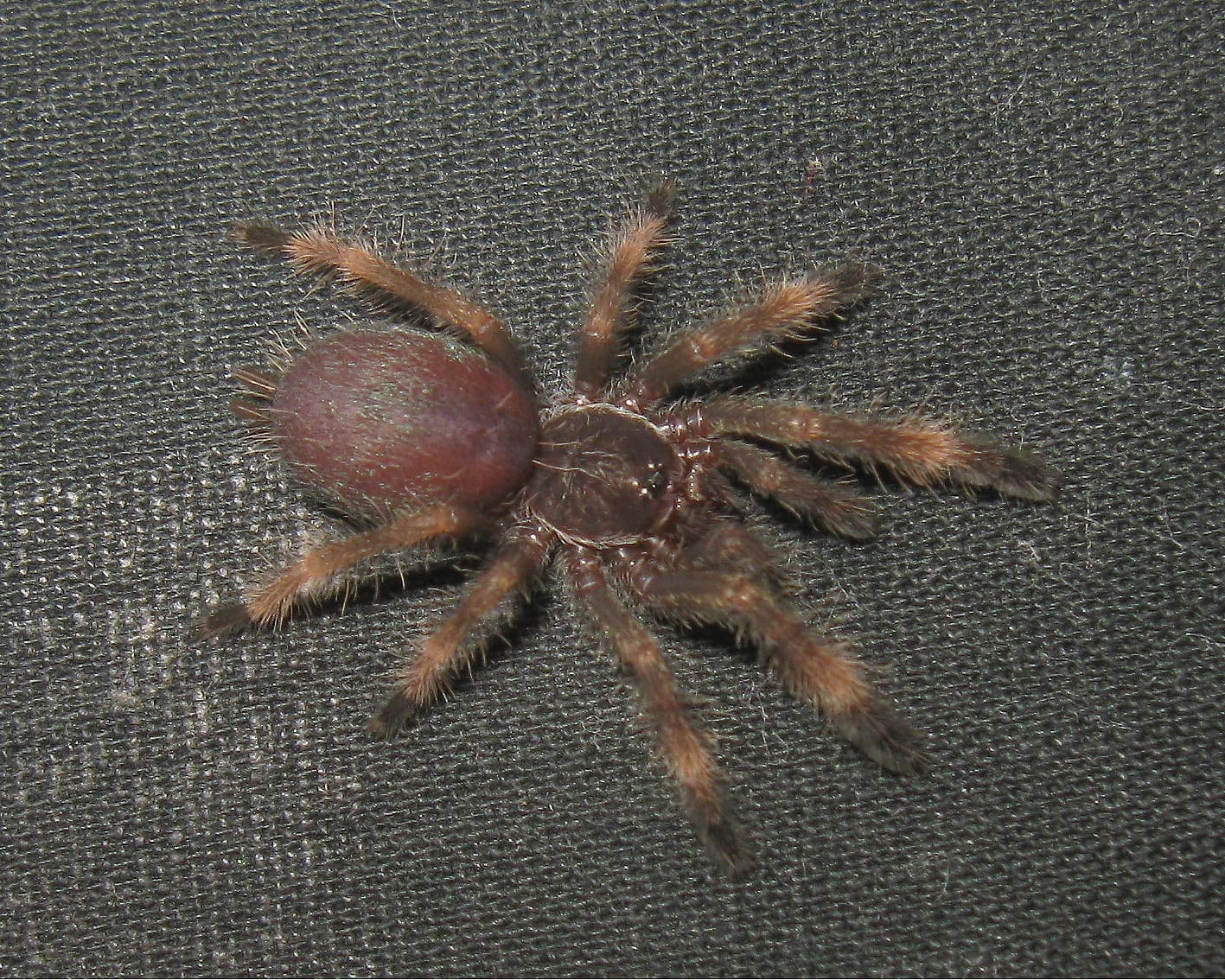
The Costa Rican Orange Mouth is an arboreal tarantula native to Central America. Its name comes from the vivid orange hairs surrounding its chelicerae, set against a chestnut-brown body that sometimes shows a chevron pattern on the abdomen. It moves very quickly and tends to stay hidden, making it better suited to observing natural behavior than handling. It lacks urticating hairs, so it won't kick hairs in defense, but its speed makes it a poor candidate for direct handling regardless. Considered suitable for intermediate keepers, this species shows a striking lifespan gap between sexes: females can live up to around 12 years, while males typically live only up to about 3 years. If you want a long-term companion, look specifically for a female.
View Costa Rican Orange Mouth encyclopedia →0% commission on your first sales!Register by September 30, 2026 and your first 2 sales are commission-free!
Breeder Wanted!
List on BreederDirect and sell directly to customers nationwide!
5 Transparency Standards You Can Trust
When listing Exotic Invertebrates, Breeders disclose the following. We guarantee transparency on growth stage and breeding unit.
- Real Photos
- Breeding Unit
- Generation Info
- Body Length (mm)
- Country of Origin
Browse all 249 breeds
Verified breeders wanted for Exotic Invertebrates
Breeders are signing up now ahead of launch. Subscribe to be notified when new listings go live.
Getting alerts is free with a member account. When new listings match your saved search, we'll notify you by email and in-app.
Browse other categories
Verified breeders (preview)
Are you raising exotic invertebrates?
Register as a breeder and connect with buyers directly.
Apply as a breederCosta Rican Orange Mouth key facts
- Care level
- Intermediate
- Lifespan
- Females up to about 12 years, males up to about 3 years
- Size
- Up to about 15cm leg span
- Temperature
- 20〜24℃
- Humidity
- 65〜75%
- Diet
- Live insects such as crickets and roaches
- Temperature & Humidity
- No species-specific husbandry data could be confirmed. Care information for the genus Psalmopoeus gives 20-24 C and 65-75% humidity, with ventilation treated as important.
- Enclosure
- Arboreal. Use a tall enclosure with cork bark or branches fixed as a retreat and climbing surface, ventilate through both the top and the sides, and keep a permanent water dish.
- Diet & Feeding
- Offer live insects such as crickets and roaches, sized to the spider, and wait a few days after a moult before feeding.
- Temperament & Venom
- It has no urticating hairs and defends itself by fleeing or biting. It is extremely fast and usually runs rather than threatens. Handling is best avoided.
- Notes
- Reclusive and often stays in its hide during the day. It may bolt when the enclosure is opened, so secure the lid and work in a controlled space.
About Costa Rican Orange Mouth
A guide to the Costa Rican Orange Mouth, an arboreal tarantula from Central America — traits, temperament, lifespan, and care difficulty, plus key points to know before bringing one home.
7 things to know before welcoming a Costa Rican Orange Mouth
1Set Up a Vertical Enclosure
Because this species is arboreal, choose an enclosure that's taller rather than wider. Provide branches, cork bark, or other climbing surfaces and hiding spots so it can move vertically through a layered setup.
2Fast-Moving and Reclusive
This tarantula moves extremely fast and prefers to stay concealed, so it's not a species suited to handling and you may rarely see it during the day. Take care to prevent escapes whenever you open the enclosure.
3No Urticating Hairs, But Keep Contact Minimal
This species lacks urticating hairs, but it still has chelicerae and venom like other tarantulas. Combined with its speed, it's best kept as a look-but-don't-touch species — use tools for maintenance rather than direct contact.
4Lifespan Differs Greatly by Sex
Females can live up to around 12 years, while males typically live only up to about 3 years. If you're hoping for a long-term companion, it's worth confirming the sex before bringing one home.
5Grows to About 15cm Leg Span
Adults can reach a leg span of up to about 15cm. While juveniles can be kept in small enclosures, you'll need to upgrade the housing size in stages as it grows.
6Balance Humidity and Ventilation
As a Central American species, it prefers moderate humidity, but poor airflow can lead to health problems. Choose an enclosure with adequate ventilation and adjust misting frequency to avoid overly damp substrate.
7Give Extra Space Around Molting
Tarantulas often lose their appetite and become less active before and after molting. During this period, avoid feeding or cleaning and simply leave it undisturbed — a key part of keeping it healthy.
Frequently asked questions about Costa Rican Orange Mouth
- Q.Can beginners keep this species?
- A.The Costa Rican Orange Mouth is considered suitable for intermediate keepers. Because it's fast-moving and reclusive, it's best suited to those who already have some tarantula-keeping experience.
- Q.Can I handle it or let it walk on my hand?
- A.It lacks urticating hairs, but its speed makes escape or falls a real risk, so handling isn't recommended. This is a species best enjoyed through observation rather than direct contact.
- Q.What's the difference between males and females?
- A.The biggest difference is lifespan — females can live up to around 12 years, while males live up to about 3 years. If you want a long-term companion, a female is the better choice.
- Q.How large does it grow?
- A.As an adult, its leg span can reach up to about 15cm. You'll need to adjust the enclosure size as it grows through different life stages.
- Q.Are there any legal restrictions on keeping it?
- A.The Costa Rican Orange Mouth is not subject to CITES.
Learn more about Costa Rican Orange Mouth in the encyclopedia
View Costa Rican Orange Mouth encyclopedia entry →
Care difficulty, lifespan, size and diet — all basics covered.
More in this category
Can't find the one you're looking for?
Post your wishes for free and breeders with matching animals will contact you with introductions.