 © Hectonichus / CC BY-SA 3.0
Ecuadorian Purple Pinktoe
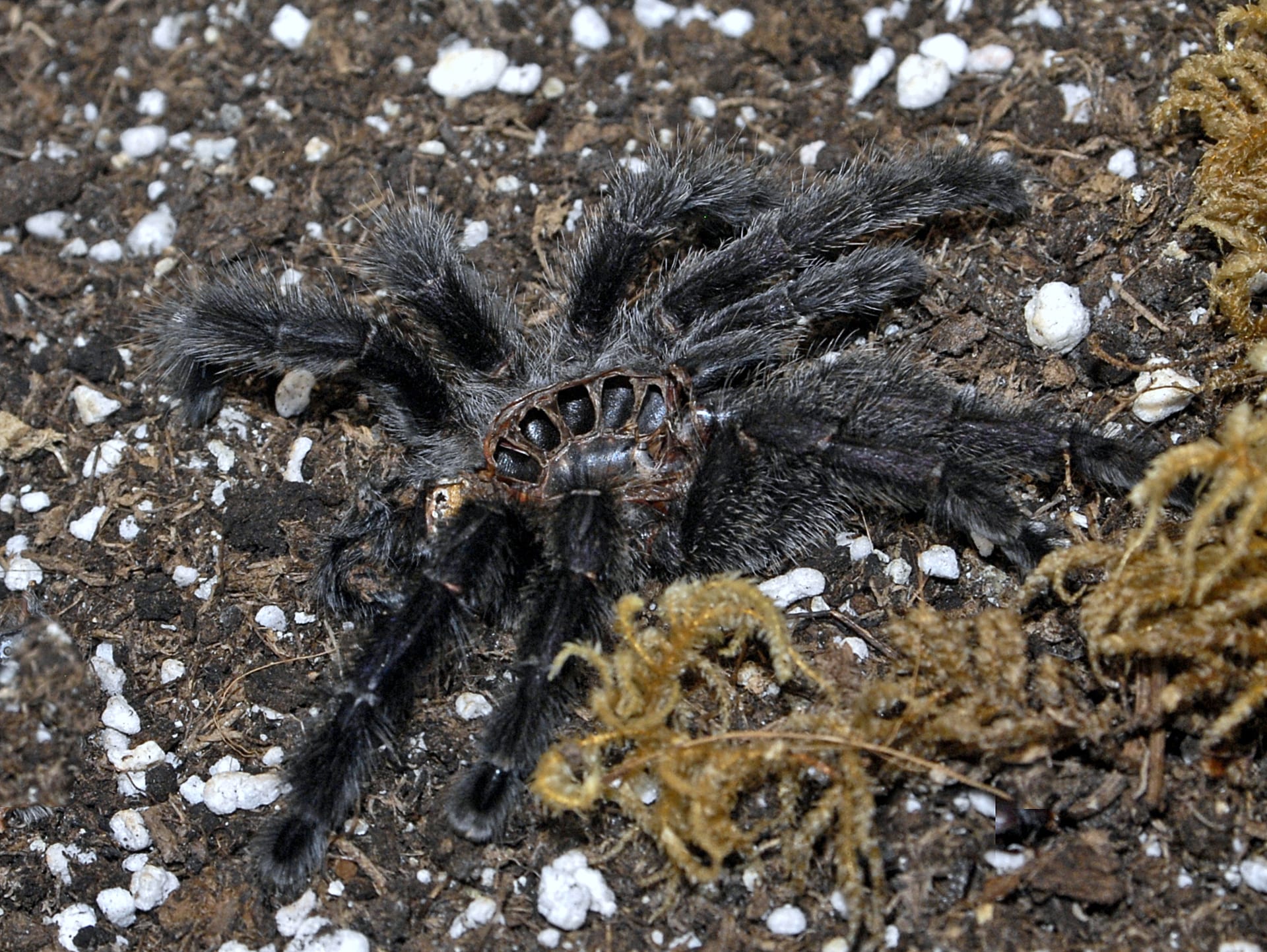
The Ecuadorian Purple Pinktoe is an arboreal tarantula native to the Amazon region of Ecuador. Under direct light, its carapace and legs flash a striking metallic blue-purple sheen, beautifully offset by the pale cream-pink tufts of hair on its leg tips. Its abdomen is covered in black, velvety urticating hairs that serve as a natural defense. While quick and active in typical arboreal fashion, individuals tend to be cautious and shy, making this a species best enjoyed through observation rather than handling. With its striking coloration and naturally engaging behavior, it's a rewarding choice for keepers with some tarantula-keeping experience.
View Ecuadorian Purple Pinktoe encyclopedia →0% commission on your first sales!Register by September 30, 2026 and your first 2 sales are commission-free!
Breeder Wanted!
List on BreederDirect and sell directly to customers nationwide!
5 Transparency Standards You Can Trust
When listing Exotic Invertebrates, Breeders disclose the following. We guarantee transparency on growth stage and breeding unit.
- Real Photos
- Breeding Unit
- Generation Info
- Body Length (mm)
- Country of Origin
Browse all 249 breeds
Verified breeders wanted for Exotic Invertebrates
Breeders are signing up now ahead of launch. Subscribe to be notified when new listings go live.
Getting alerts is free with a member account. When new listings match your saved search, we'll notify you by email and in-app.
Browse other categories
Verified breeders (preview)
Are you raising exotic invertebrates?
Register as a breeder and connect with buyers directly.
Apply as a breederEcuadorian Purple Pinktoe key facts
- Care level
- Intermediate
- Lifespan
- Females 10-12 years / males 3-4 years
- Size
- About 13cm across the outstretched legs
- Temperature
- 21〜27℃
- Humidity
- 60〜70%
- Diet
- Live insects such as crickets, roaches and mealworms
- Temperature & Humidity
- Care information for the genus Avicularia gives 21-27 C and 60-70% humidity, with good ventilation treated as the most important factor.
- Enclosure
- Arboreal and nests in tree hollows. Use a tall enclosure with cork bark and artificial plants for climbing and cover, and add side ventilation to prevent stagnant, damp air.
- Diet & Feeding
- Offer crickets, cockroaches, mealworms, waxworms and darkling beetles. In the wild it has also been recorded taking small rodents.
- Temperament & Venom
- Not aggressive; when startled it bolts into its retreat. As a New World species it has urticating hairs on the abdomen. Females turn aggressive towards males during mating.
- Notes
- Avicularia are vulnerable to stagnant, humid air from poor ventilation. They are fast, so watch for escapes when opening the enclosure and work low down to avoid dropping the spider.
About Ecuadorian Purple Pinktoe
The Ecuadorian Purple Pinktoe is an Amazon-native arboreal tarantula prized for its metallic blue-purple sheen and cream-pink leg tips, a striking pick for intermediate keepers.
7 things to know before welcoming a Ecuadorian Purple Pinktoe
1Housing for an Arboreal Species
This species lives above ground, so it needs a tall enclosure rather than one with a large floor footprint. Provide cork bark or artificial branches as climbing surfaces to give it the vertical space it needs to feel secure.
2Mind the Urticating Hairs
The black, velvety abdomen is covered in urticating hairs that can be flicked off when the spider feels threatened. Avoid handling with bare hands or bringing your face close, and use tools rather than fingers during enclosure maintenance.
3Best Suited to Intermediate Keepers
This species is rated as suitable for intermediate keepers, as it moves quickly and can bolt suddenly when startled. Prior experience with invertebrate care makes day-to-day handling and maintenance much smoother.
4Color That Shifts With the Light
In daylight, the carapace and legs show a vivid metallic blue-purple sheen, set off by pale cream-pink tufts on the leg tips. The way the color catches the light from different angles is part of the appeal.
5Plan Ahead for Adult Size
Adults reach a legspan of roughly 13 cm. Since juveniles will grow considerably, it's worth planning ahead for an enclosure you can upgrade to as your spider matures.
6Keep One Per Enclosure
Tarantulas are territorial and prone to cannibalism, so this species should not be housed with others in the same enclosure. Keep one spider per enclosure, reserving any cohabitation for carefully managed pairing attempts.
7Prepare the Setup Beforehand
Before bringing your spider home, set up an enclosure complete with climbing branches, substrate, and a water dish. Keep disturbance to a minimum right after arrival so it has time to settle into its new environment.
Frequently asked questions about Ecuadorian Purple Pinktoe
- Q.Is this species suitable for beginners?
- A.This species is generally considered suitable for intermediate keepers rather than complete beginners. Some prior experience keeping tarantulas makes daily care and low-contact handling easier to manage.
- Q.Can I handle it directly?
- A.Direct handling isn't recommended, since the abdomen is covered in urticating hairs. It's best enjoyed as a species to observe, using tools instead of bare hands during enclosure maintenance.
- Q.How large does it get?
- A.Adults reach a legspan of about 13 cm. As it grows from a juvenile, you'll likely need to move it into a larger enclosure over time.
- Q.Can multiple spiders share one enclosure?
- A.No, this species is prone to cannibalism, so each spider should be kept in its own enclosure. Housing them together should only be attempted carefully, and only for breeding purposes.
- Q.Is this species subject to any special regulations?
- A.This species falls outside the scope of CITES. Even so, it's important to have a suitable enclosure and care routine ready before bringing one home.
Learn more about Ecuadorian Purple Pinktoe in the encyclopedia
View Ecuadorian Purple Pinktoe encyclopedia entry →
Care difficulty, lifespan, size and diet — all basics covered.
More in this category
Can't find the one you're looking for?
Post your wishes for free and breeders with matching animals will contact you with introductions.