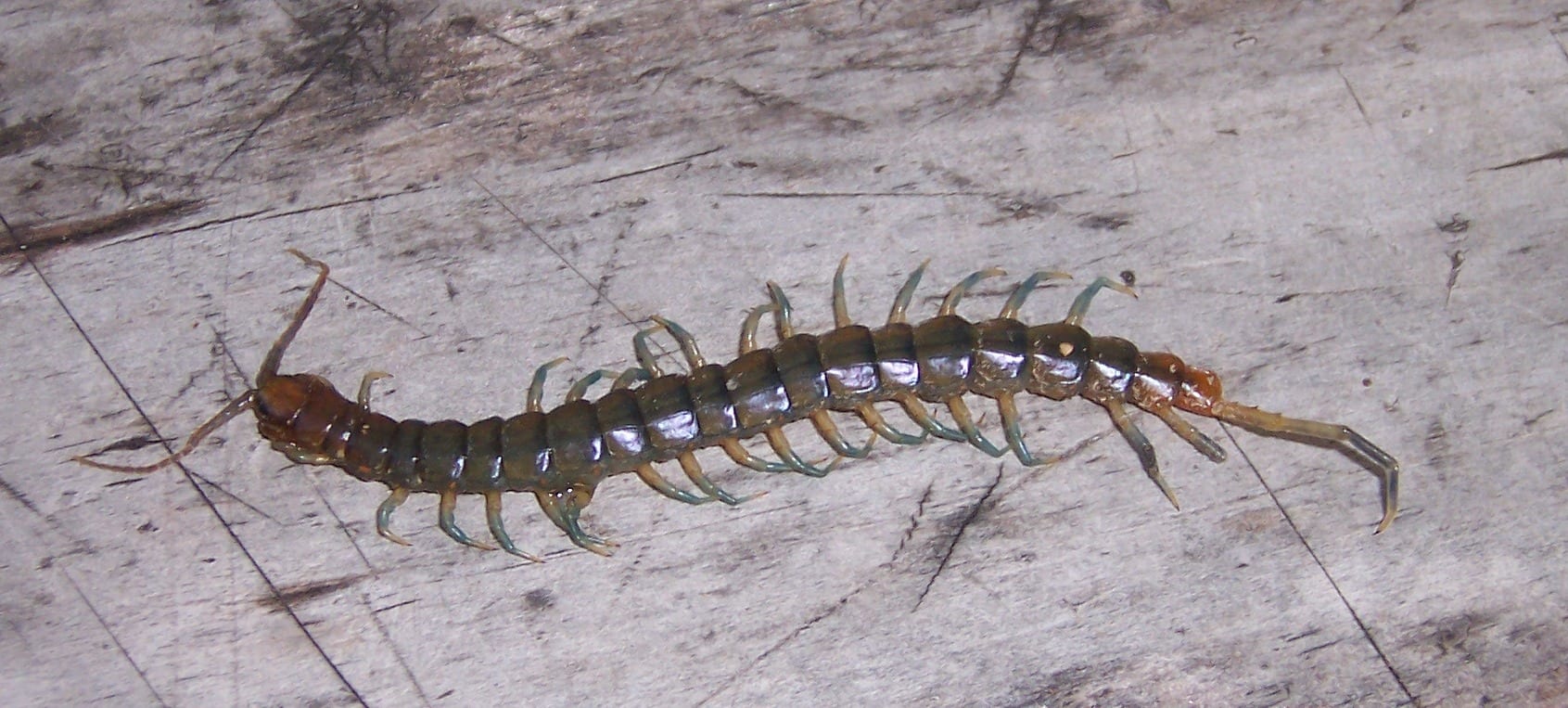
 © B. Navez / CC BY-SA 3.0
Tanzanian Blue Ringleg
The Tanzanian Blue Ringleg is a regional form of the type species of the genus Scolopendra, prized for the striking blue bands on its legs and its reddish head. Adults reach a mid-size 10 to 13 cm, with a striped body and coloration that can vary noticeably by locality. Nocturnal and shelter-loving, it tends to stay tucked away during the day, so keeping noise and vibration to a minimum helps when observing it. It moves quickly and with considerable strength, so handling calls for caution, but once the keeper has the basics of feeding and humidity control down, this centipede rewards an intermediate-level hobbyist with its striking, sculptural appearance.
View Tanzanian Blue Ringleg encyclopedia →0% commission on your first sales!Register by September 30, 2026 and your first 2 sales are commission-free!
Breeder Wanted!
List on BreederDirect and sell directly to customers nationwide!
5 Transparency Standards You Can Trust
When listing Exotic Invertebrates, Breeders disclose the following. We guarantee transparency on growth stage and breeding unit.
- Real Photos
- Breeding Unit
- Generation Info
- Body Length (mm)
- Country of Origin
Browse all 249 breeds
Verified breeders wanted for Exotic Invertebrates
Breeders are signing up now ahead of launch. Subscribe to be notified when new listings go live.
Getting alerts is free with a member account. When new listings match your saved search, we'll notify you by email and in-app.
Browse other categories
Verified breeders (preview)
Are you raising exotic invertebrates?
Register as a breeder and connect with buyers directly.
Apply as a breederTanzanian Blue Ringleg key facts
- Care level
- Intermediate
- Lifespan
- 4-6 years
- Size
- 10-13cm
- Temperature
- 23〜29℃
- Humidity
- 50%
- Diet
- Crickets, dubia roaches and other insects
- Temperature & Humidity
- 23-29 C (26 C as base) and humidity above 50%. Keep the substrate moist.
- Enclosure
- A lidded plastic enclosure with 5-10 cm of coco fibre, a hide and a shallow water dish.
- Diet & Feeding
- Crickets, dubia or red runner roaches once or twice a week.
- Temperament & Venom
- An aggressive, opportunistic predator with neurotoxic venom; bites are painful. Never handle.
- Notes
- House singly. Sold under the same trade name as E. trigonopodus, so check the scientific name when buying.
About Tanzanian Blue Ringleg
A Scolopendra type-species form with blue-ringed legs and a reddish head, reaching 10-13 cm. A mid-size centipede suited to intermediate keepers.
7 things to know before welcoming a Tanzanian Blue Ringleg
1Provide deep substrate and hiding spots
This centipede spends much of its time tucked away, so provide substrate deep enough to fully bury itself in along with a shelter. Since it likes to burrow, prioritizing depth over cage height helps it settle in.
2Humidity control is key
As a species native to a wide range of tropical to temperate regions, it does poorly in overly dry conditions. Lightly moistening part of the substrate and adding a water dish creates a humidity gradient so the animal can choose its preferred spot.
3Quick, powerful movements
Because it moves quickly and forcefully, avoid direct hand contact and use tools such as tongs during maintenance. Also watch for escape through gaps in the enclosure and make sure the lid is securely fastened.
4Keep singly, not communally
Conflict or cannibalism can occur even between individuals of the same species, so the basic rule is one animal per enclosure. Avoid housing multiple individuals together and keep each in its own space.
5Observe the head and body coloring
The reddish head, striped body, and blue-ringed legs are the visual highlights of this animal. Coloration can vary by locality, so observing the specific tones of the individual you bring home is part of the appeal unique to this form.
6Minimize disturbance around molting
The body becomes very delicate around molting. If appetite drops or movement slows, avoid handling and keep the environment quiet while you watch over it.
7Prepare the enclosure before arrival
Having an escape-proof locking lid, deep substrate, a water dish, and a shelter ready in advance makes the transition smoother. Set up a thermometer/hygrometer and confirm the environment is stable before the animal arrives.
Frequently asked questions about Tanzanian Blue Ringleg
- Q.Can a first-time invertebrate keeper care for this species?
- A.This species is generally considered suited to intermediate keepers. It requires attention to basic temperature and humidity management and careful handling, but is approachable if you learn the basics beforehand.
- Q.How large does it grow?
- A.Adults reach roughly 10 to 13 cm, a mid-size range. There is some individual variation, but it does not grow to an extreme size.
- Q.Is it safe to handle with bare hands?
- A.Since it moves quickly and with considerable strength, direct hand contact is best avoided — use tools such as tongs during maintenance instead.
- Q.Can multiple individuals share one enclosure?
- A.Because conflict or cannibalism can occur even between individuals of the same species, keeping one animal per enclosure is generally recommended.
- Q.Is this species subject to any international trade regulation?
- A.This species is not listed under CITES.
Learn more about Tanzanian Blue Ringleg in the encyclopedia
View Tanzanian Blue Ringleg encyclopedia entry →
Care difficulty, lifespan, size and diet — all basics covered.
More in this category
Can't find the one you're looking for?
Post your wishes for free and breeders with matching animals will contact you with introductions.