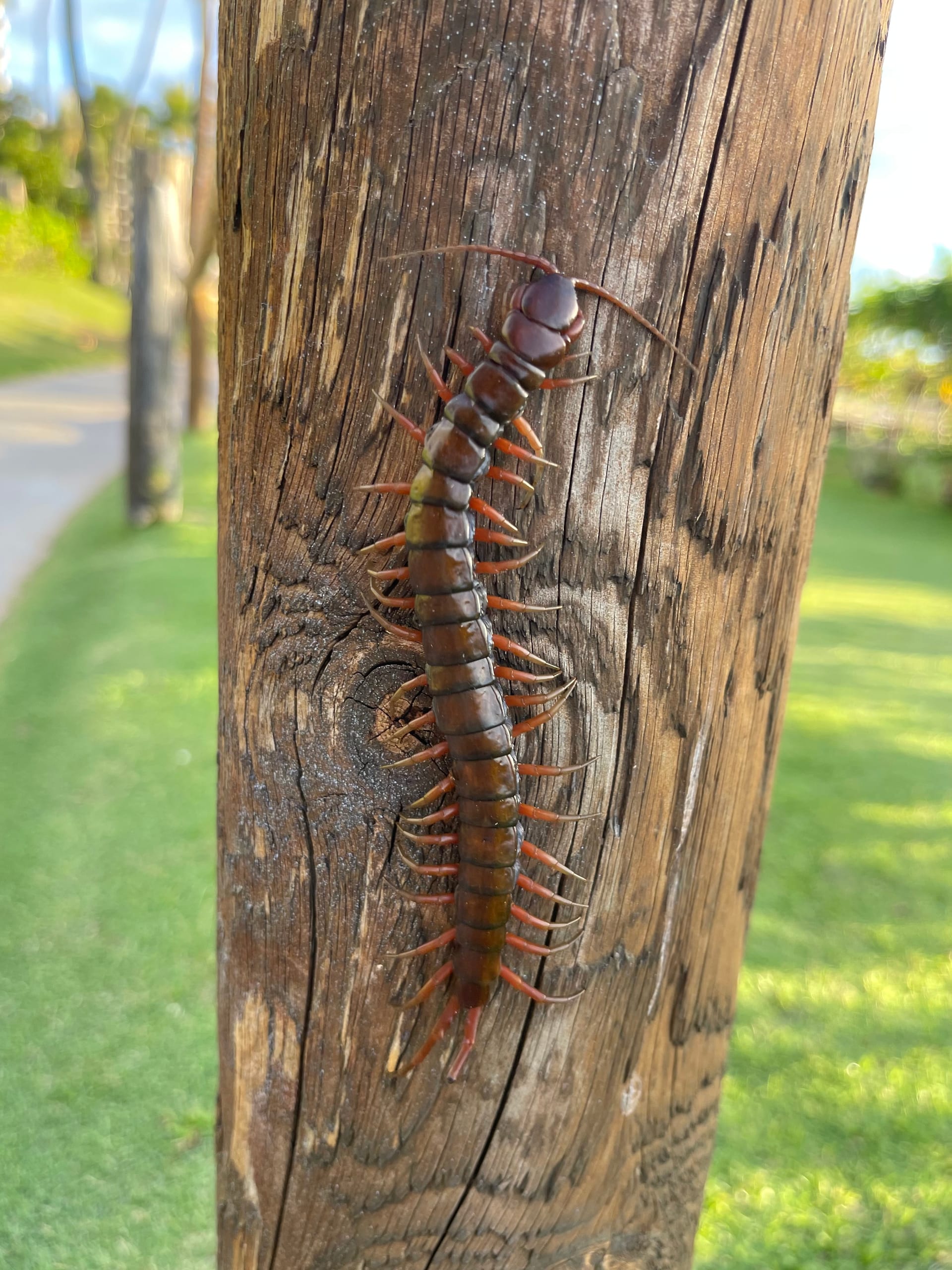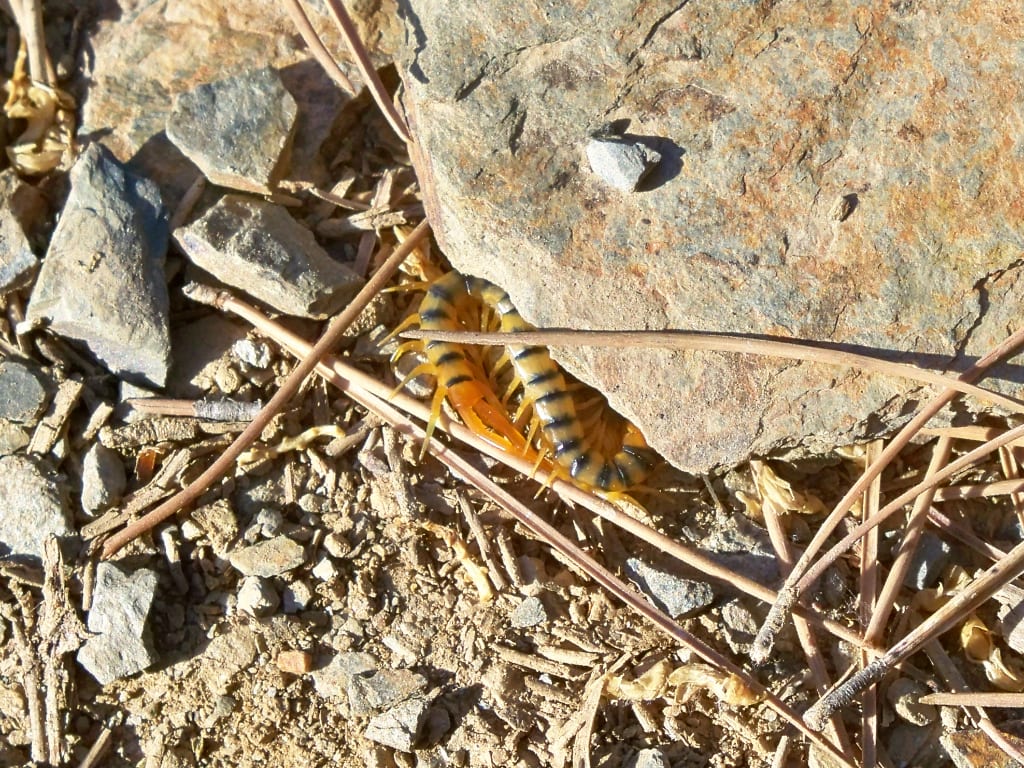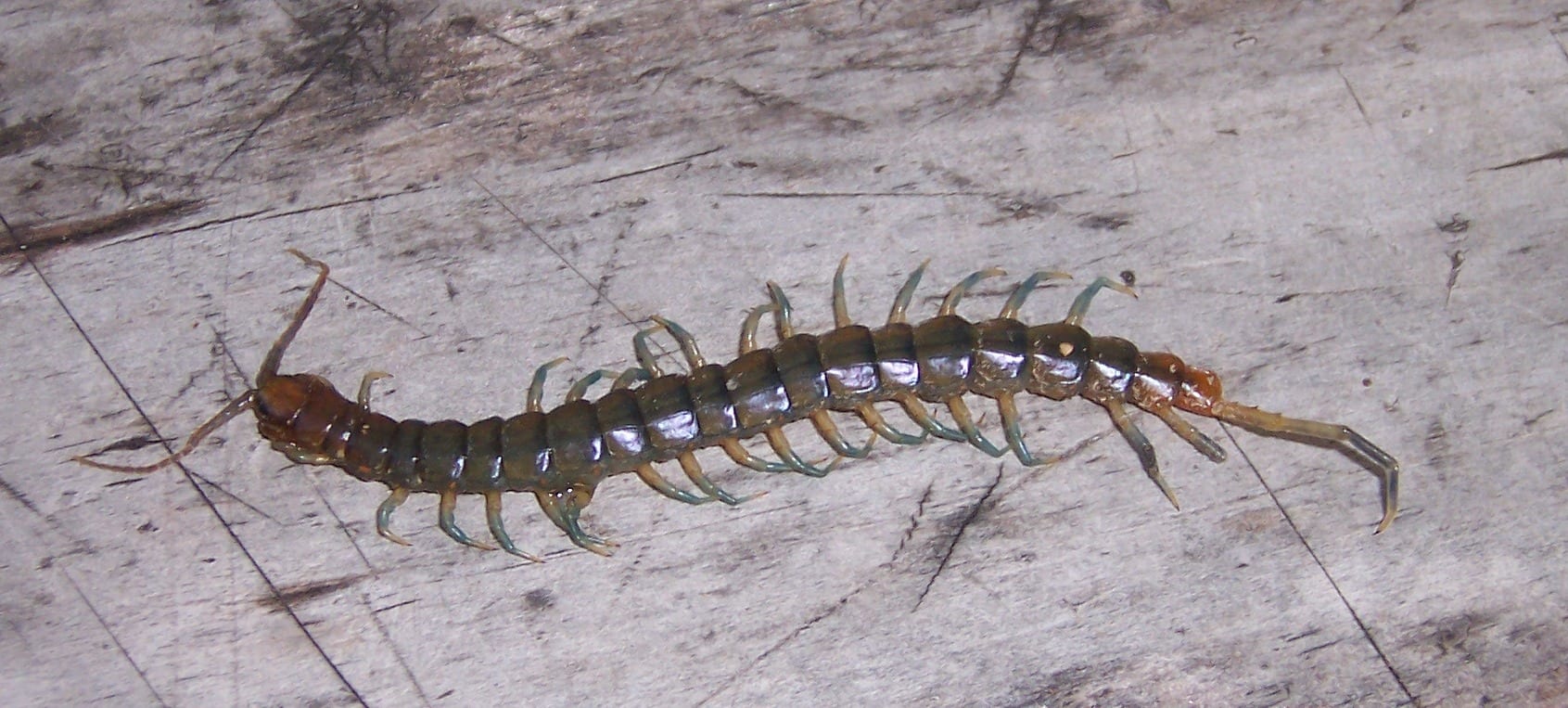
Source: Wikimedia Commons
Tanzanian Blue Ringleg
IntermediateScolopendra morsitans
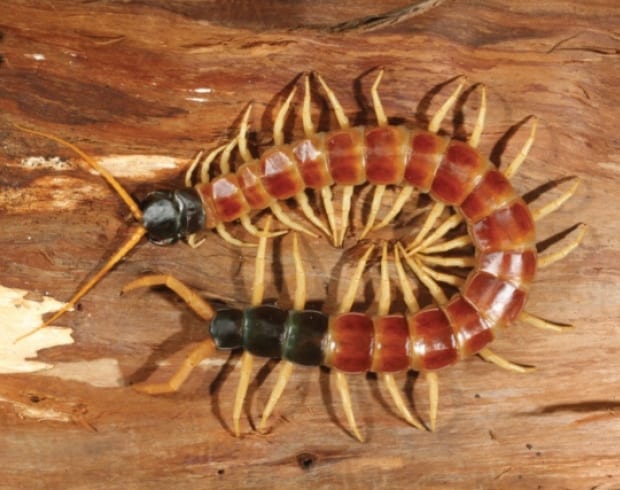
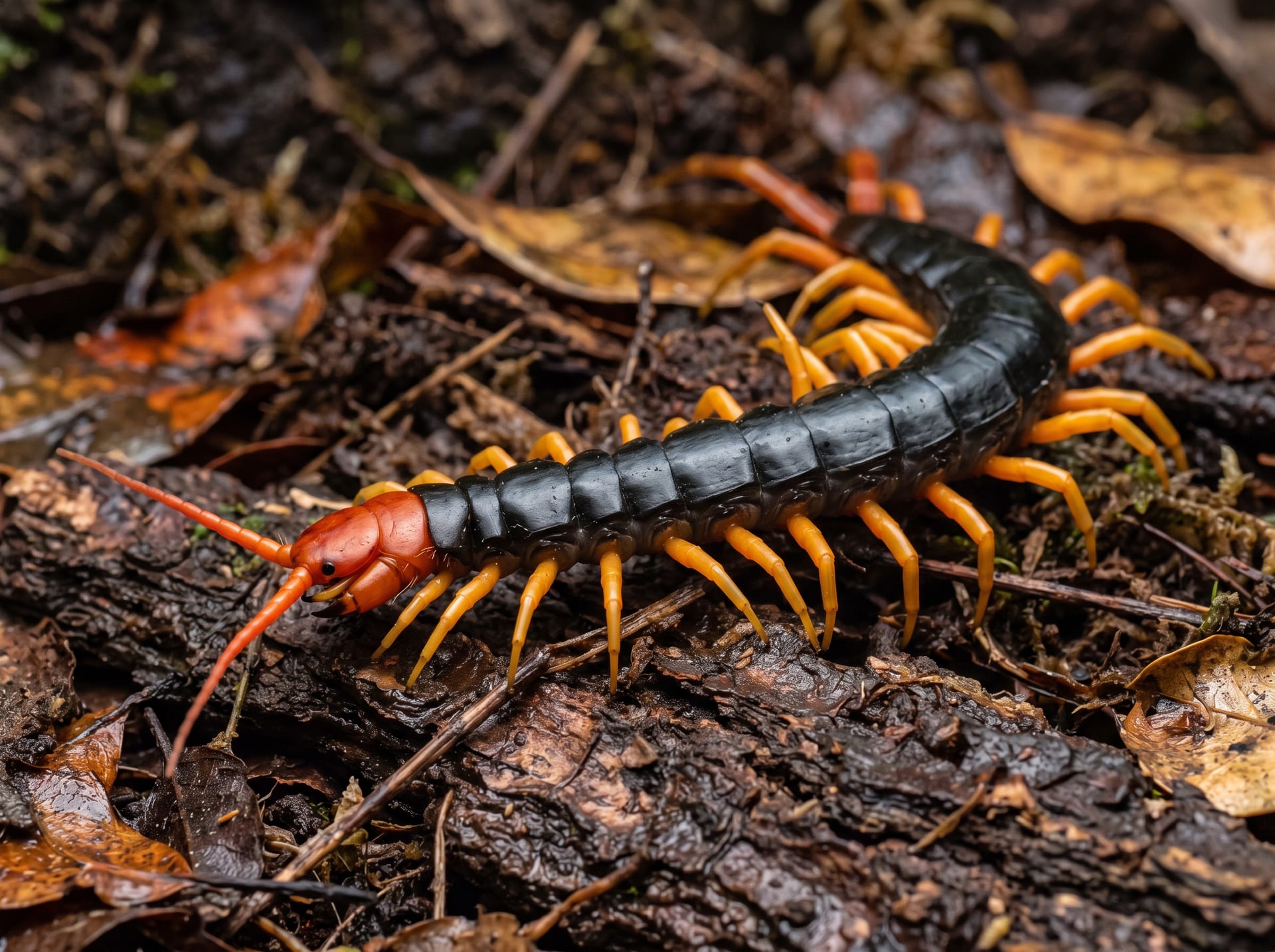
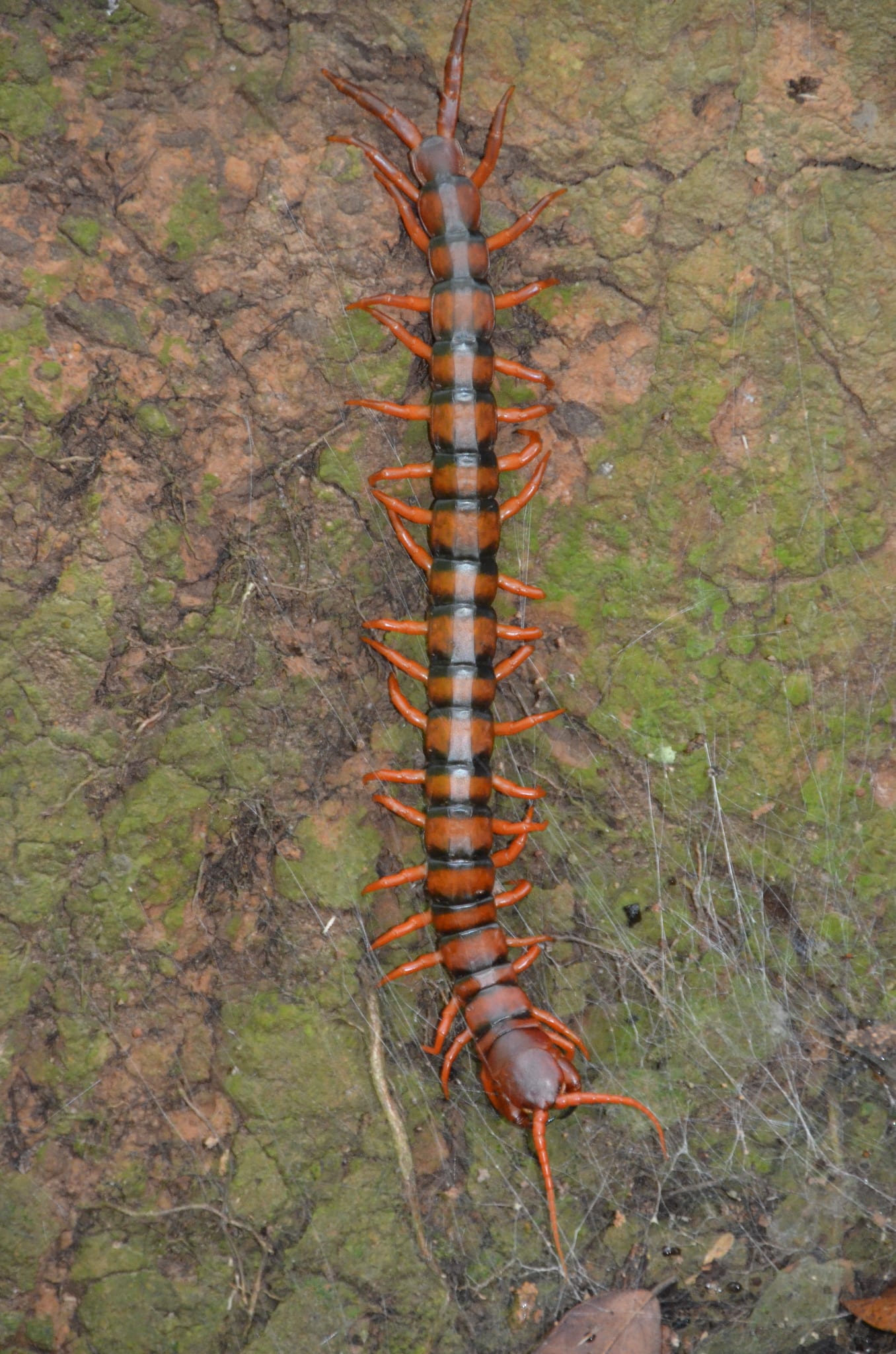
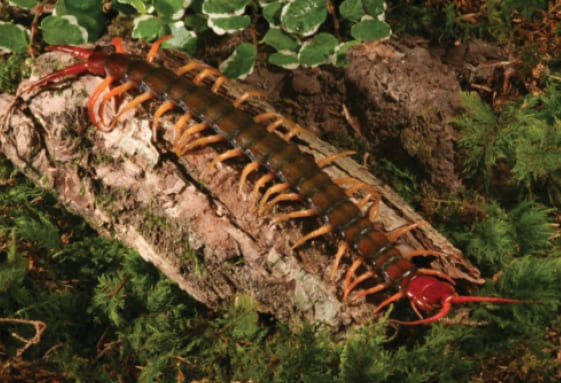
The type species of Scolopendra, found on every inhabited continent. Typically a red head and striated body, but colour varies widely by region. A medium species to about 13 cm; Tanzanian stock with blue leg rings is traded.
Difficulty
Intermediate
Temperature
23〜29℃
Lifespan
4-6 years
Size
10-13cm
Humidity
50%
Diet
Crickets, dubia roaches and other insects
About
Scolopendra morsitans, described by Linnaeus in 1758, is the type species of the genus, occurs on every inhabited continent and is regarded as highly invasive. Adults reach around 13 cm, with a 127 mm record from Australia, though Southeast Asian animals rarely exceed 10 cm. Typically the head is bright red and the brown body shows clear striations between segments, but regional populations differ so much that colour alone is unreliable for identification; juveniles lack clear stripes and have a head coloured like the trunk. It is an aggressive, opportunistic nocturnal predator that subdues arthropods and small vertebrates with neurotoxic venom and strong forcipules, and shelters under leaves and bark in warm habitats. In Japan it occurs in the Ryukyu Islands. In the trade, Tanzanian animals with blue leg rings carry this name, but the same name is also applied to Ethmostigmus trigonopodus, causing frequent confusion.
Source: Wikipedia (CC BY-SA 4.0)
Lifespan of the Tanzanian Blue Ringleg
The Tanzanian Blue Ringleg lives 4-6 years.
Size of the Tanzanian Blue Ringleg
The Tanzanian Blue Ringleg grows to 10-13cm.
Temperature & humidity for the Tanzanian Blue Ringleg
The ideal temperature for the Tanzanian Blue Ringleg is 23〜29℃. Ideal humidity is 50%.
Keep at 23-29 C with humidity above 50%, housed singly.
Basic Info
Origin
Tropics to warm temperate zones of Africa, Asia, Oceania and the Americas (origin unclear); Ryukyu Islands in Japan
Care Specifications
AggressiveSolitaryBreeding: Hard
Sources: Terminal Legs: four keeping environments for centipedes / Terminal Legs: centipede keeping manual / Pets!Pets! keeping centipedes / Wikipedia / Wikipedia (ja) Scolopendromorpha / GBIF
References & Sources
Edited & verified by: BreederDirect editorial team
The taxonomic, regulatory, and husbandry data on this page are compiled and verified against the authoritative primary sources below.
Taxonomy & Authority
Accepted name: Scolopendra morsitans Linnaeus, 1758
Authority databases: GBIF
Nomenclature follows global taxonomic authority databases.
Regulations & Conservation Status
Not CITES-listed
Sources: CITES Appendices (species not listed)
Regulations may change. Always verify the latest information with the relevant authorities.
Tanzanian Blue Ringleg Listings
Loading latest listingsFind listings for this species