Source: Wikimedia Commons
Subspinipes Giant Centipede
AdvancedScolopendra subspinipes
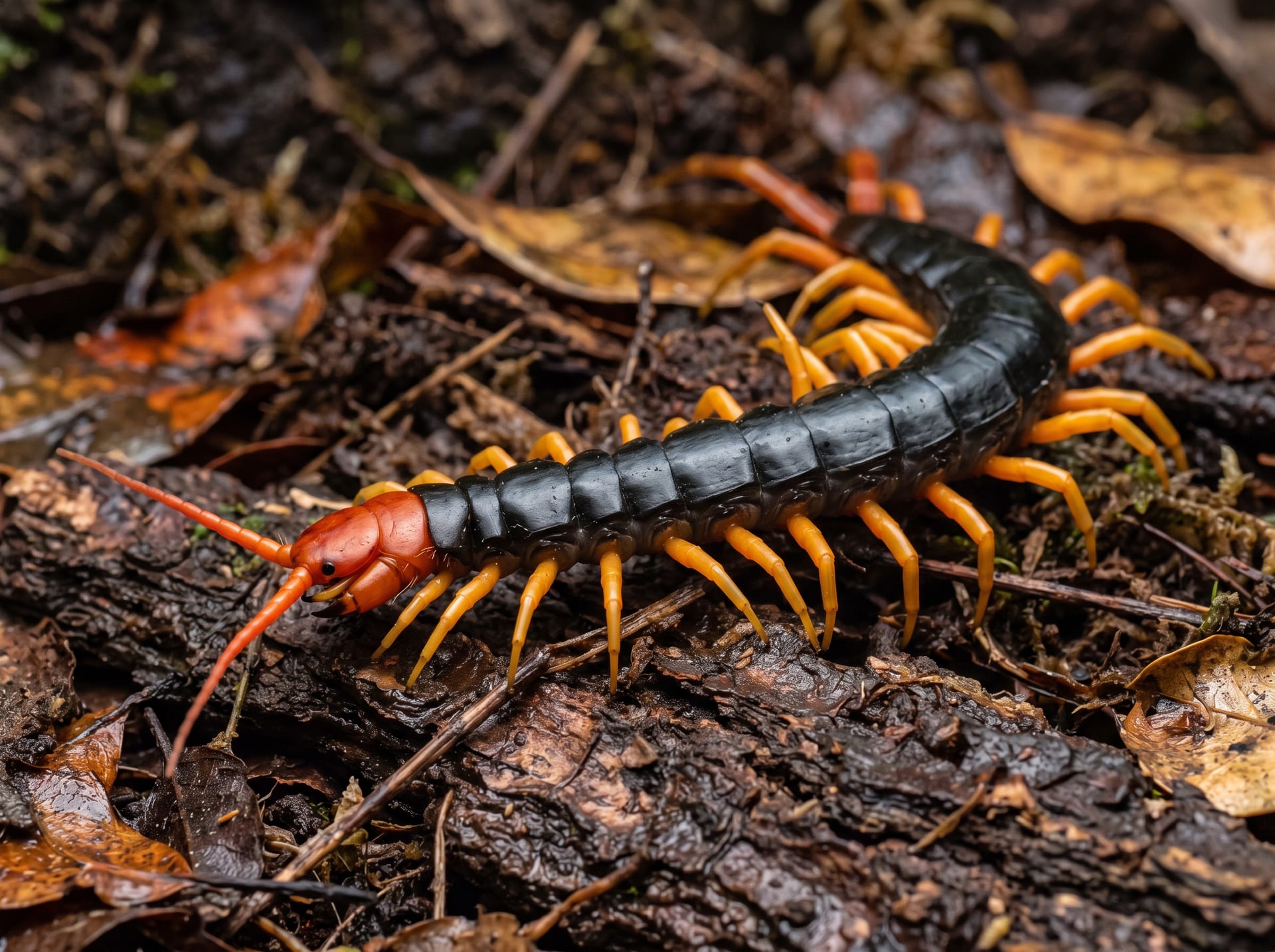
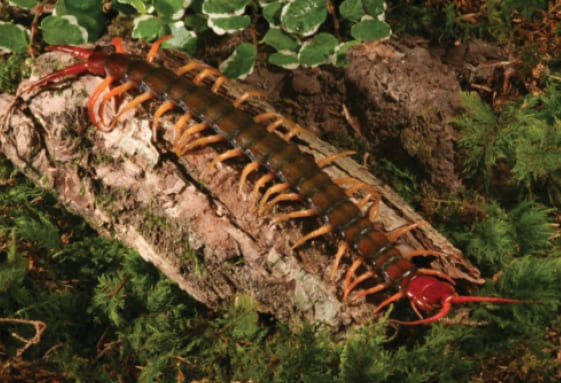
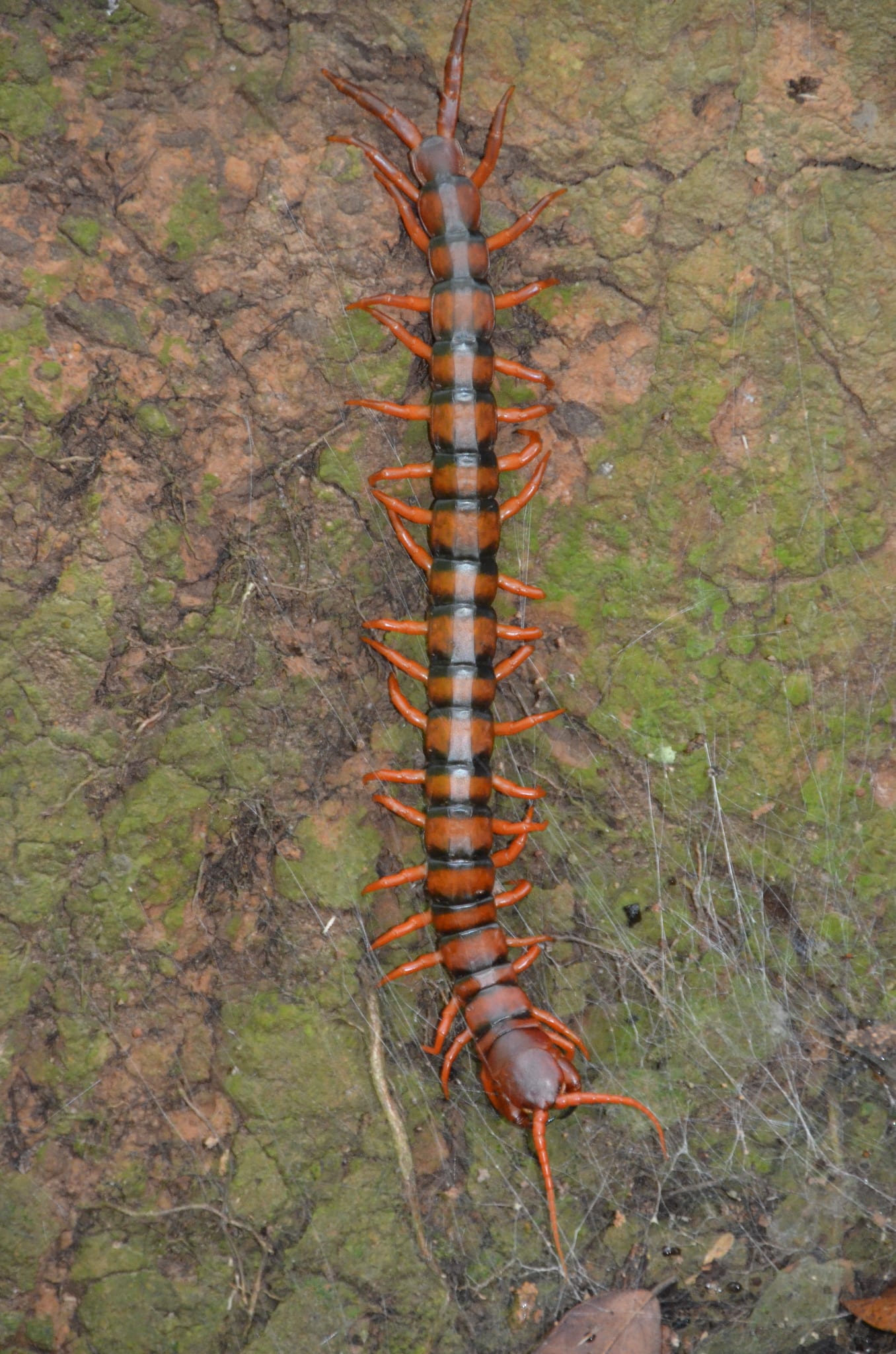
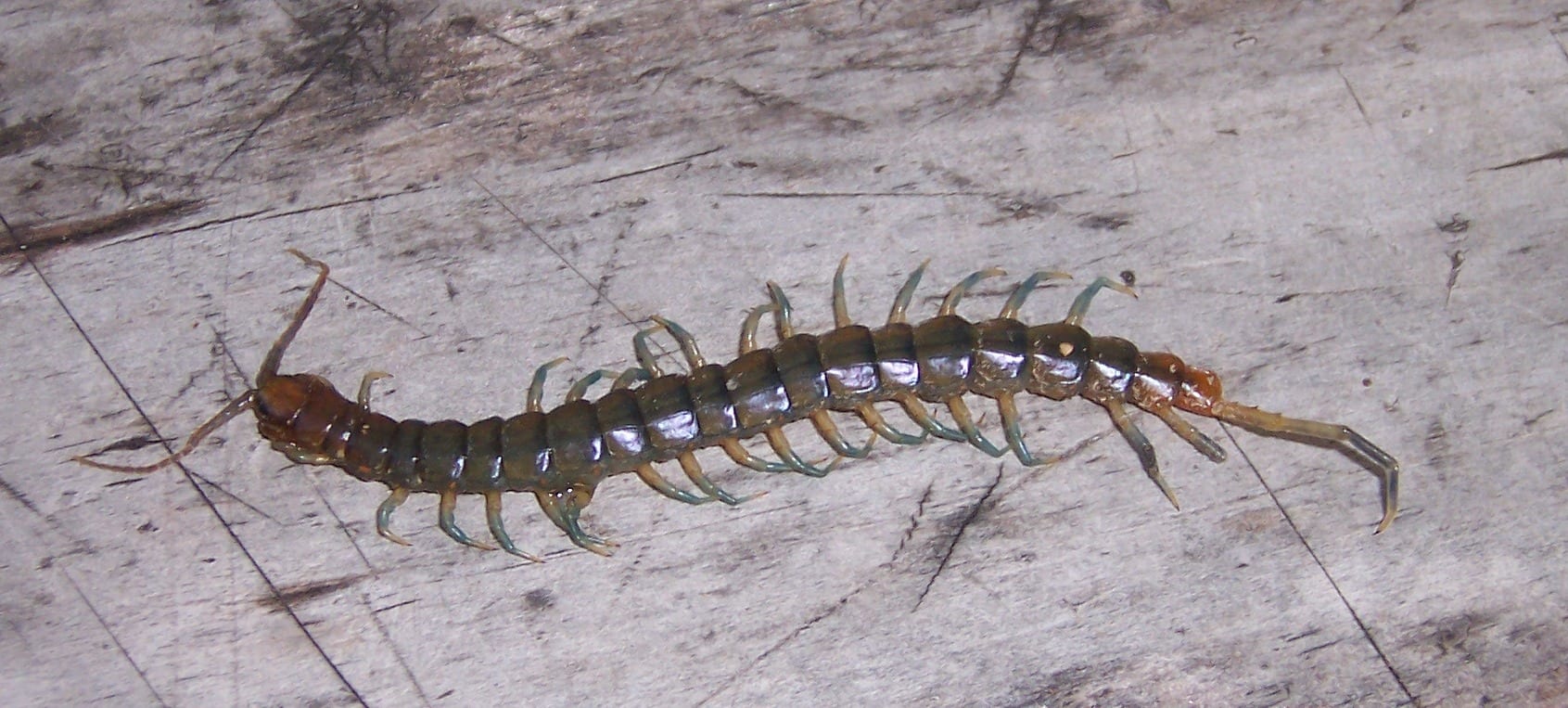
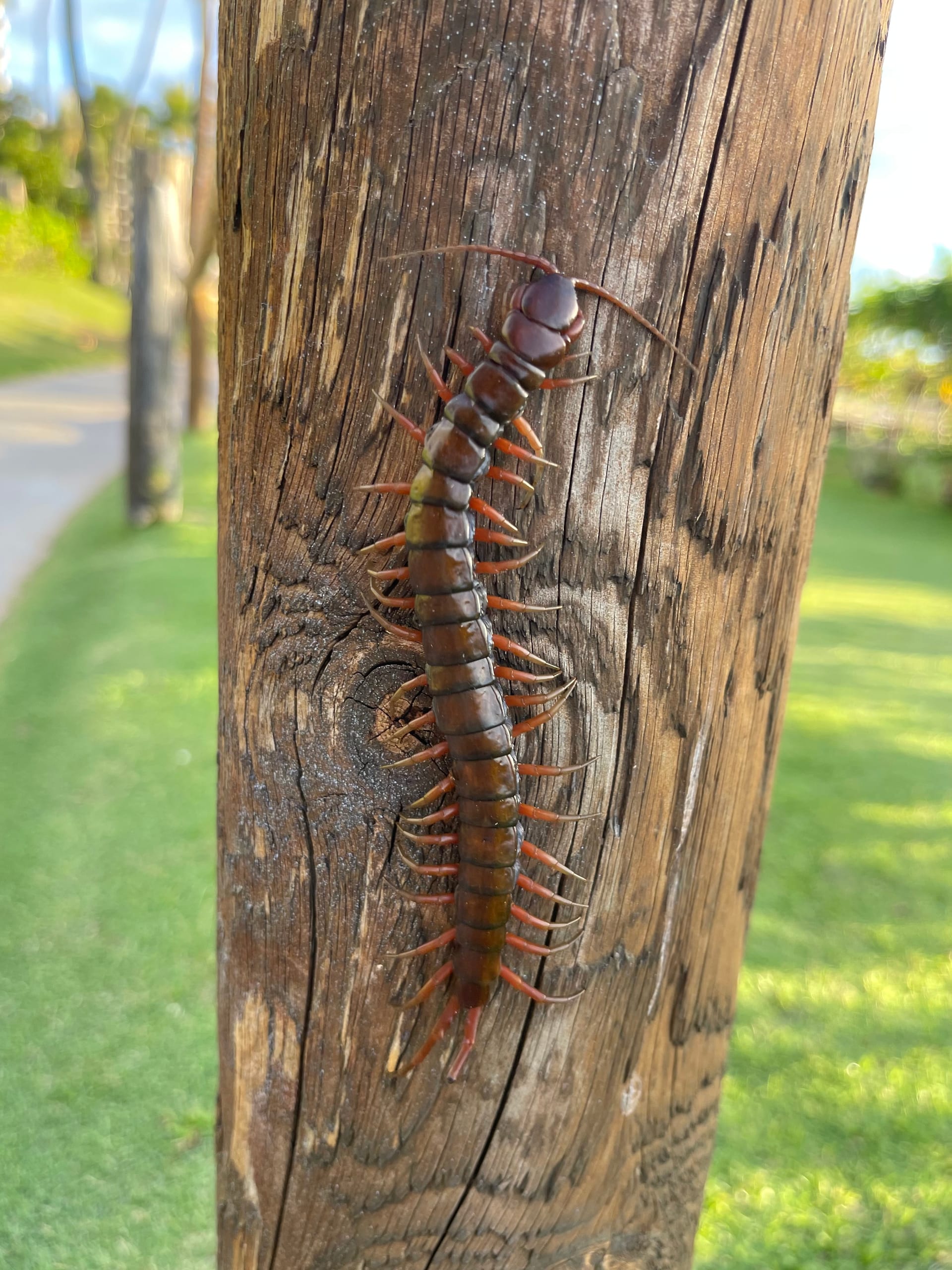
A large centipede ranging from Southeast Asia across the Pacific and Indian Ocean islands. Reddish-brown body with yellow to orange legs, reaching about 20 cm. Aggressive and potently venomous; for experienced keepers.
Difficulty
Advanced
Temperature
23〜29℃
Lifespan
6-9 years
Size
15-20cm
Humidity
60〜80%
Diet
Crickets, dubia and red runner roaches
About
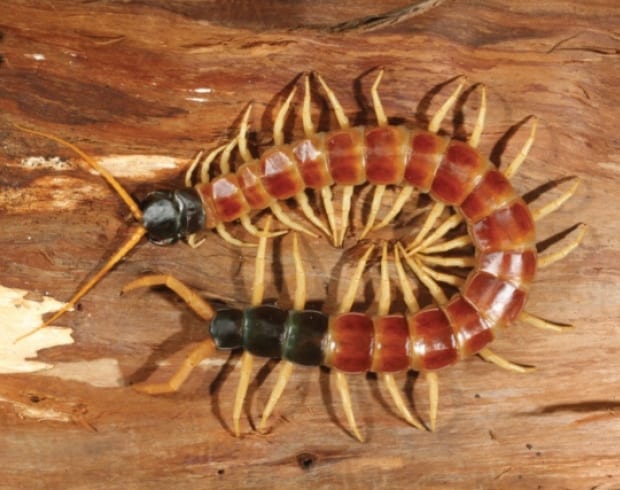
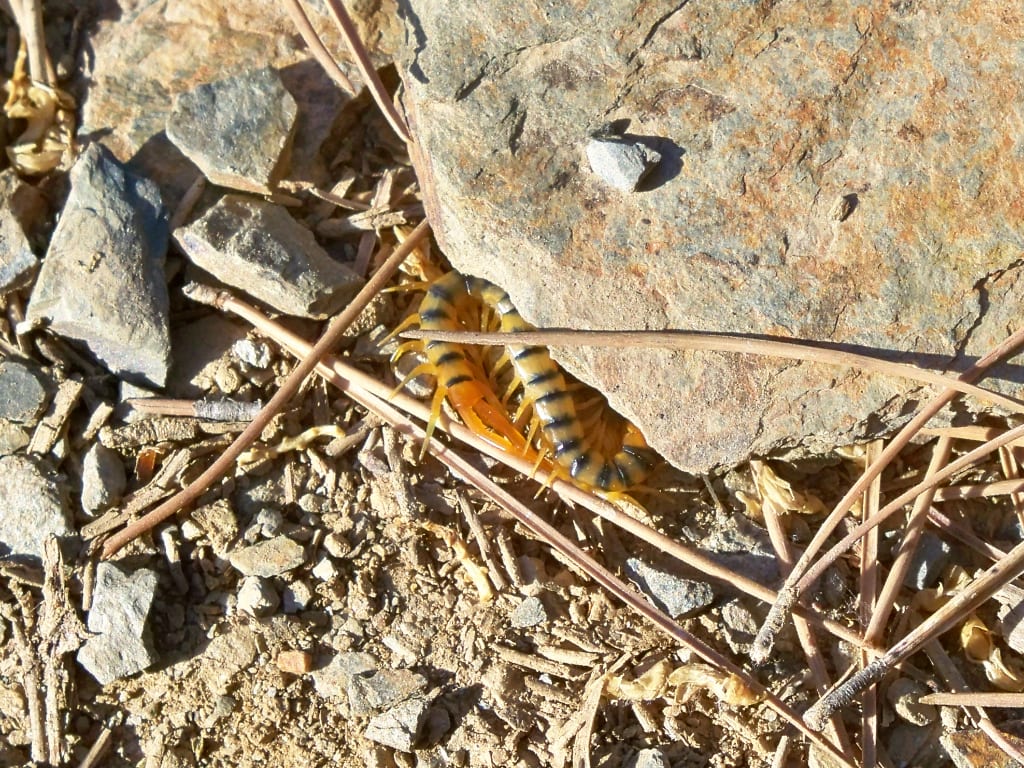
Scolopendra subspinipes is one of the most widespread species in the genus, recorded from tropical and subtropical Asia across Indian Ocean and Pacific islands to the Caribbean and Latin America; how much of this range is natural versus introduced is unclear. The body is red to reddish-brown with yellow to orange legs and reaches about 20 cm. Colour varies greatly by locality, and Hawaiian or Philippine stock is traded under locality names. It is fast and nervous, reacting to vibration with a strike posture, and preys on arachnids and any small vertebrate it can overpower. Females lay 50-80 eggs and guard them until the hatchlings' first moult. Taxonomically, the former subspecies S. mutilans, S. dehaani and S. multidens were raised to species in a 2012 revision, so Japanese names are often confused. It escapes through lid gaps, so a tight-sealing enclosure is essential.
Source: Wikipedia (CC BY-SA 4.0)
Lifespan of the Subspinipes Giant Centipede
The Subspinipes Giant Centipede lives 6-9 years.
Size of the Subspinipes Giant Centipede
The Subspinipes Giant Centipede grows to 15-20cm.
Temperature & humidity for the Subspinipes Giant Centipede
The ideal temperature for the Subspinipes Giant Centipede is 23〜29℃. Ideal humidity is 60〜80%.
Keep at 23-29 C (26 C as a base) with 60-80% humidity, deep substrate and strictly alone.
Basic Info
Origin
Southeast Asia (Philippines, Indonesia, Malaysia), Indian Ocean and Pacific islands, Hawaii (introduced)
Care Specifications
AggressiveSolitaryBreeding: Hard
Sources: Terminal Legs: four keeping environments for centipedes / Terminal Legs: centipede keeping manual / Oyodo PMP: husbandry study of Scolopendromorpha / Pets!Pets! Scolopendra subspinipes / Wikipedia / GBIF
References & Sources
Edited & verified by: BreederDirect editorial team
The taxonomic, regulatory, and husbandry data on this page are compiled and verified against the authoritative primary sources below.
Taxonomy & Authority
Accepted name: Scolopendra subspinipes Leach, 1815
Synonyms: Scolopendra subspinipes piceoflava
Authority databases: GBIF
Nomenclature follows global taxonomic authority databases.
Regulations & Conservation Status
Not CITES-listed
Sources: CITES Appendices (species not listed)
Regulations may change. Always verify the latest information with the relevant authorities.
Subspinipes Giant Centipede Listings
Loading latest listingsFind listings for this species