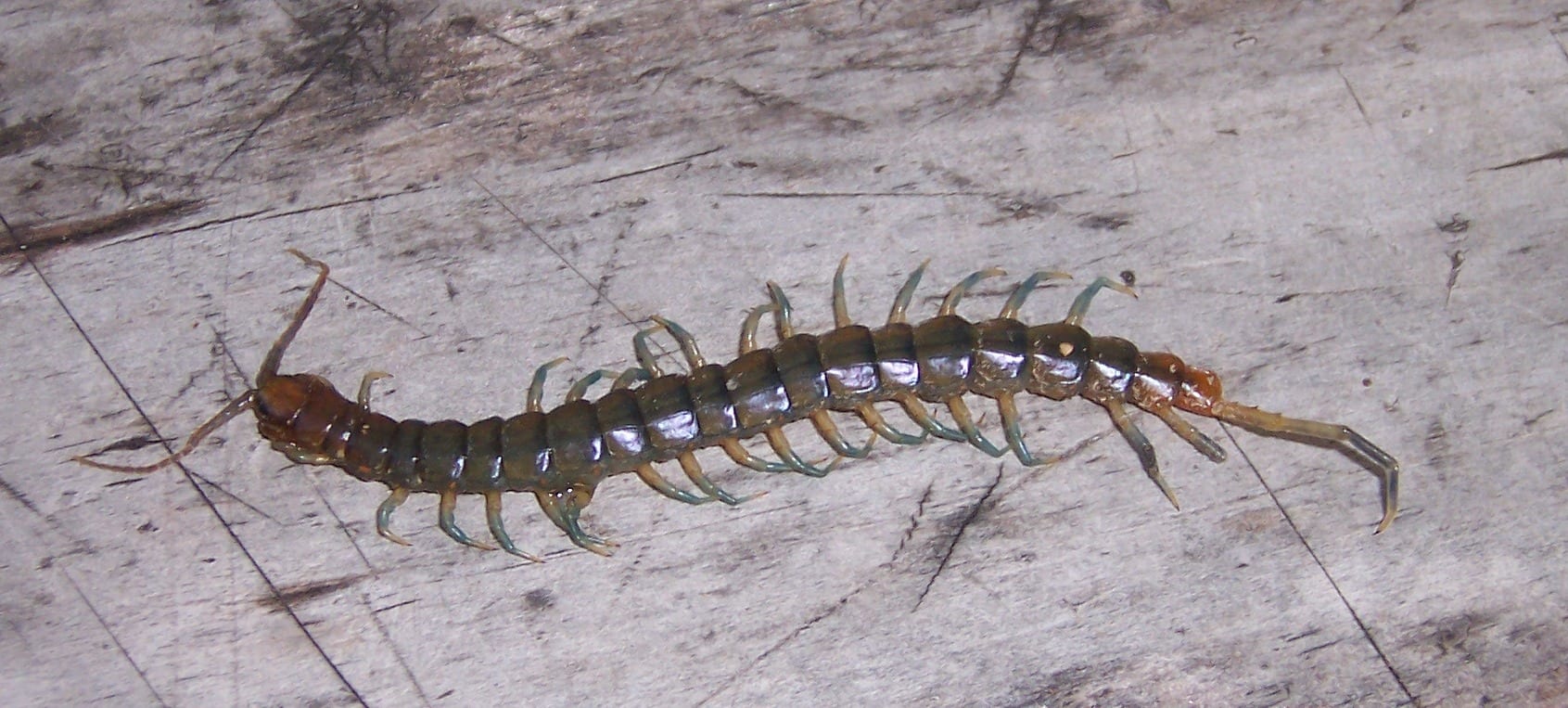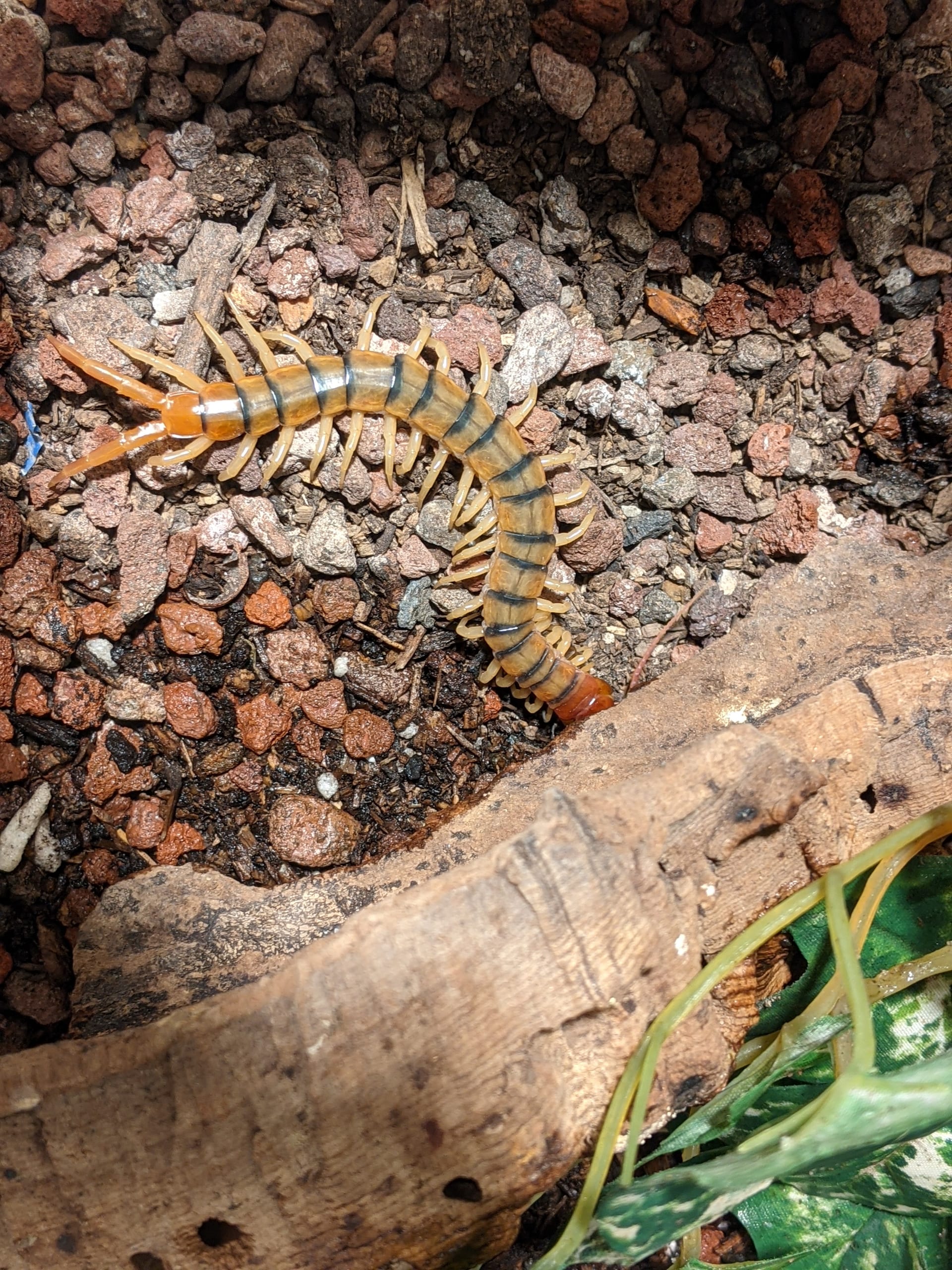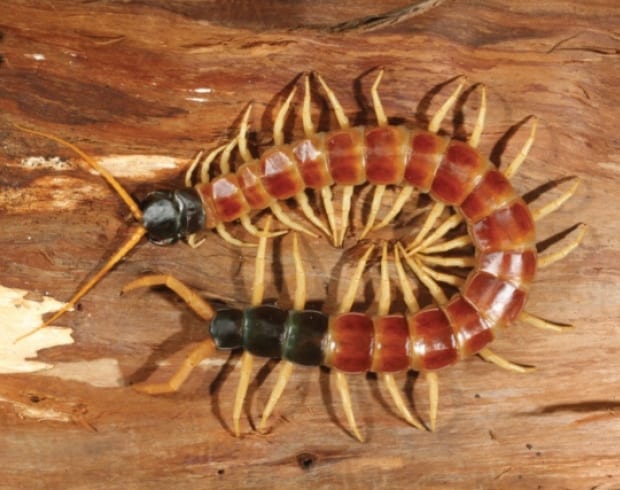
Source: Wikimedia Commons
Giant Desert Centipede
AdvancedScolopendra heros
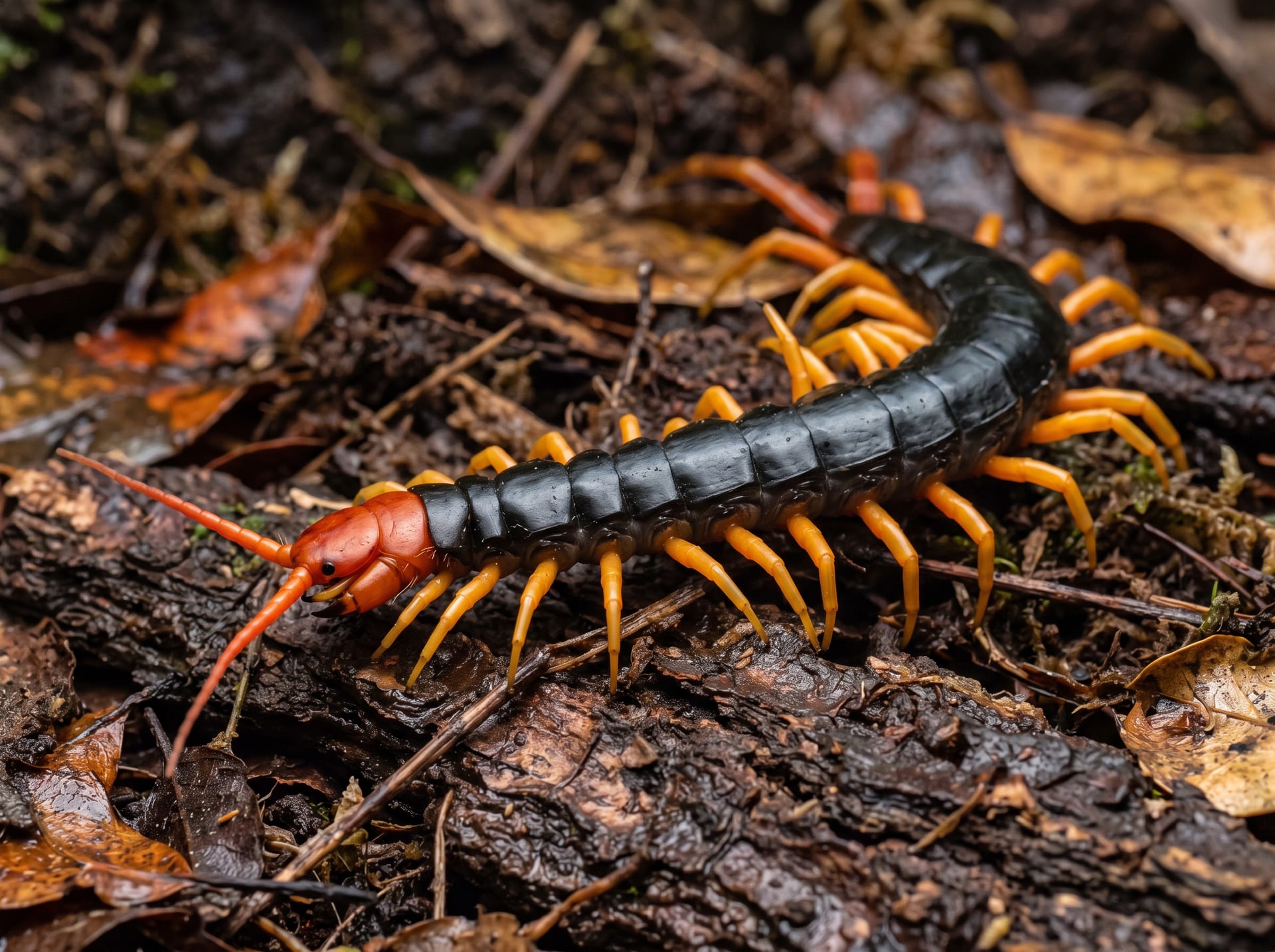
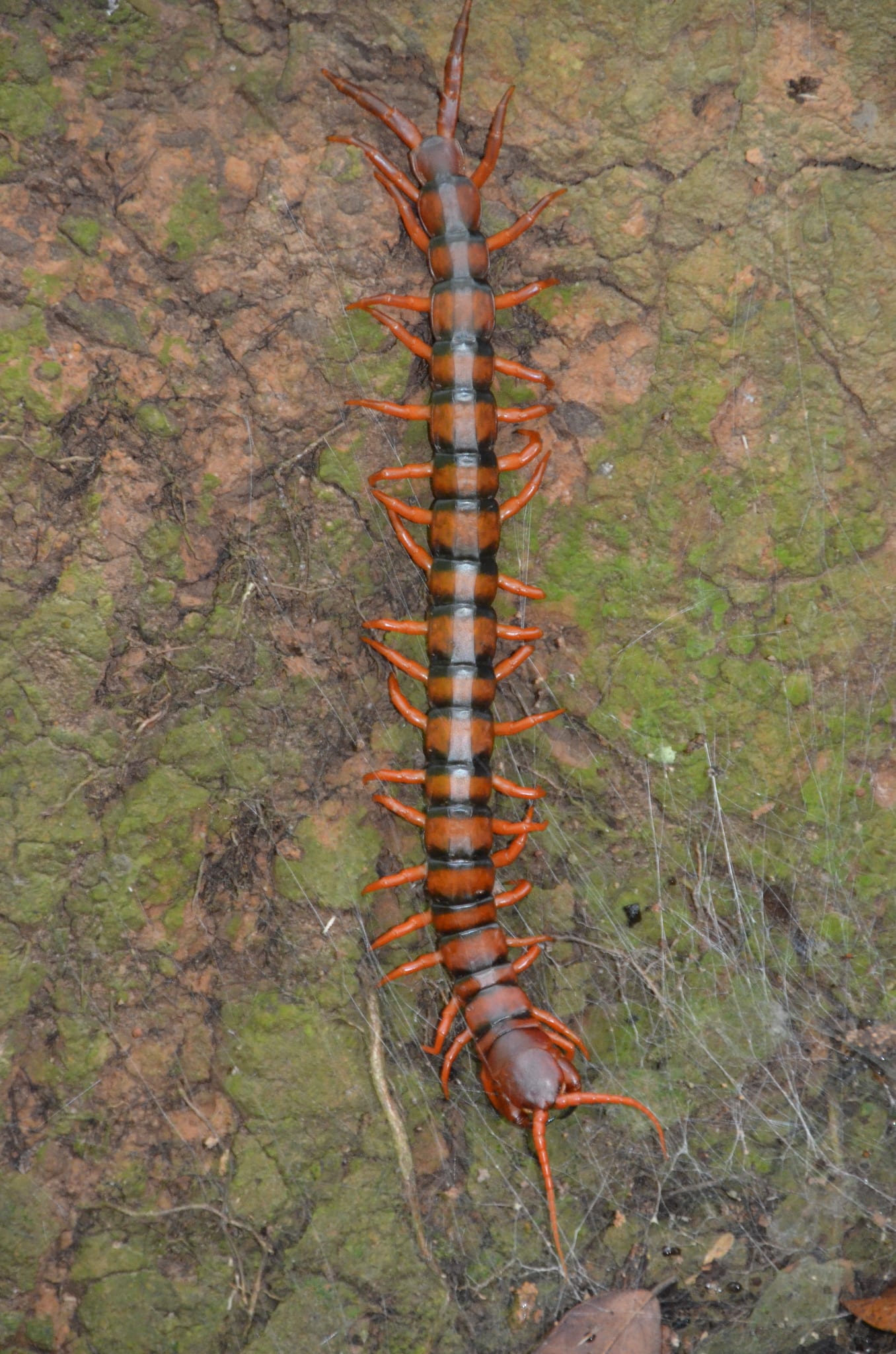
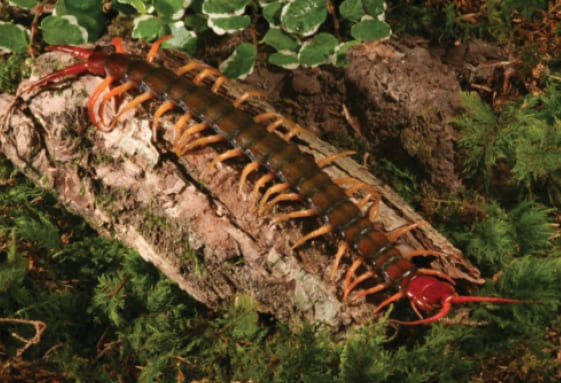
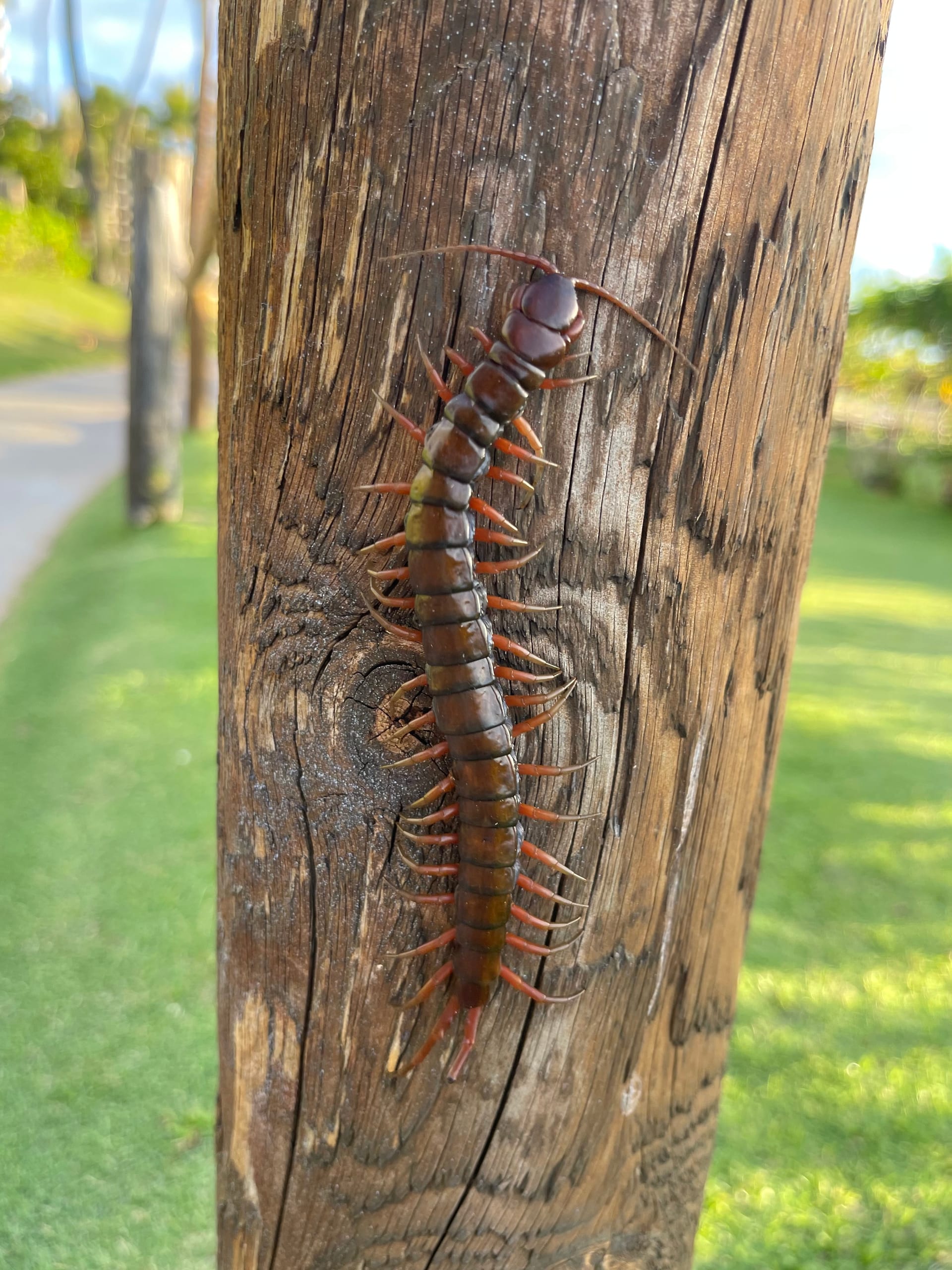
The largest centipede in North America, averaging 17 cm and reaching 20 cm in the wild. The Texas redheaded form with a red head and greenish-black body is famous. Slow-growing, living over a decade. Potent venom; for experienced keepers.
Difficulty
Advanced
Temperature
22〜26℃
Lifespan
Over 10 years
Size
17-20cm
Diet
Crickets, dubia roaches and other insects
About
Scolopendra heros is the largest centipede in North America, ranging from the southwestern United States into northern Mexico. It averages about 17 cm, reaches 20 cm in the wild and grows larger in captivity, with 21 or 23 pairs of legs. Several aposematic colour forms exist; the Arkansas-Texas population with a red head and greenish-black body is known as the Texas redheaded centipede. It lives in the Sonoran and Chihuahuan deserts as well as rocky woodland, staying underground on hot days and surfacing in cloudy weather. A nocturnal hunter, it takes rodents, reptiles and amphibians and can even snatch flying insects. It is slow-growing and can live over a decade. The venom contains serotonin, histamine and haemolytic phospholipase and bites are very painful. Keep at 22-26 C with only one corner of the substrate moist to create a gradient, and fresh water always available. It is an accomplished escape artist, so secure the lid. Mostly wild-caught US stock; supply is limited.
Source: Wikipedia (CC BY-SA 4.0)
Lifespan of the Giant Desert Centipede
The Giant Desert Centipede lives Over 10 years.
Size of the Giant Desert Centipede
The Giant Desert Centipede grows to 17-20cm.
Temperature & humidity for the Giant Desert Centipede
The ideal temperature for the Giant Desert Centipede is 22〜26℃.
Basic Info
Origin
Southwestern USA to northern Mexico (Arizona, New Mexico, Texas, Arkansas)
Care Specifications
AggressiveSolitaryBreeding: Hard
Sources: Cainz magazine: how to keep centipedes / Pets!Pets! keeping centipedes / Bugs In Cyberspace: Giant Desert Centipede / Wikipedia / GBIF
References & Sources
Edited & verified by: BreederDirect editorial team
The taxonomic, regulatory, and husbandry data on this page are compiled and verified against the authoritative primary sources below.
Taxonomy & Authority
Accepted name: Scolopendra heros Girard, 1853
Synonyms: Scolopendra castaneiceps
Authority databases: GBIF
Nomenclature follows global taxonomic authority databases.
Regulations & Conservation Status
Not CITES-listed
Sources: CITES Appendices (species not listed)
Regulations may change. Always verify the latest information with the relevant authorities.
Giant Desert Centipede Listings
Loading latest listingsFind listings for this species