Source: Wikimedia Commons
Red-headed Centipede
AdvancedScolopendra multidens
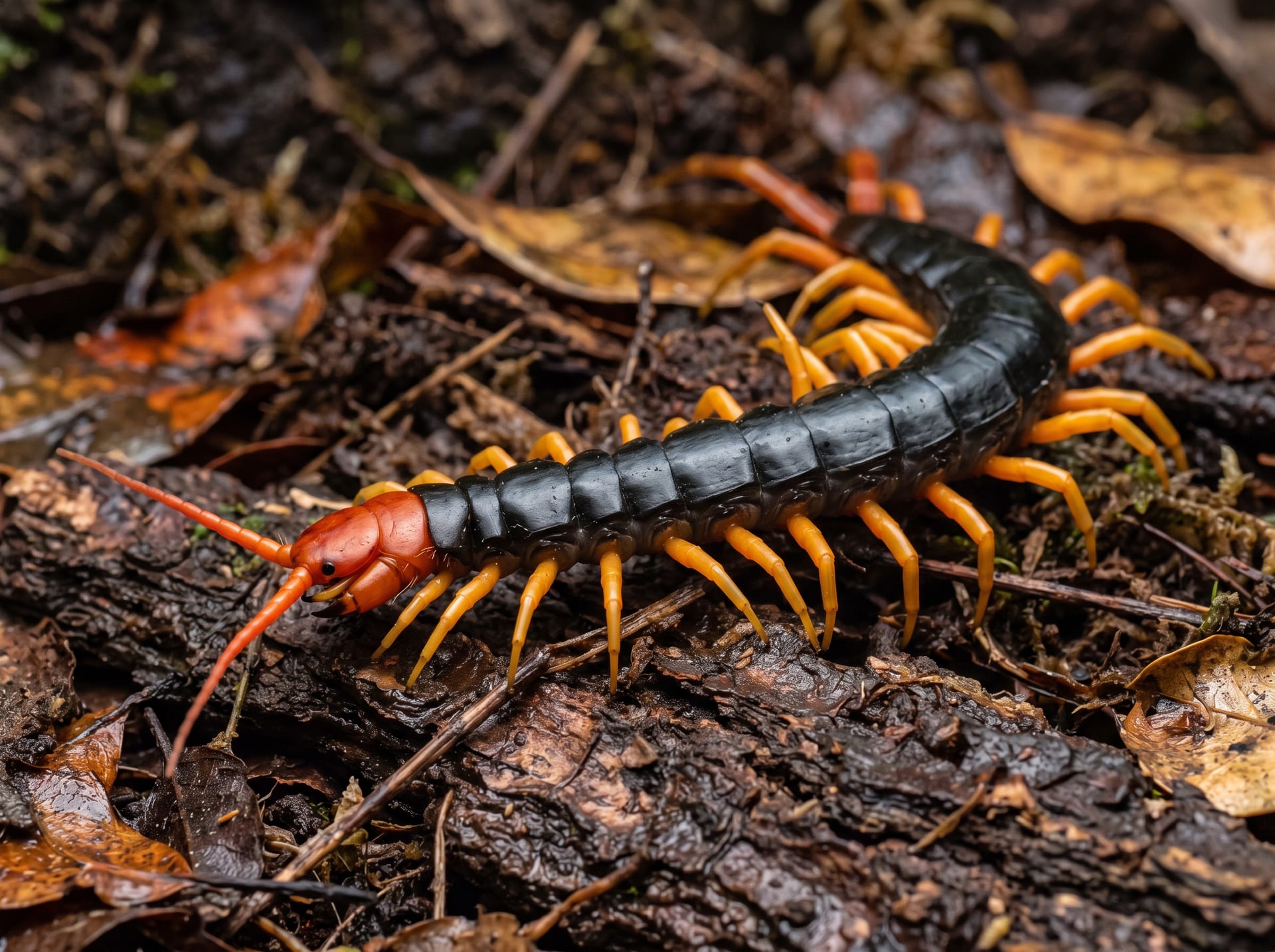
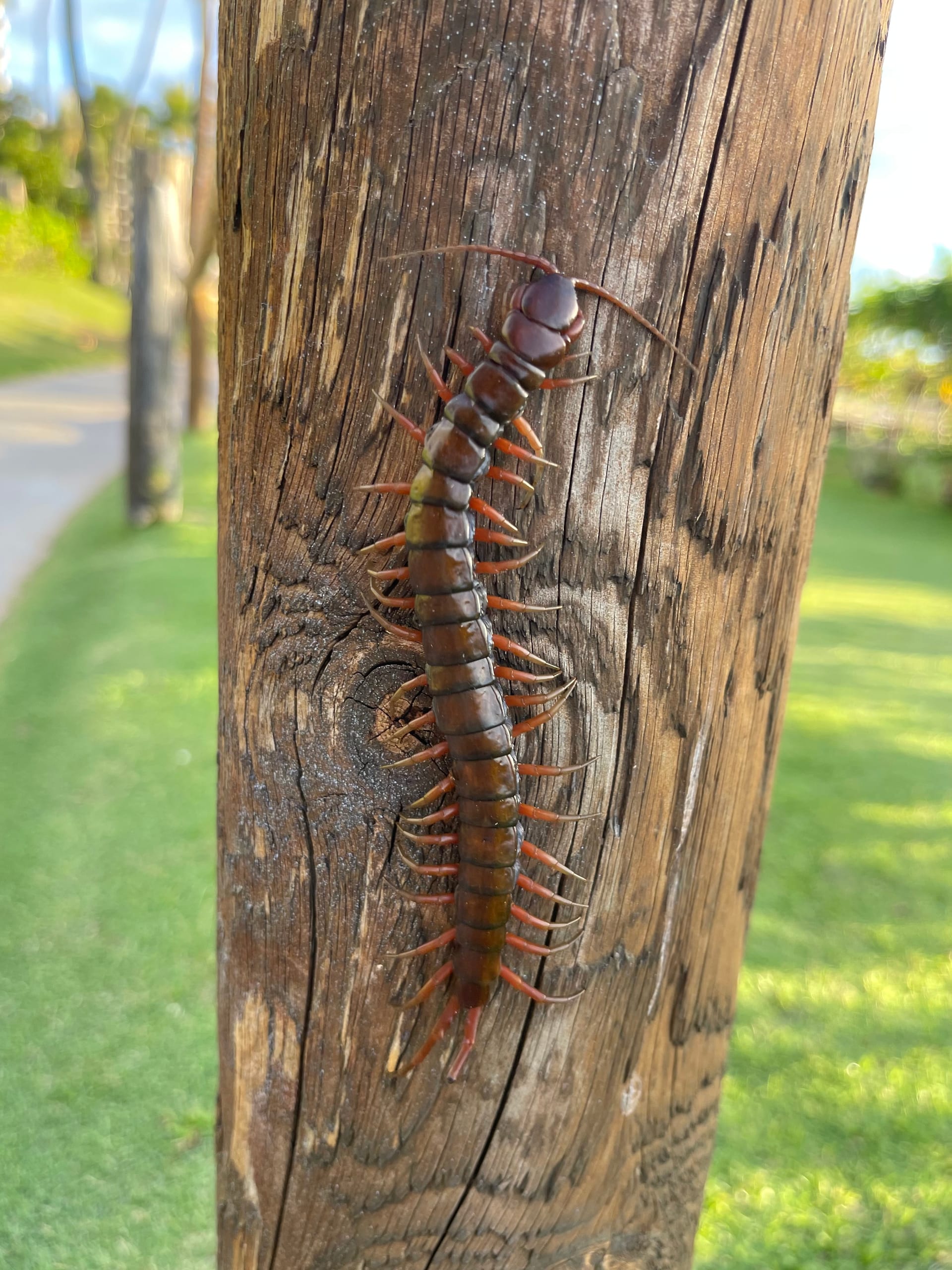
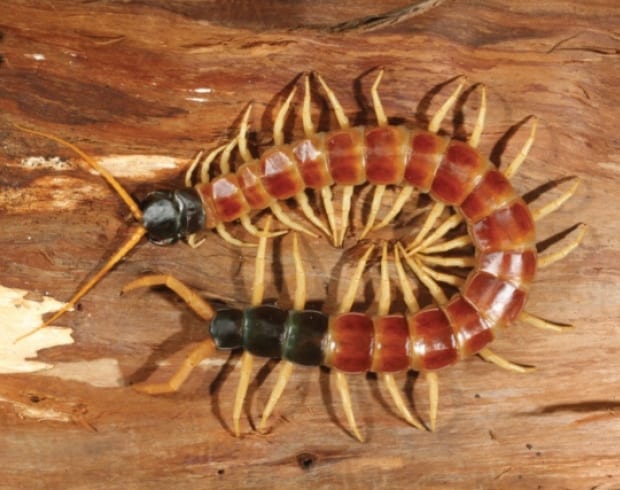
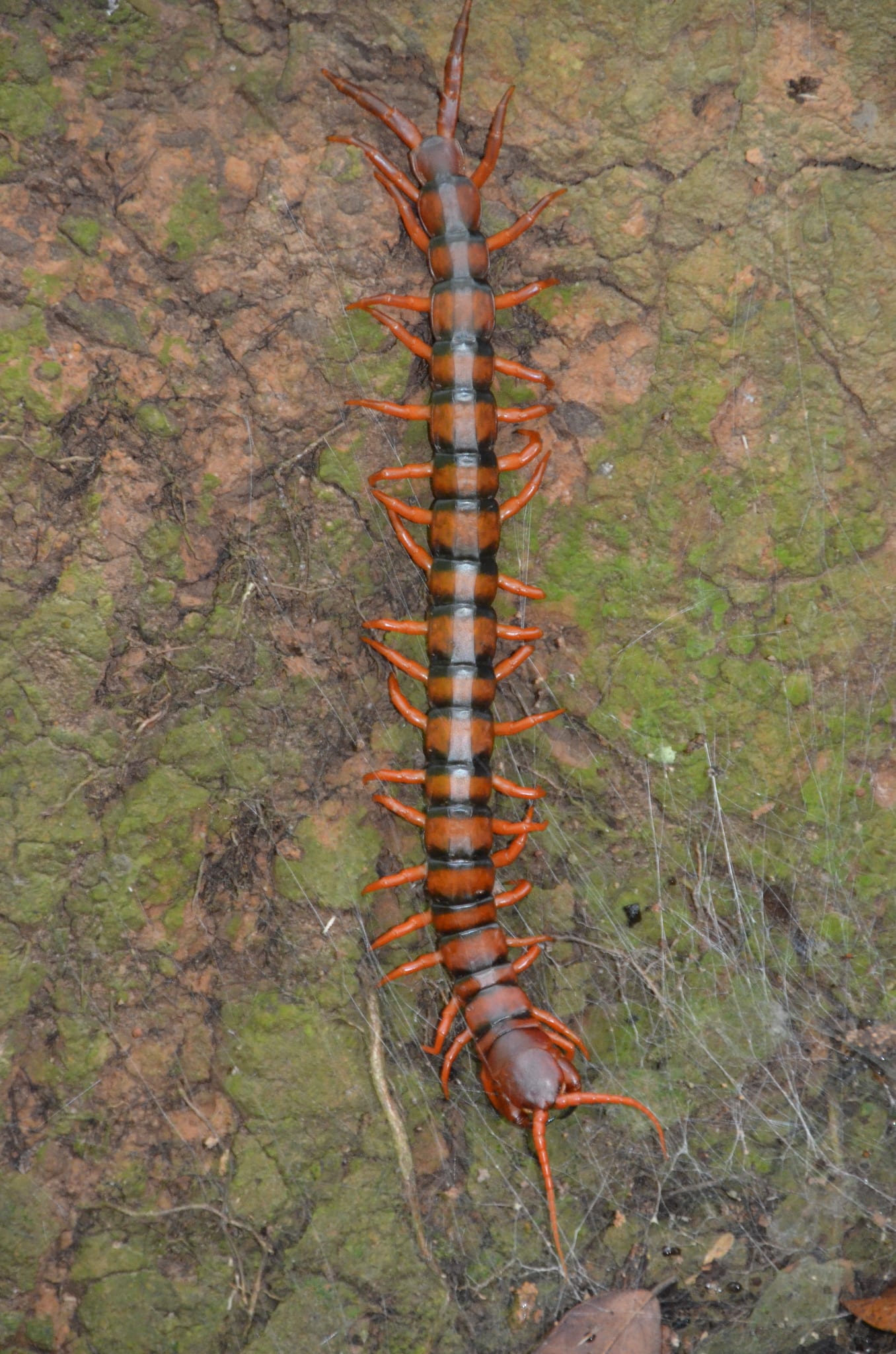
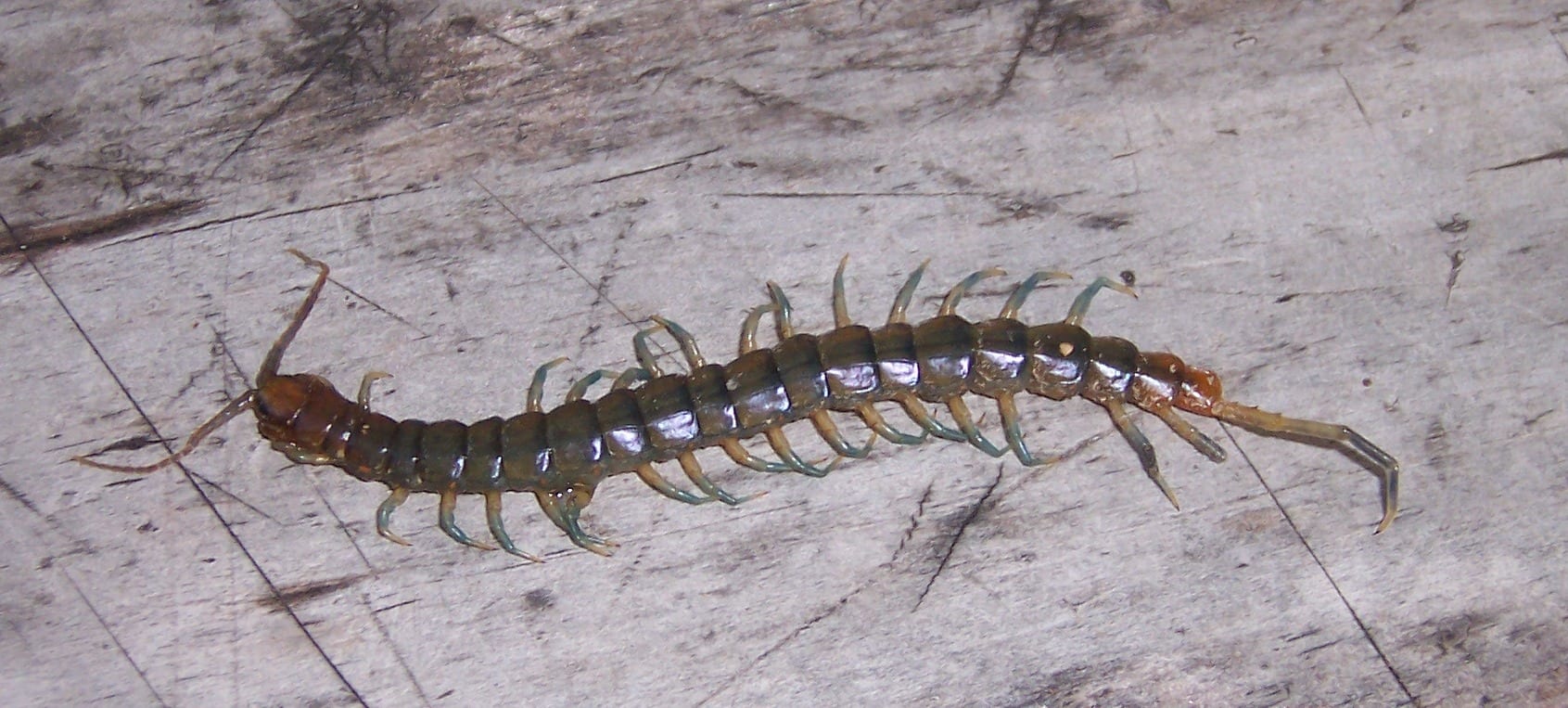
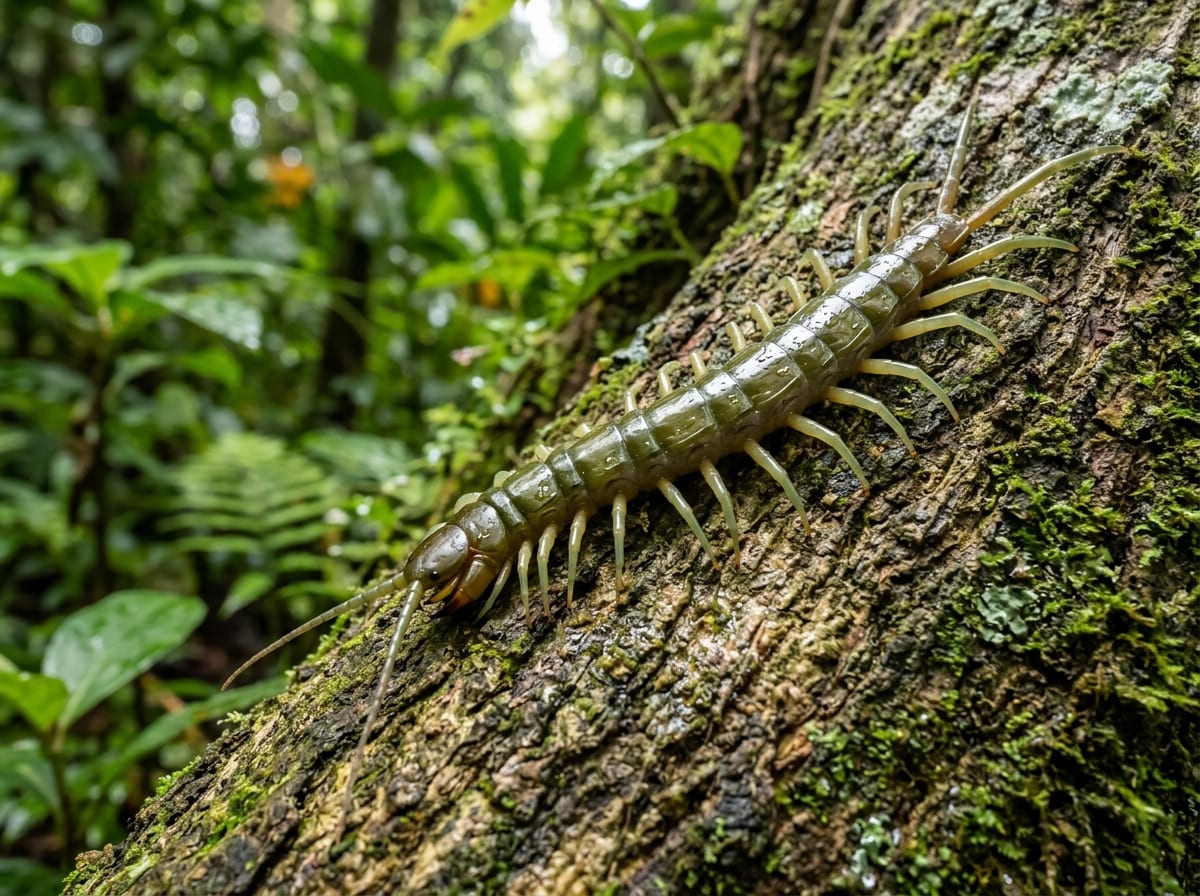
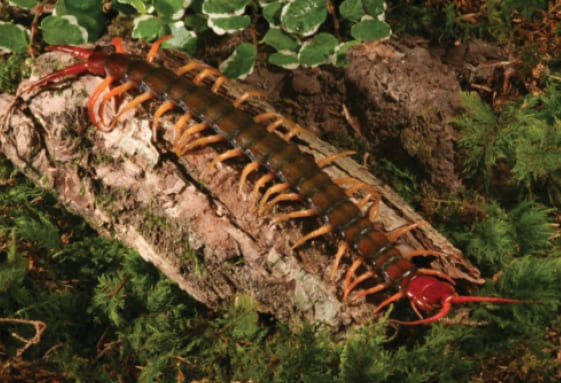
A large centipede from southern China and Southeast Asia. Dark red head, brownish to greenish-brown body and yellow to red legs. Often confused with red-headed S. mutilans but a distinct and larger species.
Difficulty
Advanced
Temperature
26〜28℃
Lifespan
5-8 years
Size
10-20cm
Humidity
60〜80%
Diet
Crickets, dubia and red runner roaches
About
Scolopendra multidens is a large centipede of southern China and Southeast Asia, 10-20 cm long with some sources citing up to 25 cm. The head is dark red, the body brown to greenish-brown and the legs vary from yellow to red; the ultimate legs are thicker than in S. mutilans. Long treated as the subspecies S. subspinipes multidens, it was re-established as a species by Chao (2008) on the absence of male gonopods on the first genital segment, and retained as a species in Kronmüller's 2012 revision. It is not native to Japan, and an 1887 record from Yokohama is unreliable; red-headed S. mutilans are frequently presented as this species, causing confusion. Keep at about 26-28 C with high humidity and deep substrate for a ground-to-burrow lifestyle. It tolerates cool spells but is sensitive to drying. Sexual maturity is reached in about a year. Aggressive and potently venomous, so house singly in a tight-sealing enclosure and never handle.
Source: Wikipedia (CC BY-SA 4.0)
Lifespan of the Red-headed Centipede
The Red-headed Centipede lives 5-8 years.
Size of the Red-headed Centipede
The Red-headed Centipede grows to 10-20cm.
Temperature & humidity for the Red-headed Centipede
The ideal temperature for the Red-headed Centipede is 26〜28℃. Ideal humidity is 60〜80%.
Basic Info
Origin
Southern China (Guangxi, Hainan, Hong Kong), Taiwan, Vietnam, Philippines, Indonesia
Care Specifications
AggressiveSolitaryBreeding: Hard
Sources: Terminal Legs: Scolopendra multidens / Oyodo PMP: husbandry study of Scolopendromorpha / Pets!Pets! Scolopendra multidens / Wikipedia (ja) Scolopendra multidens / Siriwut et al. 2016 ZooKeys / GBIF
References & Sources
Edited & verified by: BreederDirect editorial team
The taxonomic, regulatory, and husbandry data on this page are compiled and verified against the authoritative primary sources below.
Taxonomy & Authority
Accepted name: Scolopendra multidens Newport, 1844
Synonyms: Scolopendra subspinipes multidens, Scolopendra sulcidens
Authority databases: GBIF
Nomenclature follows global taxonomic authority databases.
Regulations & Conservation Status
Not CITES-listed
Sources: CITES Appendices (species not listed)
Regulations may change. Always verify the latest information with the relevant authorities.
Red-headed Centipede Listings
Loading latest listingsFind listings for this species