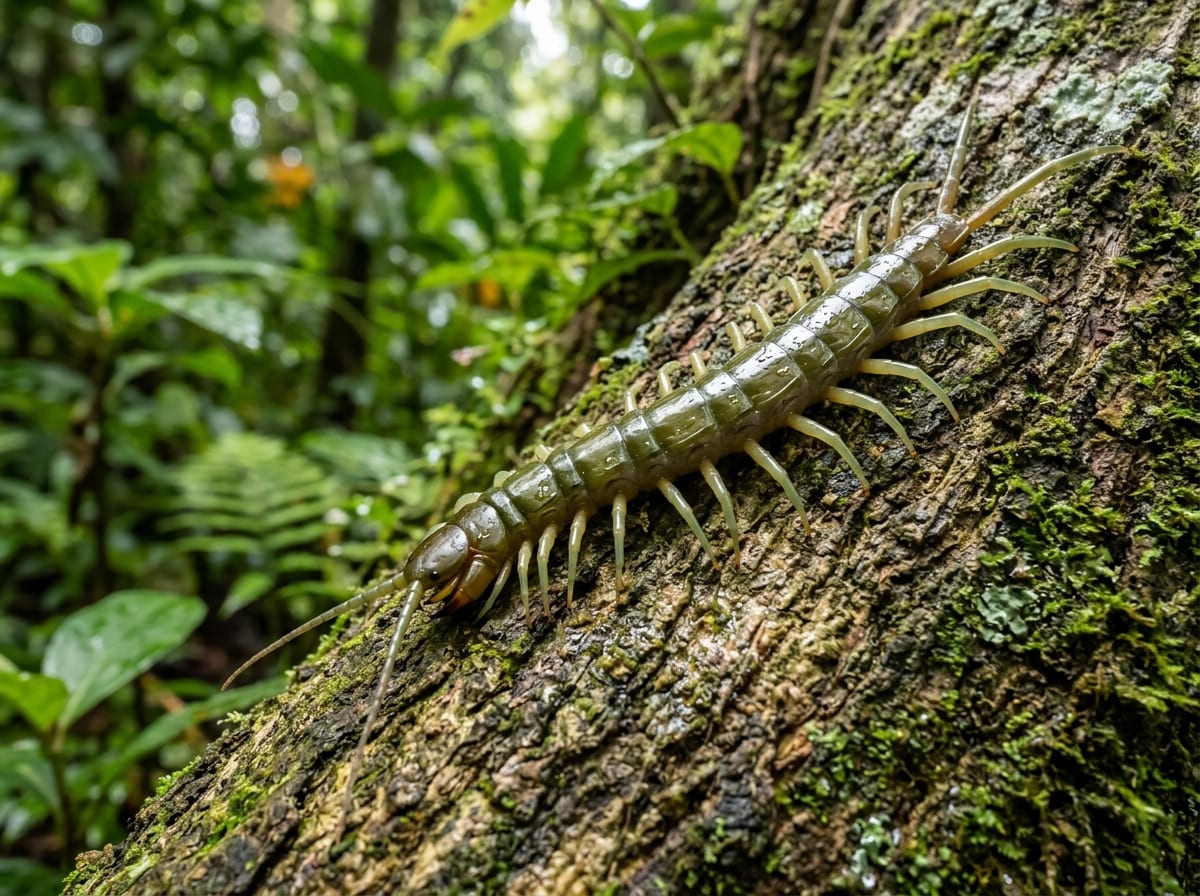
AI-generated image
Luzon green tree centipede
AdvancedScolopendra subcrustalis
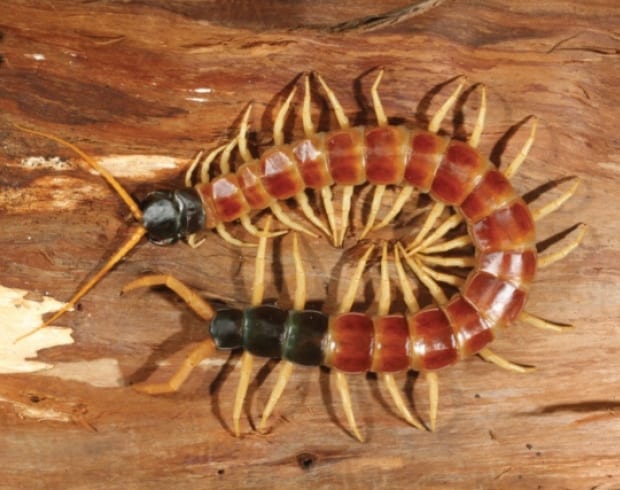
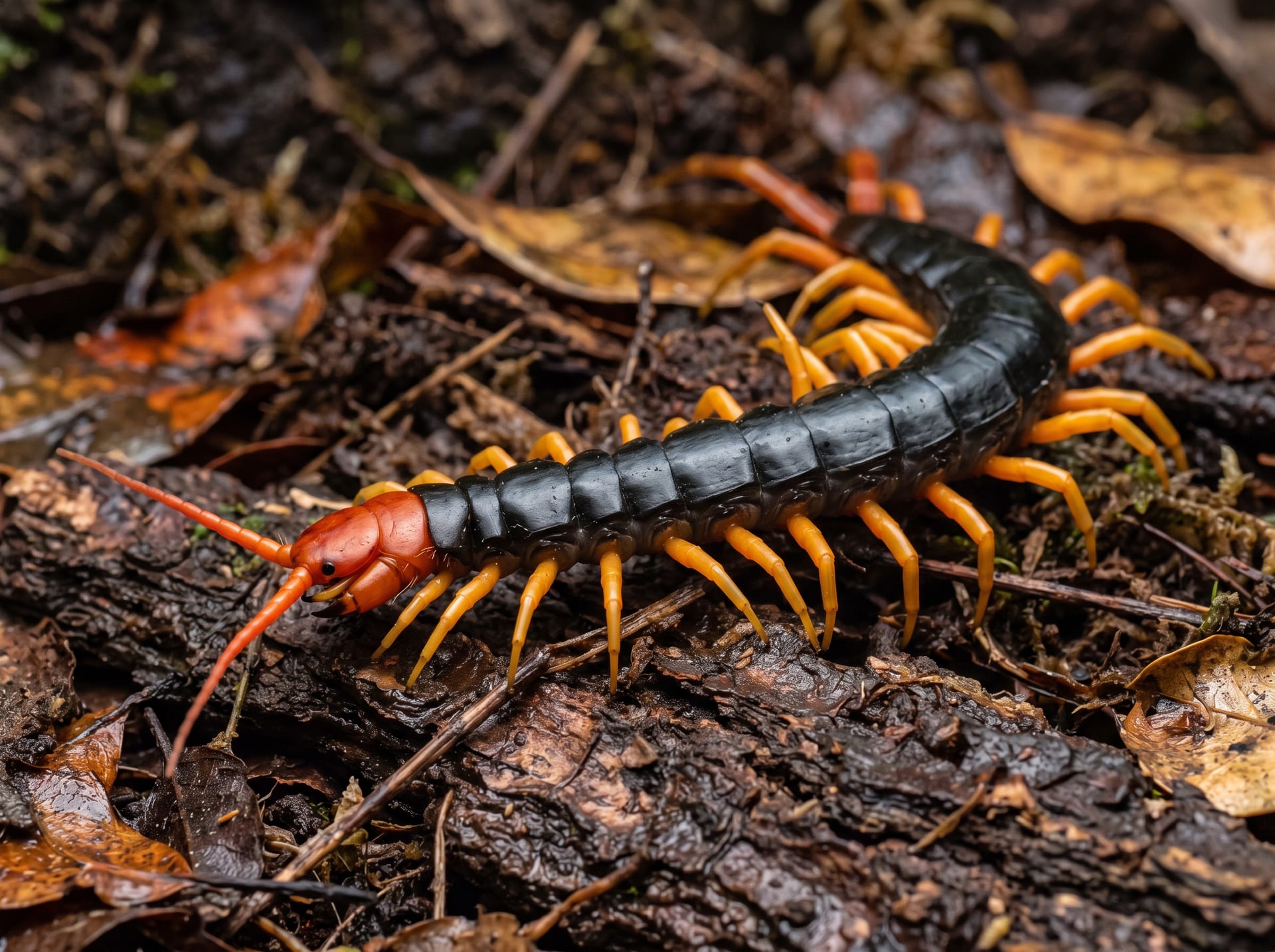
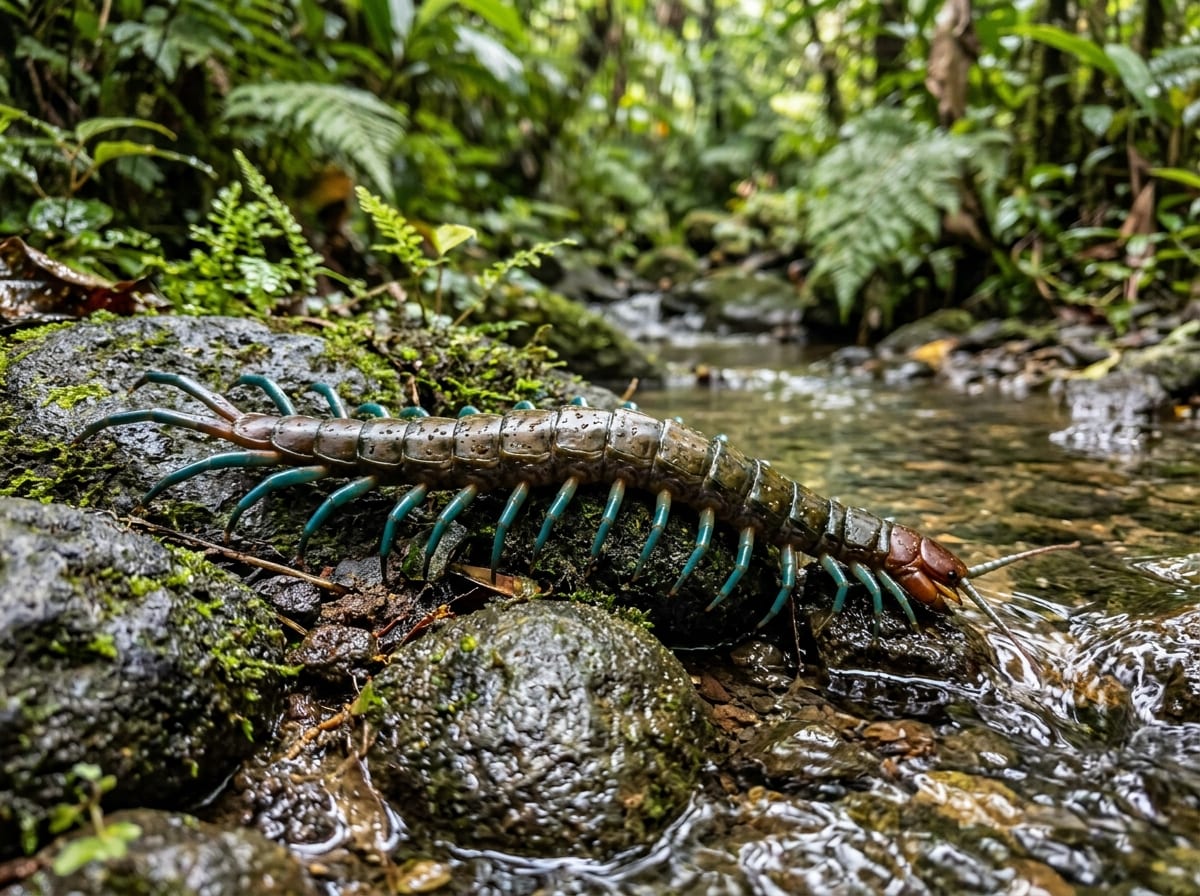
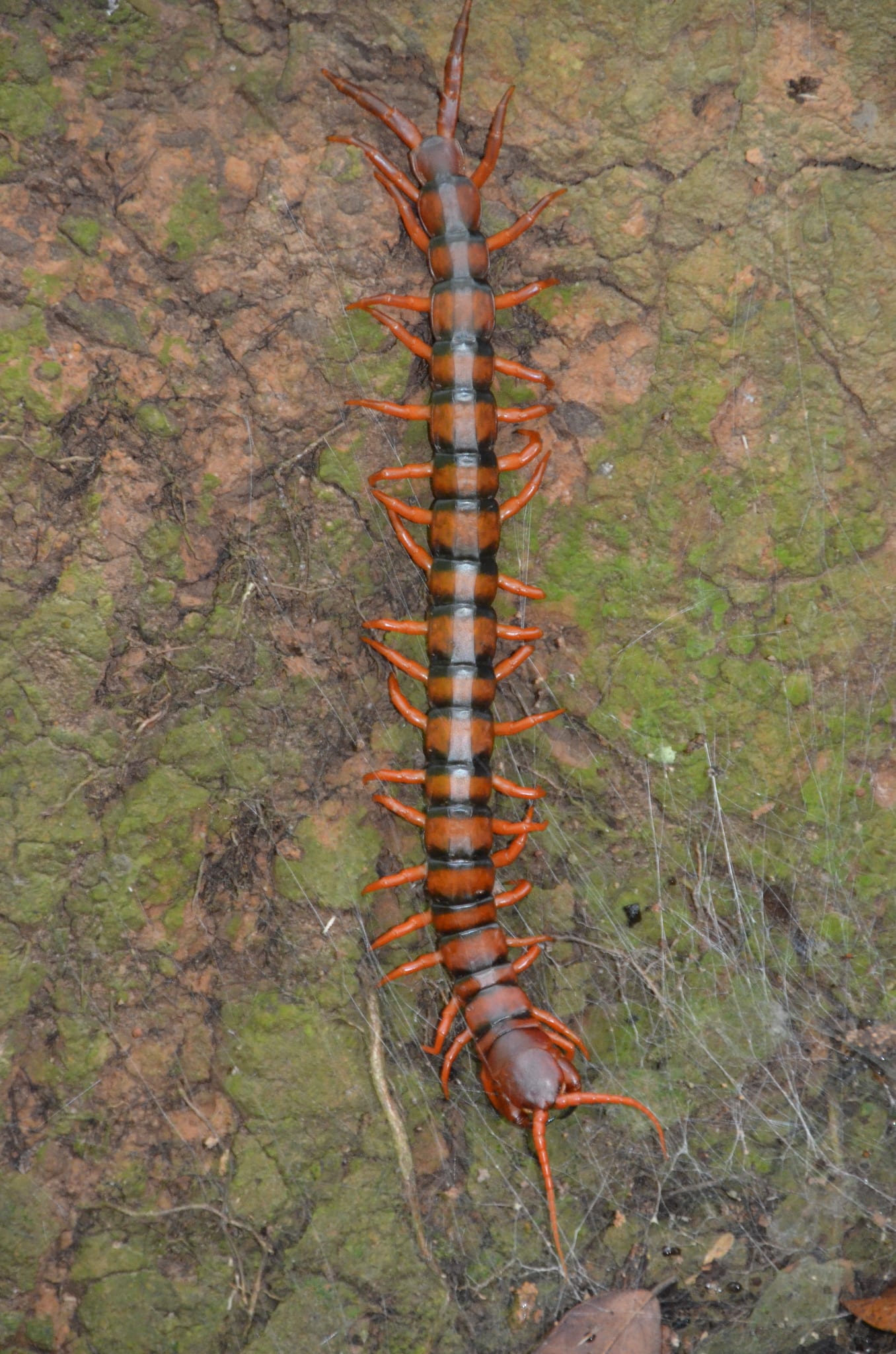
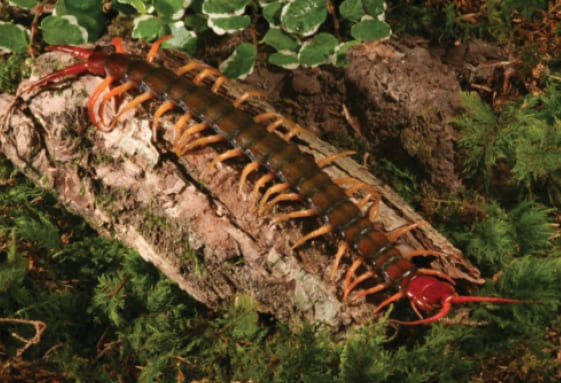
A green-bodied giant centipede from the Philippines. Described in 2009, it is a relatively recent species and its size and ecology are still poorly understood.
Difficulty
Advanced
Diet
Carnivorous (live insects)
About
Scolopendra subcrustalis Kronmüller, 2009 is a giant centipede of the family Scolopendridae, described in 2009 as a new species from the Philippines. Records held by GBIF also come only from the Philippines. As its trade name suggests it is known for its greenish colouring, but its size, habitat and life history are still poorly understood. Scolopendra species are active predators feeding mainly on insects and other invertebrates, and all of them bite with venom delivered through the forcipules. The venom of most species is not considered medically significant, but some cause intense, long-lasting pain and swelling, and a fatality has been reported for a large Asian-Pacific species, so this species should be handled with the same care as other large Scolopendra. Other Philippine species in the trade include S. paradoxa, so check the scientific name and locality rather than relying on the trade name alone. In Japan it appears only occasionally at specialist shops.
Basic Info
Origin
Philippines
Diet
Carnivorous (live insects)
Care Guide
Enclosure
Keep singly with damp substrate, bark for cover and a shallow water dish. Its habitat is poorly understood, so add climbable wood and adjust the setup by watching how it behaves.
Temperature & Humidity
The suitable temperature and humidity for this species are unclear. It is tropical, so avoid winter cold and keep part of the substrate moist.
Diet & Feeding
Live prey such as crickets and roaches sized to the centipede. Remove leftovers promptly.
References & Sources
Edited & verified by: BreederDirect editorial team
The taxonomic, regulatory, and husbandry data on this page are compiled and verified against the authoritative primary sources below.
Taxonomy & Authority
Regulations & Conservation Status
Not CITES-listed
It is not a designated invasive species, an uncategorised alien species or a taxon needing an identification certificate in Japan, and it is not listed by CITES (September 2026). Its bite is painful, so keep it in escape-proof housing and never release captive animals.
Sources: Ministry of the Environment: List of regulated alien species, including taxa needing an identification certificate (JA) / Species+ CITES query (not listed)
Regulations may change. Always verify the latest information with the relevant authorities.
Luzon green tree centipede Listings
Loading latest listingsFind listings for this species