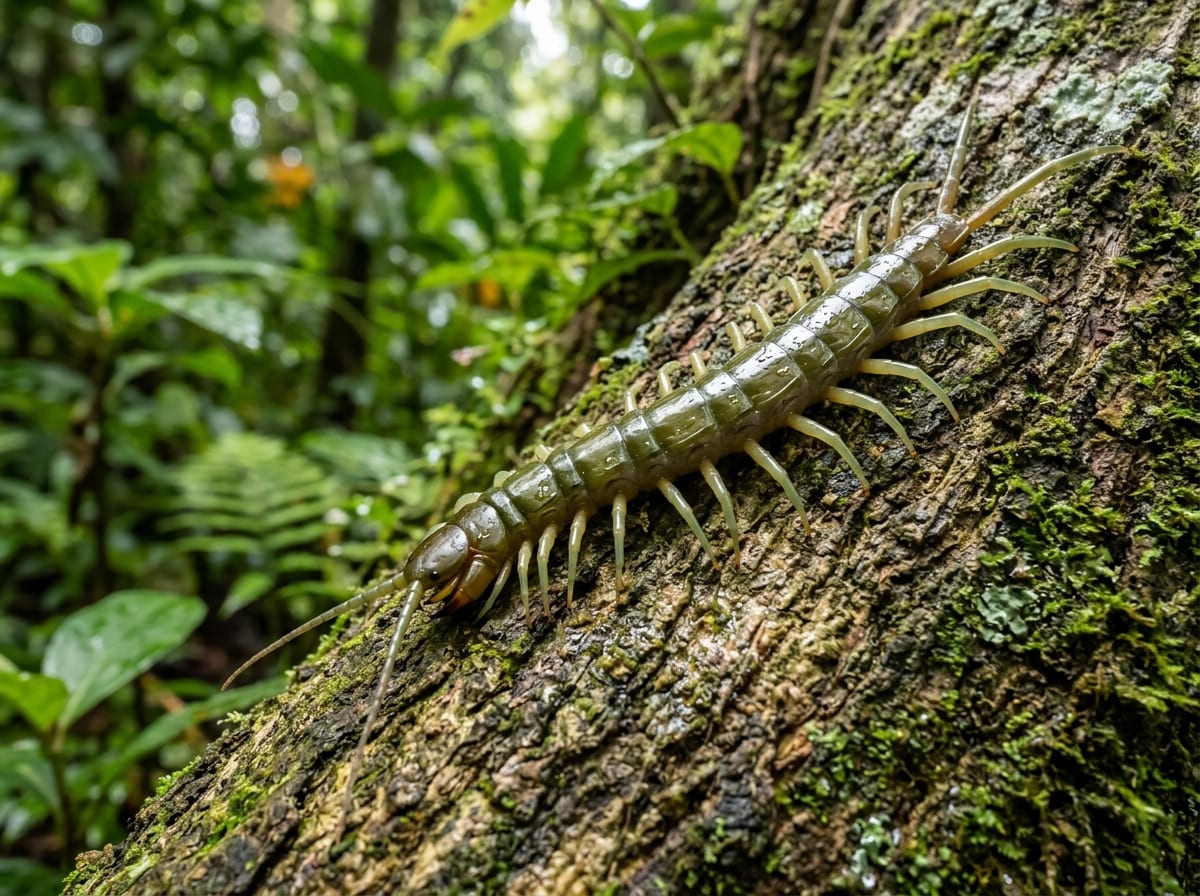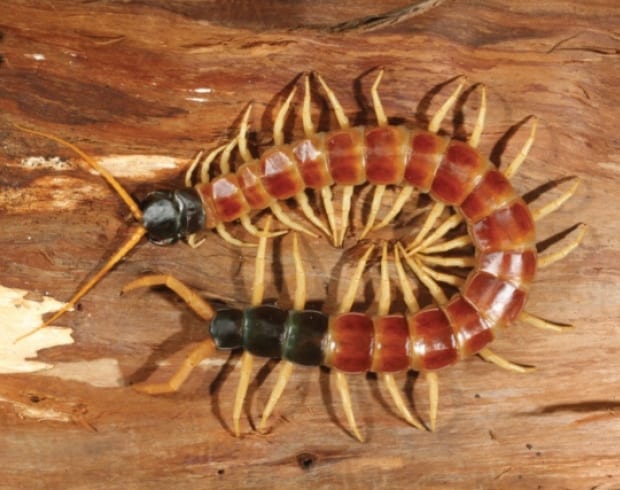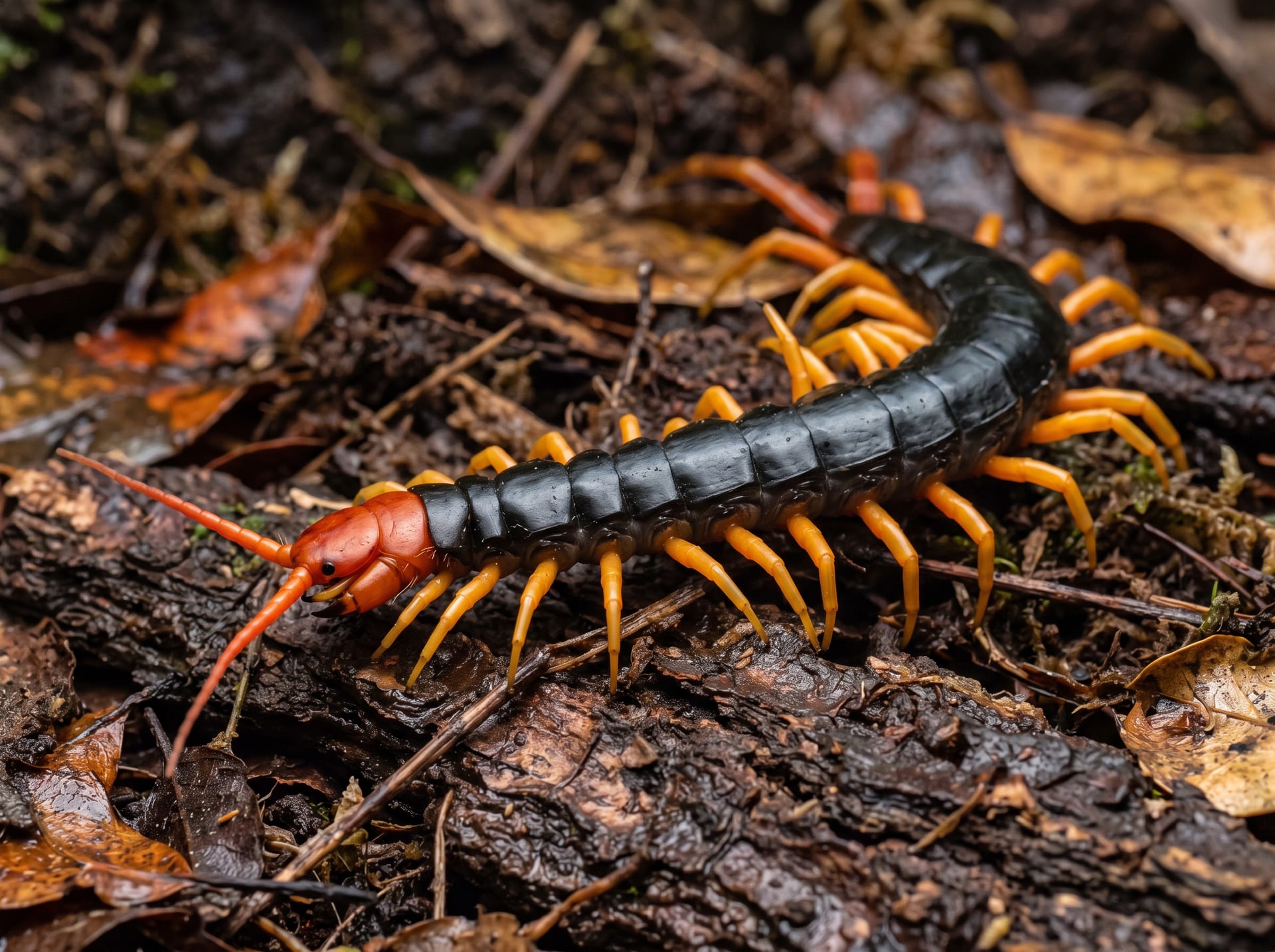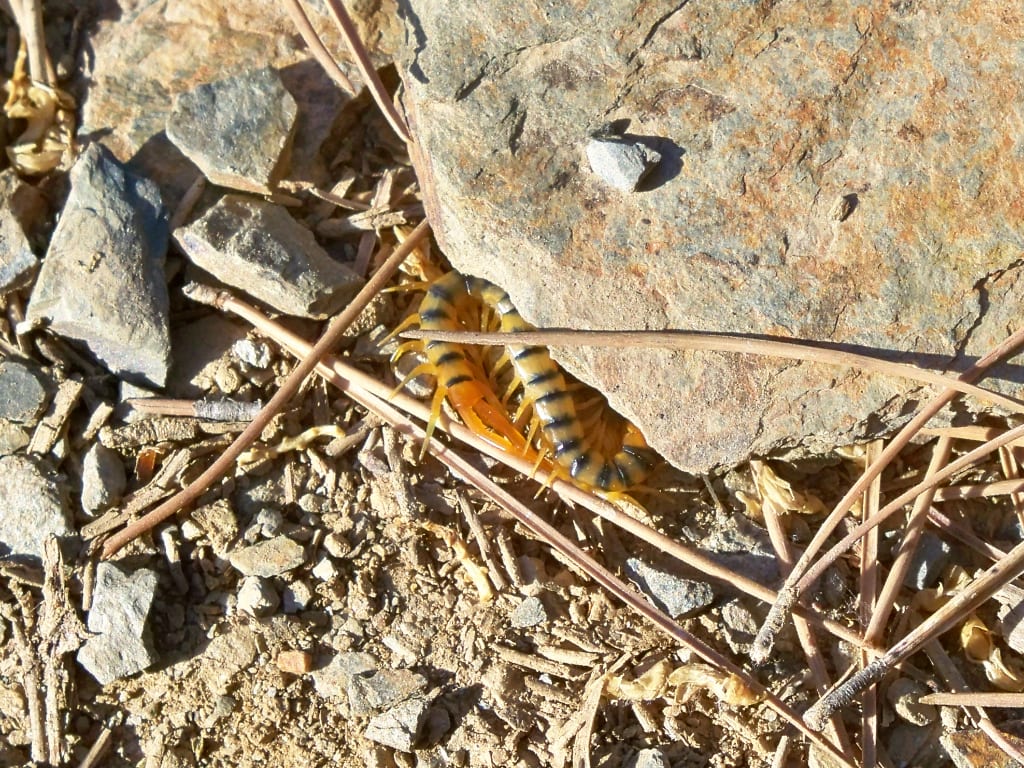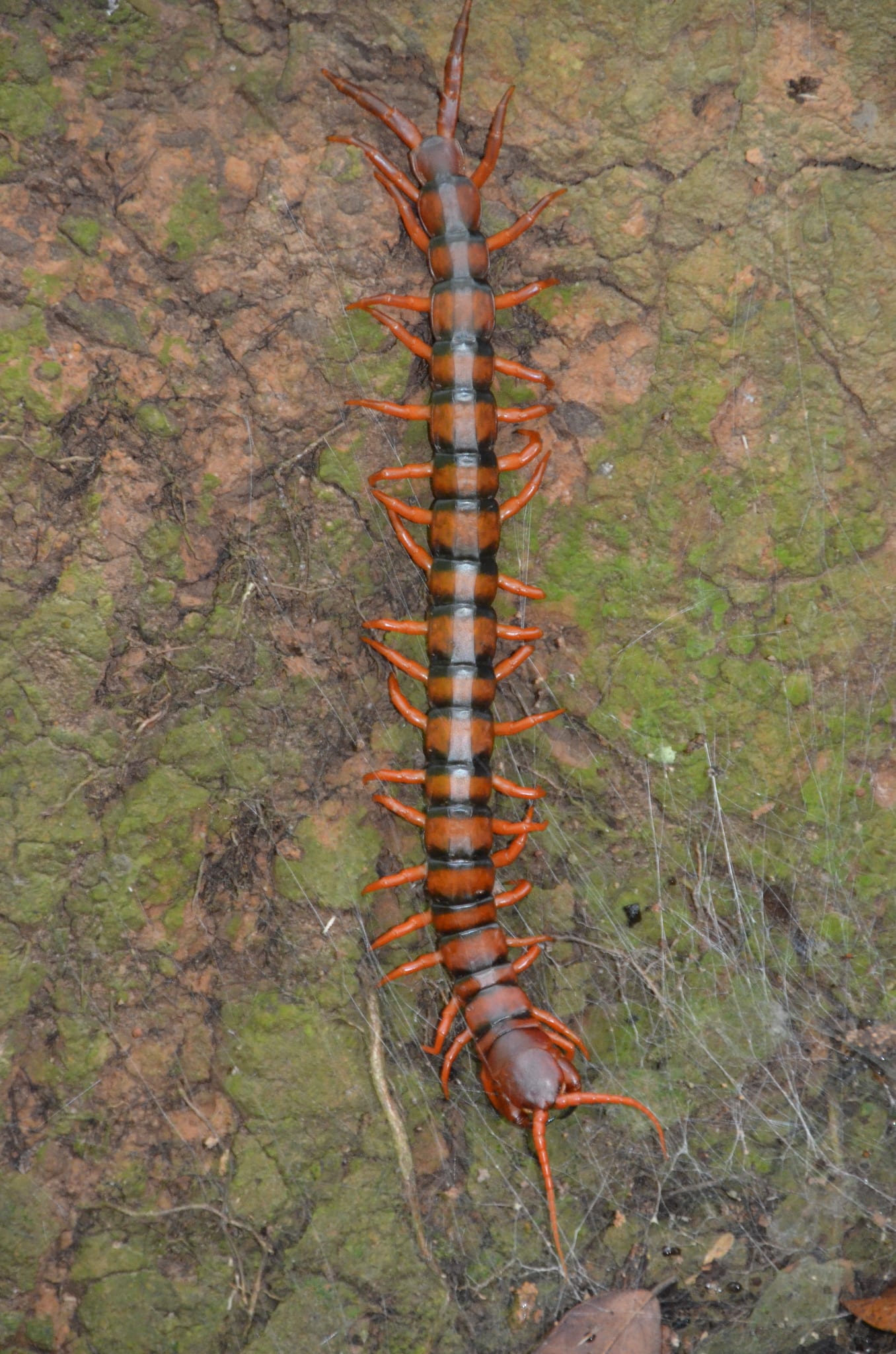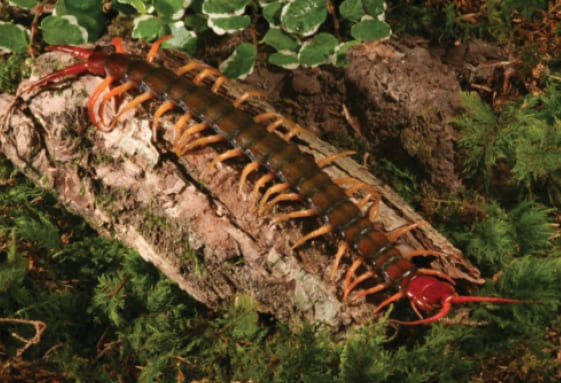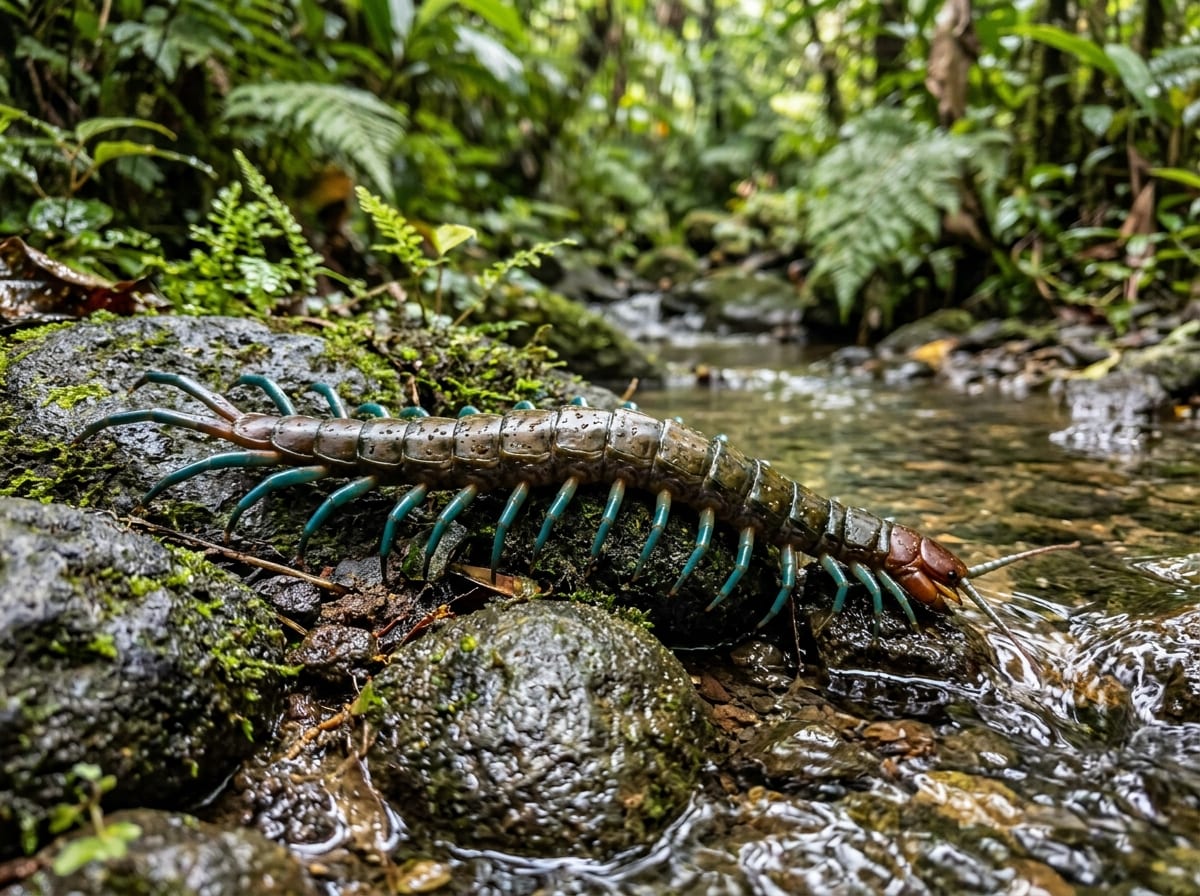
AI-generated image
Luzon blue-leg centipede
AdvancedScolopendra paradoxa
A Philippine endemic giant centipede with striking teal legs. It reaches about 14 cm and is one of the few amphibious centipedes, able to swim and walk underwater.
Difficulty
Advanced
Lifespan
Little data
Size
Body length about 14 cm
Diet
Carnivorous (live insects such as crickets and roaches)
About
Scolopendra paradoxa Doménech, 2018 is a giant centipede of the family Scolopendridae endemic to the Philippines. It was described as a new species in a 2018 molecular study of the Philippine Scolopendra. It grows to about 14 cm and has teal-coloured legs. Together with S. cataracta from Southeast Asia and S. alcyona from the Ryukyu Islands, it is one of the few amphibious centipedes, able to swim and to walk underwater. Scolopendra species are active predators feeding mainly on insects and other invertebrates, and all of them bite with venom delivered through the forcipules. The venom of most species is not considered medically significant, but some cause intense, long-lasting pain and swelling, and a fatality has been reported for a large Asian-Pacific species. Little has been published on the venom of this species in particular, so it should be treated like any other large Scolopendra. In Japan, specialist shops occasionally offer animals labelled with locality or form names such as 'Highland', 'Lowland' and 'Green band', as well as captive-bred young.
Source: Wikipedia (CC BY-SA 4.0)
Size of the Luzon blue-leg centipede
The Luzon blue-leg centipede grows to Body length about 14 cm.
Basic Info
Origin
Philippines (endemic)
Lifespan
Little data
Size
Body length about 14 cm
Diet
Carnivorous (live insects such as crickets and roaches)
References & Sources
Edited & verified by: BreederDirect editorial team
The taxonomic, regulatory, and husbandry data on this page are compiled and verified against the authoritative primary sources below.
Primary sources
- Wikipedia
- Ministry of the Environment: List of regulated alien species, including taxa needing an identification certificate (JA)
- Species+ CITES query (not listed)
- Wikipedia: Scolopendra (venom and ecology)
- Doménech et al. (2018) Zootaxa 4483 (original description)
- GBIF: Scolopendra paradoxa Doménech, 2018
Taxonomy & Authority
Accepted name: Scolopendra paradoxa Doménech, 2018
Authority databases: GBIF · GBIF · Zootaxa 4483 (2018)
Nomenclature follows global taxonomic authority databases.
Regulations & Conservation Status
Not CITES-listed
It is not a designated invasive species, an uncategorised alien species or a taxon needing an identification certificate in Japan, and it is not listed by CITES (September 2026). Its bite is painful, so keep it in escape-proof housing and never release captive animals.
Sources: Ministry of the Environment: List of regulated alien species, including taxa needing an identification certificate (JA) / Species+ CITES query (not listed)
Regulations may change. Always verify the latest information with the relevant authorities.
Luzon blue-leg centipede Listings
Loading latest listingsFind listings for this species