Electric Blue Acara Care Guide | Color Vibrancy, Breeding, and Tank Mates
Learn how to care for Electric Blue Acaras, known for their brilliant electric blue coloration. This guide covers water parameters, temperature, lighting, and food selection for optimal color expression, breeding processes from pair formation through fry rearing, and cichlid tank mate compatibility.
Key Takeaways
Learn how to care for Electric Blue Acaras, known for their brilliant electric blue coloration. This guide covers water parameters, temperature, lighting, and food selection for optimal color expression, breeding processes from pair formation through fry rearing, and cichlid tank mate compatibility.
Related Species
Electric Blue Acara Overview
The Electric Blue Acara (EBA) is a cichlid species native to South America and a selectively bred variant of the Andinoacara genus. The stunning electric blue that covers its entire body is the origin of its name, and it is sometimes called "the bluest freshwater fish" among tropical aquarium species.
Basic Specifications
- Size: 12–17 cm
- Lifespan: 6–10 years
- Origin: Selectively bred or hybrid variety of Blue Acara (Andinoacara pulcher)
- Care difficulty: Beginner to intermediate (relatively peaceful for a cichlid)
- Water temperature: 24–28°C
- pH: 6.5–7.5
Why They're Popular
- An remarkably vivid blue coloration you wouldn't expect in a freshwater fish
- Relatively peaceful compared to other cichlids, making tank mate compatibility easier
- Breed readily in aquariums, making breeding behavior enjoyable to observe
- When paired, they display strong bonding and parental behaviors worth watching
- Fascinating to observe parental care and fry protection
Setting Up Your Tank
Tank Size
Electric Blue Acaras reach 12–17 cm as adults and are classified as medium-sized cichlids.
- Single pair (2 fish): 60 cm tank (60×30×36 cm) or larger
- Multiple fish/community setup: 90 cm or larger recommended
- For breeding: 60–75 cm is most manageable
Water Parameters
| Parameter | Recommended Range |
|---|---|
| Temperature | 24–28°C |
| pH | 6.5–7.5 |
| Hardness | 5–15 GH (soft to moderately hard) |
| Ammonia | 0 mg/L |
| Nitrite | 0 mg/L |
| Nitrate | Below 40 mg/L |
Maintain water stability with aeration and ensure adequate filtration using an external canister filter or hang-on-back filter.
Substrate and Aquascaping
Electric Blue Acaras exhibit digging behavior.
- Substrate: Fine sand (2 mm or smaller) or smooth gravel
- Driftwood and rocks: Create territory boundaries and hiding spots
- Live plants: These fish will uproot planted vegetation, so use heavy weights or attach plants to driftwood/rocks (Anubias and Microsorum ferns work well)
For breeding setup: Provide flat stones, driftwood bases, or slate to encourage spawning.
Lighting
No special requirements. Standard LED aquarium lighting is sufficient. They prefer slightly subdued lighting rather than intense illumination.
Enhancing Color Vibrancy
The "blue" coloration in Electric Blue Acaras is heavily influenced by environment and health status.
Conditions for Optimal Coloration
- Maintain proper temperature (26–28°C): Low temperatures cause dull, faded coloring
- Stable pH around 7.0: Acidic or alkaline shifts reduce color intensity
- Nutritionally balanced diet: Foods containing astaxanthin enhance coloration
- Stress-free environment: Aggressive tank mates cause stress-induced color loss
- Dark substrate and background: Bright sand and white backgrounds make colors appear washed out (protective coloration effect)
Feeding
Food Types
Electric Blue Acaras are omnivorous and will eat any appropriately-sized food.
Cichlid pellets (recommended staple): Quality brands like Tetra Cichlid offer balanced nutrition.
Frozen bloodworms: Highly palatable; offer 1–2 times weekly as a treat.
Frozen brine shrimp: Ideal for conditioning during breeding and for fry rearing.
Live foods (crickets, mealworms): Eaten if accidentally introduced; not necessary as a regular diet.
Feeding Schedule
- Adults: Twice daily. Offer only what they consume in 3–5 minutes
- Remove uneaten food within 30 minutes: Prevents water quality degradation
- Fasting (1–2 days weekly): Allows digestive rest and helps maintain water quality
Breeding Observations
Electric Blue Acaras breed readily in captivity and are popular with beginner to intermediate aquarists interested in breeding.
Pairing
Male and female pairs typically form naturally when mature individuals are kept together in adequate space.
Sexual Dimorphism
- Male: Larger body, rounded forehead, elongated fins
- Female: Slightly smaller, rounder body shape, enlarged abdomen when ready to spawn
Spawning Through Fry Rearing
Spawning site preparation: They typically select flat rocks, slate, or plant pot bottoms as spawning sites.
Egg care and hatching:
- Both parents jointly guard the laid eggs (fanning and cleaning behavior)
- Parents remove unfertilized eggs (which would develop fungus)
- Eggs hatch in 2–3 days at 28°C
Fry rearing:
- Fry carry yolk sacs for 2–3 days after hatching before becoming free-swimming
- Once free-swimming, begin feeding
- First foods: Brine shrimp nauplii and commercial fry powder
- Parents exhibit protective behavior and guide the fry school for several weeks
Breeding precautions: Breeding pairs become highly aggressive toward other fish. Use a separate breeding tank or isolate vulnerable fish.
Tank Mate Compatibility
While relatively peaceful for cichlids, Electric Blue Acaras become aggressive during breeding and spawning.
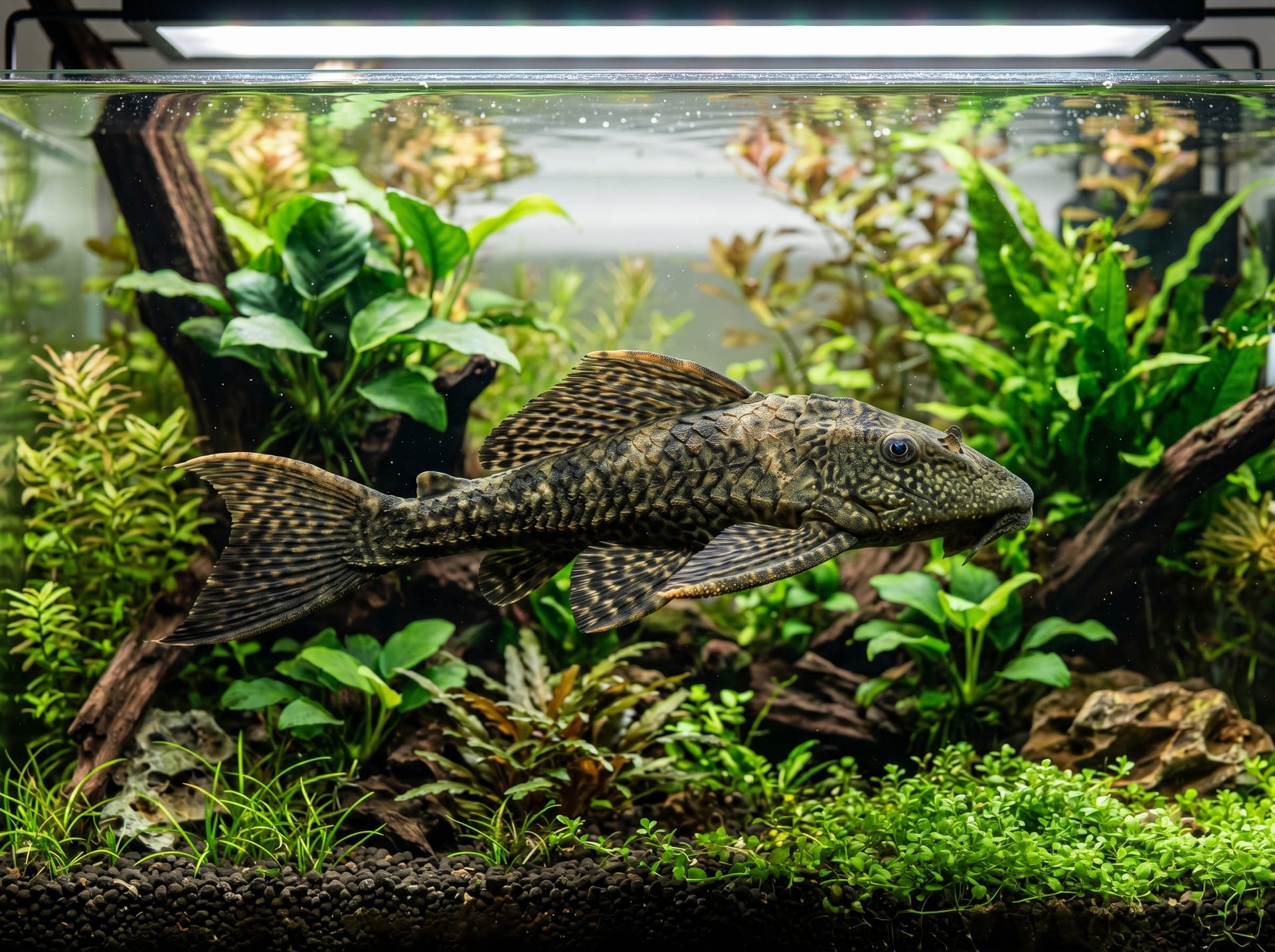
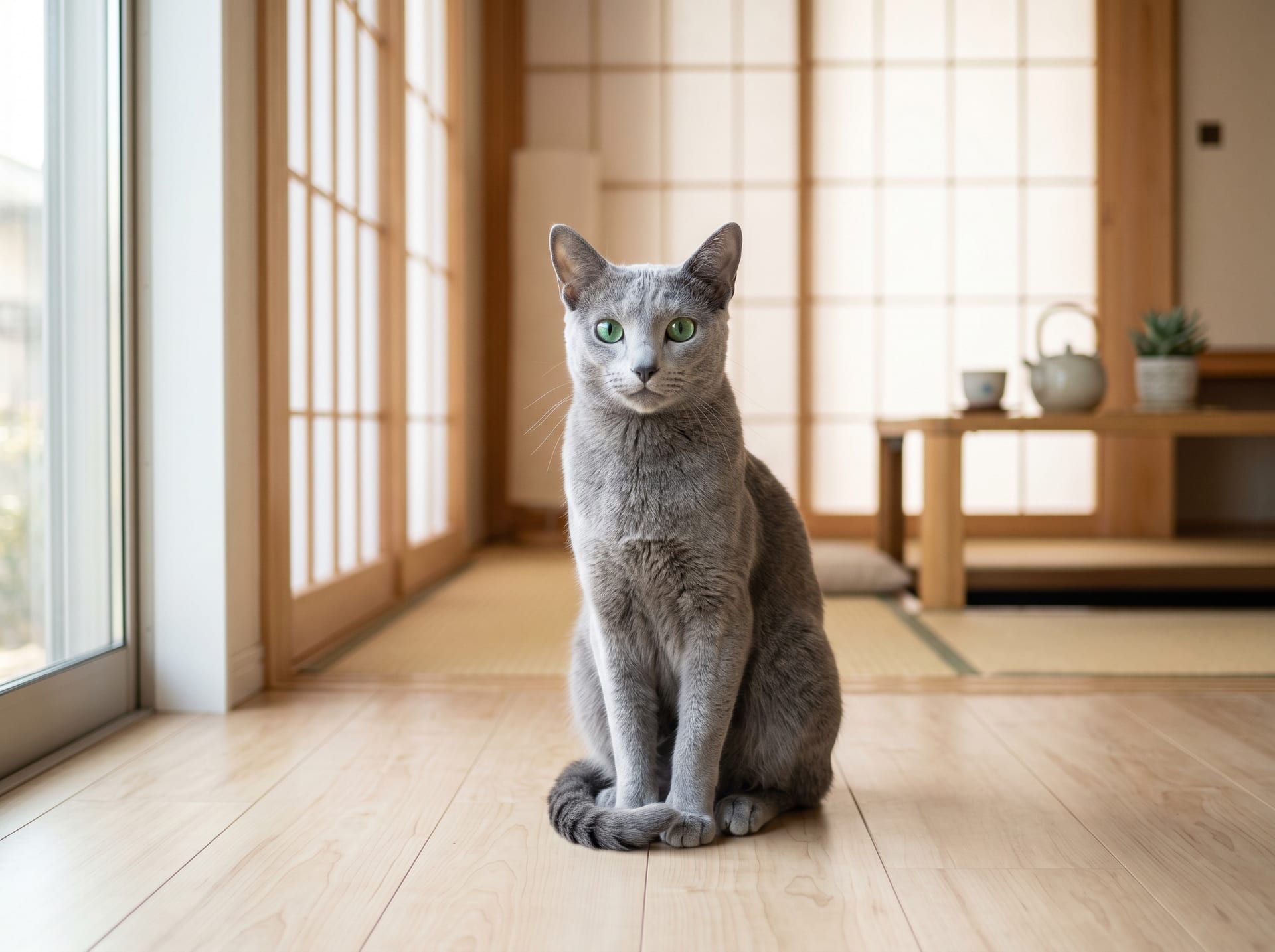
Compatible tank mates: Russian Blue Acaras, dwarf cichlids, plecos, large tetras (like Black Skirt Tetras)
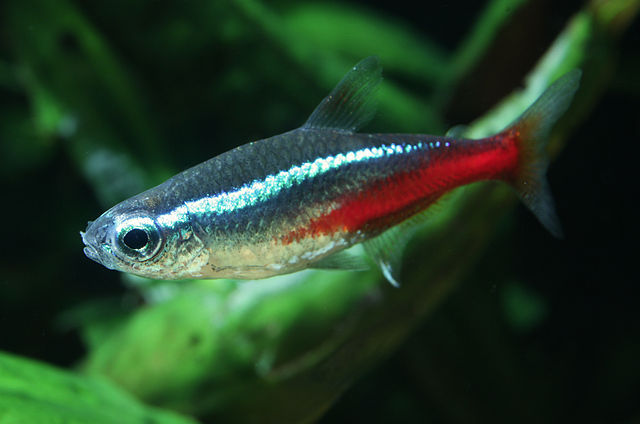
Incompatible species: Small, timid fish (neon tetras), highly aggressive large cichlids, nano fish (mistaken for fry and eaten)
Common Diseases
Hole-in-the-head disease (Hexamita): A protozoan infection common in cichlids. Causes holes on the head and lateral line. Early detection and treatment with metronidazole are effective.
Ich (white spot disease): Likely during acclimation or temperature fluctuations. Gradually raise temperature to 30°C (1–2°C per day) and treat with commercial ich medication.
Aeromonas infection: Characterized by hemorrhaging on the body, raised scales, and protruding eyes. Caused primarily by poor water quality. Isolate affected fish, perform water changes, and administer antibiotics if needed.
With proper care, Electric Blue Acaras thrive in home aquariums and reward keepers with the joys of witnessing breeding behavior and parental care—one of the most rewarding aspects of tropical fish keeping.