Source: Wikimedia Commons
Megarian Banded Centipede
IntermediateScolopendra cingulata
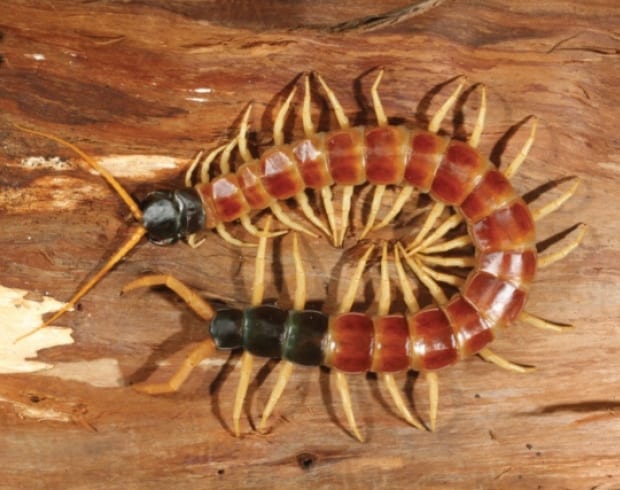
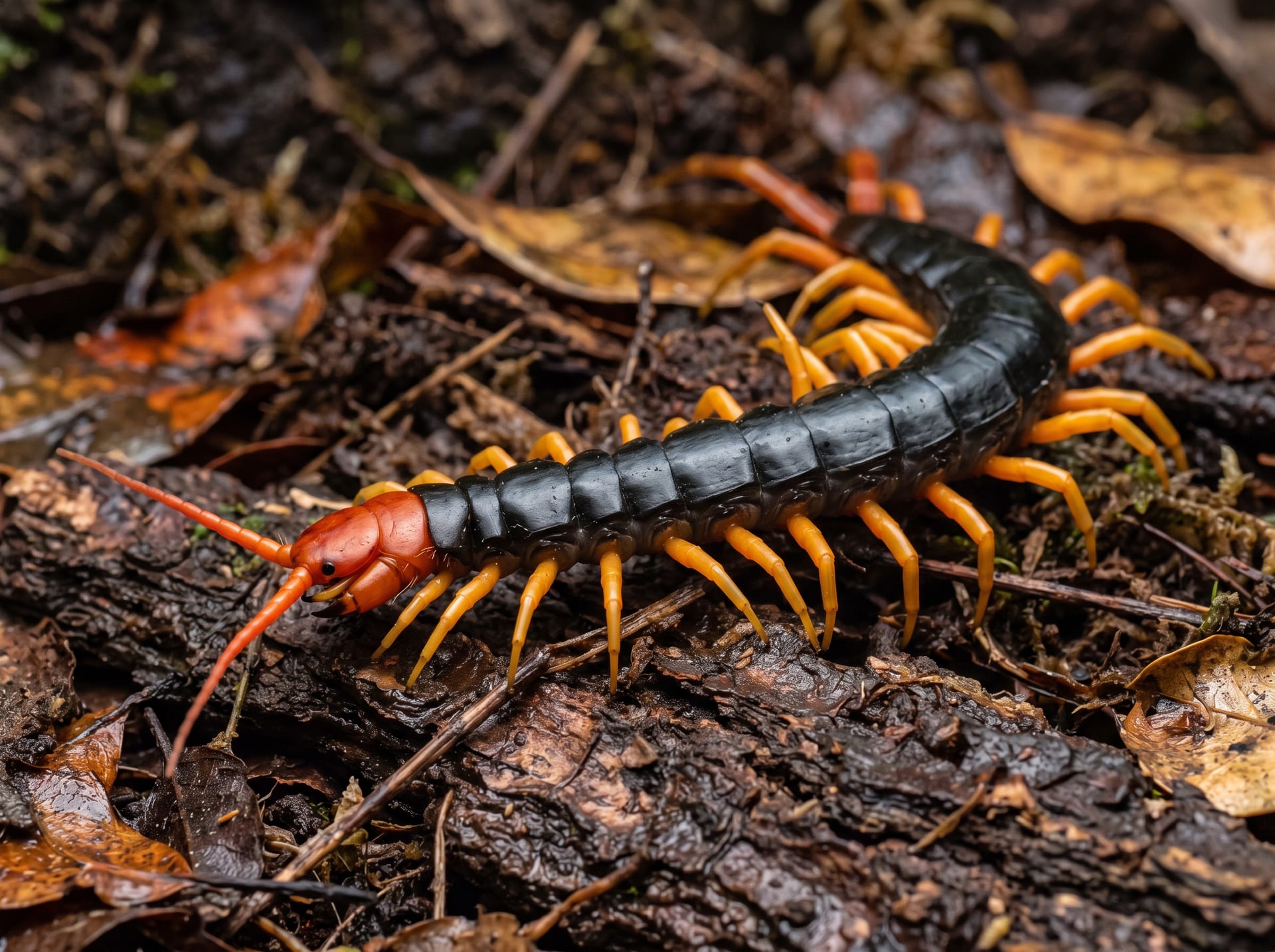
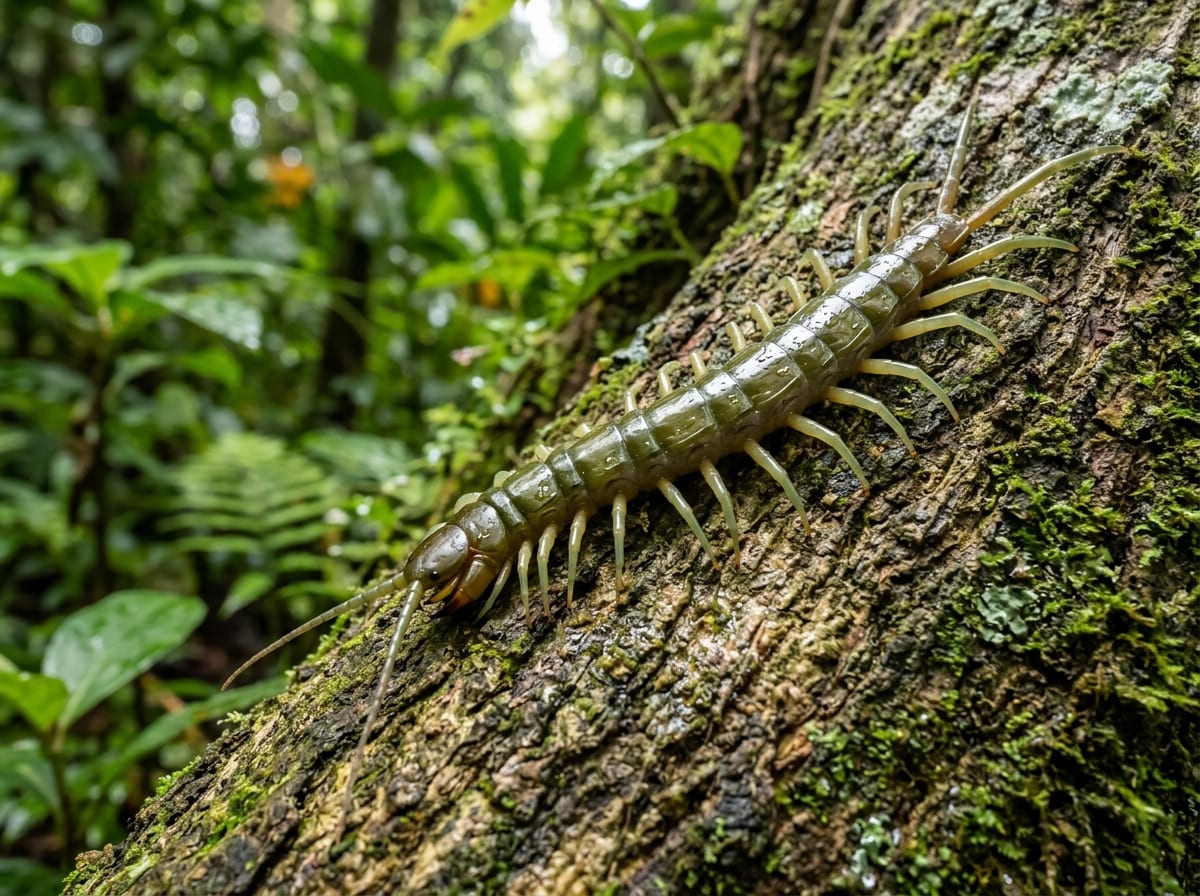
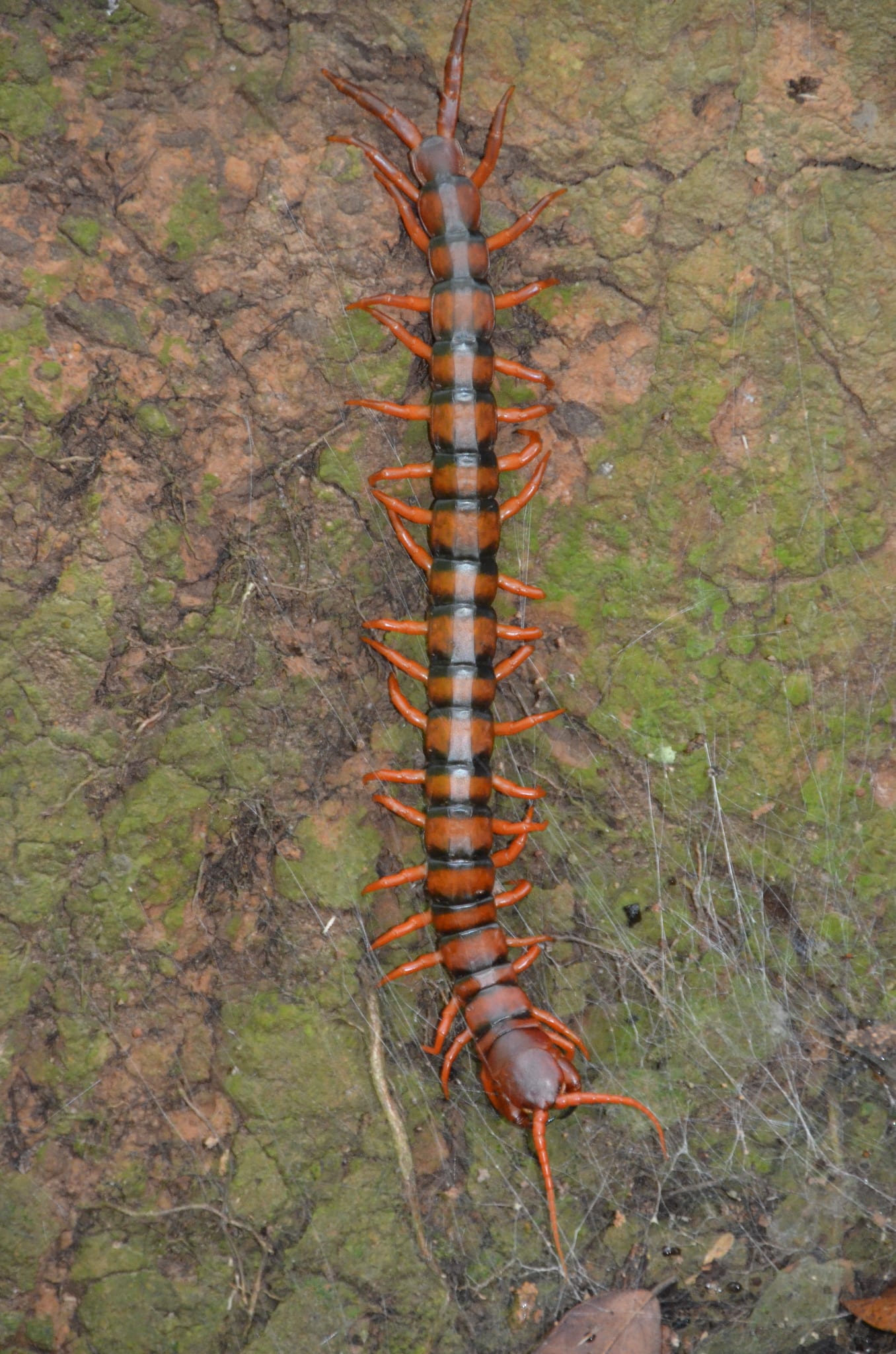
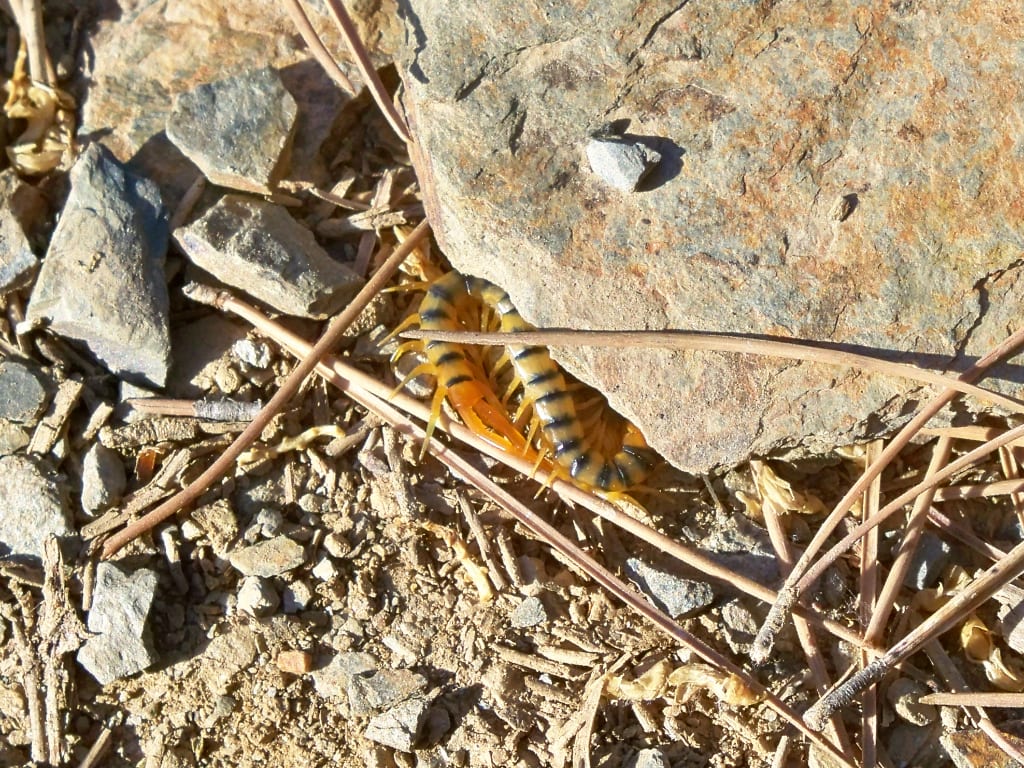
The most common scolopendromorph around the Mediterranean. Alternating black and golden bands; small for the family. Venom weaker than other large species. One of the few centipedes that prefers dry conditions; do not keep it wet.
Difficulty
Intermediate
Temperature
24〜28℃
Lifespan
4-7 years
Size
10-18cm
Diet
Crickets, dubia roaches and other insects
About
Scolopendra cingulata is the most common scolopendromorph around the Mediterranean, ranging across southern Europe and North Africa from Portugal to Israel and along the Black Sea, with small relict populations in Austria and Hungary. The body carries alternating black and golden bands; length is given as 10-12 cm to about 15-18 cm depending on the source, small for the family. Its venom is milder than that of other scolopendrids. A burrower under logs and litter, it is an opportunistic carnivore taking insects and small lizards. In Japan it is the most widely traded Egyptian import, sold as the Egyptian jewel centipede, with legs yellow to red and body yellow, dark green or black. Husbandry is unusual for a centipede: a dry-type species kept at 24-28 C with low to moderate humidity, a water dish provided but the enclosure never kept wet. Growth is reported to be rather slow.
Source: Wikipedia (CC BY-SA 4.0)
Lifespan of the Megarian Banded Centipede
The Megarian Banded Centipede lives 4-7 years.
Size of the Megarian Banded Centipede
The Megarian Banded Centipede grows to 10-18cm.
Temperature & humidity for the Megarian Banded Centipede
The ideal temperature for the Megarian Banded Centipede is 24〜28℃.
Basic Info
Origin
Southern Europe and the Mediterranean (Portugal to Greece and Israel), Black Sea coast, North Africa
Lifespan
Care Specifications
Semi-aggressiveSolitaryBreeding: Hard
Sources: Terminal Legs: Egyptian jewel centipede / Terminal Legs: four keeping environments for centipedes / Wikipedia / Wikipedia (ja) Scolopendromorpha / GBIF
References & Sources
Edited & verified by: BreederDirect editorial team
The taxonomic, regulatory, and husbandry data on this page are compiled and verified against the authoritative primary sources below.
Taxonomy & Authority
Accepted name: Scolopendra cingulata Latreille, 1829
Synonyms: Scolopendra cingulatoides
Authority databases: GBIF
Nomenclature follows global taxonomic authority databases.
Regulations & Conservation Status
Not CITES-listed
Sources: CITES Appendices (species not listed)
Regulations may change. Always verify the latest information with the relevant authorities.
Megarian Banded Centipede Listings
Loading latest listingsFind listings for this species