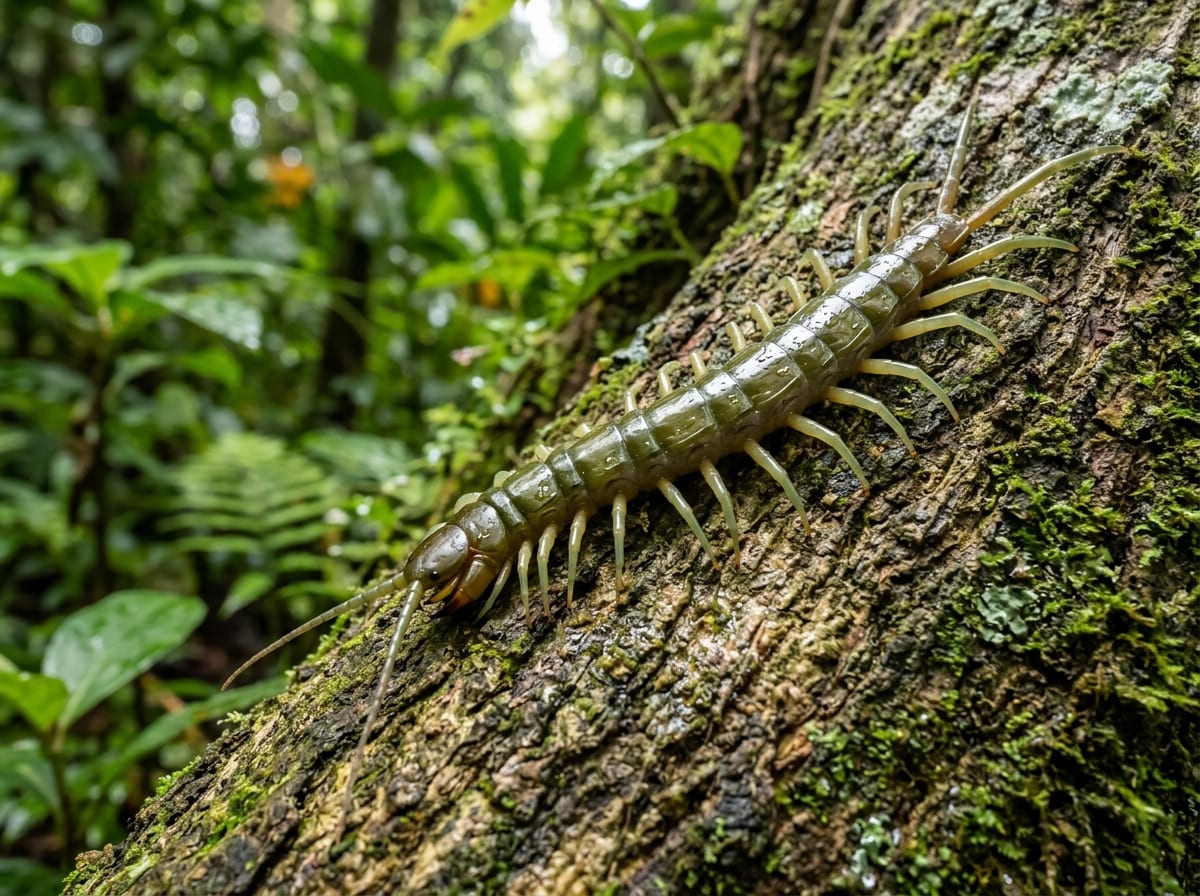
Luzon green tree centipede
The Luzon green tree centipede is a large centipede from the Philippines, known for its green coloration. It was described in 2009, so it is a relatively new species, and information on its size, ecology and care is still limited. Lifespan and adult size are also poorly documented, and it needs to be told apart from another Philippine species. Care difficulty is rated advanced, so it suits keepers who are already comfortable handling large centipedes safely. It is a good fit for anyone who enjoys carefully observing a species with many open questions.
View Luzon green tree centipede encyclopedia →0% commission on your first sales!Register by September 30, 2026 and your first 2 sales are commission-free!
Breeder Wanted!
List on BreederDirect and sell directly to customers nationwide!
5 Transparency Standards You Can Trust
When listing Exotic Invertebrates, Breeders disclose the following. We guarantee transparency on growth stage and breeding unit.
- Real Photos
- Breeding Unit
- Generation Info
- Body Length (mm)
- Country of Origin
Browse all 286 breeds
Verified breeders wanted for Exotic Invertebrates
Breeders are signing up now ahead of launch. Subscribe to be notified when new listings go live.
Getting alerts is free with a member account. When new listings match your saved search, we'll notify you by email and in-app.
Browse other categories
Verified breeders (preview)
Are you raising exotic invertebrates?
Register as a breeder and connect with buyers directly.
Apply as a breederLuzon green tree centipede key facts
- Care level
- Advanced
- Lifespan
- Little data
- Size
- Little data
- Diet
- Carnivorous (live insects)
- Enclosure
- Keep singly with damp substrate, bark for cover and a shallow water dish. Habitat data are scarce, so add climbable wood and adjust the setup by watching how it behaves.
- Temperature & Humidity
- There is little published temperature or humidity data for this species. It is tropical, so avoid winter cold and keep part of the substrate moist.
- Diet & Feeding
- Live prey such as crickets and roaches sized to the centipede. Remove leftovers promptly.
- Temperament & Venom
- All Scolopendra are venomous and a bite can cause intense, long-lasting pain and swelling. Never handle it bare-handed; use long tongs for maintenance.
- Notes
- It can escape through tiny gaps, so use a container with a lockable lid and fine ventilation. Never release captive animals.
About Luzon green tree centipede
A guide to the Luzon green tree centipede, a green large centipede from the Philippines. Described in 2009 with limited care information, it is rated advanced. Read the key points and FAQs before bringing one home.
7 things to know before welcoming a Luzon green tree centipede
1Best for experienced keepers
Care difficulty is rated advanced. Large centipedes move fast, so bites and escapes must always be taken seriously. It is safer to consider this species after gaining experience with other myriapods.
2Limited information
This species was described in 2009, and information on its size, ecology and care is still scarce. Lifespan and adult size are also poorly documented, so no firm guideline can be given. Keep notes on how your animal behaves and adjust its care gradually.
3Telling species apart
This species needs to be distinguished from another species that also comes from the Philippines. Check the species name, locality and photos, and ask the seller about anything unclear before you decide.
4Preparing for bites
Large centipedes are generally fast and may bite when startled. A bite can cause strong pain or swelling, so never handle them bare-handed and use long tweezers or similar tools during care. If symptoms are severe or you are worried, consult a medical professional.
5Enclosure and escape-proofing
Centipedes can escape through surprisingly small gaps. Prepare an enclosure with a tightly fitting lid and fine ventilation holes before the animal arrives. A shelter to hide in is also a good idea.
6Keep one per enclosure
Large centipedes may cannibalize each other, so they are normally kept one per enclosure. Use a substrate that holds some moisture while allowing airflow, and avoid letting it become either stuffy or bone dry. Detailed temperature and humidity guidance for this species is scarce, so adjust while watching its behavior.
7Feeding and molting care
Their diet centers on live insects such as crickets. Remove uneaten prey promptly because it spoils easily, and keep the water dish clean. Appetite and activity can drop around molting, so leave the animal undisturbed during that time.
Frequently asked questions about Luzon green tree centipede
- Q.Can beginners keep this species?
- A.Care difficulty is rated advanced, so it is not recommended as a first pet. Large centipedes are fast and can bite, so it is safer to gain experience first.
- Q.How large and long-lived is it?
- A.Both adult size and lifespan are poorly documented, so no firm figures can be given. Because the species is relatively new to science, much is still waiting to be learned.
- Q.Can it be told apart from similar species?
- A.Identification needs care, since another species from the Philippines must be ruled out. Check the listed species name, locality and photos, and ask the seller about any doubts before buying.
- Q.Can I house several in one enclosure?
- A.This is generally not recommended. Large centipedes may cannibalize each other, so keeping each one in its own enclosure is the usual practice.
- Q.What should I do if I am bitten?
- A.A bite can cause strong pain or swelling. First make sure you are safe and stay calm, and consult a medical professional if symptoms are severe or you are concerned.
Learn more about Luzon green tree centipede in the encyclopedia
View Luzon green tree centipede encyclopedia entry →
Care difficulty, lifespan, size and diet — all basics covered.
More in this category
Can't find the one you're looking for?
Post your wishes for free and breeders with matching animals will contact you with introductions.