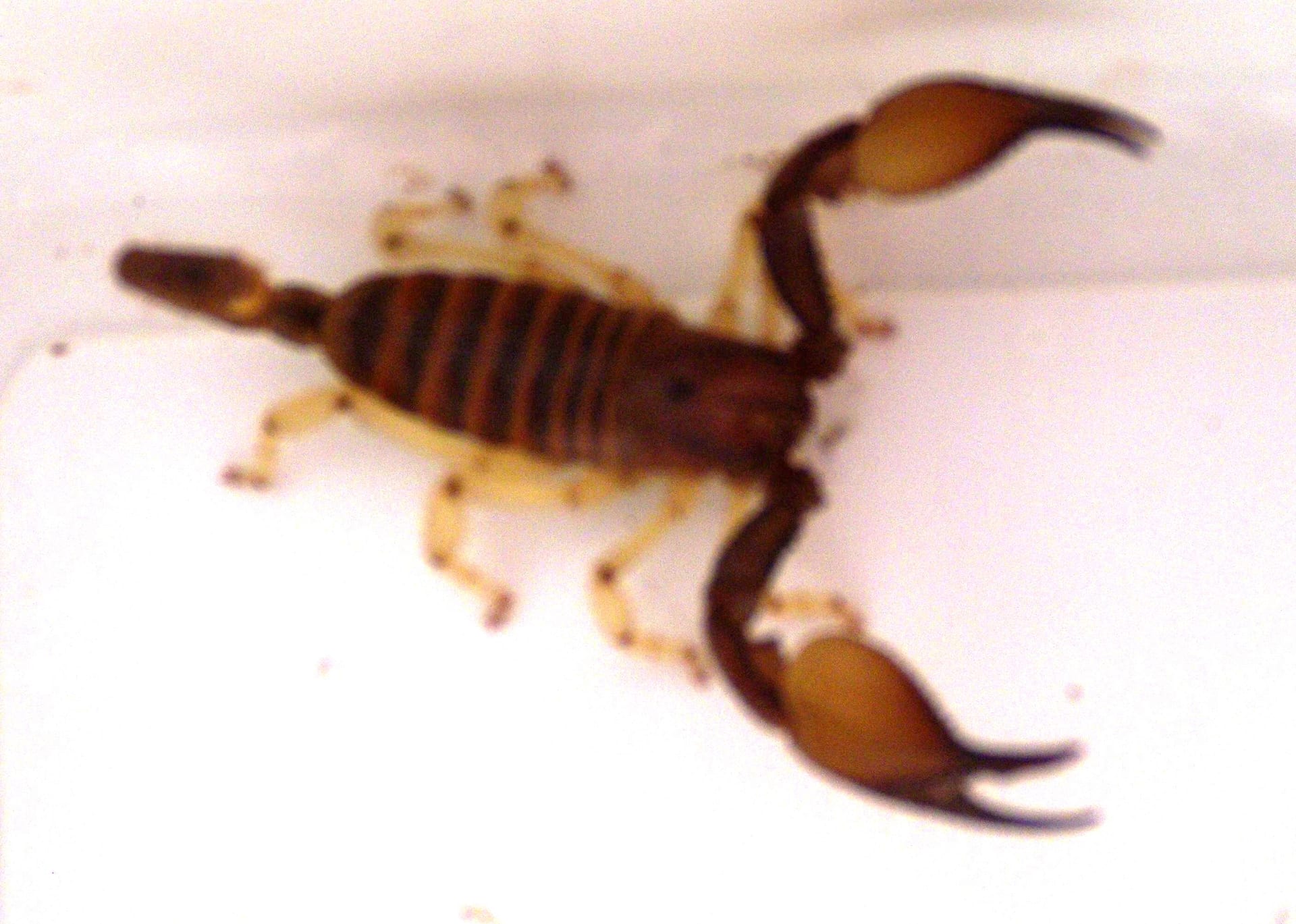
 © Ursula Franke / CC BY-SA 3.0
Robust burrowing scorpion
The robust burrowing scorpion is a burrowing species found across the dry regions of southern Africa. Within its genus it stands out for its especially sturdy body and large pincers, and it often digs its burrow beside a large rock. In captivity it spends much of its time in its burrow or in hiding, so seeing it out in the open is part of the appeal. It is not counted among medically significant species, but it is still a scorpion with pincers and a stinger and deserves respect. Its difficulty is rated for intermediate keepers, and little information exists on lifespan or adult size, so it helps to do your research before bringing one home.
View Robust burrowing scorpion encyclopedia →0% commission on your first sales!Register by September 30, 2026 and your first 2 sales are commission-free!
Breeder Wanted!
List on BreederDirect and sell directly to customers nationwide!
BreederDirect's 5 Transparency Commitments
When listing Exotic Invertebrates, Breeders disclose the following. We guarantee transparency on growth stage and breeding unit.
- Real Photos
- Breeding Unit
- Generation Info
- Body Length (mm)
- Country of Origin
Browse all 286 breeds
Verified breeders wanted for Exotic Invertebrates
Breeders are signing up now ahead of launch. Subscribe to be notified when new listings go live.
Getting alerts is free with a member account. When new listings match your saved search, we'll notify you by email and in-app.
Browse other categories
Verified breeders (preview)
Are you raising exotic invertebrates?
Register as a breeder and connect with buyers directly.
Apply as a breederRobust burrowing scorpion key facts
- Care level
- Intermediate
- Lifespan
- Little data
- Size
- Little data
- Diet
- Carnivorous (live insects such as crickets and roaches)
- Enclosure
- It digs burrows, so provide a deep substrate that holds its shape, with a flat stone it can burrow beside. Keep singly.
- Temperature & Humidity
- Little data on keeping temperature or humidity exist for this species. It comes from dry regions, so avoid stuffiness, keep the surface dry and only the lower substrate slightly moist.
- Diet & Feeding
- Live prey such as crickets and roaches sized to the scorpion. If it stays in its burrow, place prey near the entrance.
- Temperament & Venom
- Most of the family are considered relatively harmless and this species is not on the list of medically important scorpions. It is still venomous and has large claws, so never handle it bare-handed.
- Notes
- Scorpions escape through small gaps and loose lids, so use a container with a lockable lid. Burrowing animals can dig their way out at the corners, so leave no gap between the substrate and the lid. Never release captive animals.
About Robust burrowing scorpion
Learn about the robust burrowing scorpion, a sturdy southern African desert burrower with large pincers. Rated for intermediate keepers. Key points to know before bringing one home, plus FAQs.
7 things to know before welcoming a Robust burrowing scorpion
1A Dryland Burrower
This species is widespread in the dry regions of southern Africa and tends to dig its burrow beside large rocks. Within its genus it is known for a sturdy body and large pincers, which give it real presence. It spends a lot of time in its burrow, so it is not an animal you will see out in the open all the time.
2Prepare Like a Keeper
Its difficulty is rated for intermediate keepers. Set up the enclosure, substrate, shelters, water dish, and long feeding tweezers before the animal arrives, and let the setup settle first to reduce stress right after arrival.
3Lifespan and Size Data
Little information is available on lifespan or adult size, so no reliable figures can be given. Leave some room in your enclosure size and long-term plans, and adjust as you watch how the individual grows and behaves.
4Substrate and Shelters
Because it digs burrows, provide a deep substrate it can tunnel into, along with shelters such as rock or bark. It likes to dig beside large rocks, so set heavy rocks firmly on the enclosure floor so they cannot collapse and crush the scorpion when it digs.
5Keeping It on the Dry Side
Since it comes from dry regions, avoid stuffy conditions, ensure airflow, and keep the enclosure on the dry side. Keep the water dish clean; some keepers moisten only part of the substrate to create a humidity gradient. Reliable data on ideal temperature and humidity is limited, so adjust based on how the individual behaves.
6Temperament and Safety
This is an animal to enjoy by watching, not by handling. Use long tweezers for cleaning and feeding, and secure the lid with no gaps to prevent escapes. It is not counted among medically significant species, but reactions to a sting can vary between individuals, so consult a medical professional if you feel unwell.
7Feeding and Molting Care
Live insects such as crickets or roaches are the usual food, and uneaten prey should be removed promptly. Around a molt, appetite may drop and the scorpion may move less, so stay calm, keep watching, and avoid disturbing it.
Frequently asked questions about Robust burrowing scorpion
- Q.Can beginners keep this scorpion?
- A.Its difficulty is rated for intermediate keepers. Prior experience with scorpions helps, and first-time keepers should learn the basics beforehand, such as escape prevention and staying safe during cleaning.
- Q.How long does it live and how big does it get?
- A.Little information is available on either lifespan or adult size, so specific figures cannot be given. It is wise to plan for a long-term commitment and leave some room in your enclosure and care plans.
- Q.Is its venom dangerous?
- A.It is not counted among medically significant species. Still, it has pincers and a stinger, so avoid touching it with bare hands and consult a medical professional if you feel unwell after a sting.
- Q.What kind of enclosure and substrate does it need?
- A.Because it digs burrows, provide a deep substrate and shelters such as rock or bark. An enclosure with a lid that closes without gaps is best for preventing escapes.
- Q.Is it a problem if I rarely see it?
- A.As a burrowing scorpion, it is common for it to stay in its burrow and stay out of sight for long periods. Check on its condition through signs such as leftover prey and changes inside the enclosure.
Learn more about Robust burrowing scorpion in the encyclopedia
View Robust burrowing scorpion encyclopedia entry →
Care difficulty, lifespan, size and diet — all basics covered.
More in this category
Can't find the one you're looking for?
Post your wishes for free and breeders with matching animals will contact you with introductions.