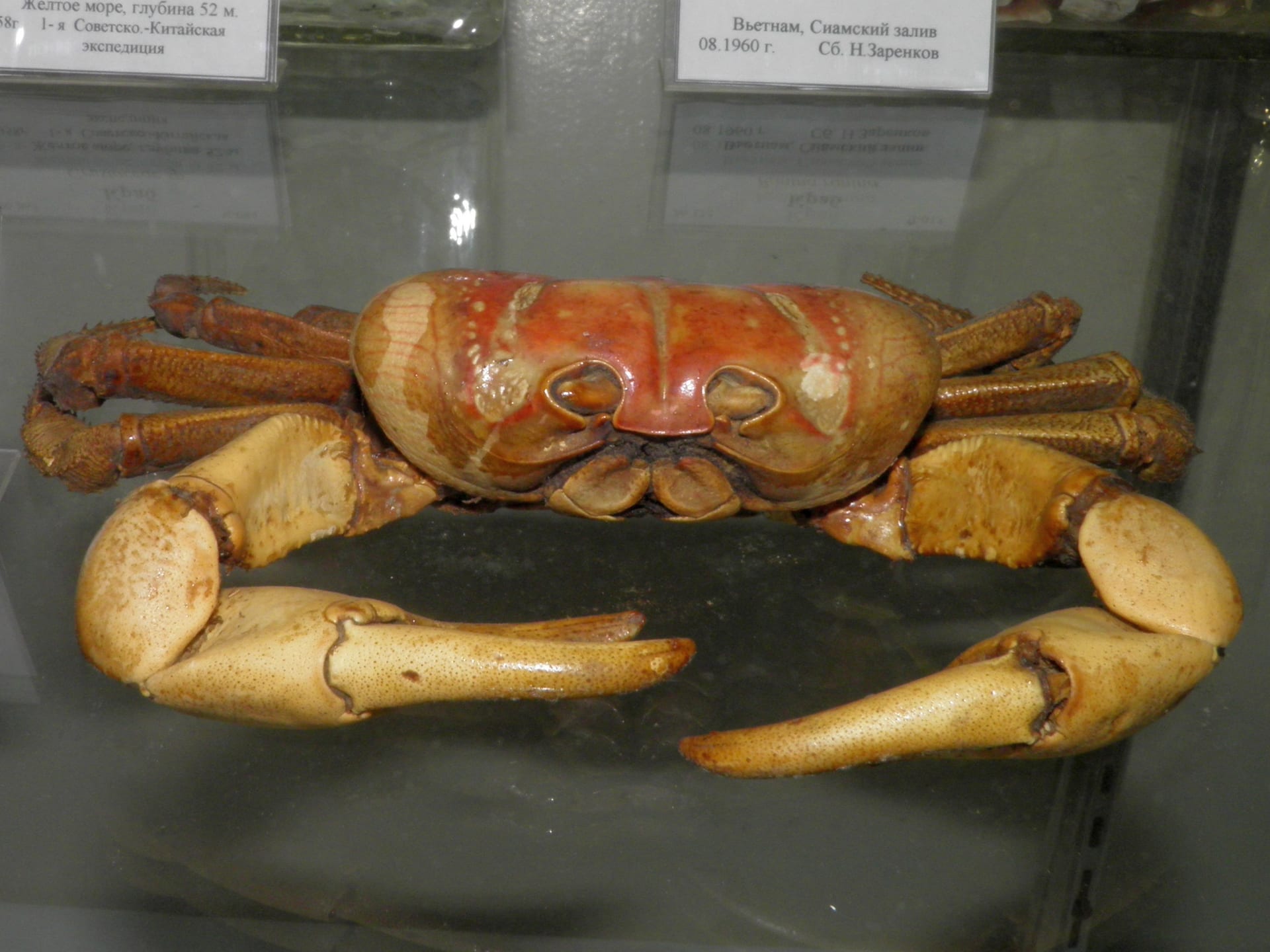
 © A. C. Tatarinov / CC0
Purple land crab
The purple land crab is a large terrestrial crab with a deep purple carapace, long legs and short claws. It belongs to the same genus as the Christmas Island red crab and lives mainly in forests, hiding in a burrow by day and becoming active at night. Egg-carrying females travel to the coast to release their eggs, a life cycle that links the forest to the sea. Keeping one calls for a setup where it can dig and that stays suitably humid, and it is rated as suited to intermediate keepers. Reliable figures for lifespan and adult size are scarce, so any number you come across should be treated with caution.
View Purple land crab encyclopedia →0% commission on your first sales!Register by September 30, 2026 and your first 2 sales are commission-free!
Breeder Wanted!
List on BreederDirect and sell directly to customers nationwide!
5 Transparency Standards You Can Trust
When listing Exotic Invertebrates, Breeders disclose the following. We guarantee transparency on growth stage and breeding unit.
- Real Photos
- Breeding Unit
- Generation Info
- Body Length (mm)
- Country of Origin
Browse all 286 breeds
Verified breeders wanted for Exotic Invertebrates
Breeders are signing up now ahead of launch. Subscribe to be notified when new listings go live.
Getting alerts is free with a member account. When new listings match your saved search, we'll notify you by email and in-app.
Browse other categories
Verified breeders (preview)
Are you raising exotic invertebrates?
Register as a breeder and connect with buyers directly.
Apply as a breederPurple land crab key facts
- Care level
- Intermediate
- Lifespan
- Little data
- Size
- Little data (a large land crab)
- Diet
- Omnivorous (mainly plant matter such as leaf litter and fruit)
- Enclosure
- It is nocturnal and hides in burrows by day, so provide damp substrate deep enough to dig into, shelters, and a water area it can fully submerge in.
- Temperature & Humidity
- Little data on keeping temperatures exist. It lives in tropical and subtropical forest, so avoid winter cold and never let the enclosure dry out.
- Diet & Feeding
- Feed mainly plant matter such as leaf litter, fruit and vegetables, with occasional animal food.
- Temperament & Venom
- Not venomous. Its claws are short but can still pinch, so do not handle it bare-handed.
- Notes
- Land crabs are skilled escapers, so secure the lid. The larvae develop only in the sea, so captive breeding is difficult. Never release captive animals, to avoid disturbing native populations.
About Purple land crab
Purple land crab: a large, nocturnal land crab with a deep purple shell and long legs. Learn its burrowing habits and what to know before bringing one home.
7 things to know before welcoming a Purple land crab
1A nocturnal burrower
The purple land crab is nocturnal and spends the day in a burrow. It may be out of sight for much of the daytime, so most observation happens at night. Not seeing it during the day is normal behavior and not, by itself, a sign of trouble.
2Provide diggable substrate
Because this crab retreats into burrows, lay the substrate deeply enough for it to dig and hide. Adding driftwood or a shelter gives it extra cover and helps it settle. Set up the layout firmly so that digging does not topple the water dish or other fittings.
3Humidity and water
This is a land crab of mainly forest habitats, so the enclosure should never dry out completely. Keep the substrate moderately damp, provide a water dish it can drink from and wet itself in, and keep that water clean. Creating both damper and drier areas lets the crab choose where to stay.
4Space and escape-proofing
It is a large land crab with long legs, so a roomy enclosure suits it best. Choose a lid that is heavy or securely fastened so it cannot be lifted, and leave no gaps. The crab is active at night, so check the escape-proofing again before you go to bed.
5Small, varied meals
Offering small portions that mix vegetables, fruit and some animal-based food is an easy approach to manage. Since the crab is nocturnal, feeding in the evening makes it simpler to check leftovers. Leftovers spoil quickly, so remove them by the next day and replace soiled substrate promptly.
6Leave molting crabs alone
Molting is essential for growth, and around a molt the crab may stay inside its burrow. Its shell is soft and easily damaged during this time, so do not dig it up or handle it, and simply let it be. Keeping the enclosure from drying out matters especially at this stage.
7Why intermediate level
Its difficulty is rated as intermediate, so it helps to already understand the basics of land crab care, such as building the enclosure and managing humidity. Lifespan and adult size are poorly documented, which makes it hard to give firm expectations. Before bringing one home, think about whether you can commit space and care time over the long term.
Frequently asked questions about Purple land crab
- Q.Is it suitable for beginners?
- A.It is rated as suited to intermediate keepers. It needs a deep, diggable substrate and steady humidity, so some experience with other animals makes things easier. If you are new to keeping animals, gather care information thoroughly before deciding.
- Q.How long does it live and how big does it get?
- A.Reliable data on both lifespan and adult size is limited, so no firm figures can be given. It is described as a large land crab, so plan for a roomy enclosure.
- Q.Is it normal if I never see it by day?
- A.Yes. It is nocturnal and hides in a burrow by day, so being out of sight in daylight is natural. To watch it, check on it at night with the lighting kept low. If it stays motionless even at night or something else seems off, review the humidity, temperature and the rest of its setup.
- Q.Can it be bred?
- A.In the wild, egg-carrying females move to the coast to release their eggs. Information on breeding in captivity is limited, so nothing can be said with confidence. It is best to make keeping the crab well over the long term your first goal.
- Q.How is it related to the Christmas Island red crab?
- A.Both are large land crabs placed in the same genus, and the purple land crab is known for its deep purple carapace. Even so, they are separate species, so use care information for one only as a reference rather than applying it wholesale to the other.
Learn more about Purple land crab in the encyclopedia
View Purple land crab encyclopedia entry →
Care difficulty, lifespan, size and diet — all basics covered.
More in this category
Can't find the one you're looking for?
Post your wishes for free and breeders with matching animals will contact you with introductions.