Source: Wikimedia Commons
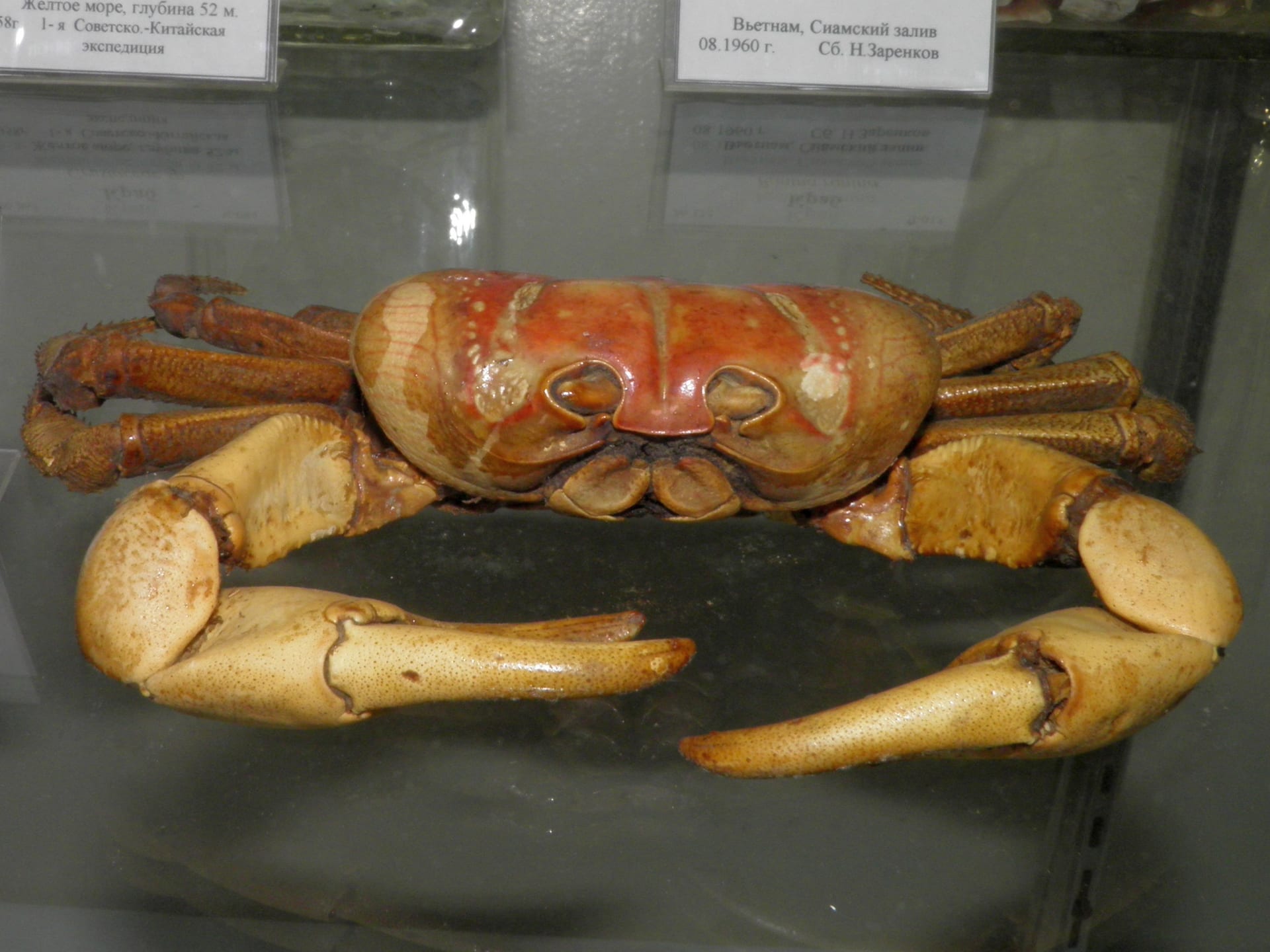
Purple land crab
IntermediateGecarcoidea lalandii
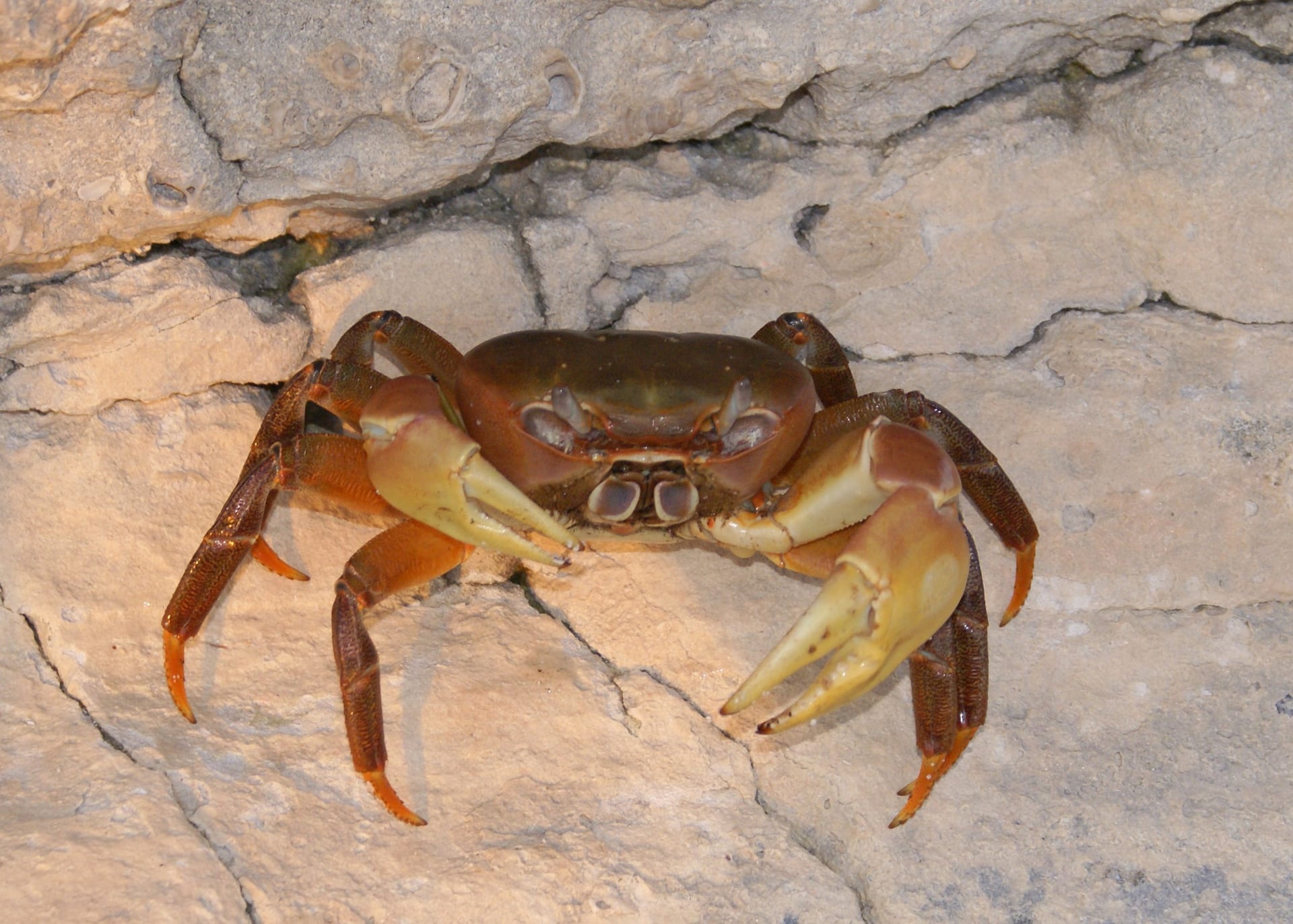
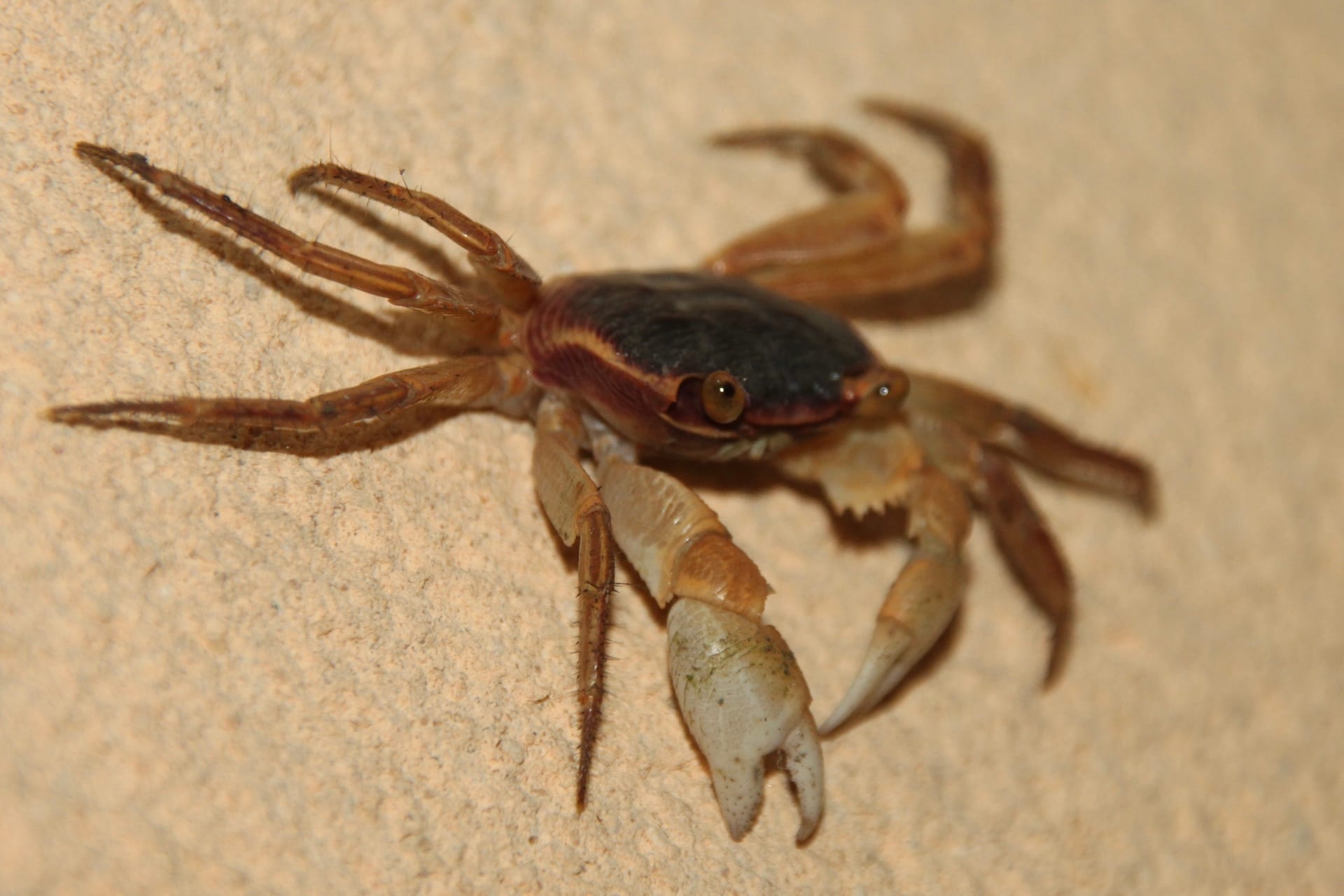
A large land crab with a dark purple carapace, long legs and short claws. It is nocturnal, hiding in burrows by day, and lives mainly in forest. Egg-bearing females migrate to the coast to release their eggs.
Difficulty
Intermediate
Lifespan
Little data
Size
Little data (a large land crab)
Diet
Omnivorous (mainly plant matter such as leaf litter and fruit)
About
Gecarcoidea lalandii H. Milne Edwards, 1837 is a large land crab of the family Gecarcinidae, in the same genus as the Christmas Island red crab G. natalis. It is more widespread than that species, occurring in the Indo-Pacific from the Andaman Islands eastwards, and GBIF holds records from Okinawa Prefecture. The carapace is transversely ovate, swollen and smooth, and the colour ranges from purple brown to purple and reddish purple, with long legs and short claws. It is nocturnal and spends most of the day in burrows. Adults live mainly in forest but are sometimes found in more open habitats. Adult land crabs of this family can take oxygen directly from the air as well as through their gills, but they still need moisture. Egg-bearing females migrate to the coast and release the eggs in the intertidal zone. The larvae develop only in the sea, so captive breeding is difficult. Small adults are sometimes preyed on by the land crab Geograpsus crinipes. In Japan animals from the Nansei Islands are sold by shops that specialise in land crabs.
Source: Wikipedia (CC BY-SA 4.0)
Basic Info
Origin
Indo-Pacific from the Andaman Islands eastwards (in Japan, the Nansei Islands)
Lifespan
Little data
Size
Little data (a large land crab)
Diet
Omnivorous (mainly plant matter such as leaf litter and fruit)
Care Guide
Enclosure
References & Sources
Edited & verified by: BreederDirect editorial team
The taxonomic, regulatory, and husbandry data on this page are compiled and verified against the authoritative primary sources below.
Primary sources
- Wikipedia
- Ministry of the Environment: Nationally rare species list (JA)
- Ministry of the Environment: List of regulated alien species, including taxa needing an identification certificate (JA)
- Species+ CITES query (not listed)
- SeaLifeBase: Gecarcoidea lalandii
- Grapsoidea - Wikipedia (JA), on land-crab breathing and larval life
- GBIF: Gecarcoidea lalandii H. Milne Edwards, 1837
Taxonomy & Authority
Accepted name: Gecarcoidea lalandii H. Milne Edwards, 1837
Synonyms: Pelocarcinus lalandei (H. Milne Edwards, 1837), Limnocarcinus intermedius De Man, 1879
Authority databases: GBIF · GBIF · SeaLifeBase
Nomenclature follows global taxonomic authority databases.
Regulations & Conservation Status
Not CITES-listed
It is not covered by the Invasive Alien Species Act or the Act on Conservation of Endangered Species of Wild Fauna and Flora and is not listed by CITES (September 2026). Native populations exist on Japanese islands, so never release captive animals or move animals between localities.
Sources: Ministry of the Environment: Nationally rare species list (JA) / Ministry of the Environment: List of regulated alien species, including taxa needing an identification certificate (JA) / Species+ CITES query (not listed)
Regulations may change. Always verify the latest information with the relevant authorities.
Purple land crab Listings
Loading latest listingsFind listings for this species