Kakariki (New Zealand Parakeet) Care Guide | Water Bathing, Ground Walking, Breeding and More
A comprehensive guide to caring for the Kakariki (genus Cyanoramphus), a small parakeet native to New Zealand. Learn about their unique behaviors including active personality, love of water bathing, and ground-feeding habits, plus detailed information on proper cage sizing, temperature management, feeding, taming, and breeding considerations.
Key Takeaways
A comprehensive guide to caring for the Kakariki (genus Cyanoramphus), a small parakeet native to New Zealand. Learn about their unique behaviors including active personality, love of water bathing, and ground-feeding habits, plus detailed information on proper cage sizing, temperature management, feeding, taming, and breeding considerations.
Related Species
What is the Kakariki?
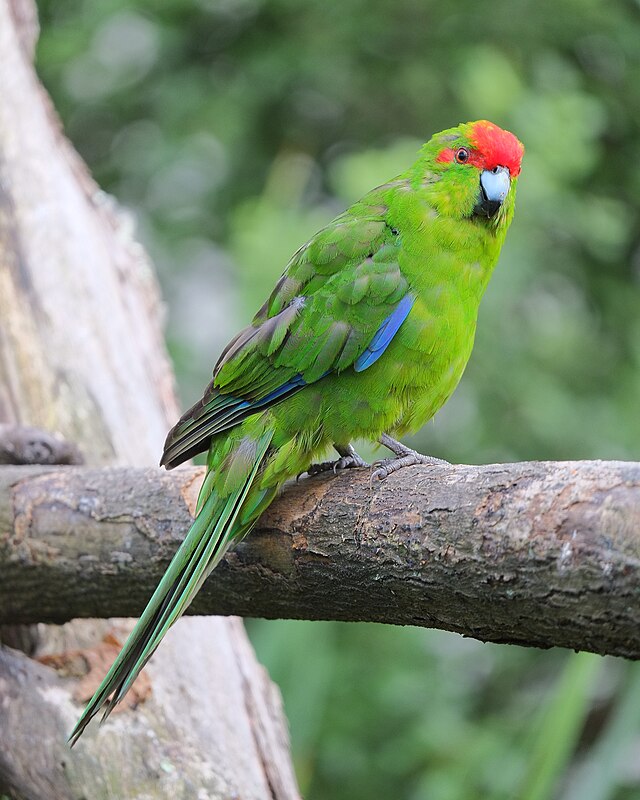
The Kakariki is a collective term for small parakeets native to New Zealand. Known in English as the "New Zealand Parakeet," two main species are commonly kept in Japan:
- Red-crowned Kakariki (Cyanoramphus novaezelandiae): Characterized by red crown markings on the forehead and crown
- Yellow-crowned Kakariki (Cyanoramphus auriceps): Also has red crown markings but is slightly smaller than the Red-crowned Kakariki
"Kakariki" comes from the Māori word meaning "small green thing." They have overall green plumage, with males and females appearing quite similar, though mature males are slightly larger.
The Appeal of Kakariki
- Active and curious: Love moving around and particularly enjoy free flying throughout a room
- Easy to tame: If handled gently from a young age, they readily perch on your hand
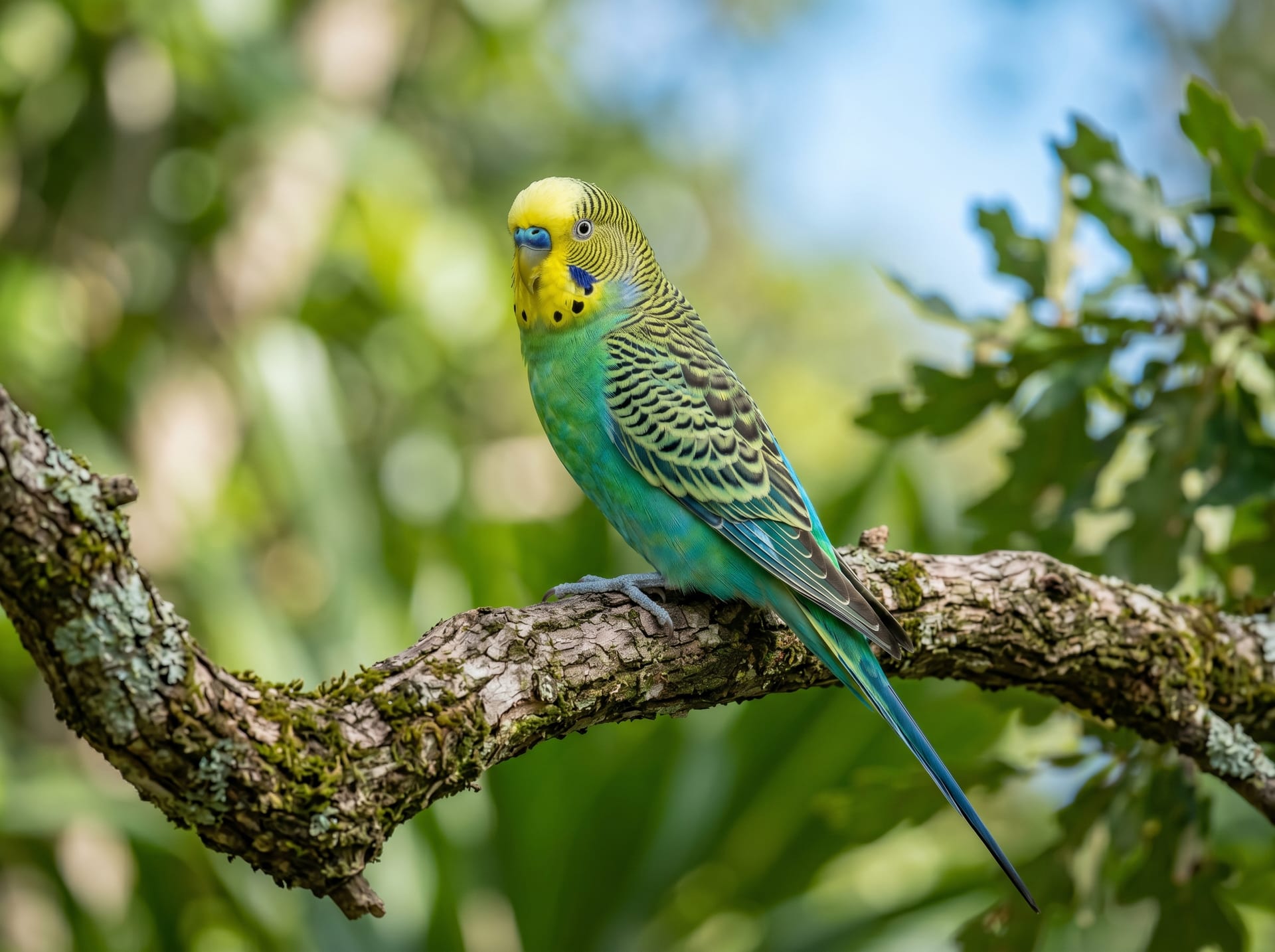
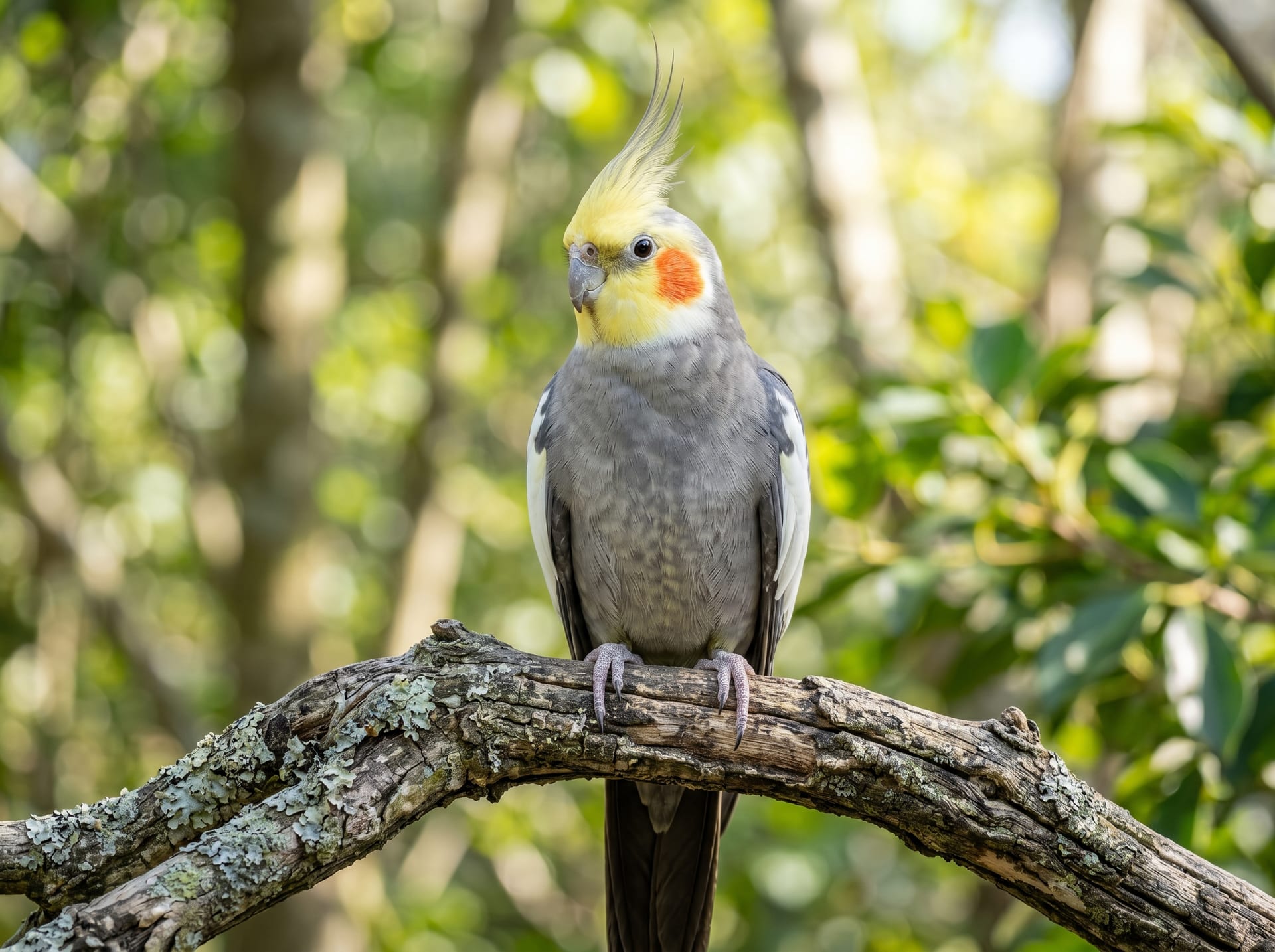
- Relatively quiet: Compared to other medium-sized parakeets (Cockatiel, Budgerigar), their vocalizations are modest
- Excellent ground walkers: In the wild, they forage on the ground, and they enjoy ground activity in spacious environments
- Easy to breed: With proper conditions in place, they have a strong breeding track record in Japan
Housing and Equipment
Cage
Kakariki are extremely active and move around constantly. A spacious cage is essential.
| Cage Size | Notes |
|---|---|
| Minimum | 60 × 50 × 70 cm (width × depth × height) |
| Recommended | 90 × 60 × 90 cm or larger |
Prioritize horizontal space and choose a cage with a wide width. A "flight cage" is ideal rather than a standard bird cage.
Place multiple perches (1–1.5 cm diameter) inside the cage in a varied layout with different heights to encourage flying and landing exercises.
Temperature and Humidity
Kakariki are native to New Zealand and can adapt to relatively cool temperatures, but caution is needed for acclimatization to Japan's climate.
| Season | Recommended Temperature | Notes |
|---|---|---|
| Year-round (ideal) | 18–26°C | Avoid extreme temperature fluctuations |
| Winter (minimum) | 10°C or above | Risk increases below 10°C |
| Summer (maximum) | 30°C or below | Watch for direct sunlight and heat stress |
Humidity: Target 40–70%. Excessive dryness can worsen feather condition.
Water Bathing
They love water bathing very much. Provide a shallow, pan-shaped water bath (approximately 20 cm diameter, 3 cm depth or less) 3–5 times per week. Allow them to air-dry naturally in the cage after bathing (no hair dryer needed).
Feeding and Nutrition
Staple Foods
| Food | Purpose |
|---|---|
| Seed mix (canary seed, millet, sorghum, etc.) | Main diet; balance calories and sugar content |
| Pellets (commercial bird diet) | Nutritional foundation; aim to transition to 30–50% of total diet |
| In-shell seeds | Promotes natural foraging behavior |
Vegetables, Fruits, and Supplements
| Food | Purpose and Notes |
|---|---|
| Komatsuna, bok choy, shiso leaves | Vitamin and mineral supplementation |
| Broccoli, bell pepper | Vitamin C and A supplementation |
| Apple, grapes (small portions) | Vitamins; remove seeds (contain cyanogenic compounds) |
| Corn in husk | High palatability; avoid overfeeding |
Foods to avoid: Avocado (toxic), chocolate, onion, garlic, caffeine, alcohol
Ground Foraging
Kakariki have a natural instinct to forage on the ground. We recommend scattering a small amount of seed on the cage bottom or using foraging toys to provide this natural feeding experience.
Behavior and Communication
Characteristic Behaviors
- Ground walking: Frequently walk on the ground and search for seeds on the cage floor
- Chewing habit: Gnawing on wood and plastic is natural behavior; provide wooden toys
- Water bathing enthusiast: Will actively enter a water bath container when provided
- Vocalizations: Produce high-pitched "chuit-chuit" calls; excessive screaming is uncommon
Taming
- Avoid startling from the cage: Spend the first 1–2 weeks acclimating them slowly through the cage bars
- Positive association with treats: Hand-feed treats (seeds, komatsuna) to teach them that "hand = safe and good things"
- Bonding through free flight: Provide 30–60 minutes of daily free-flight time and interact while they explore
- Avoid forceful handling: Grabbing them against their will increases fear and makes taming more difficult
Health Management and Disease
Common Health Issues
| Condition | Symptoms | Treatment |
|---|---|---|
| Mite infection (mange) | White bumps on beak and feet; excessive scratching | Prescription mite medication from avian veterinarian |
| Megabacteria (AGY) | Vomiting, weight loss, crop issues | Early diagnosis; antifungal treatment |
| Macaw Wasting Disease (PDD) | Vomiting of undigested seed; weight loss | Virus testing; supportive care |
| Egg binding | Swollen abdomen in females; lethargy | Immediate veterinary emergency (warm bath, calcium supplementation) |
Breeding
Kakariki are relatively easy to breed.
- Sexual maturity: 5–6 months of age
- Clutch size: 4–8 eggs
- Incubation period: Approximately 18–21 days
- Nest box: Gourd-shaped or box-shaped (entrance 5–6 cm diameter)
- Important note: If breeding is not desired, do not provide a nest box. To prevent chronic egg-laying in females (which damages health), remove nest boxes during spring and summer
Summary
The Kakariki is an active and charming small parakeet native to New Zealand. With their unique characteristics—ground foraging, love of water bathing, and relatively quiet calls—they make wonderful companions. Suitable for both beginners and intermediate keepers, they are relatively easy to care for and can breed successfully. When raised gently from a young age, they become hand-tame and offer a long-lasting, enriching relationship. We recommend obtaining them from a reputable breeder or specialist shop with health screening to ensure you bring home a healthy bird.