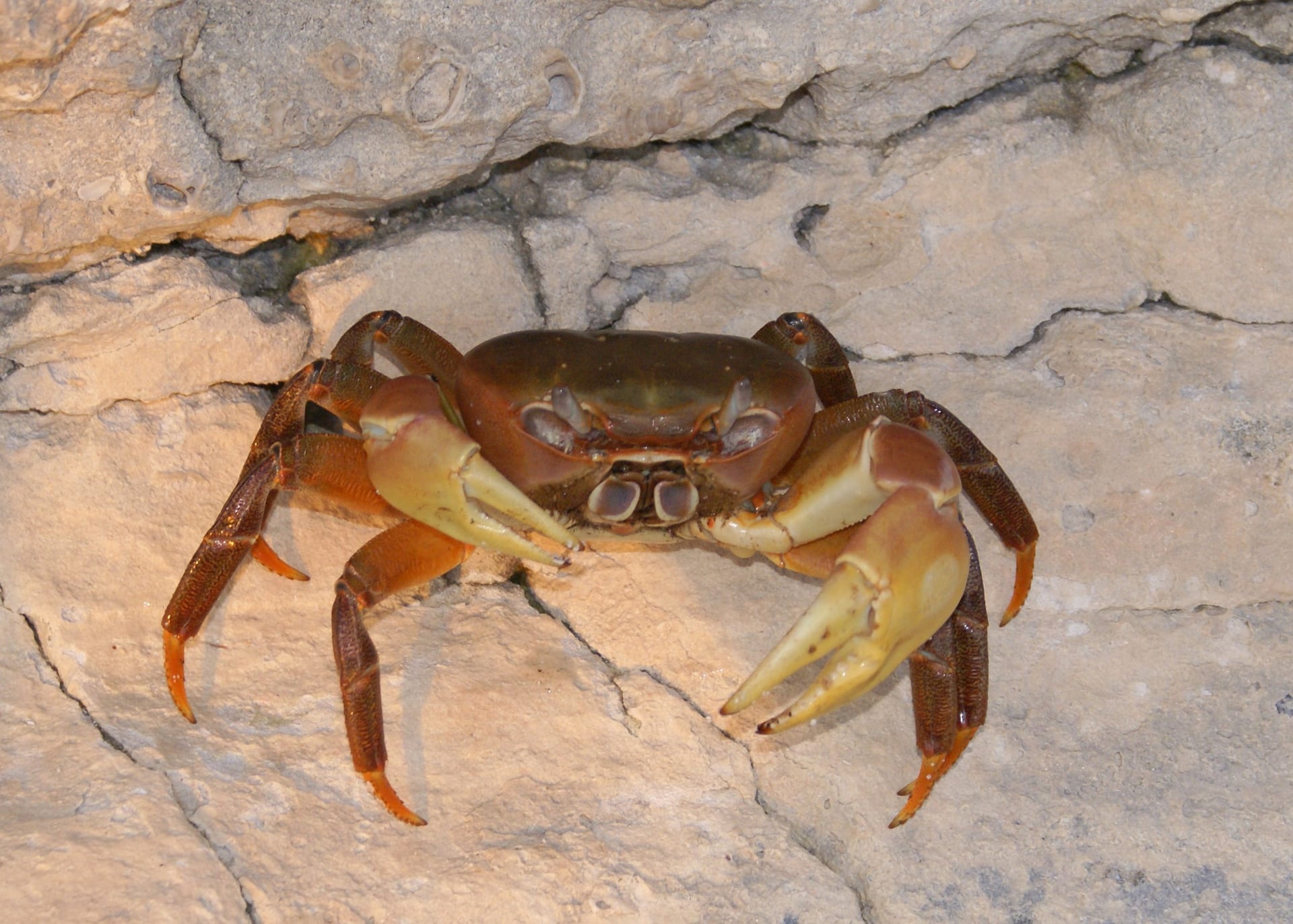
 © B.navez / CC BY-SA 3.0
Brown land crab
The brown land crab is a large Indo-Pacific land crab with a rounded, domed carapace that reaches up to 12 cm across in males. It is an omnivore that feeds mainly on fallen leaves and fruit, and mature males develop one noticeably larger claw. Its sturdy build and confident claw-raising stance make it a striking animal to watch. It lives on land and hides by digging, which is fun to observe. Care is rated intermediate, and little is documented about its lifespan, so plan to set up a habitat you can maintain over the long term.
View Brown land crab encyclopedia →0% commission on your first sales!Register by September 30, 2026 and your first 2 sales are commission-free!
Breeder Wanted!
List on BreederDirect and sell directly to customers nationwide!
BreederDirect's 5 Transparency Commitments
When listing Exotic Invertebrates, Breeders disclose the following. We guarantee transparency on growth stage and breeding unit.
- Real Photos
- Breeding Unit
- Generation Info
- Body Length (mm)
- Country of Origin
Browse all 286 breeds
Verified breeders wanted for Exotic Invertebrates
Breeders are signing up now ahead of launch. Subscribe to be notified when new listings go live.
Getting alerts is free with a member account. When new listings match your saved search, we'll notify you by email and in-app.
Browse other categories
Verified breeders (preview)
Are you raising exotic invertebrates?
Register as a breeder and connect with buyers directly.
Apply as a breederBrown land crab key facts
- Care level
- Intermediate
- Lifespan
- Little data
- Size
- Carapace width up to 12 cm (males)
- Diet
- Omnivorous (mainly fallen leaves, fruit and seeds; sometimes insects or small animals)
- Enclosure
- Provide a large land area of damp substrate deep enough to dig in, and a water area the crab can fully submerge in. It is big and strong, so use heavy, stable water bowls and shelters.
- Temperature & Humidity
- Little data on keeping temperatures exist. It is a tropical to subtropical species, so avoid winter cold. It still breathes with its gills, so never let the enclosure dry out.
- Diet & Feeding
- Feed mainly plant matter such as leaf litter, fruit and vegetables, with occasional animal food.
- Temperament & Venom
- Not venomous. Mature males have one large claw that can injure, so do not pick it up bare-handed.
- Notes
- Land crabs are skilled escapers, so secure the lid. The larvae develop only in the sea, making captive breeding difficult. Never release captive animals, to avoid disturbing native populations.
About Brown land crab
The brown land crab is a large Indo-Pacific land crab, with males reaching up to 12 cm across the carapace. An omnivore that eats leaves and fruit, it suits intermediate keepers. Traits, habitat and pre-purchase tips inside.
7 things to know before welcoming a Brown land crab
1A Large Crab, Up to 12 cm
Adult males can reach up to 12 cm across the carapace, so this is a sizable land crab. Choose a roomy enclosure with plenty of floor space, planning for its full adult size. Crabs can slip out through small gaps, so use a lid that fastens securely.
2Set Up Before Arrival
Set up the enclosure before the crab arrives and check for a few days that temperature and humidity hold steady. Place a thermometer and hygrometer, and prepare the substrate, hides and water dish in advance. Care is rated intermediate, so give yourself plenty of time to get the setup right.
3Deep, Diggable Substrate
Many land crabs dig to hide, so a deep layer of moist substrate helps them settle in. Aim for a damp texture that holds its shape when dug. Add hides such as cork bark as well.
4Humidity and Water Dish
Even land crabs need to keep their gills moist, so don't let the enclosure dry out. Provide a shallow dish large enough for soaking and keep the water clean. Add an easy way in and out so the crab cannot drown.
5Leaves and Fruit Diet
This omnivore eats mainly fallen leaves and fruit. Offer leaves along with fruit and vegetables, and remove leftovers promptly, since they can mold and smell. Supplying a calcium source for shell building is a sensible extra.
6Claws and Solo Housing
Mature males grow one enlarged claw, and a pinch can cause injury. Avoid grabbing the crab with bare hands and use long tweezers or tongs for tasks in the enclosure. Crabs can fight each other, so keeping one per enclosure is the safer default.
7Leave Them Be During Molts
Crustaceans molt as they grow, and around a molt the shell is soft and easily damaged. The crab may stay buried and out of sight, so avoid digging it up or handling it, keep humidity steady and let it be. If it stops eating for a while, stay calm and check that nothing in the enclosure has gone wrong.
Frequently asked questions about Brown land crab
- Q.Can a beginner keep one?
- A.Care is rated intermediate. You need to manage humidity, a diggable substrate and escape-proofing all at once, so prior experience with other terrestrial animals or crustaceans makes it easier.
- Q.How large does it grow?
- A.Adult males reach up to 12 cm across the carapace, making this a large land crab. Choose an enclosure with its full adult size in mind.
- Q.What should I feed it?
- A.It is an omnivore that feeds mainly on fallen leaves and fruit. Offer leaves, fruit and vegetables, and clear away uneaten food regularly.
- Q.Can I keep several together?
- A.Crabs can fight, and a mature male's enlarged claw makes injuries more likely, so housing them singly is the safer default. If you do try a group, provide plenty of hides and watch them closely.
- Q.How long does it live?
- A.Little is documented about its lifespan, so there is no reliable figure. Assume a long commitment and make sure you can keep up the habitat before bringing one home.
Learn more about Brown land crab in the encyclopedia
View Brown land crab encyclopedia entry →
Care difficulty, lifespan, size and diet — all basics covered.
More in this category
Can't find the one you're looking for?
Post your wishes for free and breeders with matching animals will contact you with introductions.