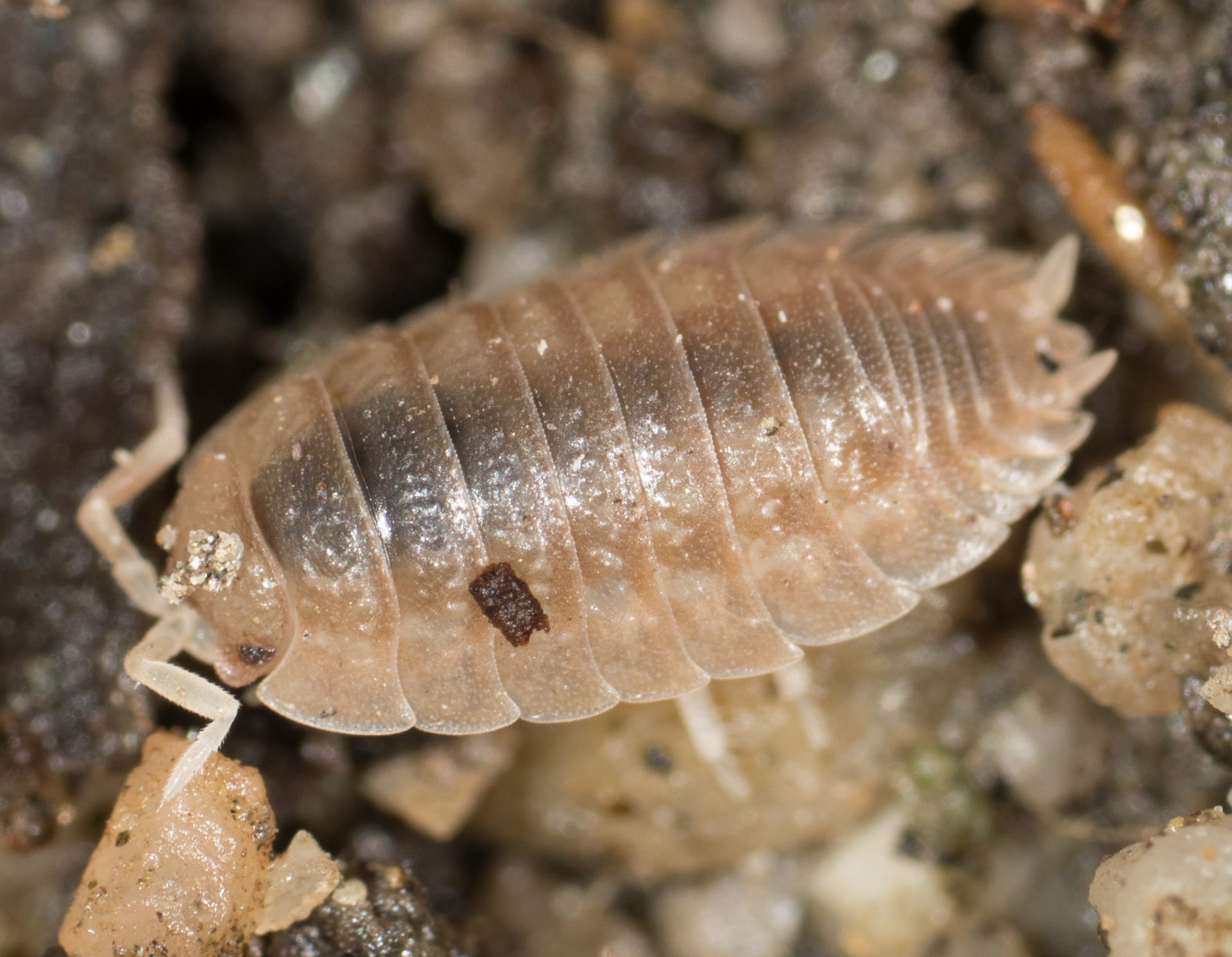
 © Jesse Rorabaugh / CC0
Giant Canyon Isopod
The Giant Canyon Isopod is a hardy woodlouse native to southwestern Europe that has established itself around buildings worldwide. Its broad, oval body ranges from gray to dark brown, and it favors burrowing into the substrate, so it tends to stay hidden during the day but becomes more active at night or at feeding time. Highly tolerant of dry conditions and quick to adapt to changing environments, it's considered a great entry-level species for anyone new to keeping isopods. It also earns its keep as a cleanup crew member, making it a popular addition to mixed vivarium setups.
View Giant Canyon Isopod encyclopedia →0% commission on your first sales!Register by September 30, 2026 and your first 2 sales are commission-free!
Breeder Wanted!
List on BreederDirect and sell directly to customers nationwide!
5 Transparency Standards You Can Trust
When listing Exotic Invertebrates, Breeders disclose the following. We guarantee transparency on growth stage and breeding unit.
- Real Photos
- Breeding Unit
- Generation Info
- Body Length (mm)
- Country of Origin
Browse all 249 breeds
Verified breeders wanted for Exotic Invertebrates
Breeders are signing up now ahead of launch. Subscribe to be notified when new listings go live.
Getting alerts is free with a member account. When new listings match your saved search, we'll notify you by email and in-app.
Browse other categories
Verified breeders (preview)
Are you raising exotic invertebrates?
Register as a breeder and connect with buyers directly.
Apply as a breederGiant Canyon Isopod key facts
- Care level
- Beginner-friendly
- Lifespan
- 2-3 years
- Size
- About 15-20mm
- Temperature
- 15〜26℃
- Humidity
- 50〜70%
- Diet
- Leaf litter, rotten wood and substrate humus as staples, with vegetables, fruit, protein and a calcium source.
- Temperature & Humidity
- 15-26C and 50-70% humidity. Keep one third moist and the rest dry; fairly drought tolerant.
- Enclosure
- It burrows and eats substrate, so lay leaf humus at least 5-10cm deep topped with moss, rotten wood and leaves.
- Diet & Feeding
- Keep leaf litter and rotten wood available; add vegetables, fruit, protein and calcium.
- Temperament & Venom
- Harmless. Nocturnal and active at dawn, burrowing by day. Keep in groups.
- Notes
- Established around buildings worldwide, so never release outdoors. Burrowing makes head counts difficult.
About Giant Canyon Isopod
The Giant Canyon Isopod is a hardy, southwestern European woodlouse with a broad gray-to-brown oval body. It burrows readily, tolerates dry conditions well, and makes an easy, beginner-friendly cleanup crew species.
7 things to know before welcoming a Giant Canyon Isopod
1Burrowing Habit
Giant Canyon Isopods use their broad, flattened bodies to burrow into the substrate. They typically stay hidden in the soil or under cover during the day, so if you want to watch them regularly, provide substrate with some depth and moisture retention.
2Drought Tolerance
This species handles dry conditions unusually well, which makes husbandry mistakes more forgivable. Still, activity slows if the substrate dries out completely, so keep a portion of it lightly moist for the best results.
3A Beginner-Friendly Species
Giant Canyon Isopods are rated as beginner-friendly, making them a great choice if you're new to keeping isopods. No specialized equipment is needed — a basic enclosure setup is enough to keep them thriving long-term.
4A Natural Cleanup Crew
Thanks to their habit of breaking down dead leaves, decaying wood, and leftover food, they're widely used as a cleanup crew in vivariums. Many keepers house them alongside other animals specifically to help maintain the enclosure.
5Diet and Feeding
They're omnivorous but feed mainly on plant matter like dead leaves and decaying wood; offering occasional protein sources such as vegetable scraps or fish flake can round out their diet. Remove uneaten food regularly, since leftovers can encourage mold.
6Temperature and Humidity
They do well in typical indoor room conditions without extreme heat or excess humidity. Check the substrate's moisture level regularly and mist lightly as needed to keep them comfortable.
7Preparing Before Arrival
Set up substrate, hides, and a misting routine before your isopods arrive so they can settle into a stable environment right away. It's a good idea to start with a small group and expand the colony once you're comfortable with their care.
Frequently asked questions about Giant Canyon Isopod
- Q.Are Giant Canyon Isopods suitable for beginners?
- A.Yes, they're rated as a beginner-friendly species thanks to their hardiness and tolerance for dry conditions. A basic enclosure setup is enough to keep them successfully.
- Q.How big do they get?
- A.Adults reach about 1.5 to 2 cm in body length, a fairly compact size among isopods.
- Q.Is it normal to rarely see them during the day?
- A.Yes, they burrow into the substrate and tend to stay hidden during daylight hours. You're more likely to spot activity at night or around feeding time.
- Q.What should I feed them?
- A.They're omnivorous with a diet centered on plant matter like dead leaves and decaying wood, supplemented occasionally with vegetable scraps. Remove any uneaten food promptly to prevent mold.
- Q.Can they be kept alongside other animals?
- A.As natural decomposers, they're commonly kept alongside other animals as a cleanup crew in vivariums. That said, check that the specific environmental needs of any tankmates are compatible first.
Learn more about Giant Canyon Isopod in the encyclopedia
View Giant Canyon Isopod encyclopedia entry →
Care difficulty, lifespan, size and diet — all basics covered.
More in this category
Can't find the one you're looking for?
Post your wishes for free and breeders with matching animals will contact you with introductions.