 © Mmsmr / CC0
Amami Whip Scorpion
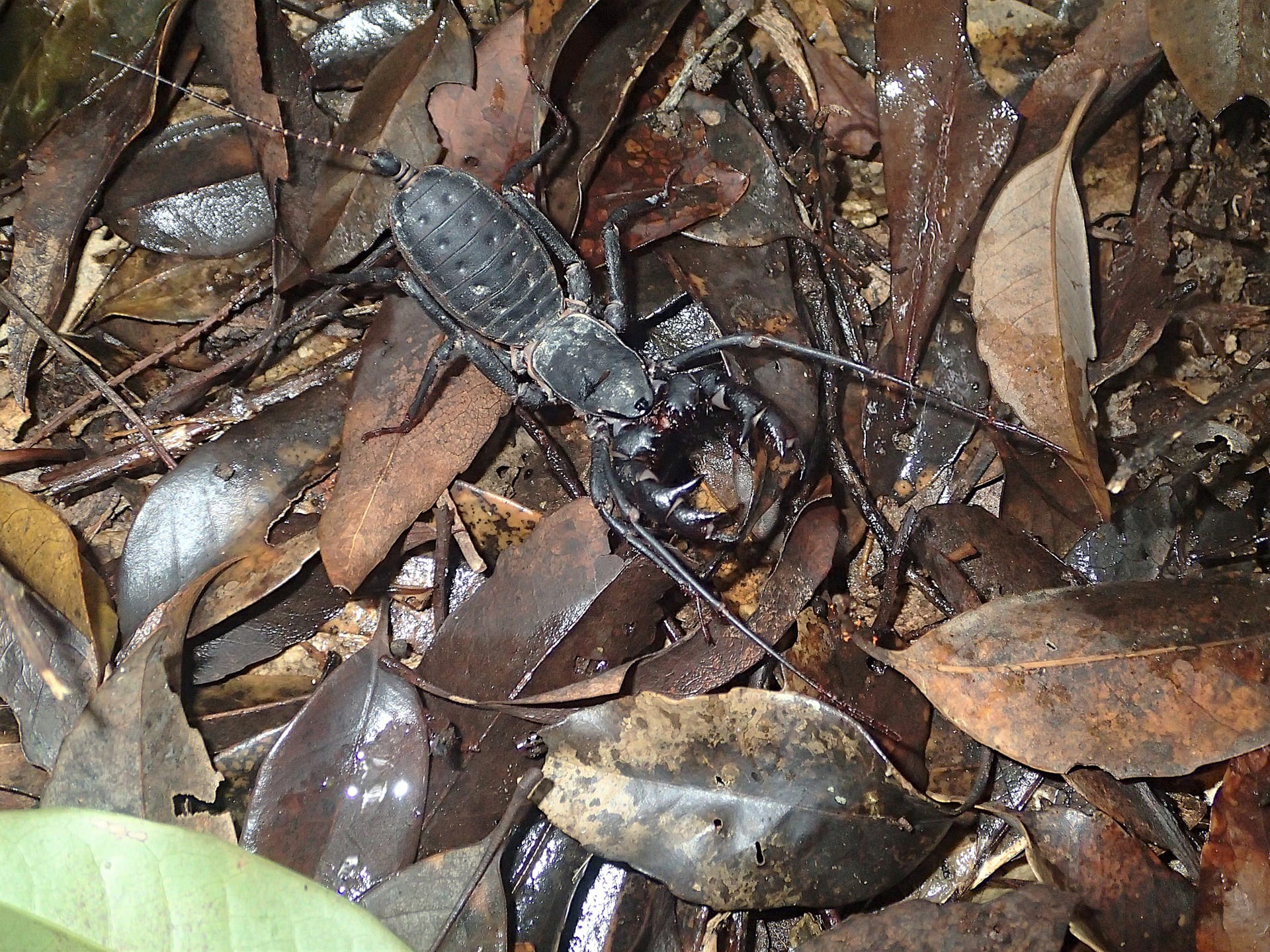
The Amami whip scorpion is Japan's only native whip scorpion, found from the southern part of Kyushu through the Amami Islands. Though its body is a compact 4 cm or so, its whip-like tail stretches out well beyond that length, and its near-black body is set off by a faint reddish tint along the legs and tail. It has no venomous sting and isn't much of a biter, but when startled it defends itself by spraying a strong, vinegar-like liquid from glands near the base of its tail. Nocturnal by nature, it tends to stay tucked away during the day, making for a calm, low-key presence that has made it a favorite among keepers exploring the world of exotic invertebrates.
View Amami Whip Scorpion encyclopedia →0% commission on your first sales!Register by September 30, 2026 and your first 2 sales are commission-free!
Breeder Wanted!
List on BreederDirect and sell directly to customers nationwide!
5 Transparency Standards You Can Trust
When listing Exotic Invertebrates, Breeders disclose the following. We guarantee transparency on growth stage and breeding unit.
- Real Photos
- Breeding Unit
- Generation Info
- Body Length (mm)
- Country of Origin
Browse all 249 breeds
Verified breeders wanted for Exotic Invertebrates
Breeders are signing up now ahead of launch. Subscribe to be notified when new listings go live.
Getting alerts is free with a member account. When new listings match your saved search, we'll notify you by email and in-app.
Browse other categories
Verified breeders (preview)
Are you raising exotic invertebrates?
Register as a breeder and connect with buyers directly.
Apply as a breederAmami Whip Scorpion key facts
- Care level
- Intermediate
- Lifespan
- 5-7 years
- Size
- Body about 4cm, with a flagellum longer than the body
- Temperature
- 22〜26℃
- Humidity
- 75〜90%
- Diet
- Insects and spiders such as crickets, flies and red runner roaches
- Temperature & Humidity
- No source gives figures for this species; the values follow published practice for the congeneric Typopeltis sp. from Java, 22-26 C and 75-90%. As it occurs naturally in southern Kyushu, high temperatures are not required.
- Enclosure
- A deep bed of damp humus-rich substrate with stone or bark hides. Dark retreats for daytime are essential.
- Diet & Feeding
- It hunts insects and spiders. Unlike scorpions it has a large appetite and needs feeding almost daily.
- Temperament & Venom
- It has no venom glands but sprays a fluid of 80% acetic acid, 5% caprylic acid and 15% water up to 20cm from its anal glands. It stings on skin and causes severe pain in the eyes, so never work with your face close.
- Notes
- Cannibalism is frequent in captivity, so house singly. The species is native to Japan and collection may be restricted in protected areas. This species was formerly regarded as conspecific with the Taiwan whip scorpion (Typopeltis crucifer) of Okinawa, and specimens offered without locality data cannot be told apart. They are separate species with different native ranges, so check both locality and scientific name.
About Amami Whip Scorpion
Care guide for the Amami whip scorpion, Japan's only native whip scorpion. Found in Kyushu and the Amami Islands, it reaches about 4 cm with reddish legs and a long whip-like tail, and sprays a vinegar-like scent when threatened.
7 things to know before welcoming a Amami Whip Scorpion
1Best for Intermediate Keepers
The Amami whip scorpion is generally considered a species for intermediate keepers. Beyond basic temperature and humidity control and hide placement, keepers need to understand how to handle its defensive spray, which differs from the care other arachnids and beetles require.
2No Sting — Just a Spray
Unlike true scorpions, it has no venomous sting, and its pincers deliver only a light pinch, so it isn't particularly aggressive. That said, when startled it can spray a strong, vinegar-like liquid from glands near the base of its tail, so it's best handled calmly and without sudden movements.
3A Hideout-Centered Setup
During the day these whip scorpions tend to stay tucked away in hides, so a fairly deep substrate layer along with cork bark or driftwood hides will help it feel secure. Having a reliable hiding spot makes it much more settled in captivity.
4Keep Humidity on the Higher Side
Since the species is native to the warm, humid Amami islands, its enclosure should maintain a reasonably high humidity level. Avoid letting the substrate dry out completely, and mist periodically to keep moisture in an appropriate range.
5Nocturnal and Quiet by Day
As a nocturnal animal, it's often motionless and out of sight during the day — that doesn't mean anything is wrong. Observing it at night is the best way to see it walking on its long legs or investigating for food.
6A Tail Longer Than Its Body
Body length is only around 4 cm, but the whip-like tail extends well beyond that. This tail functions as a sensory organ used to feel out its surroundings, so it shouldn't be touched or pulled.
7Prep Your Setup Before Arrival
Have the enclosure, substrate, hides, and temperature/humidity equipment ready before bringing your whip scorpion home. Right after transport it can be more sensitive to change, so give it a quiet space to settle in first.
Frequently asked questions about Amami Whip Scorpion
- Q.Is it venomous? Is a bite dangerous?
- A.The Amami whip scorpion has no venomous sting, and its pincers deliver only a light pinch, so it isn't particularly aggressive. That said, if startled it can spray a strong, vinegar-like liquid from glands near its tail, so it's best to handle it calmly rather than suddenly.
- Q.Is this species suitable for beginners?
- A.According to our species data, it's generally considered suitable for intermediate keepers. You'll want a handle on humidity and temperature control as well as how to respond to its defensive spray, so some prior keeping experience or thorough research beforehand is recommended.
- Q.How large does it get?
- A.Adults reach a body length of about 4 cm. Because the whip-like tail extends well beyond the body itself, it can look noticeably larger in person.
- Q.I heard it sprays a smell — does it smell all the time?
- A.It doesn't give off an odor under normal conditions. The vinegar-like spray from its tail glands is a defensive reaction triggered only when it feels threatened or is handled roughly, so it isn't something that happens often with careful, gentle care.
- Q.Is it regulated under CITES?
- A.The Amami whip scorpion is not subject to CITES.
Learn more about Amami Whip Scorpion in the encyclopedia
View Amami Whip Scorpion encyclopedia entry →
Care difficulty, lifespan, size and diet — all basics covered.
More in this category
Can't find the one you're looking for?
Post your wishes for free and breeders with matching animals will contact you with introductions.