 © Michael Gäbler / CC BY 3.0
Bahia Scarlet Birdeater
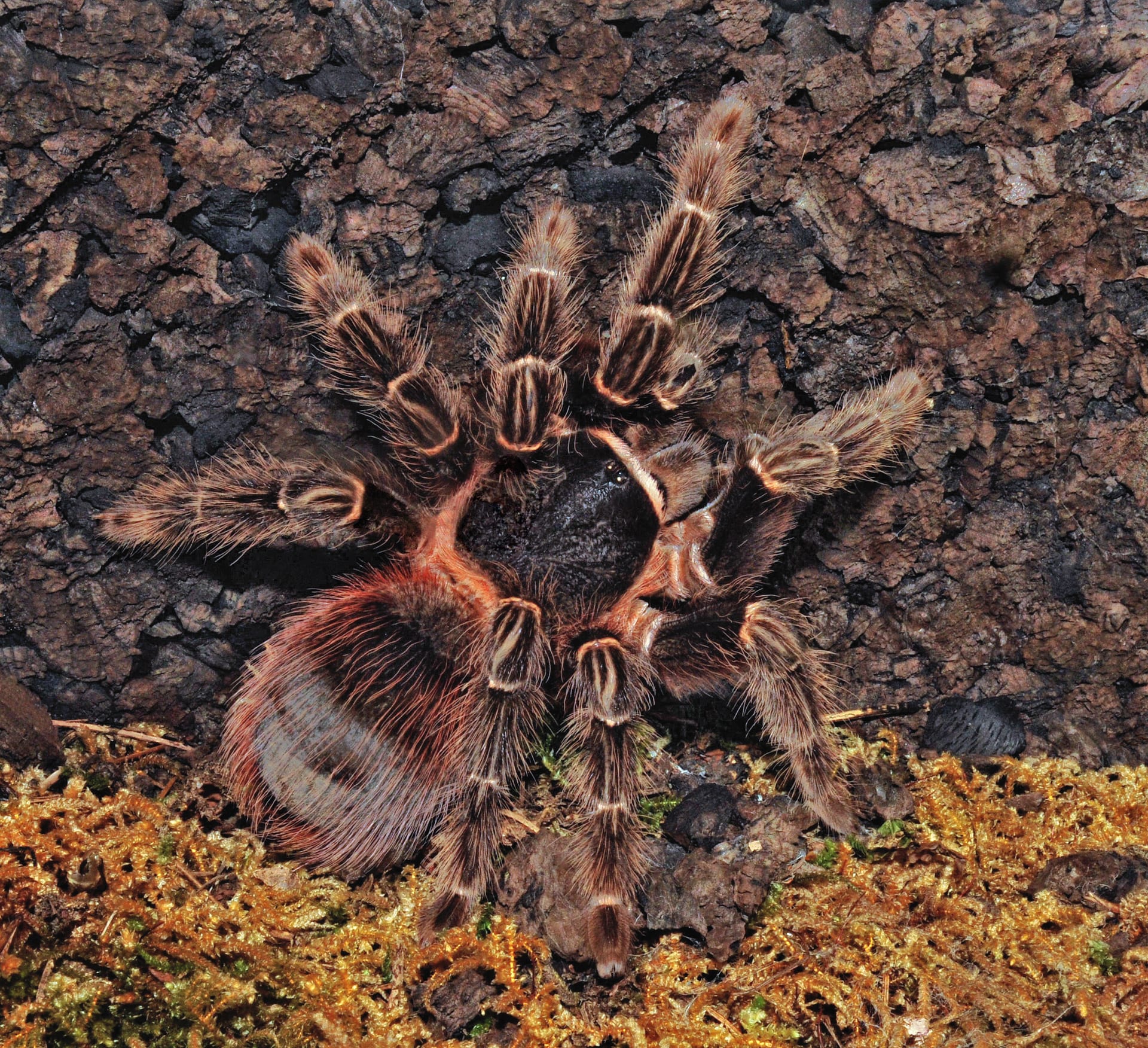
The Bahia Scarlet Birdeater is a large, ground-dwelling tarantula native to Bahia state in Brazil. Its dark brown body is set off by long, reddish hairs covering the abdomen, and adults can reach a legspan of over 20 cm, giving it a bold, substantial presence. It spends much of its time still and on display, but it is quick to flick urticating hairs from its abdomen when it feels threatened, so careful handling matters. Being terrestrial, it's relatively easy to house, though its defensive temperament places it firmly in intermediate-keeper territory, making it a good match for enthusiasts drawn to striking, wild-looking tarantulas.
View Bahia Scarlet Birdeater encyclopedia →0% commission on your first sales!Register by September 30, 2026 and your first 2 sales are commission-free!
Breeder Wanted!
List on BreederDirect and sell directly to customers nationwide!
5 Transparency Standards You Can Trust
When listing Exotic Invertebrates, Breeders disclose the following. We guarantee transparency on growth stage and breeding unit.
- Real Photos
- Breeding Unit
- Generation Info
- Body Length (mm)
- Country of Origin
Browse all 249 breeds
Verified breeders wanted for Exotic Invertebrates
Breeders are signing up now ahead of launch. Subscribe to be notified when new listings go live.
Getting alerts is free with a member account. When new listings match your saved search, we'll notify you by email and in-app.
Browse other categories
Verified breeders (preview)
Are you raising exotic invertebrates?
Register as a breeder and connect with buyers directly.
Apply as a breederAbout Bahia Scarlet Birdeater
A large ground-dwelling tarantula from Bahia, Brazil, with a dark brown body and reddish abdominal hairs. Legspan exceeds 20 cm. Its defensive use of urticating hairs makes it an intermediate-level species.
7 things to know before welcoming a Bahia Scarlet Birdeater
1Defensive Urticating Hairs
When startled, this species kicks fine urticating hairs from its abdomen into the air as a defense mechanism. Contact with skin, eyes, or airways can cause irritation, so take care during cage maintenance and avoid getting too close.
2Terrestrial Housing Needs
A ground-dwelling species that roams the substrate rather than climbing, so a wide, low enclosure with generous floor space suits it better than a tall one. Providing a hide helps it settle in.
3Grows Quite Large
Adults reach a legspan of 20–25 cm and a body length of 9–10 cm. If you start with a juvenile, plan to upgrade the enclosure size as it grows.
4Lifespan Differs by Sex
Females are long-lived, with a maximum lifespan of around 20 years, while males live only about 5 years after maturing. If you're hoping for a long-term companion, a female is the better choice.
5A Defensive Temperament
This is not a docile, easy-handling species — it's sensitive to disturbance and may adopt a threat posture when alarmed. It's best kept as a species to observe rather than handle.
6Feeding Basics
Feeding mainly on insects like crickets, this species is hardy and typically has a good appetite. Remove uneaten prey promptly and keep fresh water available to support its health.
7Set Up Before You Bring One Home
Prepare the essentials in advance — a wide enclosure, substrate, a hide, and a water dish — so everything is ready before your tarantula arrives. Given its defensive nature, long feeding tongs for maintenance are a helpful addition.
Frequently asked questions about Bahia Scarlet Birdeater
- Q.Can beginners keep a Bahia Scarlet Birdeater?
- A.It's generally considered a species for intermediate keepers due to its defensive temperament and use of urticating hairs. Day-to-day care isn't especially difficult, but prior tarantula-keeping experience is recommended.
- Q.How dangerous are the urticating hairs?
- A.Contact with skin can cause itching or a rash, and exposure to the eyes or airways may lead to irritation. When cleaning or doing maintenance, stay aware of where the hairs are being flicked and avoid getting your face too close.
- Q.Why do males and females have such different lifespans?
- A.As with many tarantula species, males tend to have a much shorter lifespan once they reach maturity. In the Bahia Scarlet Birdeater, females can live around 20 years while males typically live about 5.
- Q.How big a cage does it need?
- A.Since it's terrestrial, a wide enclosure with plenty of floor space matters more than height. Because adults reach a legspan of 20–25 cm, choose a size that allows room to grow.
- Q.Can it be housed with other tarantulas?
- A.Tarantulas are generally solitary and should be kept one per enclosure, since housing them together carries a real risk of cannibalism. Provide a separate cage for each individual.
Learn more about Bahia Scarlet Birdeater in the encyclopedia
View Bahia Scarlet Birdeater encyclopedia entry →
Care difficulty, lifespan, size and diet — all basics covered.
More in this category
Can't find the one you're looking for?
Post your wishes for free and breeders with matching animals will contact you with introductions.