White Shark Isopod
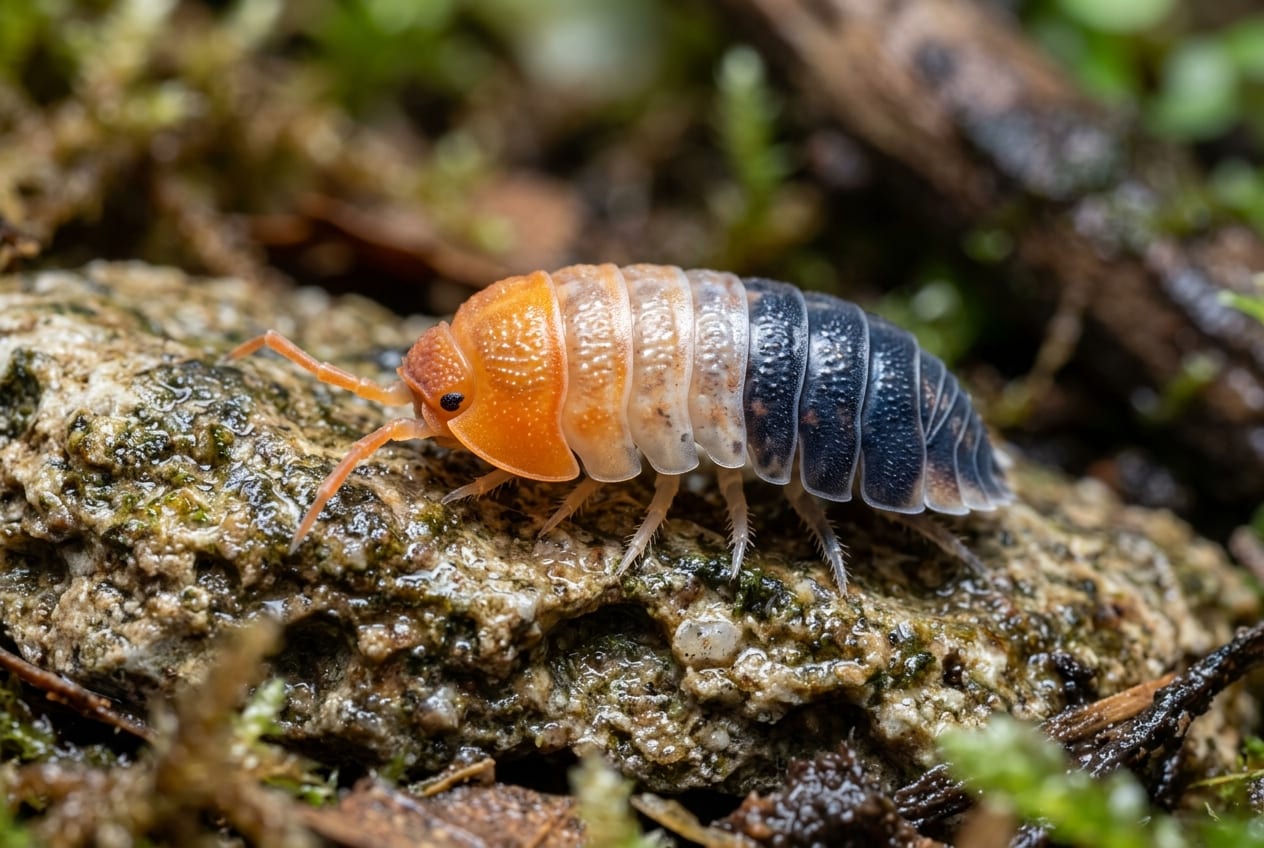
The White Shark Isopod is a small isopod, growing to about 8mm, native to limestone regions of Thailand. Its body is divided into three bands — orange at the front, a pale midsection, and deep blue-black at the rear — so that when it curls into a ball, the pattern resembles a shark's silhouette. Among Cubaris isopods it's known for being hardy and readily forming breeding colonies, making it approachable once you're past the basics. Its tiny size and calm, unhurried movements make it rewarding to watch closely, though keeping its coloration and markings healthy takes some acquired know-how — hence its intermediate difficulty rating. A thriving colony of these tricolor isopods adds a striking splash of color to any invertebrate collection.
View White Shark Isopod encyclopedia →0% commission on your first sales!Register by September 30, 2026 and your first 2 sales are commission-free!
Breeder Wanted!
List on BreederDirect and sell directly to customers nationwide!
5 Transparency Standards You Can Trust
When listing Exotic Invertebrates, Breeders disclose the following. We guarantee transparency on growth stage and breeding unit.
- Real Photos
- Breeding Unit
- Generation Info
- Body Length (mm)
- Country of Origin
Browse all 249 breeds
Verified breeders wanted for Exotic Invertebrates
Breeders are signing up now ahead of launch. Subscribe to be notified when new listings go live.
Getting alerts is free with a member account. When new listings match your saved search, we'll notify you by email and in-app.
Browse other categories
Verified breeders (preview)
Are you raising exotic invertebrates?
Register as a breeder and connect with buyers directly.
Apply as a breederWhite Shark Isopod key facts
- Care level
- Intermediate
- Lifespan
- 1.5-2 years
- Size
- About 8mm
- Temperature
- 24〜28℃
- Humidity
- 60〜80%
- Diet
- Leaf litter and white-rotted wood as the base, vegetable once or twice a week and regular protein, with crushed limestone or cuttlebone always available
- Temperature & Humidity
- 24-28C, with the upper end favouring breeding. Hold 60-80% humidity, one side damp like a wrung-out cloth and the other drier.
- Enclosure
- Give 7-10cm of substrate built on flake soil, white-rotted hardwood and organic topsoil with crushed limestone throughout. Do not base it on coco coir.
- Diet & Feeding
- Leaf litter and white-rotted wood are the staples, with vegetable once or twice a week and regular protein. Put food on the drier side so it does not spoil.
- Temperament & Venom
- Harmless to people and conglobates when disturbed. Kept in groups; split or upsize the enclosure as numbers climb.
- Notes
- Standing water at the base wipes out a dwarf colony fast. Add a springtail culture to keep mould in check.
About White Shark Isopod
A small Thai isopod (about 8mm) with a shark-like tricolor pattern — orange, pale, and blue-black. Hardy and easy to breed within Cubaris, suited to intermediate keepers.
7 things to know before welcoming a White Shark Isopod
1Tiny Adult Size
Adults reach only about 8mm, making this one of the smaller isopods you'll keep. A magnifying glass or close-up view helps you appreciate the coloring, and since they often burrow, don't be surprised if they disappear from sight for a while.
2Intermediate Difficulty
It's hardy for a Cubaris isopod, but getting temperature and humidity right still takes some experience, which is why it's rated for intermediate keepers. First-time isopod keepers may want to start with a tougher beginner species before taking this one on.
3Striking Tricolor Pattern
The signature feature is its three-band coloring — orange at the front, pale in the middle, and deep blue-black at the rear. When curled up, the pattern resembles a shark's silhouette, which is where the name comes from. Coloring can vary somewhat between individuals and life stages, adding to the fun of watching them.
4Calcium-Rich Substrate
Since this species comes from limestone regions of Thailand, adding calcium-rich material to the substrate — crushed coral or oyster shell powder, for example — is a good idea. Keep humidity moderate and ensure good ventilation so the enclosure doesn't stay too wet.
5Hardy & Easy to Breed
Among Cubaris isopods, this one is known for being hardy and breeding readily once conditions are right, with colonies building up steadily. That said, sudden swings in temperature or humidity can still stress them, so make adjustments gradually.
6Plenty of Hiding Spots
These isopods have a strong instinct to stay hidden, so provide plenty of rotting wood, leaf litter, and cork bark for cover. They tend to avoid bright areas and cluster in sheltered spots, so a more complex layout will help them settle in.
7Keep as a Single Species
Housing them with other isopods risks crossbreeding or competition for resources, so it's best to keep this as a single-species setup. This matters especially if you want a colony to grow steadily, since introducing other species into the same enclosure can disrupt that.
Frequently asked questions about White Shark Isopod
- Q.Is this species suitable for beginners?
- A.It's generally rated as suited to intermediate keepers rather than absolute beginners. If you're new to isopods, it helps to first get comfortable with temperature and humidity management using a hardier beginner species before taking this one on.
- Q.How big do adults get?
- A.Adults stay quite small, reaching only about 8mm in length. Getting close or using a magnifying glass helps you appreciate the tricolor pattern more clearly.
- Q.Can it be kept with other isopod species?
- A.It's generally best kept as a single species, since mixing with other isopods risks crossbreeding or competition. This is especially important if you want a colony to build up steadily.
- Q.Are there any legal restrictions on importing or keeping this species?
- A.The White Shark Isopod is not subject to CITES. There's no need to worry about CITES-related procedures when acquiring or keeping it.
- Q.Where does the name come from?
- A.The body is divided into three colored bands — orange at the front, pale in the middle, and deep blue-black at the rear — so a curled-up individual resembles a shark's silhouette. The species originates from limestone regions of Thailand.
Learn more about White Shark Isopod in the encyclopedia
View White Shark Isopod encyclopedia entry →
Care difficulty, lifespan, size and diet — all basics covered.
More in this category
Can't find the one you're looking for?
Post your wishes for free and breeders with matching animals will contact you with introductions.