 © Sarka Masova / CC BY 4.0
Thailand Black Tarantula
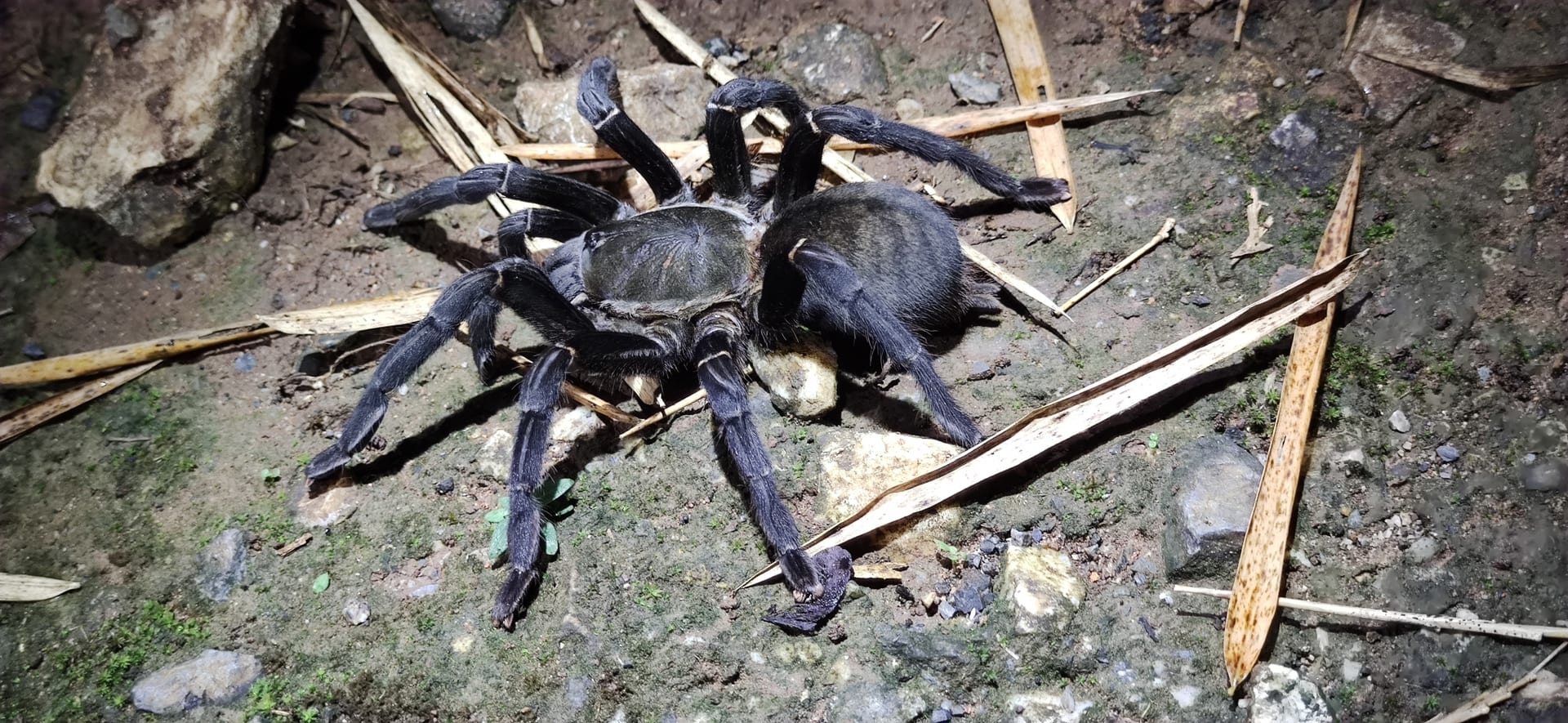
The Thailand Black Tarantula is a fossorial species native to Southeast Asia, with an almost uniformly black body accented only by orange fringe hairs on the knees and shins of its legs. True to its name, it digs deep burrows and spends most of its life out of sight, making brief above-ground appearances all the more rewarding. It is also highly defensive and quick to display a threat posture when disturbed. With its understated coloring and fascinating burrowing behavior, this is a striking species best suited to experienced keepers.
View Thailand Black Tarantula encyclopedia →0% commission on your first sales!Register by September 30, 2026 and your first 2 sales are commission-free!
Breeder Wanted!
List on BreederDirect and sell directly to customers nationwide!
5 Transparency Standards You Can Trust
When listing Exotic Invertebrates, Breeders disclose the following. We guarantee transparency on growth stage and breeding unit.
- Real Photos
- Breeding Unit
- Generation Info
- Body Length (mm)
- Country of Origin
Browse all 249 breeds
Verified breeders wanted for Exotic Invertebrates
Breeders are signing up now ahead of launch. Subscribe to be notified when new listings go live.
Getting alerts is free with a member account. When new listings match your saved search, we'll notify you by email and in-app.
Browse other categories
Verified breeders (preview)
Are you raising exotic invertebrates?
Register as a breeder and connect with buyers directly.
Apply as a breederThailand Black Tarantula key facts
- Care level
- Advanced
- Lifespan
- Females up to 12 years, males 2-3 years
- Size
- Body about 7cm, leg span about 13cm
- Temperature
- 24〜28℃
- Humidity
- 70〜80%
- Diet
- Live insects such as crickets and roaches
- Temperature & Humidity
- Aim for 24-28C and 70-80% humidity. It comes from monsoon rainforest and tolerates seasonal swings in humidity.
- Enclosure
- It digs deep burrows, so provide thick substrate. The entrance flares out, so give it something to start digging against.
- Diet & Feeding
- Offer live crickets and roaches. It is an ambush predator and responds well to moving prey.
- Temperament & Venom
- It has no urticating hairs. When cornered it raises its front legs, strikes three or four times, then bites. It is not handled.
- Notes
- It is highly reclusive and rarely visible by day. It is sometimes traded under the old name Haplopelma minax.
About Thailand Black Tarantula
A fossorial tarantula from Southeast Asia with a black body and orange-fringed leg joints. Known for deep burrowing and high defensiveness, best suited to experienced keepers.
7 things to know before welcoming a Thailand Black Tarantula
1A Deep-Burrowing Species
Thailand Black Tarantulas dig their own deep burrows in the wild. In captivity, they need a substrate deep enough to allow natural burrowing behavior. Since they spend most of their time hidden, patient observation is part of keeping this species.
2Highly Defensive Temperament
This species is highly defensive, often rearing into a threat posture or bolting for cover when startled. Its bite is reported to cause significant pain, so handling should be avoided and extra caution is needed during tank maintenance.
3Recommended for Experienced Keepers
This species is classified as suitable for experienced keepers. It is better suited to those who already have tarantula-keeping experience rather than complete beginners. Researching the care requirements specific to fossorial species beforehand is recommended.
4Distinctive Coloration
Its most distinctive trait is an almost uniformly black body, set off by orange fringe hairs limited to the knee and shin joints of its legs. This subtle accent against the deep black gives the species its understated, striking appearance.
5Large Lifespan Gap Between Sexes
Females can live up to around 12 years, while males typically live only 2 to 3 years. If you want to enjoy long-term keeping, females are generally the choice — it's worth confirming the sex and expected lifespan before bringing one home.
6Expected Adult Size
Adults reach a body length of about 7 cm and a leg span of about 13 cm, making this a medium-sized species. Enclosures should provide enough floor space while also allowing sufficient substrate depth for burrowing.
7Things to Prepare Before Bringing One Home
Because it spends much of its time hidden and is highly defensive, this species doesn't suit keepers looking for frequent interaction. It's worth considering in advance whether you'll enjoy a quieter keeping style centered on observing burrowing behavior and burrow changes over time.
Frequently asked questions about Thailand Black Tarantula
- Q.Can I handle a Thailand Black Tarantula?
- A.Handling is not recommended, as this species is highly defensive and its bite is reported to be quite painful. It's best to observe through the enclosure glass and handle maintenance with care.
- Q.Does the enclosure need deep substrate?
- A.Yes. Since this is a fossorial species that digs its own burrows, it's important to provide substrate deep enough for natural burrowing behavior.
- Q.How does the keeping period differ between males and females?
- A.Females can live up to around 12 years, while males typically live only 2 to 3 years. Females are usually chosen for a longer-term keeping relationship.
- Q.Is this a good choice for a first-time tarantula keeper?
- A.This species is classified as suitable for experienced keepers rather than beginners. It's advisable to gain experience with other species before taking one on.
- Q.Are there any CITES restrictions on this species?
- A.The Thailand Black Tarantula is not subject to CITES.
Learn more about Thailand Black Tarantula in the encyclopedia
View Thailand Black Tarantula encyclopedia entry →
Care difficulty, lifespan, size and diet — all basics covered.
More in this category
Can't find the one you're looking for?
Post your wishes for free and breeders with matching animals will contact you with introductions.