 © Psychonaught / CC0
Skeleton Tarantula
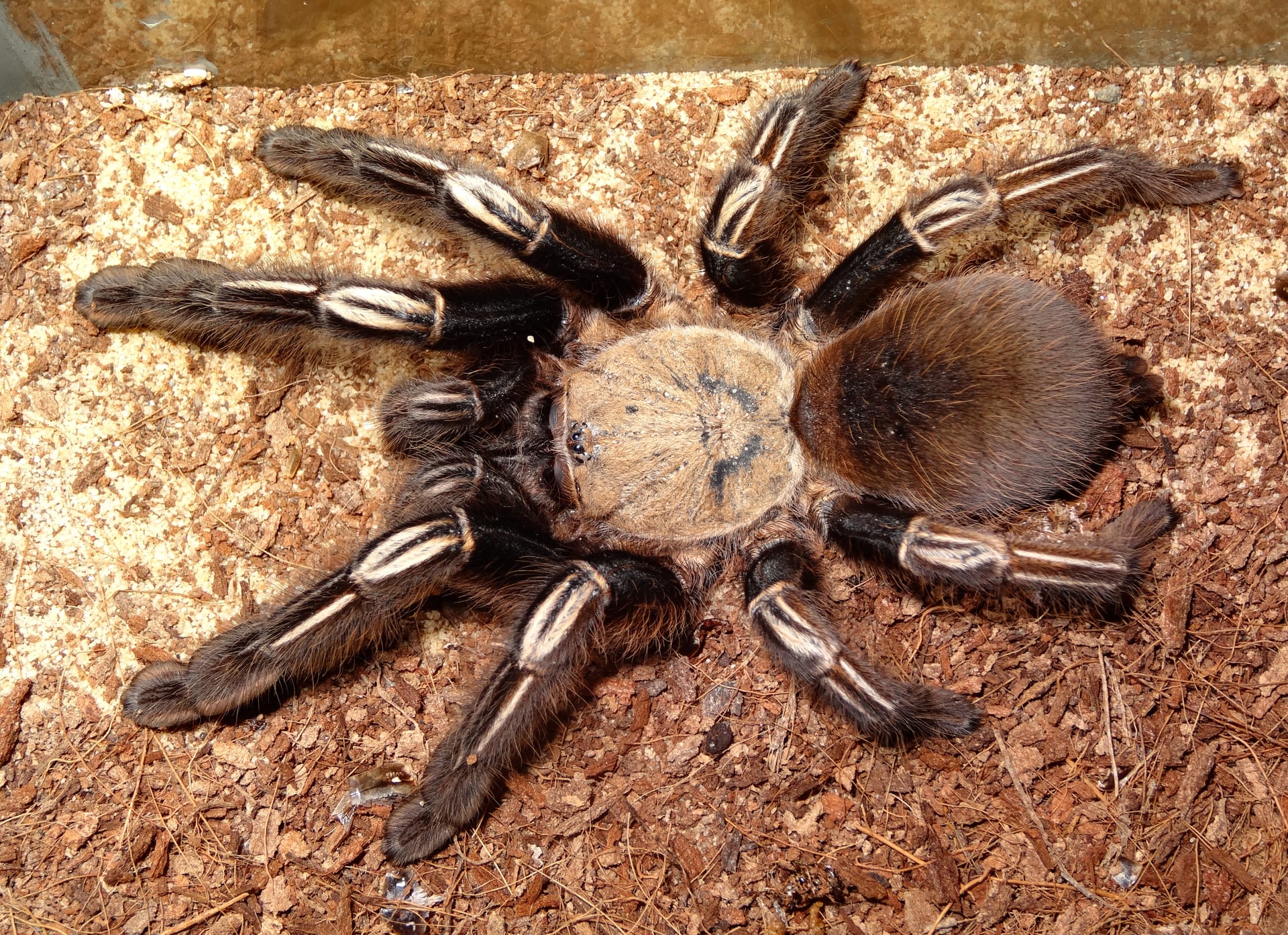
The Skeleton Tarantula is a ground-dwelling species named for the bone-like yellowish-white stripes running down its black legs. Unlike most tarantulas, which carry urticating hairs on the abdomen, this species has them on the femur of its pedipalps — a trait unique to the genus Ephebopus. In the wild and in captivity, it digs a burrow and lines it with dense webbing, making its excavation behavior fascinating to watch. It moves quickly and tends to retreat into its burrow when startled, showing a cautious streak alongside its striking looks. With both a distinctive appearance and intriguing natural history, it's considered a species best suited to keepers with some prior experience.
View Skeleton Tarantula encyclopedia →0% commission on your first sales!Register by September 30, 2026 and your first 2 sales are commission-free!
Breeder Wanted!
List on BreederDirect and sell directly to customers nationwide!
5 Transparency Standards You Can Trust
When listing Exotic Invertebrates, Breeders disclose the following. We guarantee transparency on growth stage and breeding unit.
- Real Photos
- Breeding Unit
- Generation Info
- Body Length (mm)
- Country of Origin
Browse all 249 breeds
Verified breeders wanted for Exotic Invertebrates
Breeders are signing up now ahead of launch. Subscribe to be notified when new listings go live.
Getting alerts is free with a member account. When new listings match your saved search, we'll notify you by email and in-app.
Browse other categories
Verified breeders (preview)
Are you raising exotic invertebrates?
Register as a breeder and connect with buyers directly.
Apply as a breederSkeleton Tarantula key facts
- Care level
- Intermediate
- Lifespan
- Females 10-13 years / males 3-4 years
- Size
- Leg span 11-12cm, up to 15cm in females; body 5-6cm
- Temperature
- 22〜25℃
- Diet
- Live insects such as crickets, roaches and mealworms
- Temperature & Humidity
- Aim for 22-25 C and do not let it exceed 27 C. Its range is high-rainfall forest, so keep the substrate damp but not sodden.
- Enclosure
- It is terrestrial and burrows, so use a horizontal enclosure with a deep substrate layer. Add a cork bark hide and leave any burrow it makes undisturbed.
- Diet & Feeding
- Offer live crickets, roaches or mealworms. It is not a fussy feeder; roughly once a week is a good guide.
- Temperament & Venom
- It is fast and rears up to present its fangs when threatened. Its urticating hairs sit on the palpal femora, not the abdomen, and are flicked by rubbing the palps against the chelicerae.
- Notes
- A defensive species unsuited to handling. Prepare for both bolting and hair-flicking during maintenance, and check that the lid is secure.
About Skeleton Tarantula
A ground-dwelling tarantula with bone-like stripes on black legs. This Ephebopus species carries urticating hairs on its pedipalps rather than the abdomen and digs a silk-lined burrow. Best suited to intermediate keepers.
7 things to know before welcoming a Skeleton Tarantula
1Digs a Burrow to Live In
Unlike arboreal tarantulas, this species lives on the ground and digs its own burrow. It lines the inside with dense webbing, so the enclosure needs a deep enough substrate layer to let it dig freely.
2Urticating Hairs on the Pedipalps
Most tarantulas carry urticating hairs on the abdomen, but the genus Ephebopus — to which this species belongs — has them on the femur of the pedipalps instead. The location differs, but the same care around irritation still applies.
3Suited to Intermediate Keepers
This species is generally considered suitable for intermediate keepers. If you're new to tarantulas, it's a good idea to start with a hardier, easier species and build up experience first.
4Bone-Like Pattern on Black Legs
The standout feature is the bone-like yellowish-white striping across its black legs. The pattern renews with each molt, and its clarity and contrast can vary somewhat with the spider's growth stage.
5Quick-Moving and Somewhat Skittish
This species moves quickly and tends to bolt for its burrow when startled. Move slowly and avoid sudden motions during enclosure maintenance to keep it calm.
6Choose an Enclosure for Its Size
Adults typically have a leg span of about 11–12 cm, with females sometimes reaching up to 15 cm, and a body length of around 5–6 cm. Plan to size up the enclosure as it grows.
7Set Up the Enclosure Before Arrival
Prepare a deep substrate, a hide, and appropriate humidity before bringing one home, matching the needs of a burrowing, ground-dwelling species. This lets you settle in and enjoy watching it dig and build its burrow.
Frequently asked questions about Skeleton Tarantula
- Q.Can beginners keep a Skeleton Tarantula?
- A.It's generally considered a species for intermediate keepers. If this would be your very first tarantula, it's best to gain experience with a hardier, easier species first.
- Q.Is its venom dangerous?
- A.Like most tarantulas, its venom is generally considered mild, though reactions can vary between individuals and people. If bitten, avoid self-treating and consult a medical professional if needed.
- Q.Where are its urticating hairs located?
- A.Most tarantulas have urticating hairs on the abdomen, but this species — part of the genus Ephebopus — carries them on the femur of its pedipalps instead. They still serve the same defensive purpose.
- Q.Do males and females differ in size?
- A.Females tend to grow larger, sometimes reaching a leg span of up to 15 cm. As a general guide, adults have a leg span of about 11–12 cm and a body length of around 5–6 cm.
- Q.What kind of setup does it need?
- A.Since it digs and lives in a burrow, it does best with a deep substrate layer, a hide, and consistent humidity. Watching it build and maintain its burrow is part of the appeal.
Learn more about Skeleton Tarantula in the encyclopedia
View Skeleton Tarantula encyclopedia entry →
Care difficulty, lifespan, size and diet — all basics covered.
More in this category
Can't find the one you're looking for?
Post your wishes for free and breeders with matching animals will contact you with introductions.