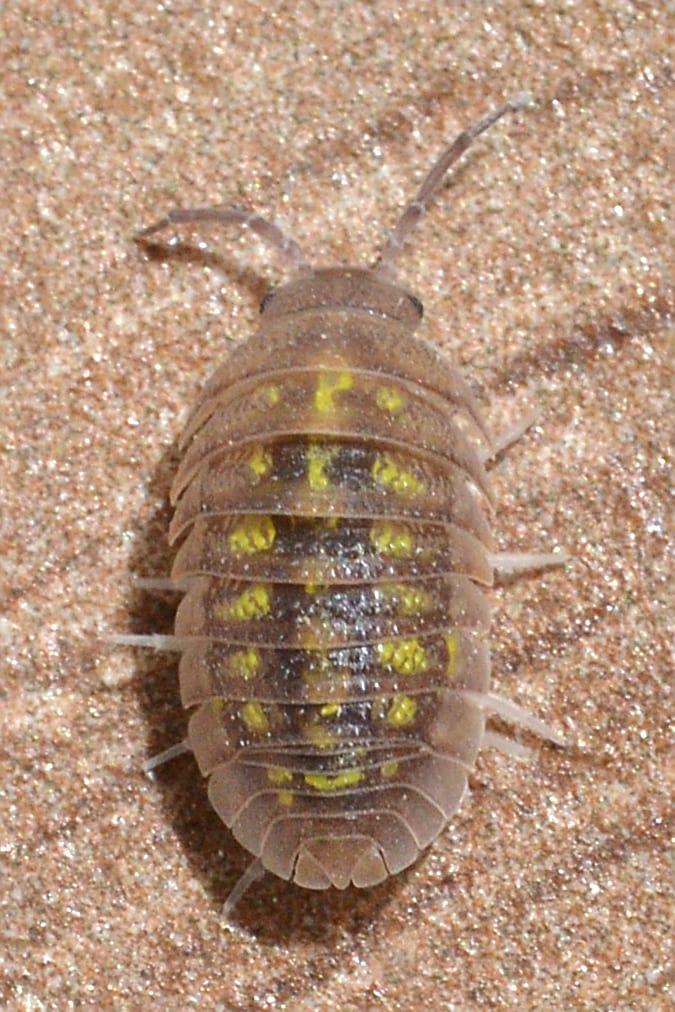
 © Ryan Hodnett / CC BY-SA 4.0
Granulatum Isopod
The Granulatum Isopod is one of the largest isopod species found in the hobby, native to the Iberian Peninsula and Mediterranean coastal regions. Adults reach up to 2.3 cm, and their black bodies are dotted with striking yellow spots. They are calm, undemanding animals that spend much of their time burrowing through substrate or sheltering beneath decaying wood. Kept at 20-30°C with 75-80% humidity, they thrive readily and tend to form large colonies, making group-keeping especially rewarding. Thanks to their hardiness, this species is generally considered beginner-friendly and a great starting point for anyone new to keeping isopods.
View Granulatum Isopod encyclopedia →0% commission on your first sales!Register by September 30, 2026 and your first 2 sales are commission-free!
Breeder Wanted!
List on BreederDirect and sell directly to customers nationwide!
5 Transparency Standards You Can Trust
When listing Exotic Invertebrates, Breeders disclose the following. We guarantee transparency on growth stage and breeding unit.
- Real Photos
- Breeding Unit
- Generation Info
- Body Length (mm)
- Country of Origin
Browse all 249 breeds
Verified breeders wanted for Exotic Invertebrates
Breeders are signing up now ahead of launch. Subscribe to be notified when new listings go live.
Getting alerts is free with a member account. When new listings match your saved search, we'll notify you by email and in-app.
Browse other categories
Verified breeders (preview)
Are you raising exotic invertebrates?
Register as a breeder and connect with buyers directly.
Apply as a breederGranulatum Isopod key facts
- Care level
- Beginner-friendly
- Lifespan
- 1-3 years
- Size
- Up to 23mm
- Temperature
- 20〜30℃
- Humidity
- 75〜80%
- Diet
- Leaf litter, rotting wood, vegetables, rolled oats, protein such as dried bloodworm
- Temperature & Humidity
- 20-30 C and 75-80% humidity. Keep moisture-retaining substrate damp while ensuring ventilation.
- Enclosure
- A ventilated plastic enclosure with coco coir or peat substrate, plenty of hides and substrate mounds.
- Diet & Feeding
- Leaf litter and rotting wood always available, supplemented with cooked vegetables, rolled oats and dried bloodworm.
- Temperament & Venom
- Harmless. Sociable and forms large colonies.
- Notes
- Keep in groups as a single species. Females produce up to 40 young per brood, so watch for overcrowding.
About Granulatum Isopod
One of the largest isopod species, native to the Iberian Peninsula and Mediterranean coast. Black body with yellow spots, thrives at 20-30°C and 75-80% humidity. Beginner-friendly, up to 2.3cm, 1-3 year lifespan.
7 things to know before welcoming a Granulatum Isopod
1Basic Habitat Setup
Aim for a stable environment of 20-30°C with a relatively high humidity of 75-80%. The substrate should stay moist but never waterlogged, so managing its moisture level is key. A ventilated lid also helps prevent excess condensation while keeping humidity where it needs to be.
2Best Kept in Colonies
Granulatum Isopods naturally form large colonies. Keeping a group together, rather than a single individual, makes it easier to observe their natural behavior and tends to support breeding. Give the enclosure enough space so the group doesn't become overcrowded.
3Calm but Shy Nature
These isopods are calm and pose essentially no risk of biting or stinging. They can be a bit shy, curling up or retreating into hiding spots when startled by noise or vibration. A gentle, hands-off approach to observation suits them best.
4Substrate and Hiding Spots
A generous layer of moisture-retentive substrate helps maintain humidity and gives them room to burrow. Adding decaying wood, dry leaves, or cork bark provides both shelter and a food source. Mist the substrate lightly whenever it starts to dry out.
5Diet and Feeding
As omnivores, they eat a wide range of foods including dead leaves, decaying wood, and vegetable scraps. Removing leftover food regularly helps prevent mold and keeps the enclosure hygienic. Offering a calcium source, such as crushed eggshell, supports proper shell hardening after molting.
6Molting Cycle Care
Like other isopods, this species molts periodically as it grows. Around molting, individuals often become less active or retreat into hiding, so it's best to avoid disturbing them during this time. Their exoskeleton is soft right after molting, so handling should be avoided until it hardens.
7Preparing Before Arrival
Set up the enclosure, substrate, hiding spots, and a mister for humidity control before bringing them home so they can settle in calmly. Installing a thermometer and hygrometer makes it easier to maintain the 20-30°C and 75-80% humidity range. Since their lifespan is around 1-3 years, plan for a habitat that will support them long-term.
Frequently asked questions about Granulatum Isopod
- Q.How long do Granulatum Isopods live?
- A.Their typical lifespan is around 1 to 3 years. This can vary somewhat by individual and by how well temperature and humidity are managed, so stable conditions help them live longer.
- Q.Are they suitable for beginners?
- A.Yes, this is generally considered a hardy, beginner-friendly species. As long as you can maintain 20-30°C and 75-80% humidity, they tend to do well.
- Q.How big do they get?
- A.Adults reach up to about 2.3 cm. That makes them one of the larger species among isopods kept as pets.
- Q.Can they be kept in groups?
- A.Yes, they naturally tend to form large colonies, so group-keeping suits them well. Just make sure the enclosure is spacious enough to avoid overcrowding.
- Q.Is this species subject to any legal restrictions?
- A.It is not subject to CITES.
Learn more about Granulatum Isopod in the encyclopedia
View Granulatum Isopod encyclopedia entry →
Care difficulty, lifespan, size and diet — all basics covered.
More in this category
Can't find the one you're looking for?
Post your wishes for free and breeders with matching animals will contact you with introductions.