Source: Wikimedia Commons
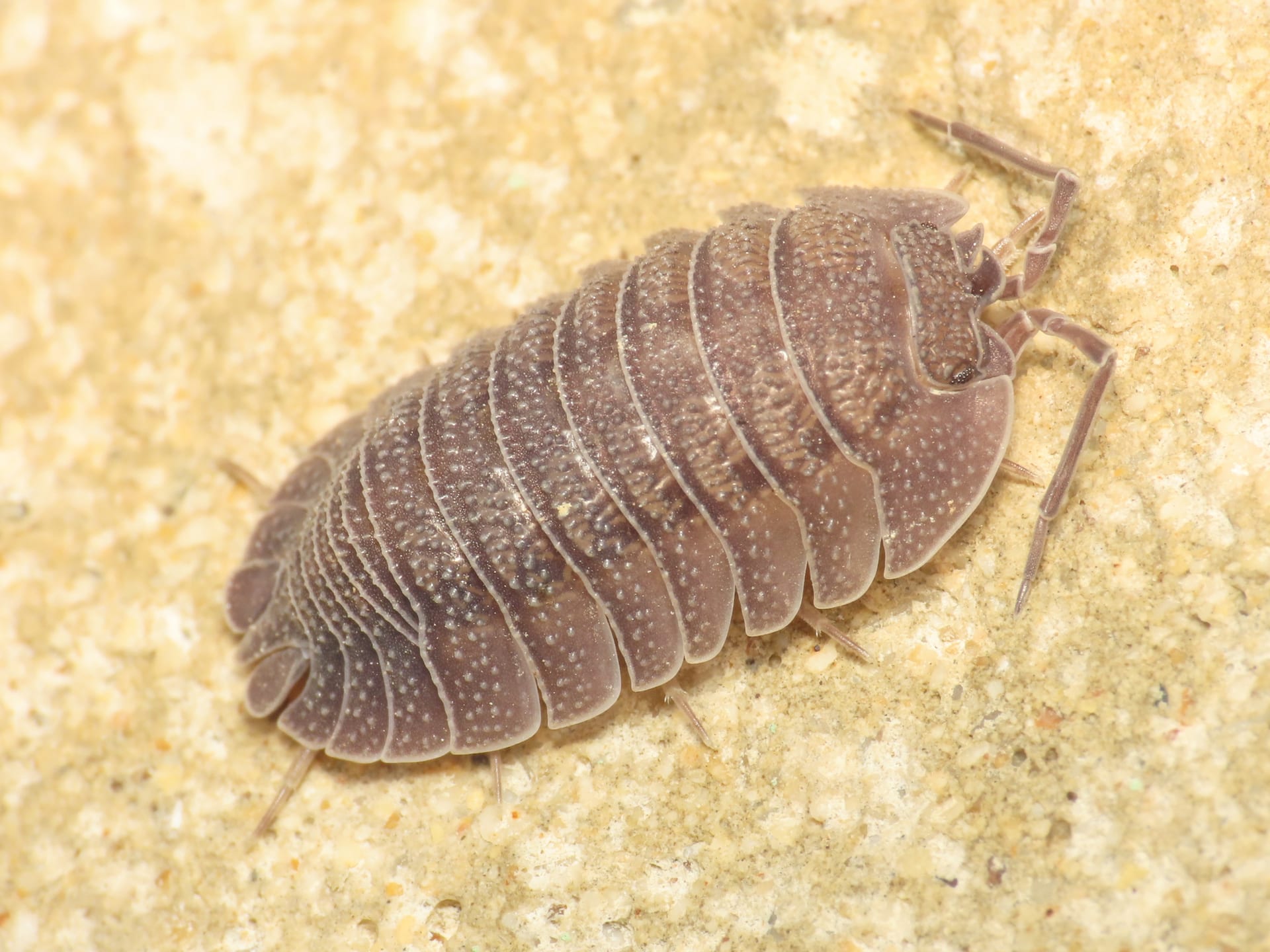
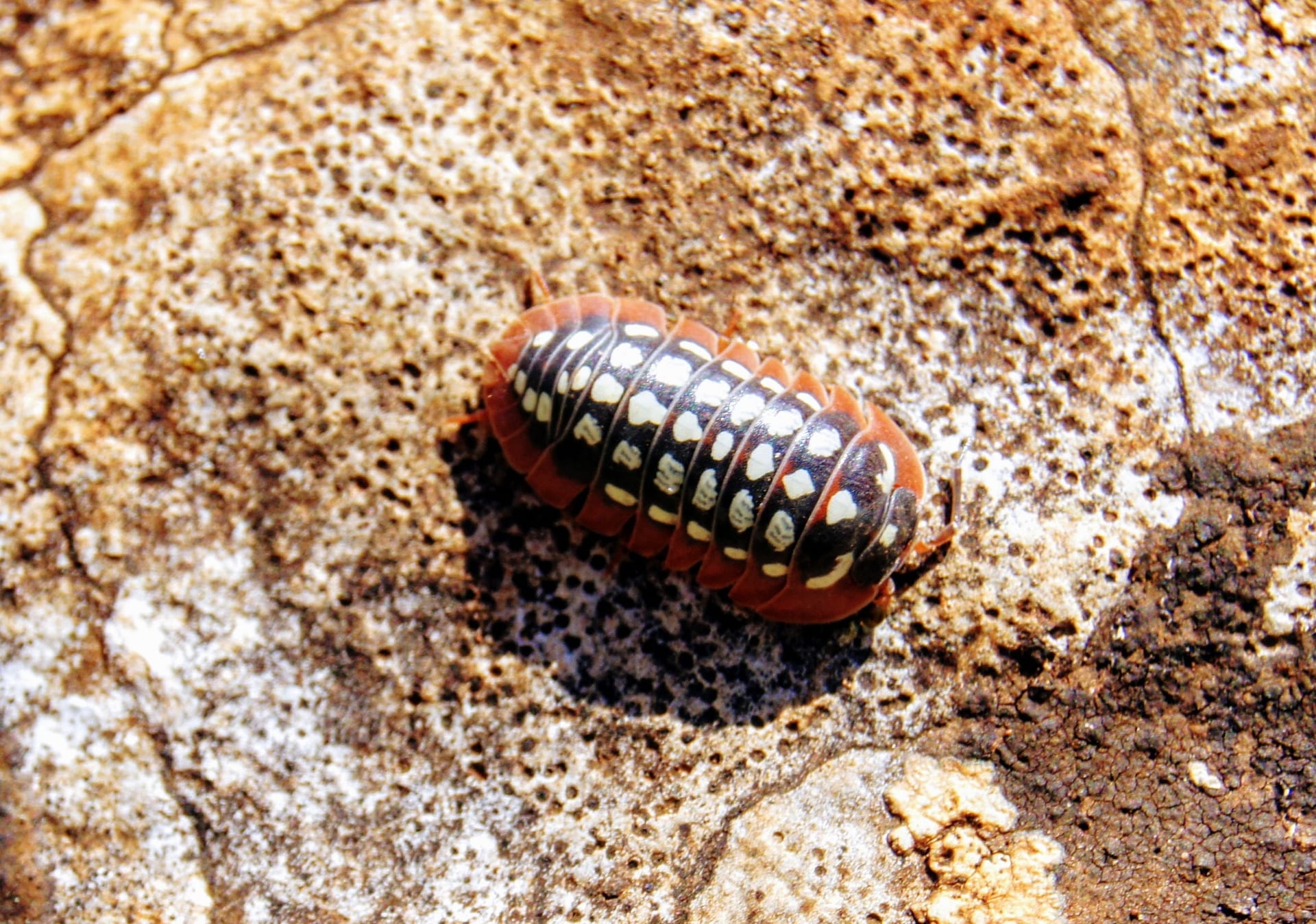
Granulatum Isopod
BeginnerArmadillidium granulatum
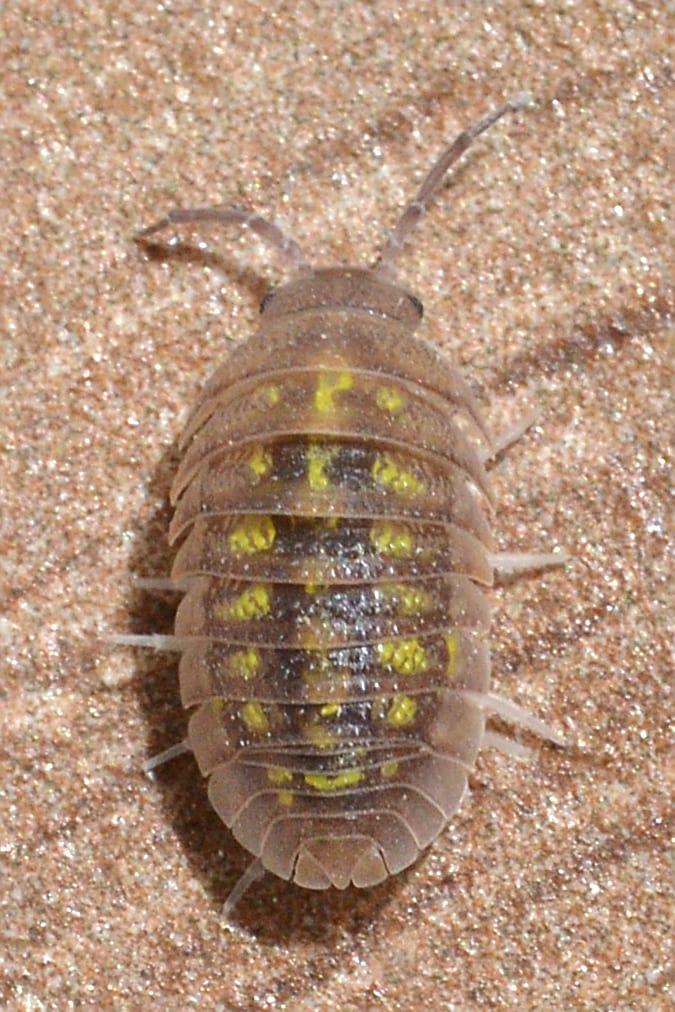
One of the largest pill woodlice, from the Iberian Peninsula and the Mediterranean coast. Reaches 2.3 cm with yellow freckles on a dark body. Thrives at 20-30 C and 75-80% humidity and forms large colonies; a good starter species.
Difficulty
Beginner
Temperature
20〜30℃
Lifespan
1-3 years
Size
Up to 23mm
Humidity
75〜80%
Diet
Leaf litter, rotting wood, vegetables, rolled oats, protein such as dried bloodworm
About
Armadillidium granulatum, described by Brandt in 1833 and known as the granulated pill woodlouse, is native to the Iberian Peninsula; GBIF records centre on Spain, Portugal and France and extend to Greece, Italy, Croatia and North Africa. It reaches 22.8 mm, among the largest in the genus alongside A. gestroi. Yellow freckles on a dark body give it the trade name yellow Spanish isopod, and it rolls fully into a ball when disturbed. Highly social, it forms large aggregations in the wild and should be kept in groups, ideally as a single species. The diet is decaying plant matter, fungi and lichens, supplemented with cooked vegetables, rolled oats and dried bloodworm. Females produce up to 40 young per brood and breeding is straightforward.
Source: Wikipedia (CC BY-SA 4.0)
Lifespan of the Granulatum Isopod
The Granulatum Isopod lives 1-3 years.
Captive lifespan is 12-36 months.
Size of the Granulatum Isopod
The Granulatum Isopod grows to Up to 23mm.
Temperature & humidity for the Granulatum Isopod
The ideal temperature for the Granulatum Isopod is 20〜30℃. Ideal humidity is 75〜80%.
Keep at 20-30 C and 75-80% humidity in a ventilated container with moisture-retaining coco coir or peat substrate, plenty of hides and substrate mounds.
Basic Info
Origin
Iberian Peninsula and the Mediterranean coast (Spain, Portugal, France, Italy, Greece, North Africa)
Care Specifications
PeacefulGroupBreeding: Easy
Sources: Bantam.Earth: Armadillidium granulatum / Wikipedia / GBIF
References & Sources
Edited & verified by: BreederDirect editorial team
The taxonomic, regulatory, and husbandry data on this page are compiled and verified against the authoritative primary sources below.
Taxonomy & Authority
Accepted name: Armadillidium granulatum Brandt, 1833
Authority databases: GBIF
Nomenclature follows global taxonomic authority databases.
Regulations & Conservation Status
Not CITES-listed
Sources: CITES Appendices (species not listed)
Regulations may change. Always verify the latest information with the relevant authorities.
Granulatum Isopod Listings
Loading latest listingsFind listings for this species