Source: Wikimedia Commons
Werneri Isopod
BeginnerArmadillidium werneri
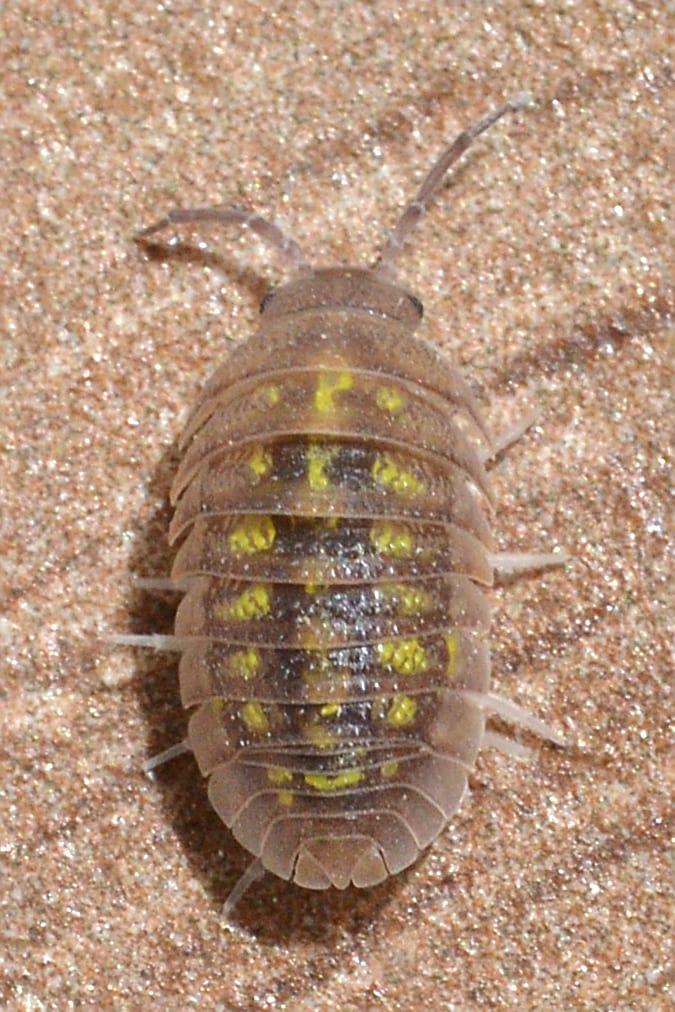
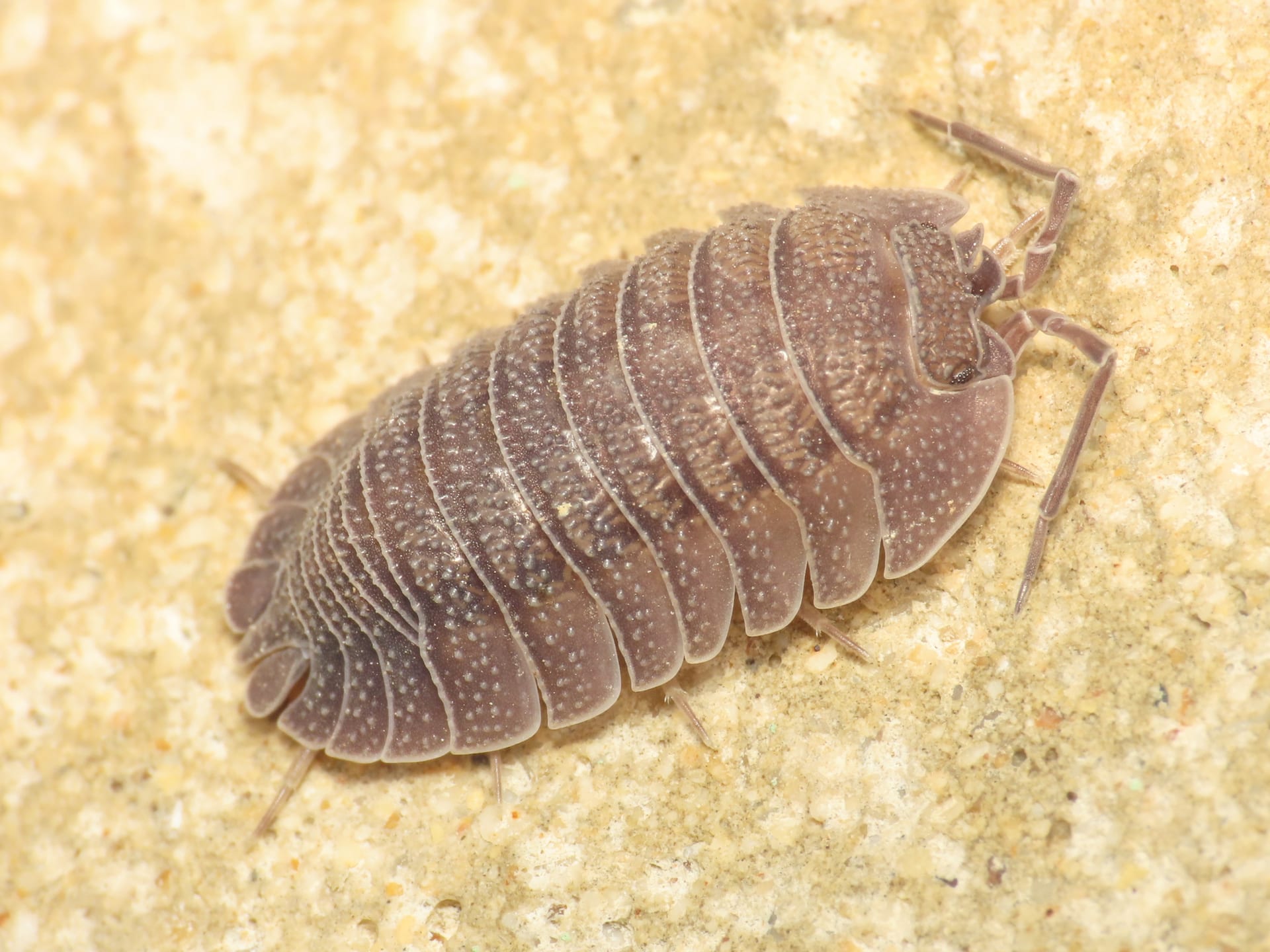
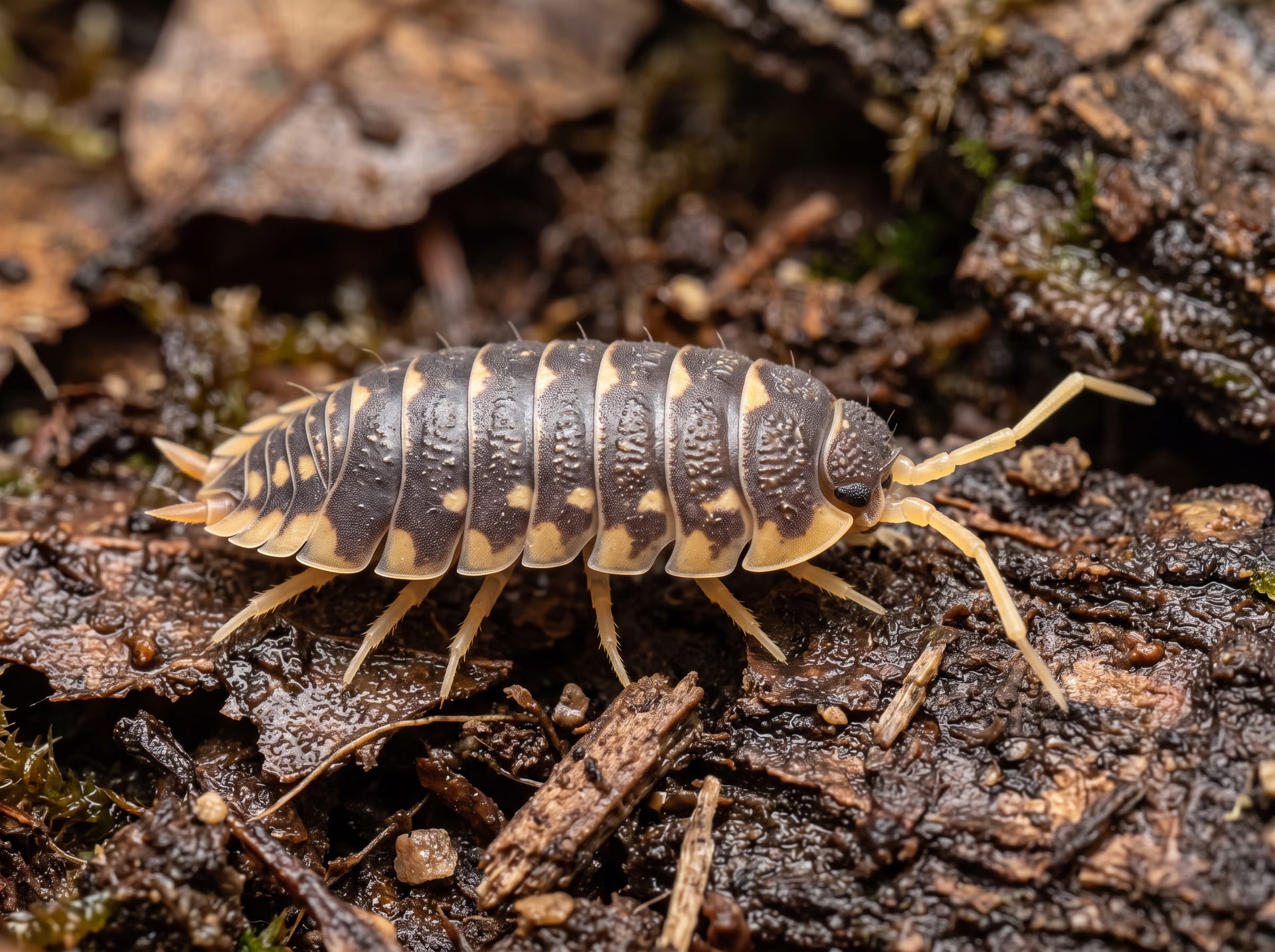
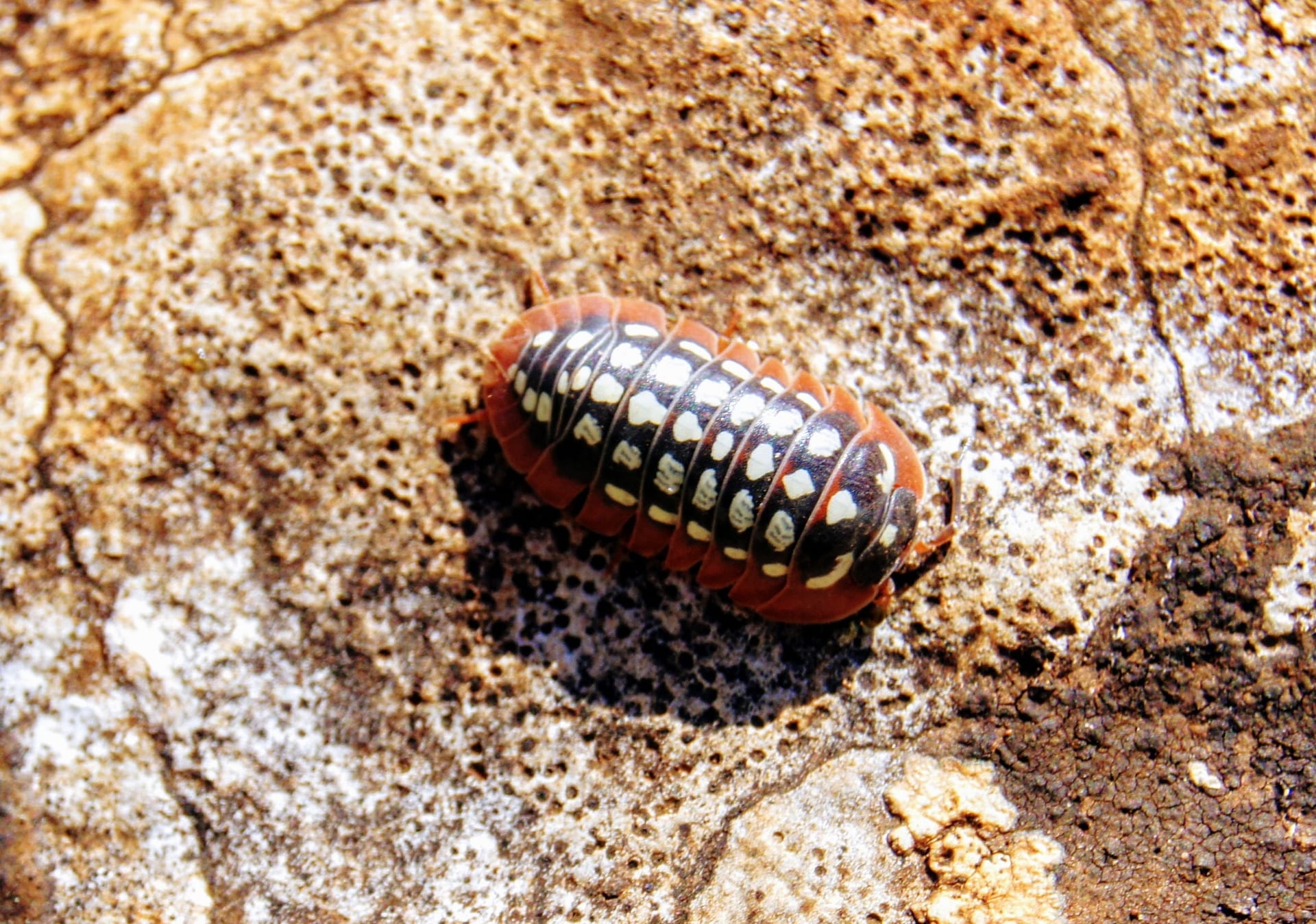
A pill woodlouse from Corfu in western Greece and southern Albania. White spots on a grey-brown to orange ground. Prefers drier conditions than most, kept at 50-60% humidity. Uncommon in the trade but easy to keep.
Difficulty
Beginner
Temperature
18〜26℃
Lifespan
2-3 years (typical for the genus)
Size
About 16mm
Humidity
50〜60%
Diet
Leaf litter, rotting wood, vegetables, protein such as dried bloodworm, cuttlebone
About
Armadillidium werneri, described by Strouhal in 1927, is a pill woodlouse centred on Corfu, Greece, with recent observations from the Epirus mainland and southern Albania; GBIF records are likewise limited to Greece and Albania. The only measured specimen in the literature is 16 mm and no maximum size has been published. The colour is a grey-brown to orange ground scattered with white spots, and identification features include frontal crests beside the frontal shield, a distinct angle on the trailing edge of the first epimeron and a narrowly rounded telson tip. Easy to keep but uncommon in the trade. Lines producing pale offspring circulate, but the inheritance and whether it is true leucism are unconfirmed and sellers do not guarantee the odds. Harmless and peaceful; keep in groups.
Source: Wikipedia (CC BY-SA 4.0)
Lifespan of the Werneri Isopod
The Werneri Isopod lives 2-3 years (typical for the genus).
Lifespan is 2-3 years, typical for the genus.
Size of the Werneri Isopod
The Werneri Isopod grows to About 16mm.
Temperature & humidity for the Werneri Isopod
The ideal temperature for the Werneri Isopod is 18〜26℃. Ideal humidity is 50〜60%.
Keep at 18-26 C and 50-60% humidity, drier than most isopods, in a ventilated container with leaf litter and rotting wood and a moisture gradient.
Basic Info
Origin
Greece (Corfu, Epirus), southern Albania
Care Specifications
PeacefulGroupBreeding: Easy
Sources: PostPods: Armadillidium werneri / Bantam.Earth: Armadillidium Isopods / Wikipedia (Armadillidium) / GBIF
References & Sources
Edited & verified by: BreederDirect editorial team
The taxonomic, regulatory, and husbandry data on this page are compiled and verified against the authoritative primary sources below.
Taxonomy & Authority
Accepted name: Armadillidium werneri Strouhal, 1927
Authority databases: GBIF
Nomenclature follows global taxonomic authority databases.
Regulations & Conservation Status
Not CITES-listed
Sources: CITES Appendices (species not listed)
Regulations may change. Always verify the latest information with the relevant authorities.
Werneri Isopod Listings
Loading latest listingsFind listings for this species