Source: Wikimedia Commons
Peraccae Isopod
BeginnerArmadillidium peraccae
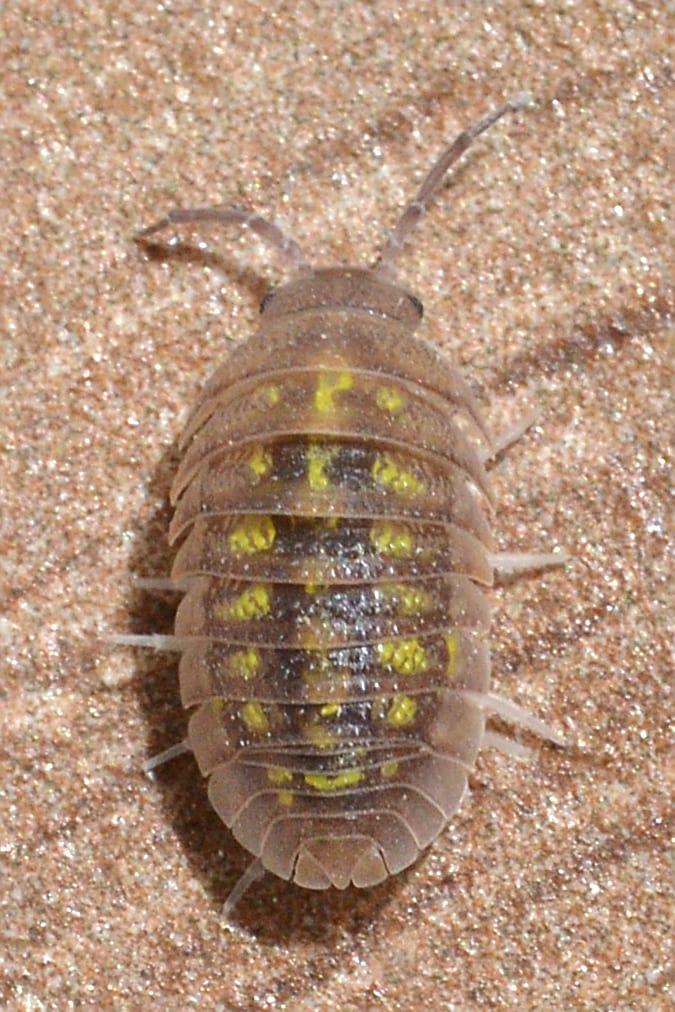
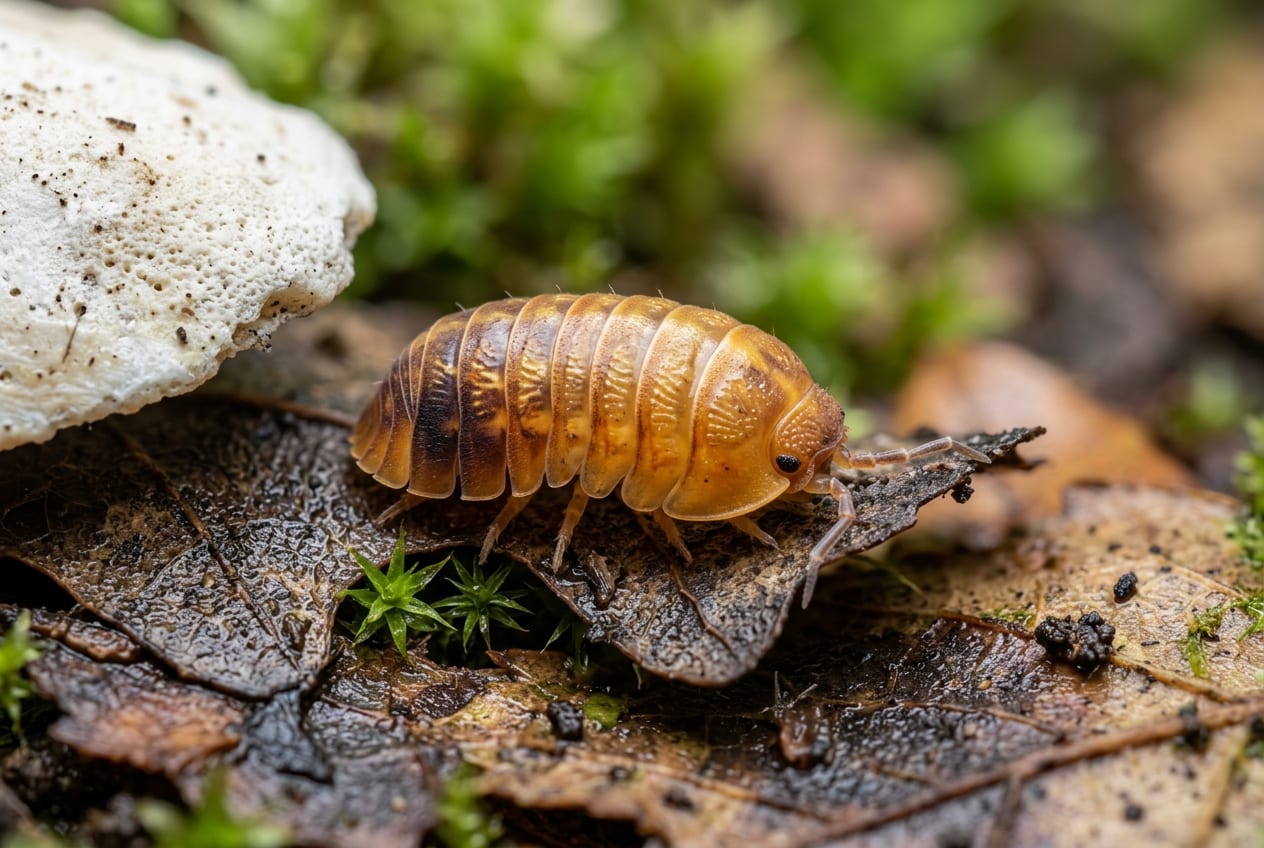
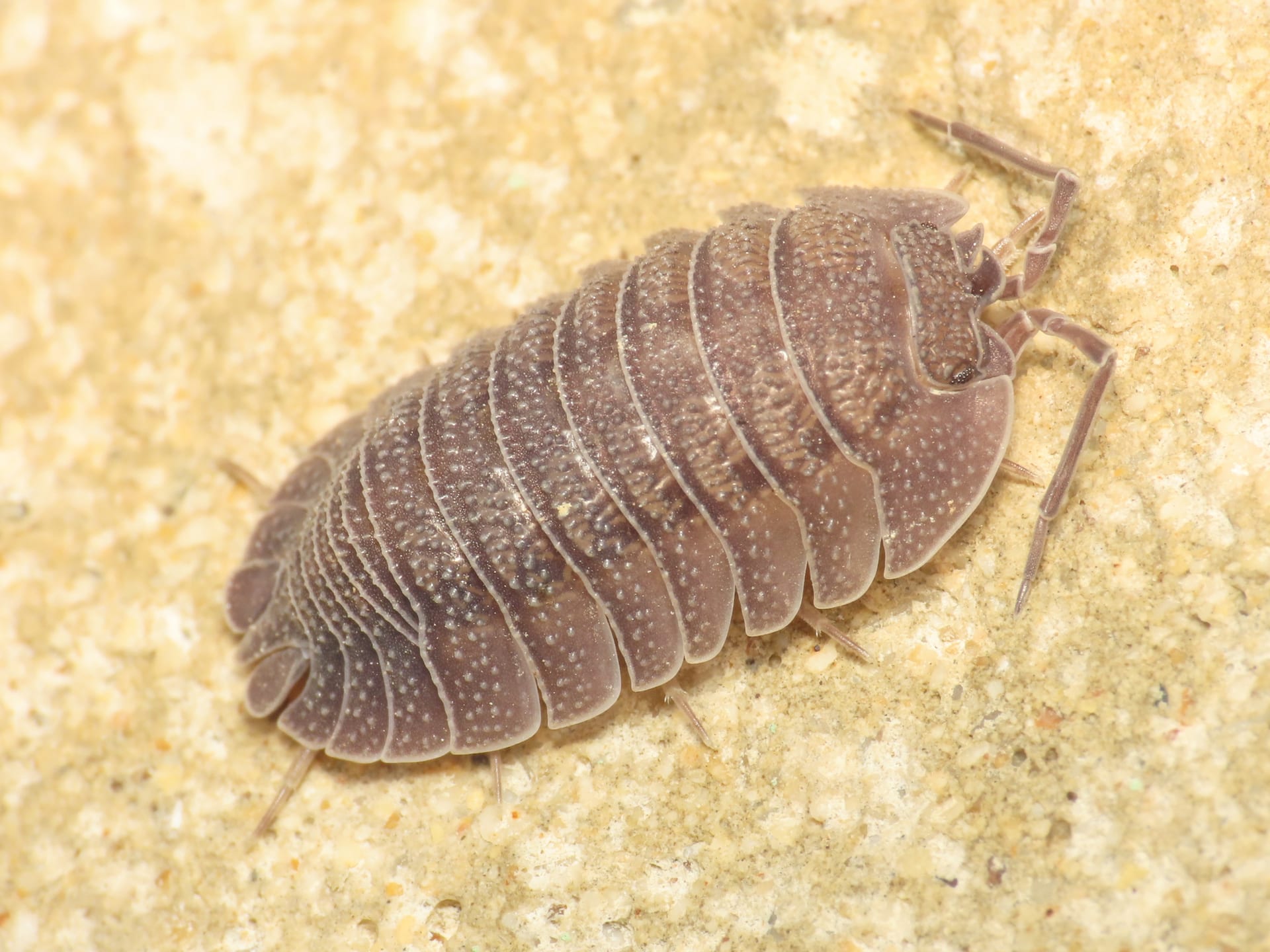
A large pill woodlouse from south-eastern Italy to the Aegean and Turkey. Slate-blue body with a coarsely tuberculate, trilobite-like back. Rolls fully into a ball and gathers under bark. Hardy and easy to breed; a good starter species.
Difficulty
Beginner
Temperature
18〜24℃
Lifespan
2-3 years (typical for the genus)
Size
17-18mm
Humidity
60〜75%
Diet
Leaf litter, rotting wood, vegetables, protein such as dried bloodworm, cuttlebone
About
Armadillidium peraccae, described by Tua in 1900, is a pill woodlouse of the south-eastern Italian coast, the northern Aegean islands of Thasos and Lesvos and the Sea of Marmara coast in Turkey, with GBIF records also from Greece and Croatia. Adults reach 17-18 mm, large for the genus, with a broad, heavy-set build. The coarsely tuberculate back reads more like a trilobite than a woodlouse, and the ground colour is a bluish slate grey, paler animals showing blue tones in the light. It conglobates fully and climbs well, spending the day clustered under bark rather than burrowing. Once settled it breeds readily, and a small starter group grows into a colony with little intervention. It is considered an accessible choice for keepers of other Mediterranean isopods.
Source: Wikipedia (CC BY-SA 4.0)
Lifespan of the Peraccae Isopod
The Peraccae Isopod lives 2-3 years (typical for the genus).
Lifespan is 2-3 years, typical for the genus.
Size of the Peraccae Isopod
The Peraccae Isopod grows to 17-18mm.
Temperature & humidity for the Peraccae Isopod
The ideal temperature for the Peraccae Isopod is 18〜24℃. Ideal humidity is 60〜75%.
Keep at 18-24 C and 60-75% humidity in a ventilated container with white-rotted hardwood and hardwood leaf litter as staples, protein several times a week and permanent cuttlebone or limestone for calcium.
Basic Info
Origin
Care Specifications
PeacefulGroupBreeding: Easy
Sources: PostPods: Armadillidium peraccae / Bantam.Earth: Armadillidium Isopods / Wikipedia (Armadillidium) / GBIF
References & Sources
Edited & verified by: BreederDirect editorial team
The taxonomic, regulatory, and husbandry data on this page are compiled and verified against the authoritative primary sources below.
Taxonomy & Authority
Accepted name: Armadillidium peraccae Tua, 1900
Authority databases: GBIF
Nomenclature follows global taxonomic authority databases.
Regulations & Conservation Status
Not CITES-listed
Sources: CITES Appendices (species not listed)
Regulations may change. Always verify the latest information with the relevant authorities.
Peraccae Isopod Listings
Loading latest listingsFind listings for this species