Source: Wikimedia Commons
Tiger Centipede
IntermediateScolopendra polymorpha
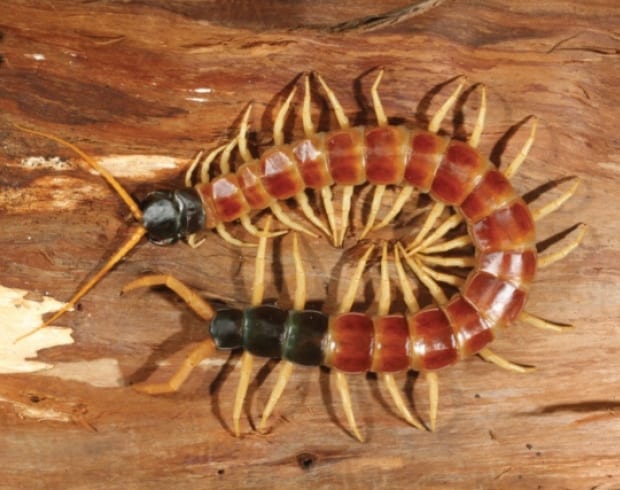
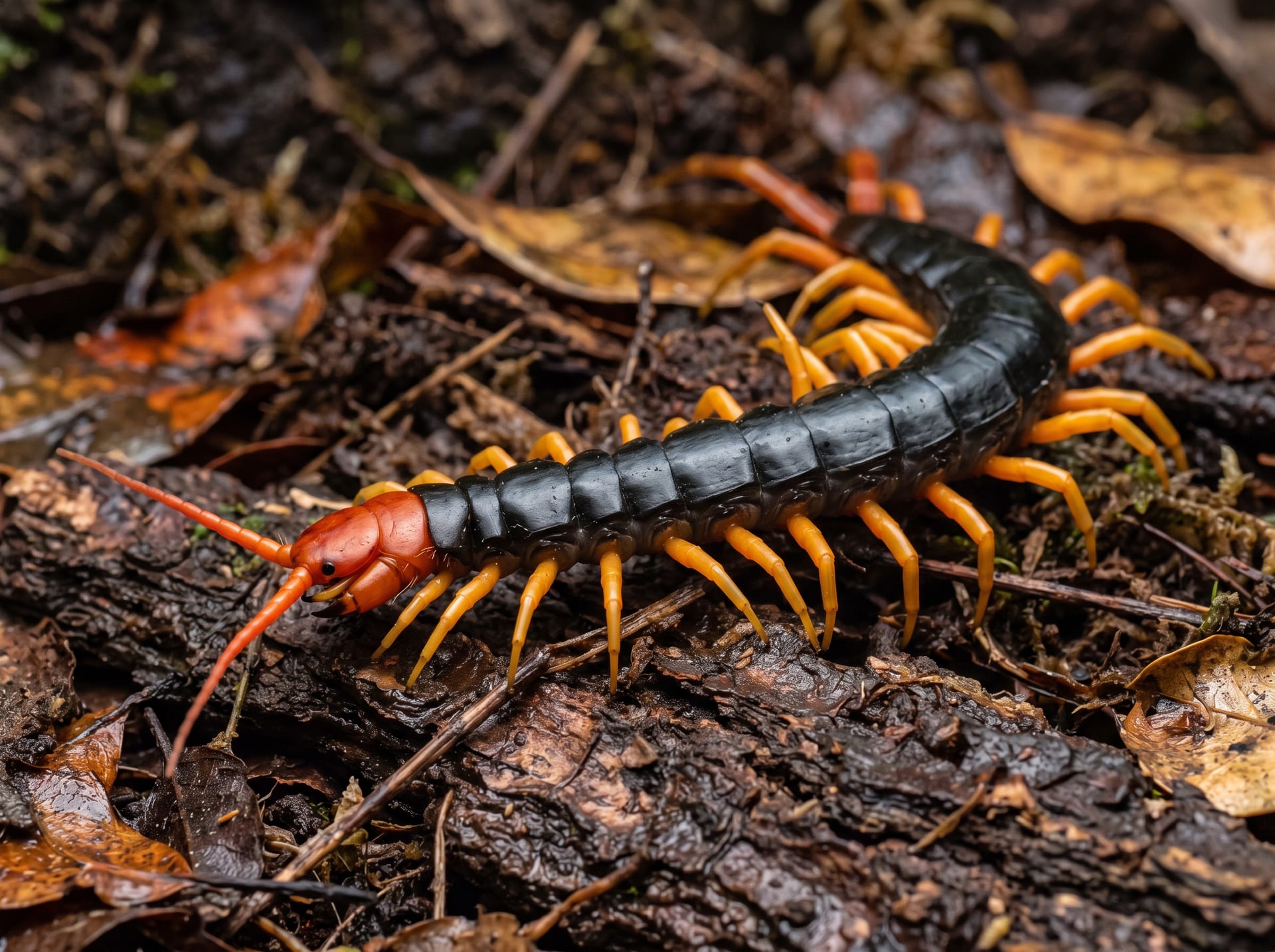
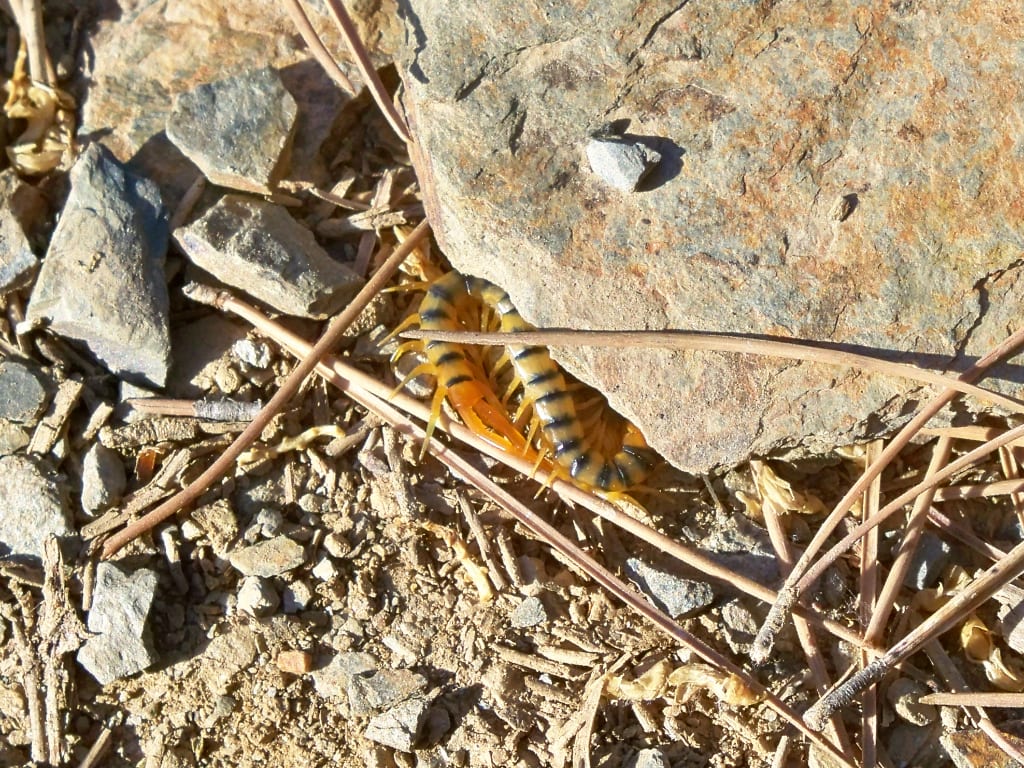
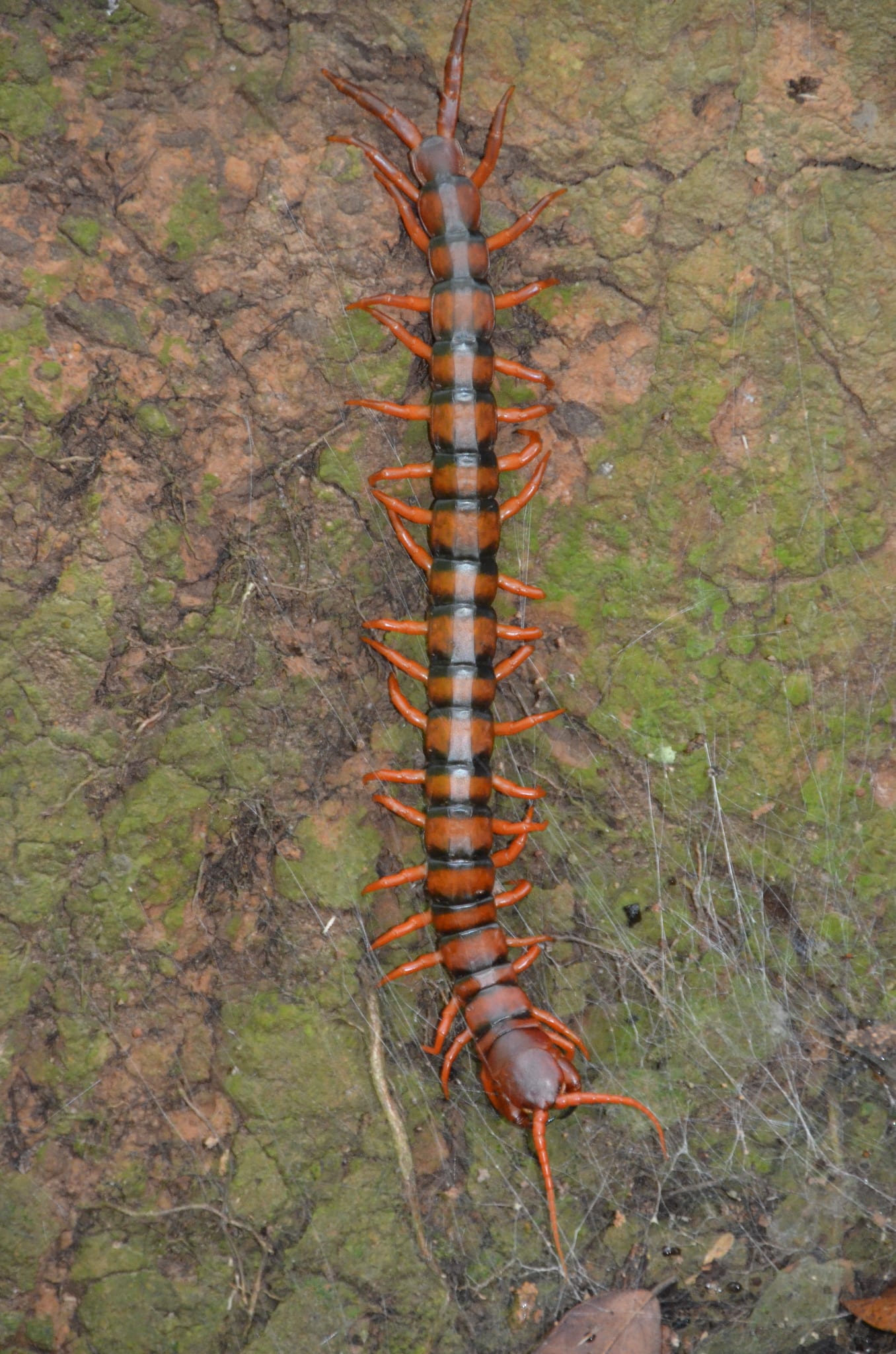
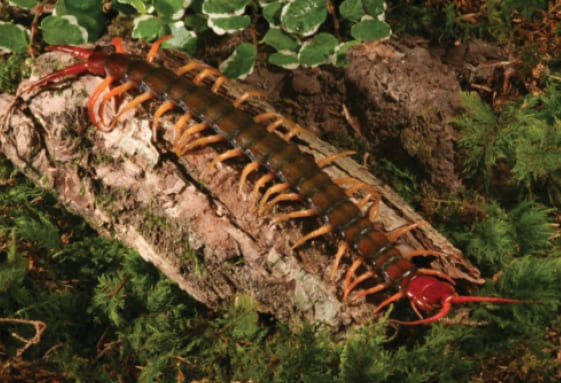
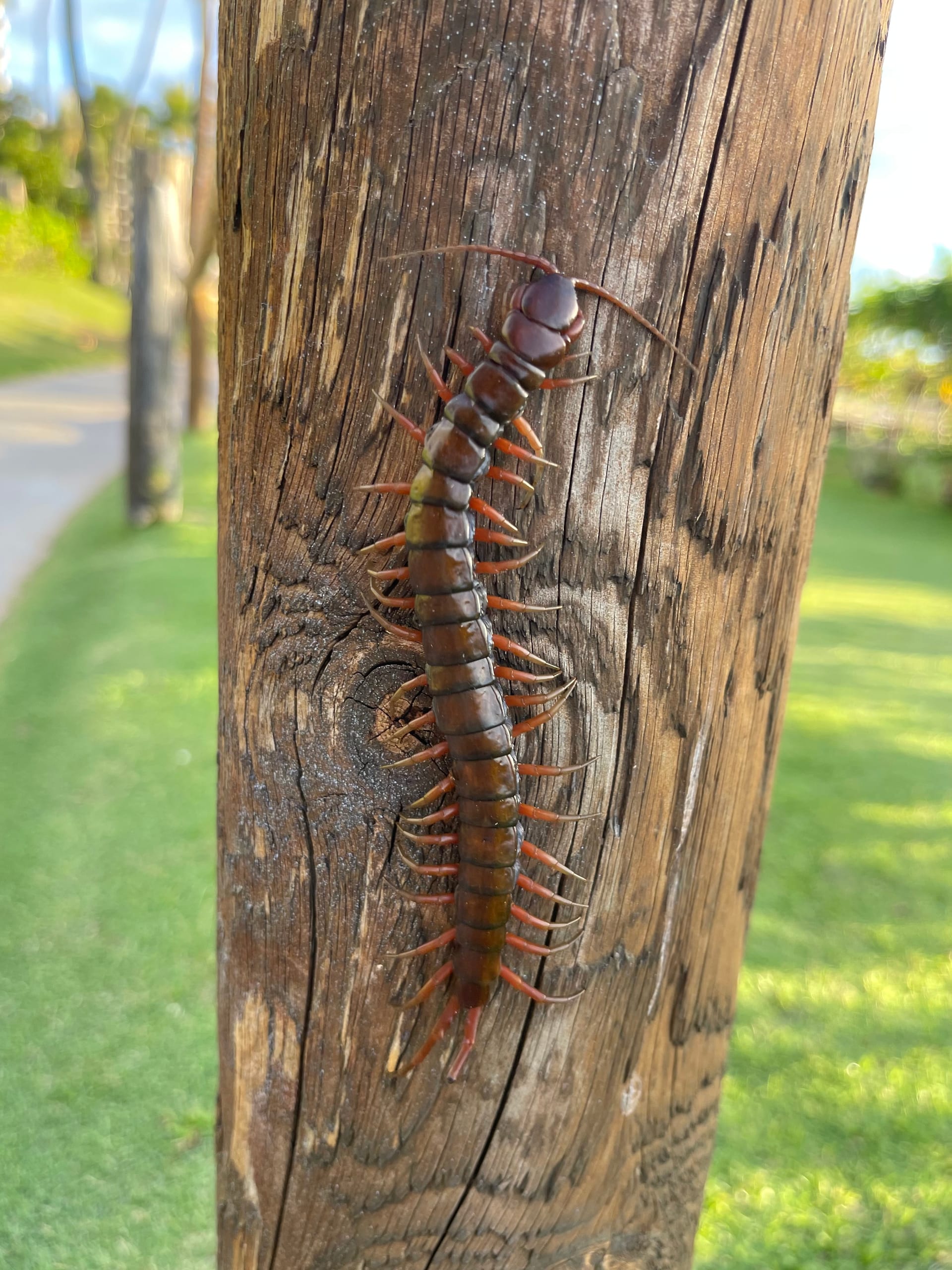
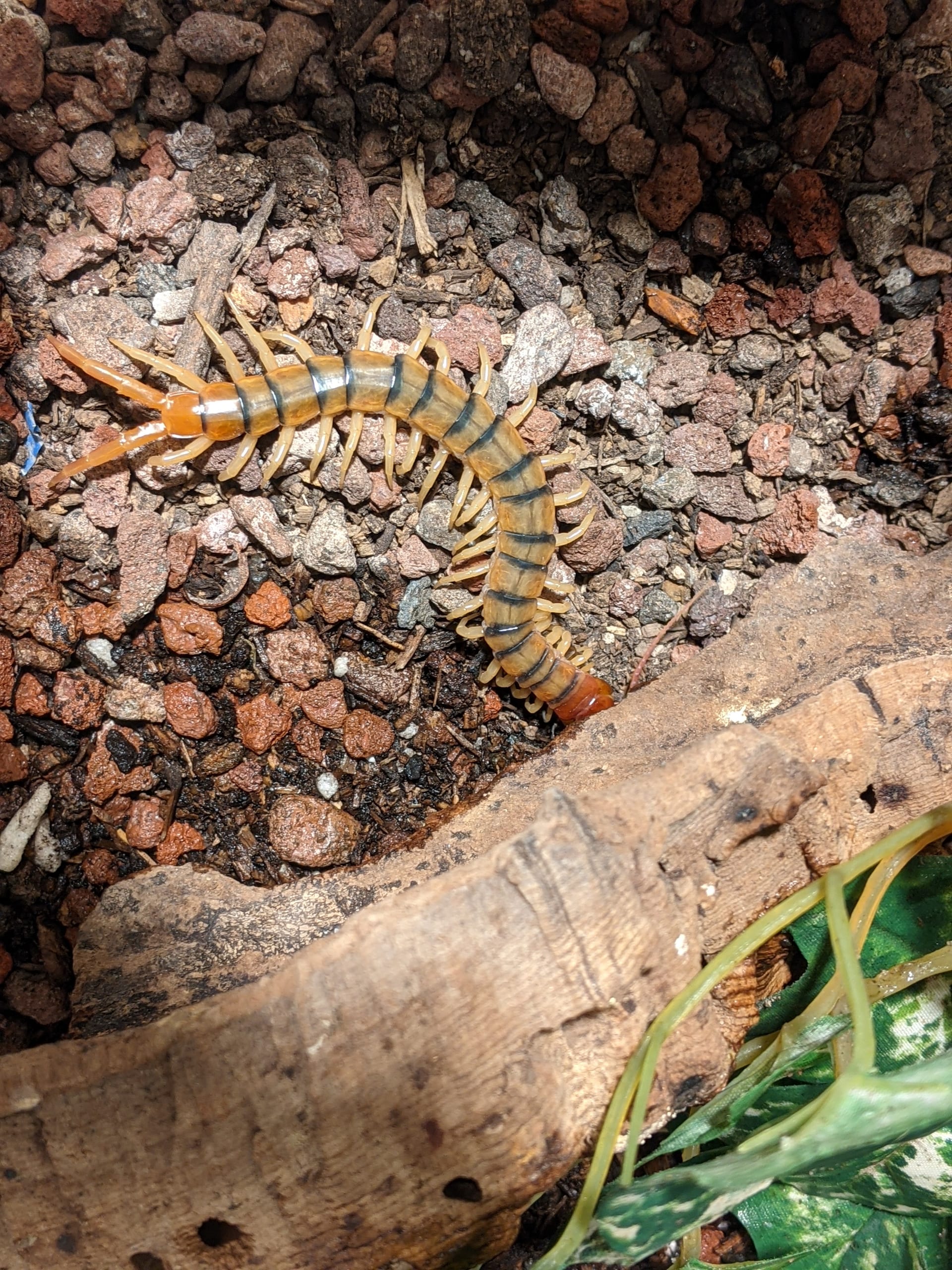
A medium-sized centipede from the arid west of North America. A dark band on each segment gives a tiger-striped look. Highly variable in colour, with blue populations also traded. Relatively mild venom; often recommended as a starter species.
Difficulty
Intermediate
Temperature
25℃
Lifespan
4-6 years
Size
10-18cm
Humidity
70〜80%
Diet
Crickets, dubia roaches and other insects
About
Scolopendra polymorpha lives in dry grassland, forest and desert across western North America and grows to 10-18 cm. As the name polymorpha suggests, colour is highly variable: the head is brown to red or orange, the body tan to orange, and a dark band on each tergite gives the tiger look. Some Southern California populations are pale blue with indigo stripes and are popular as the California blue-leg form. It shelters under rocks by day and is among the most drought-tolerant centipedes, yet its adaptation is incomplete, so it is active on cool winter nights or during the summer monsoon and stays underground otherwise. The venom is compared to a bee sting, and the antimicrobial peptide SPC13 has been isolated from it. It is fast and erratic and not suited to homes with small children. Sold as a starter species in the US; imports to Japan are irregular.
Source: Wikipedia (CC BY-SA 4.0)
Lifespan of the Tiger Centipede
The Tiger Centipede lives 4-6 years.
Size of the Tiger Centipede
The Tiger Centipede grows to 10-18cm.
Temperature & humidity for the Tiger Centipede
The ideal temperature for the Tiger Centipede is 25℃. Ideal humidity is 70〜80%.
Keep at around 25 C with 70-80% humidity; even for a desert species the substrate should be slightly moist, as excessive dryness weakens it rapidly.
Basic Info
Origin
Southwestern USA (Texas, New Mexico, Arizona, California) to northern Mexico
Care Specifications
Semi-aggressiveSolitaryBreeding: Hard
Sources: Pets!Pets! Scolopendra polymorpha / Bugs In Cyberspace: Desert Tiger Centipede / Terminal Legs: centipede keeping manual / Wikipedia / GBIF
References & Sources
Edited & verified by: BreederDirect editorial team
The taxonomic, regulatory, and husbandry data on this page are compiled and verified against the authoritative primary sources below.
Taxonomy & Authority
Accepted name: Scolopendra polymorpha Wood, 1861
Authority databases: GBIF
Nomenclature follows global taxonomic authority databases.
Regulations & Conservation Status
Not CITES-listed
Sources: CITES Appendices (species not listed)
Regulations may change. Always verify the latest information with the relevant authorities.
Tiger Centipede Listings
Loading latest listingsFind listings for this species