Tiger Barb & Cherry Barb Care Guide | Barb Species Characteristics, Tank Mates & Breeding
Comprehensive guide to caring for Tiger Barbs (Puntigrus tetrazona) and Cherry Barbs (Pethia titteya). Learn the importance of group housing, fin-nipping compatibility risks and suitable tank mates, pairing with acidic water and aquatic plants, and breeding methods—a practical guide for long-term barb species care.
Key Takeaways
Comprehensive guide to caring for Tiger Barbs (Puntigrus tetrazona) and Cherry Barbs (Pethia titteya). Learn the importance of group housing, fin-nipping compatibility risks and suitable tank mates, pairing with acidic water and aquatic plants, and breeding methods—a practical guide for long-term barb species care.
Related Species
The Appeal and Characteristics of Barb Species
Barbs are a collective term for tropical fish belonging to the order Cypriniformes and family Cyprinidae, native to Southeast Asia, Africa, and South Asia. They are active schooling fish. Tiger Barbs (Puntigrus tetrazona) and Cherry Barbs (Pethia titteya) in particular offer an excellent balance of hardiness, beauty, and availability, making them popular among both beginners and experienced aquarists.
Key Characteristics of Barbs
- Active schooling brings dynamic energy to the tank
- Hardy and disease-resistant, easy to care for even for beginners
- Vibrant coloration and patterns make them stand out in planted tanks
- Relatively inexpensive and widely available
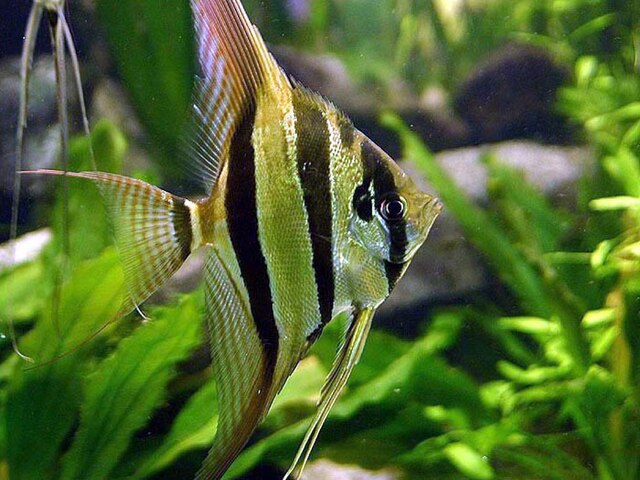
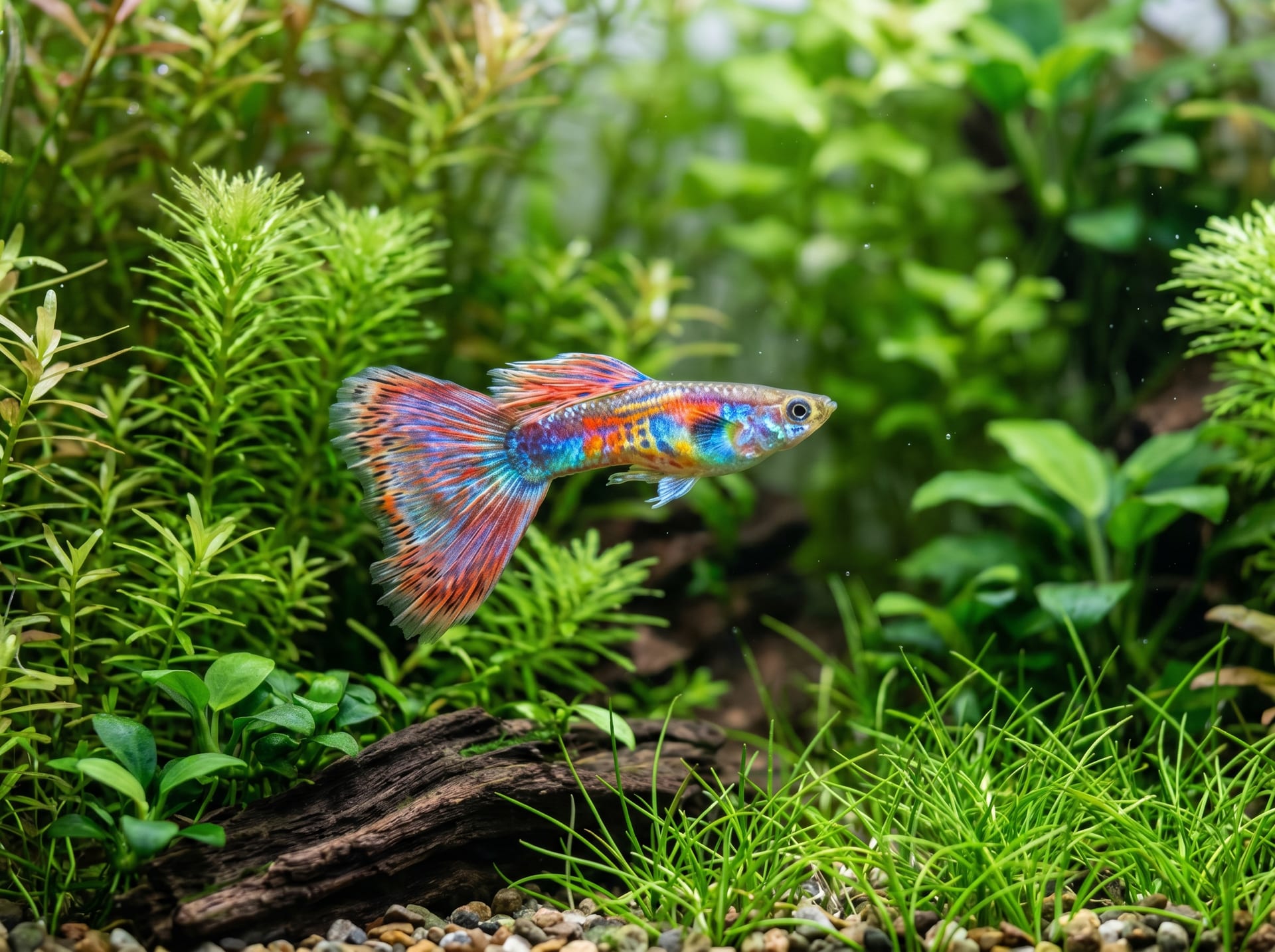
However, Tiger Barbs have a fin-nipping habit and should be kept with caution around fish with long fins (such as guppies, angelfish, and bettas).
Tiger Barb Care
Basic Information
| Item | Details |
|---|---|
| Scientific Name | Puntigrus tetrazona |
| Origin | Borneo and Sumatra |
| Size | 5–7 cm |
| Lifespan | 5–7 years |
| Temperature | 22–26°C |
| pH | 6.0–7.5 |
| Difficulty | Beginner to Intermediate |
Tank Setup
Tiger Barbs are active fish, so a minimum 60 cm tank (60×30×36 cm) with at least 10 individuals in a group is essential. With fewer fish, bullying and fin-nipping among individuals become frequent. The larger the group, the more aggression is dispersed throughout the school, resulting in calmer behavior.
Recommended Filters
External filters (60 cm or larger) are suitable. Hang-on-back filters are also acceptable, but water flow tends to be weaker, so consider adding supplemental aeration to ensure adequate oxygen in the swimming area.
Aquatic Plants & Layout
- Plant densely with aquatic plants to provide hiding spaces for weaker individuals
- Hardy plants (Amazon sword, anubias, microsorum) are suitable as they can withstand active barbs
Tank Mate Considerations
Tiger Barbs have a habit of nipping the fins of fish with long fins or slow movements.
Incompatible Tank Mates
- Guppies (long fins are targeted)
- Angelfish (long fins)
- Bettas (solitary & long-finned)
- Slow-swimming corydoras (except adults)
Compatible Tank Mates
- A group of 10+ of the same species (highest priority)
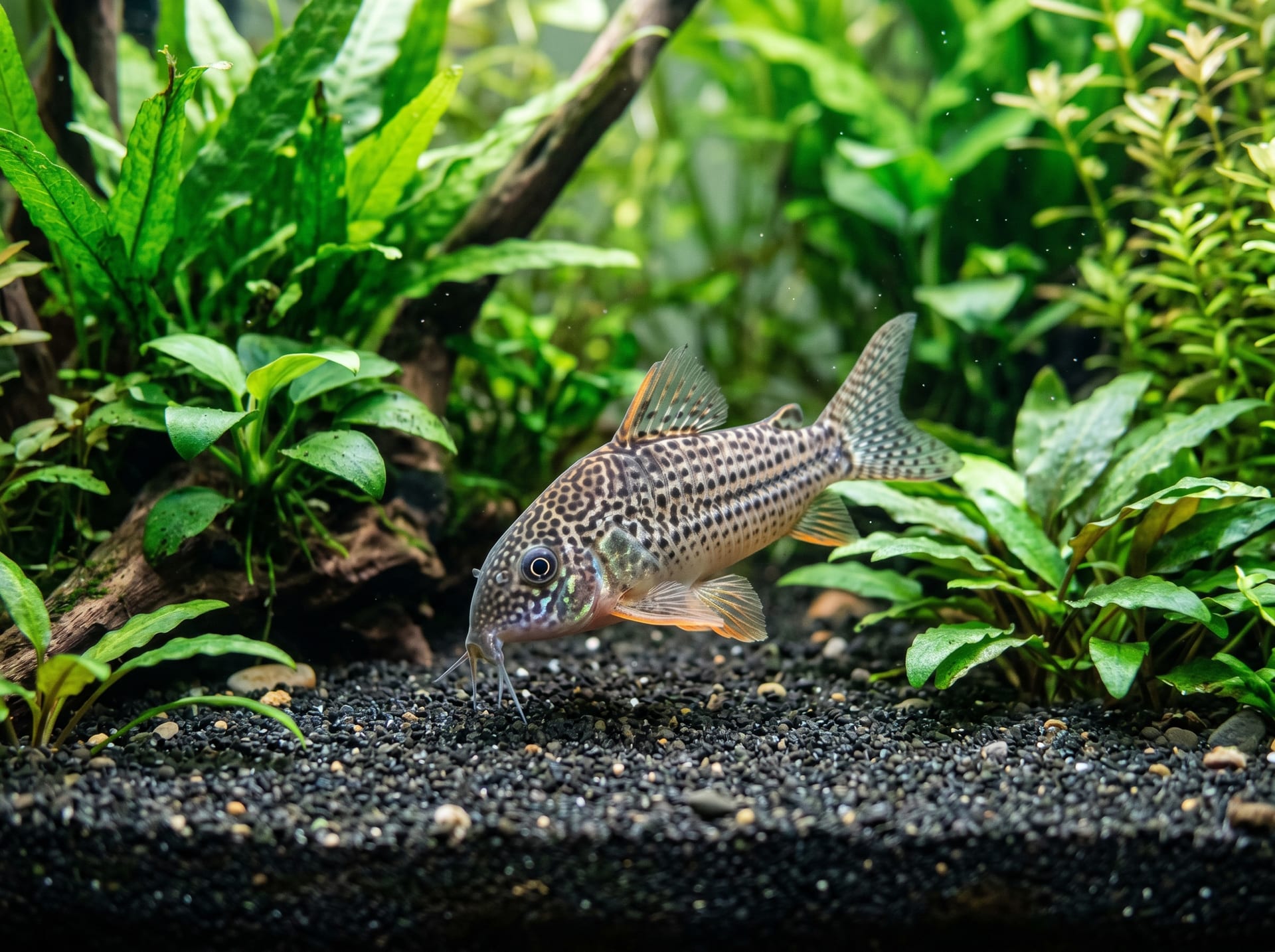
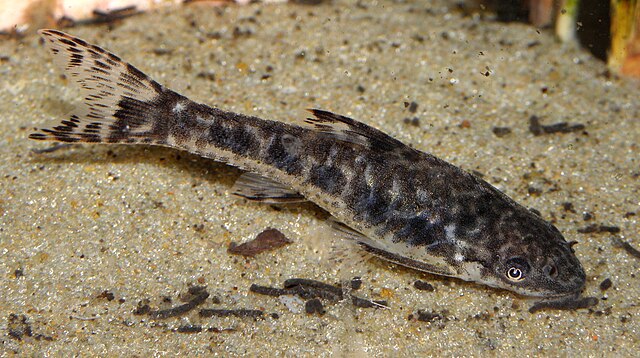
- Corydoras (adults, short-finned species)
- Golden Barbs (same barb family)
- Mixed morphs of Tiger Barbs (green, platinum, etc.)
Feeding
Being omnivorous, they have a wide diet and are easy to feed.
Recommended Foods
- Flake and pellet artificial foods (main diet)
- Frozen bloodworms (palatable and enhance color)
- Frozen brine shrimp (for fry and smaller individuals)
Feed twice daily, with the amount consumed within 2–3 minutes as a guideline.
Breeding
Egg-scattering type. Provide gravel and java moss as spawning substrate.
- Select a plump female and a well-colored male and move them to a breeding tank (30–45 cm)
- Raise the water temperature by about 1°C (25–27°C)
- Remove the parents after spawning (to prevent them from eating eggs and fry)
- Hatching takes 24–48 hours. Feed fry with commercial fry food and brine shrimp
Cherry Barb Care
Basic Information
| Item | Details |
|---|---|
| Scientific Name | Pethia titteya |
| Origin | Sri Lanka |
| Size | 4–5 cm |
| Lifespan | 4–6 years |
| Temperature | 23–26°C |
| pH | 6.0–7.0 |
| Difficulty | Beginner |
Differences from Tiger Barbs
Cherry Barbs are more docile than Tiger Barbs and exhibit little to no fin-nipping behavior, making them ideal for small planted tanks and community setups.
Color Characteristics
- Males: Bright red to cherry-red coloration (intensifies during breeding season)
- Females: Beige to pale pink (belly swells before spawning)
Care Tips
- Excellent compatibility with planted tanks (small size minimizes layout disruption)
- Minimum 30 cm tank possible (but 45 cm or larger recommended as they school)
- Prefer slightly acidic to neutral soft water. Ideal water quality can be achieved by adding trace minerals to RO water
- Due to their small size, feeding options are limited. Extra-fine flakes, micro pellets, and frozen brine shrimp are recommended
Tank Mates
Cherry Barbs are peaceful, making them compatible with a wide range of tank mates.
Compatible Tank Mates
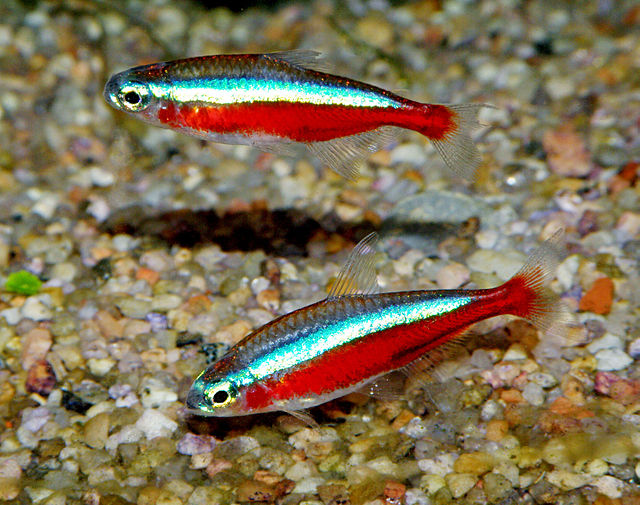
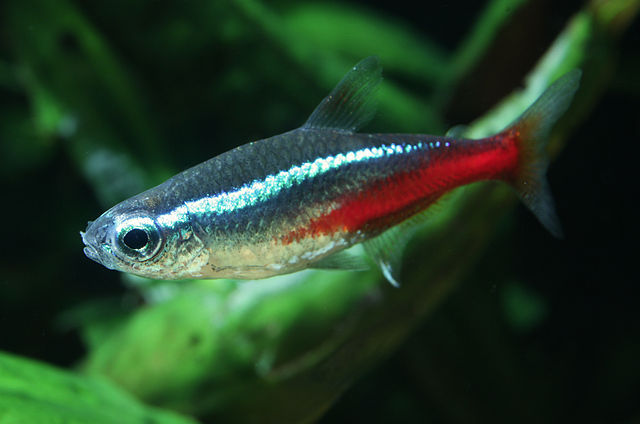
- Tetras such as neon tetras and cardinal tetras
- Corydoras (bottom-dwellers)
- Otocinclus (algae eaters)
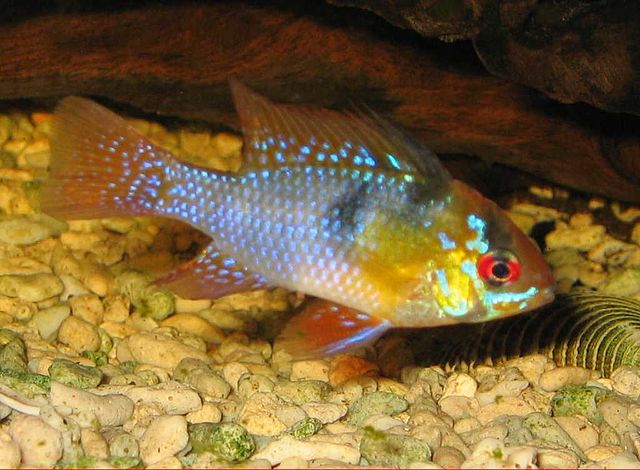
- Rams (share similar habitat preferences)
- Other small barb species
General Health Management for Barbs
Attention to Ich
It is easily triggered by transport stress or sudden temperature changes. Upon arrival, quarantine in an isolation tank for at least one week, checking for white spots on the body before introducing to the main tank.
Prevention of Nutritional Deficiencies
Vary the diet rather than feeding a single type; rotating between flakes and frozen foods (bloodworms and brine shrimp) improves nutritional balance, enhancing coloration and breeding success.
Barbs are easy to care for and showcase beautiful schooling behavior. Enjoy creating an environment that brings out their unique qualities: Tiger Barbs in group settings with larger tanks, and Cherry Barbs in planted tanks with community setups.