Tiger Salamander Care Guide | Temperature Management, Feeding, and Health Care for North American Large Salamanders
A comprehensive guide to caring for the Tiger Salamander (Ambystoma tigrinum), one of North America's largest tailed amphibians. Learn summer cooling management, moisture-retaining substrates, burrowing behavior responses, feeding schedules for crickets, dubia, and mice, calcium supplementation, and treatments for common diseases (red-leg, edema, and impaction).
Key Takeaways
A comprehensive guide to caring for the Tiger Salamander (Ambystoma tigrinum), one of North America's largest tailed amphibians. Learn summer cooling management, moisture-retaining substrates, burrowing behavior responses, feeding schedules for crickets, dubia, and mice, calcium supplementation, and treatments for common diseases (red-leg, edema, and impaction).
About the Tiger Salamander
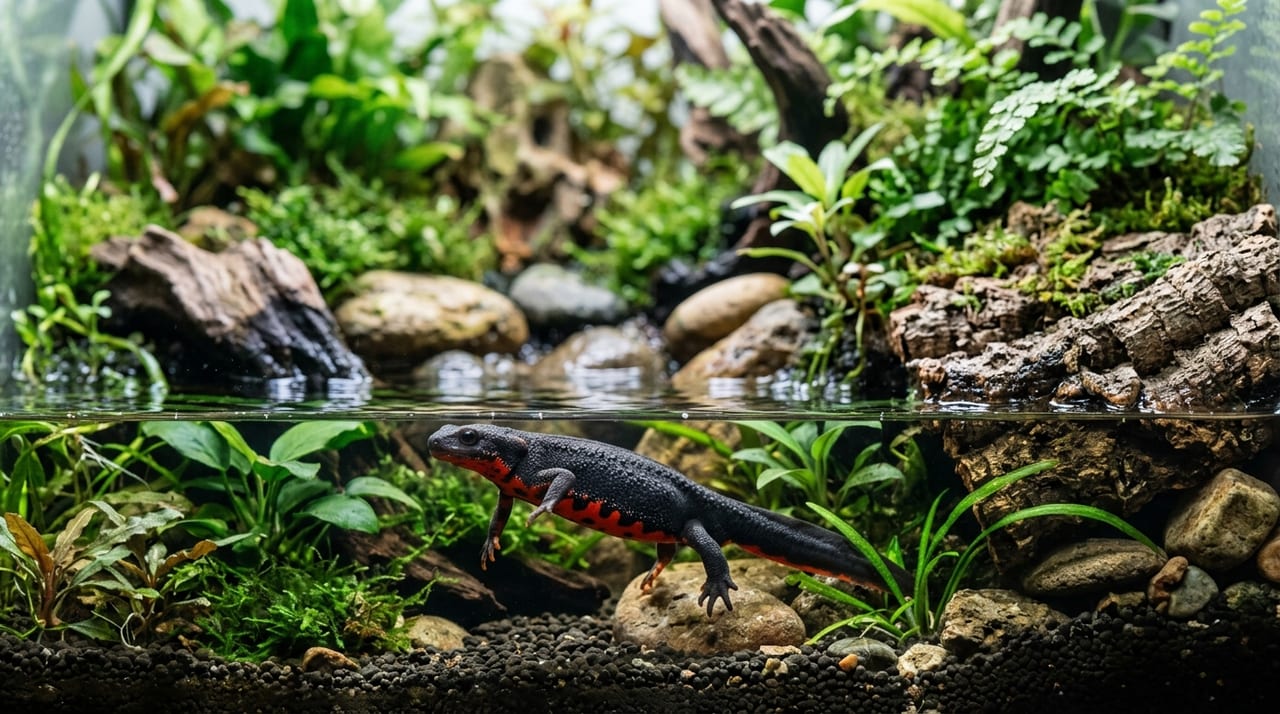
The Tiger Salamander (Ambystoma tigrinum) is a large tailed amphibian widely distributed across the North American continent. It gets its "tiger" name from the vivid yellow to yellow-green mottled pattern (tiger stripes) on its body surface. Individuals in captivity are very docile and easily become accustomed to handling, with many learning to eat directly from their keeper's hand.
✍️
BreederDirect Editorial
The BreederDirect editorial team specializes in care information for animals, covering veterinary care and breeding to deliver beginner-friendly guides.
Find Reptiles on BreederDirect
Buy directly from verified breeders
Browse Related Listings
Find Reptiles listings related to this article on BreederDirect. Buy directly from verified breeders.
Eastern to central North America (southern Canada to northern Mexico)
Body Length
20–33 cm (large specimens may exceed 35 cm)
Lifespan
10–20 years in captivity
Difficulty Level
Beginner to Intermediate
Larval Form
Some individuals exhibit neoteny (paedomorphosis; axolotl-like form)
It is sometimes confused with the Fire Salamander (Salamandra salamandra), but they are different species. Tiger Salamanders are adapted to warmer environments, and they are generally considered easier to keep than Fire Salamanders.
Differences from the Barred Tiger Salamander
You may also see "Barred Tiger Salamander" in pet shops. This is the common name for the Barred Tiger Salamander (scientific name Ambystoma mavortium), which was formerly treated as a subspecies of the Tiger Salamander but is now recognized as a separate species. It is distributed in the western to central regions of North America and is named for the yellowish bar-like patterns along its sides. Individuals of this species often grow larger than Tiger Salamanders (A. tigrinum), with bar-shaped markings, whereas the eastern Tiger Salamander tends to display a mottled pattern.
Husbandry methods are largely the same for both species, and the information in this article regarding temperature, humidity, substrate, and feeding applies equally to Barred Tiger Salamanders. At the time of purchase, confirm the scientific name to identify which species you have, which will help you anticipate the adult size.
Enclosure Setup
Enclosure Size
Adult Tiger Salamanders move around more than you might expect, so they need appropriate space.
Individual Size
Minimum Enclosure Size
Juveniles (10 cm or less)
30×20×20 cm
Subadults (15 cm or less)
45×30×30 cm
Adults (20 cm or more)
60×45×30 cm or larger
Multiple individuals pose risks of territorial conflicts and cannibalism, so single housing is recommended.
Substrate
Tiger Salamanders have burrowing habits.
Recommended substrates
Husk chips (coconut fiber) for beetles or tortoises: High moisture retention and ideal for burrow formation
Coco peat (pellet or compressed form): Rehydrate with water before use. Lightweight and affordable
Natural soil (black soil-based): Resembles natural environments but is difficult to manage
Substrate depth should be at least 5–10 cm. Providing enough depth for an adult to fully burrow allows natural behaviors (thermoregulation, shedding assistance) to be observed.
Substrates to avoid
Sand or gravel (high risk of ingestion)
Artificial turf or paper towels (excessive drying, stress)
Temperature and Humidity
Tiger Salamanders are temperate species that prefer slightly cool temperatures.
Season
Recommended Temperature Range
Spring to Fall
18–24°C
Summer (cooling)
20–23°C (regulate with air conditioning or ice packs)
Winter
12–16°C (hibernation/dormancy possible)
Note: Temperatures exceeding 30°C cause rapid decline in health and heat death. Air conditioning is essential during Japanese summers.
Maintain humidity at 60–80%. Dampen a portion of the substrate (avoid oversaturation), and keep the area beneath shelters particularly moist to prevent skin drying.
Shelters
Tiger Salamanders hide and rest during the day, becoming active from dusk through night. Provide 1–2 shelters such as cork bark, pieces of terracotta pots, or commercial wet shelters.
Feeding
What They Eat
Tiger Salamanders are carnivorous and react intensely to moving prey.
Primary food items
Food Type
Characteristics
Crickets (appropriately sized)
Ideal as a staple diet. Gut-load with commercial cricket food
Dubia and Madagascar cockroaches
High nutrition and good digestibility. Calm movement and easy to handle
Mealworms
Highly palatable but high in fat. Feed as treats only
Pink mice and fuzzy mice
High-calorie supplemental food for adults. Up to once or twice weekly
Frozen bloodworms (thawed)
Supplemental food. Feed with tweezers
Foods to avoid
Wild insects (risk of parasites and pesticides)
Fireflies or glowworms (toxic)
Oversized prey (risk of choking or impaction)
Feeding Frequency and Quantity
Juveniles: Once every two days (2–3 prey items at head size or smaller)
Adults: 2–3 times per week (2–4 appropriately sized prey items)
Weight management: Obesity causes internal disease. The belly should appear only slightly rounded when viewed from the side.
Calcium and Vitamin Supplementation
Amphibians have limited ability to synthesize vitamin D in the skin from ultraviolet light, so dust prey with calcium supplements (calcium carbonate) and multivitamins containing vitamin D3.
Calcium: Dust lightly at every feeding
Multivitamin with vitamin D3: Once or twice weekly
Skin Health Management
Amphibian skin is thin and easily affected by the external environment.
Precautions
Keep bare-handed handling as brief as possible (body heat, oils, and chemicals from your hands are absorbed through the skin)
Wash your hands thoroughly with water before handling, rinsing off all soap and disinfectants
Do not disturb during shedding (forcibly removing shed skin causes injury)
Common Diseases and Treatment
Bacterial Dermatitis (Red-leg)
Redness and bleeding on the body surface caused by bacteria such as Aeromonas. Water quality deterioration and high temperatures trigger the condition.
Treatment: Salt bath (0.3%) and transfer to a clean enclosure. Consult a veterinarian for severe cases.
Edema (Swelling)
Abdominal fluid and body fluid accumulation. Similar to dropsy in fish (caused by similar bacteria). Early antibiotic baths are effective.
Digestive Impaction
Often caused by ingestion of large substrate particles (sand or gravel). Prevent by choosing appropriate substrate and feeding appropriately sized prey.
Tiger Salamanders are hardy, long-lived tailed amphibians that can be kept long-term by beginners with proper cool temperature management and humidity maintenance. Their distinctive pattern and docile, handleable nature make them popular entry-level species for amphibian keepers.