Source: Wikimedia Commons
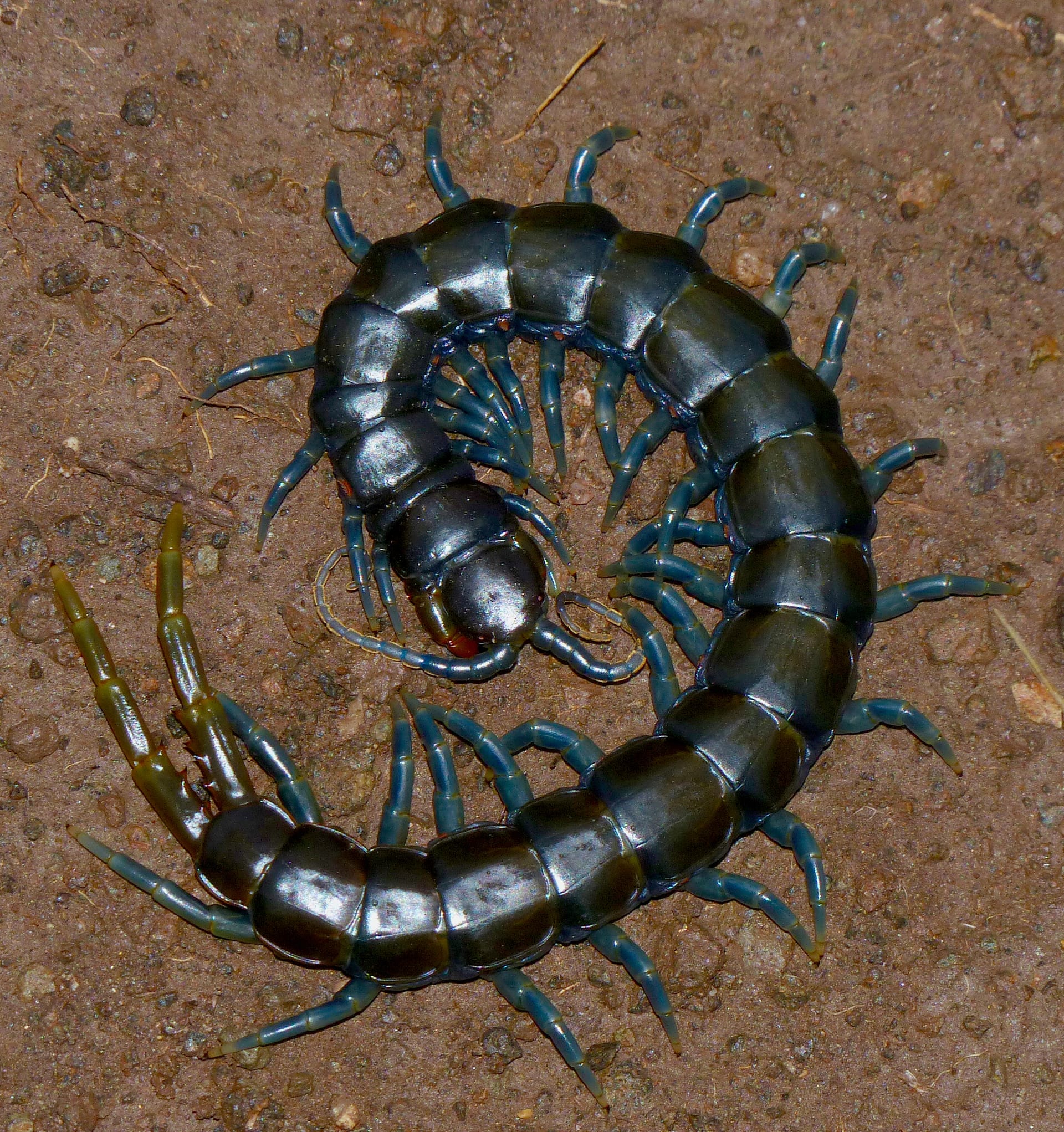
Tanzanian Blue Leg Centipede
IntermediateEthmostigmus trigonopodus
A large otostigmine centipede widespread in sub-Saharan Africa. Leg colour forms include blue, yellow and banded, with blue-legged animals dominating the trade. Relatively calm and hardy, often recommended as an entry species.
Difficulty
Intermediate
Temperature
25℃
Lifespan
7-9 years
Size
Around 20cm (approx.)
Humidity
50%
Diet
Crickets, dubia roaches and other insects
About
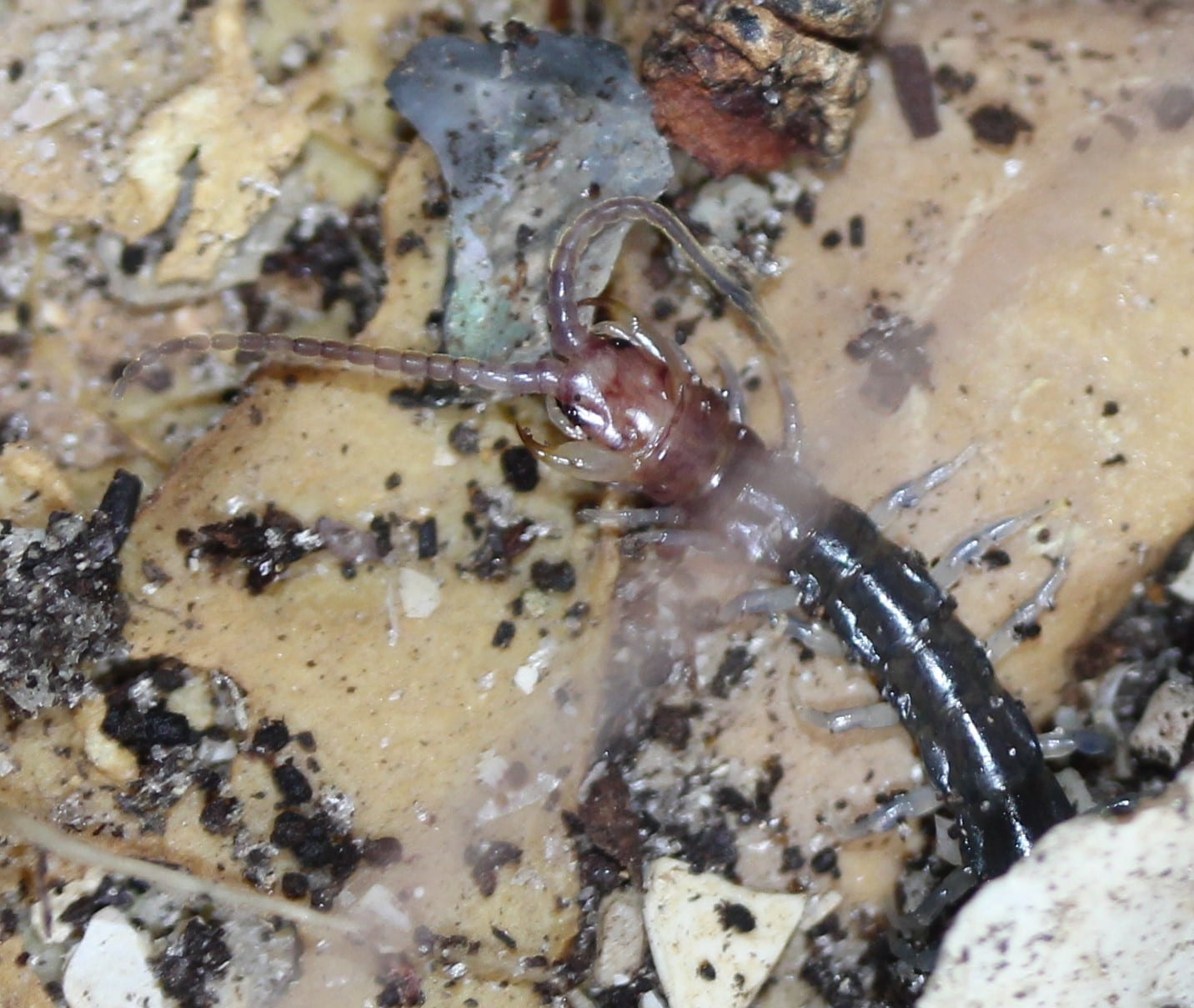
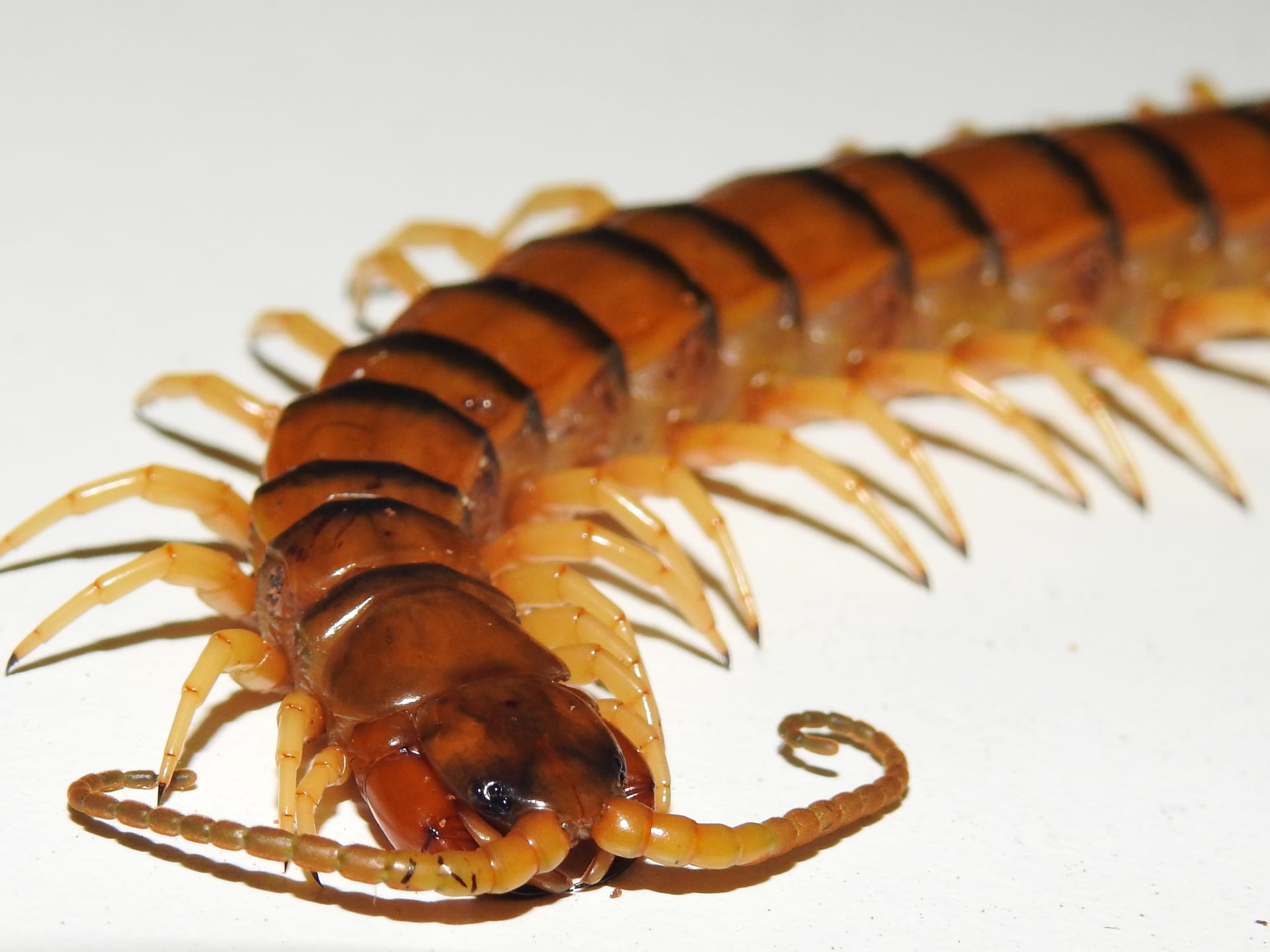
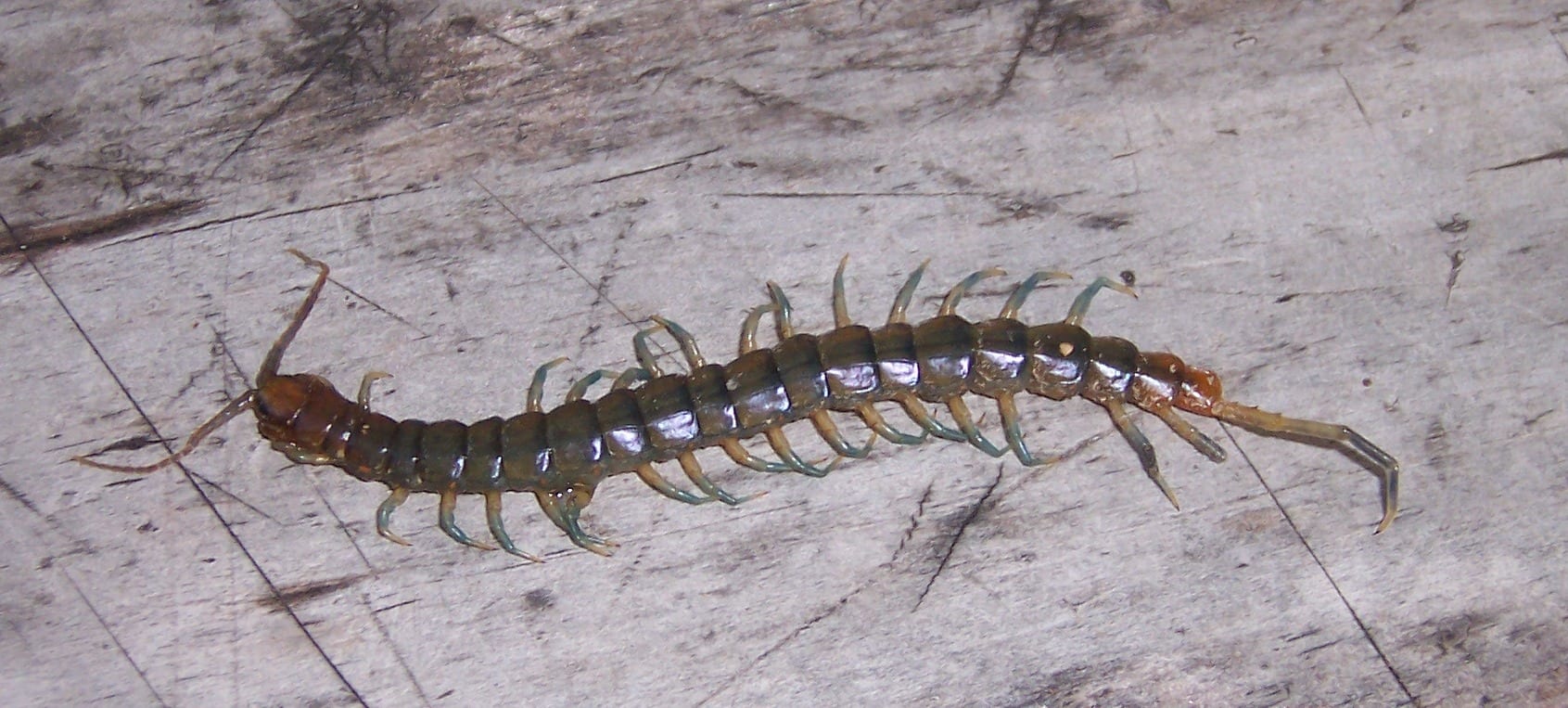
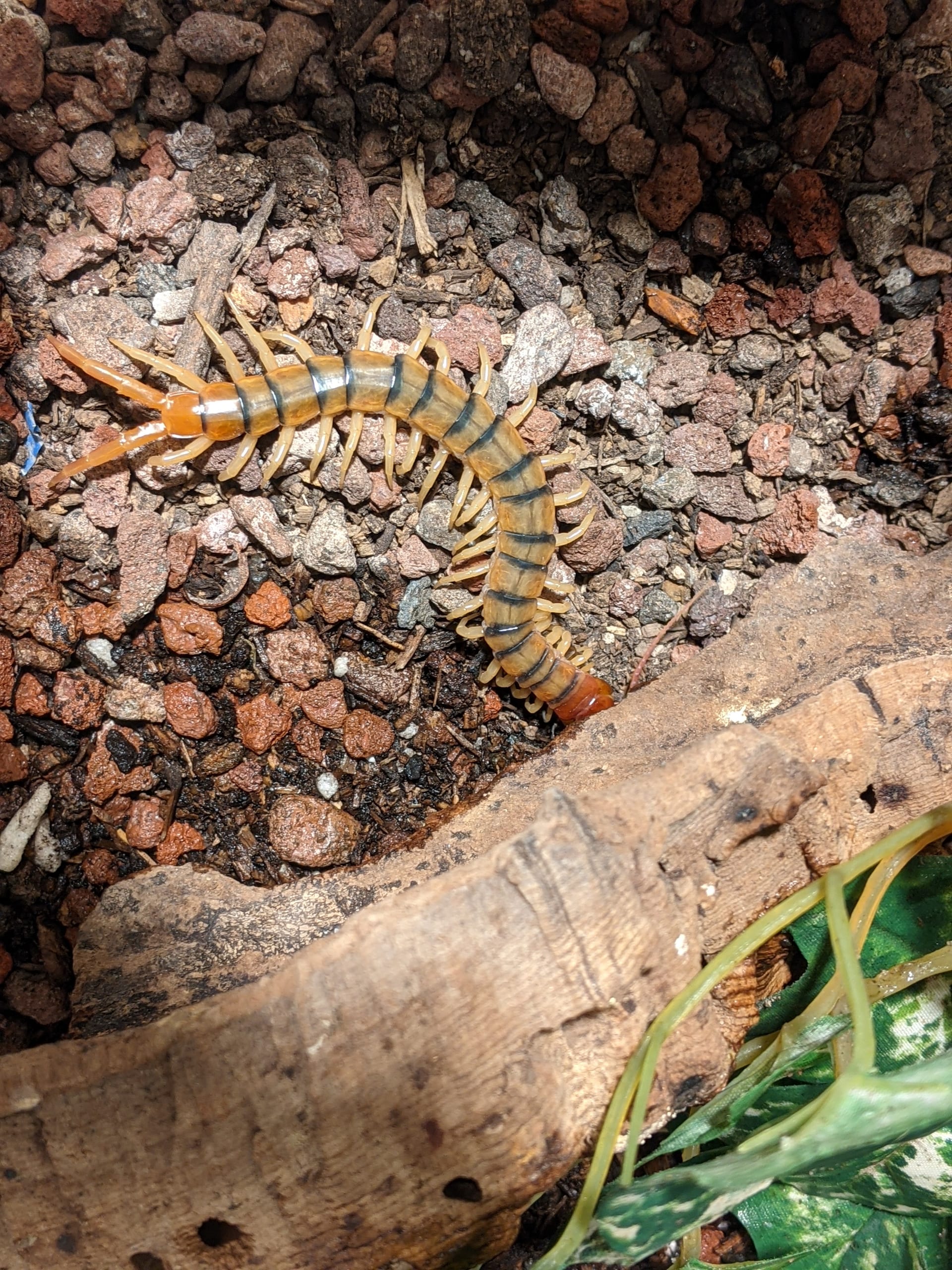
Ethmostigmus trigonopodus, also called the African giant centipede, belongs to the subfamily Otostigminae. GBIF records span sub-Saharan Africa including DR Congo, South Africa, Kenya and Tanzania, and two subspecies are recognised, the nominate form and pygmenasoides. Populations in northern Nigeria mature within a year, which is unusual among centipedes. The body is somewhat stocky with short legs, and three leg-colour forms are known: blue, yellow and banded; Japanese stock arrives on Tanzanian shipments. Length is given as around 20 cm, though a reliable maximum is not established. Relatively calm and hardy, it does well at around 25 C with fairly high humidity and is often listed as an entry-level giant centipede. Because Scolopendra morsitans is also sold as the Tanzanian blue ringleg, check the scientific name when buying. Keep in a lidded enclosure on moist substrate, housed singly, and never handle bare-handed as it is venomous.
Source: Wikipedia (CC BY-SA 4.0)
Lifespan of the Tanzanian Blue Leg Centipede
The Tanzanian Blue Leg Centipede lives 7-9 years.
Size of the Tanzanian Blue Leg Centipede
The Tanzanian Blue Leg Centipede grows to Around 20cm (approx.).
Temperature & humidity for the Tanzanian Blue Leg Centipede
The ideal temperature for the Tanzanian Blue Leg Centipede is 25℃. Ideal humidity is 50%.
Basic Info
Origin
Sub-Saharan Africa (Tanzania, Kenya, DR Congo, South Africa, etc.)
Care Specifications
Semi-aggressiveSolitaryBreeding: Hard
Sources: Pets!Pets! Ethmostigmus trigonopodus / Terminal Legs: four keeping environments for centipedes / Terminal Legs: centipede keeping manual / Wikipedia / GBIF
References & Sources
Edited & verified by: BreederDirect editorial team
The taxonomic, regulatory, and husbandry data on this page are compiled and verified against the authoritative primary sources below.
Taxonomy & Authority
Accepted name: Ethmostigmus trigonopodus (Leach, 1817)
Authority databases: GBIF
Nomenclature follows global taxonomic authority databases.
Regulations & Conservation Status
Not CITES-listed
Sources: CITES Appendices (species not listed)
Regulations may change. Always verify the latest information with the relevant authorities.
Tanzanian Blue Leg Centipede Listings
Loading latest listingsFind listings for this species