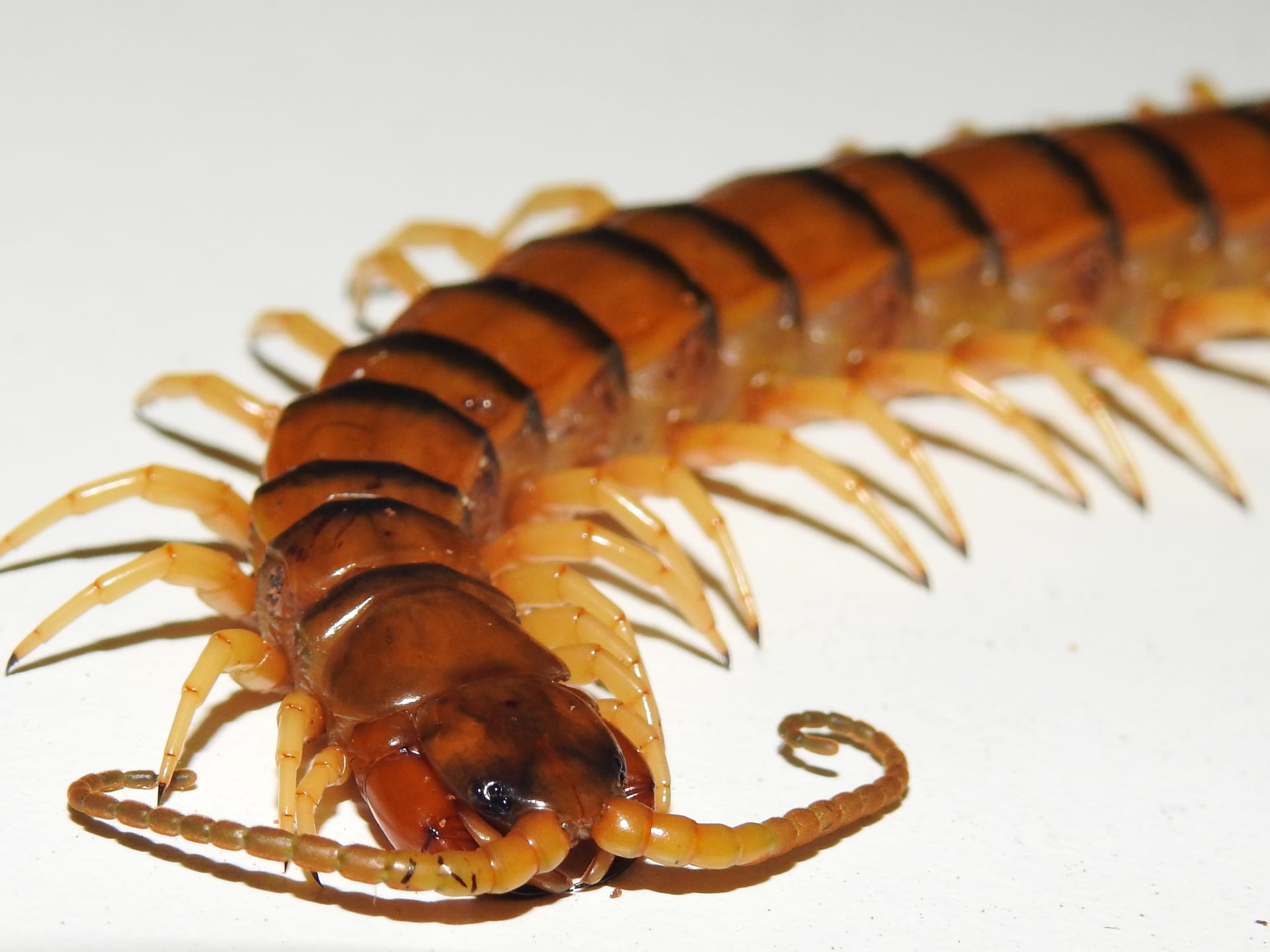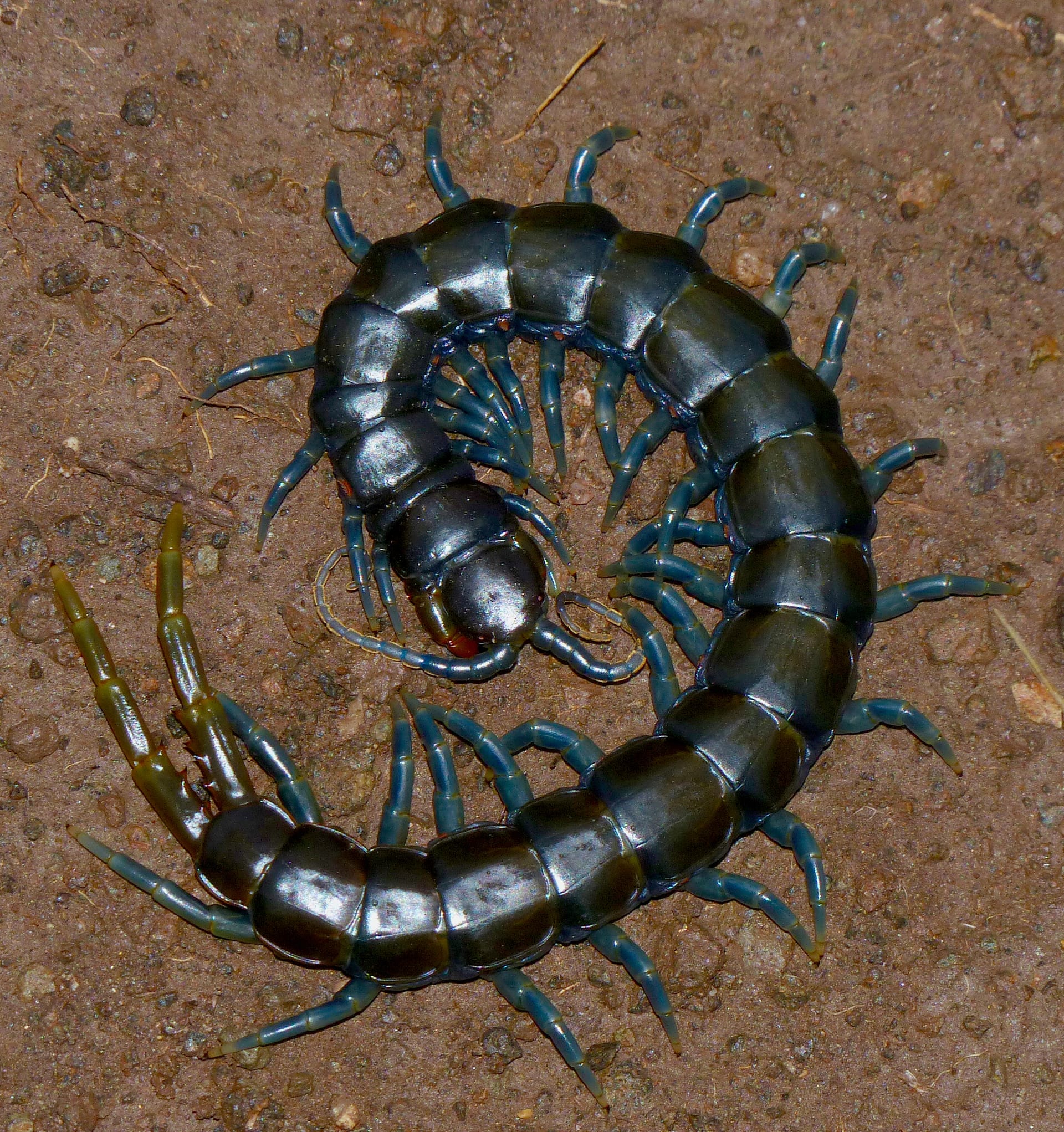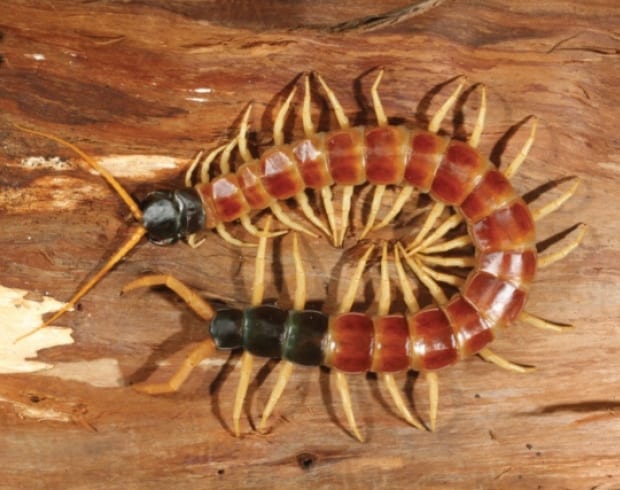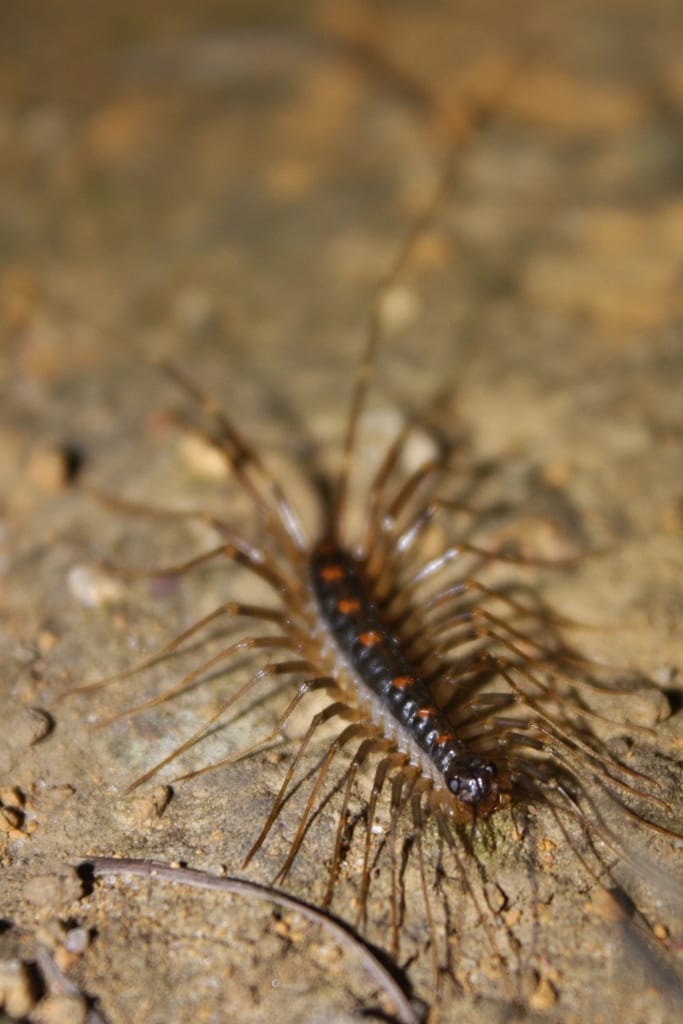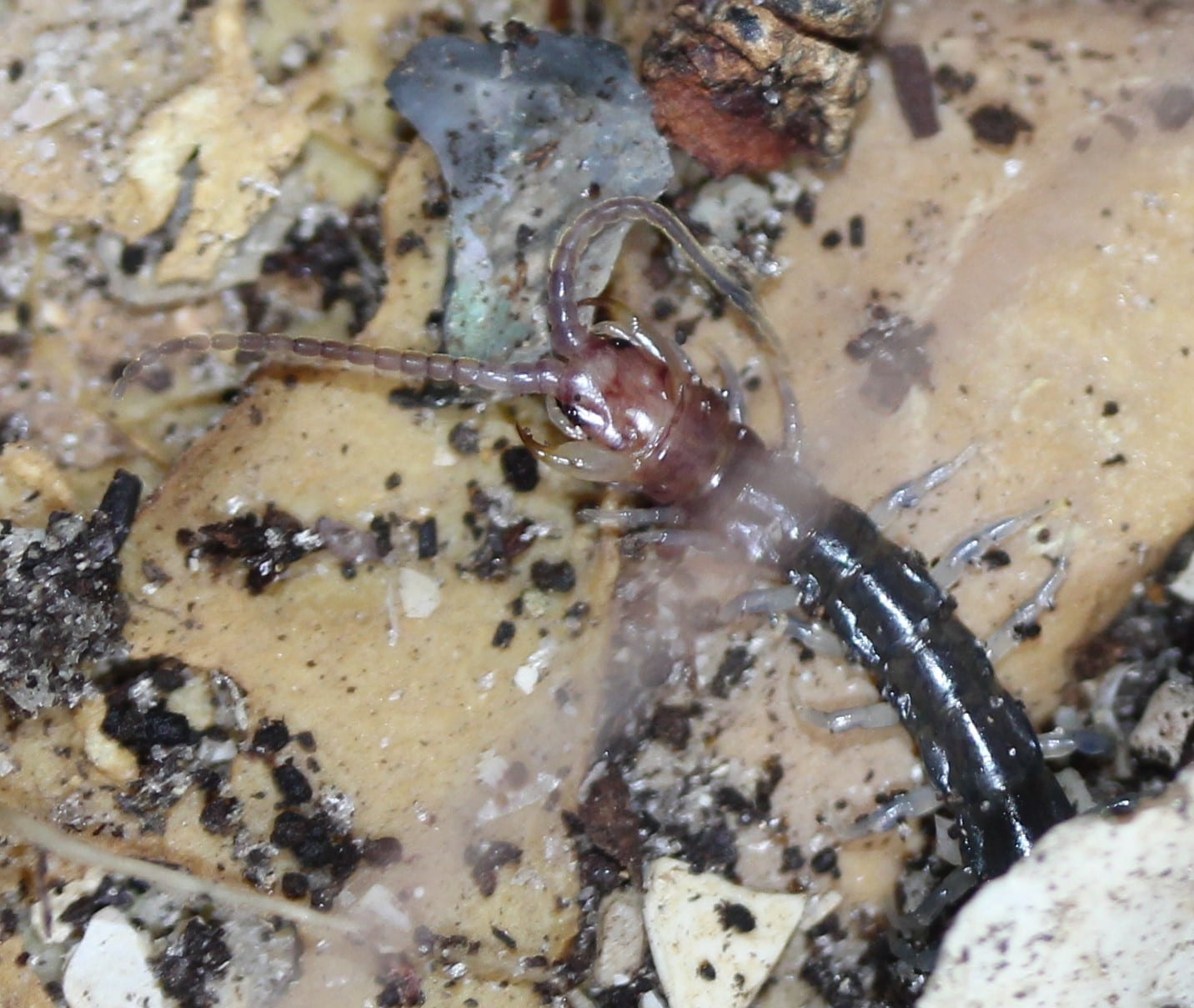
Source: Wikimedia Commons
Long-legged Centipede
IntermediateRhysida longipes
A small centipede thought to be Asian in origin and introduced across the tropics and subtropics. 6-8 cm long with bluish legs and slender ultimate legs. Smaller and easier to manage than Scolopendra, so it is traded as a pet.
Difficulty
Intermediate
Temperature
23〜29℃
Lifespan
3-5 years
Size
6-8cm
Humidity
50%
Diet
Small crickets, red runner roaches and other small insects
About
Rhysida longipes is a small member of the otostigmine genus Rhysida, known in English as the minor blue leg. Three subspecies are recognised, afghanistana, malayica and simplicior, and GBIF records cover India, Vietnam, Taiwan and Malaysia as well as the USA, Mexico, Brazil and the Dominican Republic. In South Florida it has been recorded since 1956, and a 2014 survey confirmed established populations in Miami-Dade and Monroe counties, where most animals measured 60-80 mm and were found under logs, limestone boulders and discarded materials. Populations on the Chagos Islands and Aldabra Atoll are thought to be human-mediated introductions via ballast or imported soil. Rhysida species have long, slender ultimate legs, and this species shows bluish legs. Its small size makes it manageable, and captive-bred animals are traded in Japan. Venomous but less dangerous than large species. House singly as a rule.
Source: Wikipedia (CC BY-SA 4.0)
Lifespan of the Long-legged Centipede
The Long-legged Centipede lives 3-5 years.
Size of the Long-legged Centipede
The Long-legged Centipede grows to 6-8cm.
Temperature & humidity for the Long-legged Centipede
The ideal temperature for the Long-legged Centipede is 23〜29℃. Ideal humidity is 50%.
Keep at 23-29 C with humidity above 50% on moist substrate, using fine ventilation holes because small centipedes escape easily.
Basic Info
Origin
Believed native to South and Southeast Asia; introduced to Florida, Latin America and Indian Ocean islands
Care Specifications
Semi-aggressiveSolitaryBreeding: Moderate
Sources: Terminal Legs: four keeping environments for centipedes / Terminal Legs: centipede keeping manual / Pets!Pets! keeping centipedes / Florida Entomologist 2015 (Rhysida longipes in South Florida) / Wikipedia / GBIF
References & Sources
Edited & verified by: BreederDirect editorial team
The taxonomic, regulatory, and husbandry data on this page are compiled and verified against the authoritative primary sources below.
Taxonomy & Authority
Accepted name: Rhysida longipes (Newport, 1845)
Authority databases: GBIF
Nomenclature follows global taxonomic authority databases.
Regulations & Conservation Status
Not CITES-listed
Sources: CITES Appendices (species not listed)
Regulations may change. Always verify the latest information with the relevant authorities.
Long-legged Centipede Listings
Loading latest listingsFind listings for this species