Source: Wikimedia Commons
Giant Ethmostigmus Centipede
IntermediateEthmostigmus rubripes
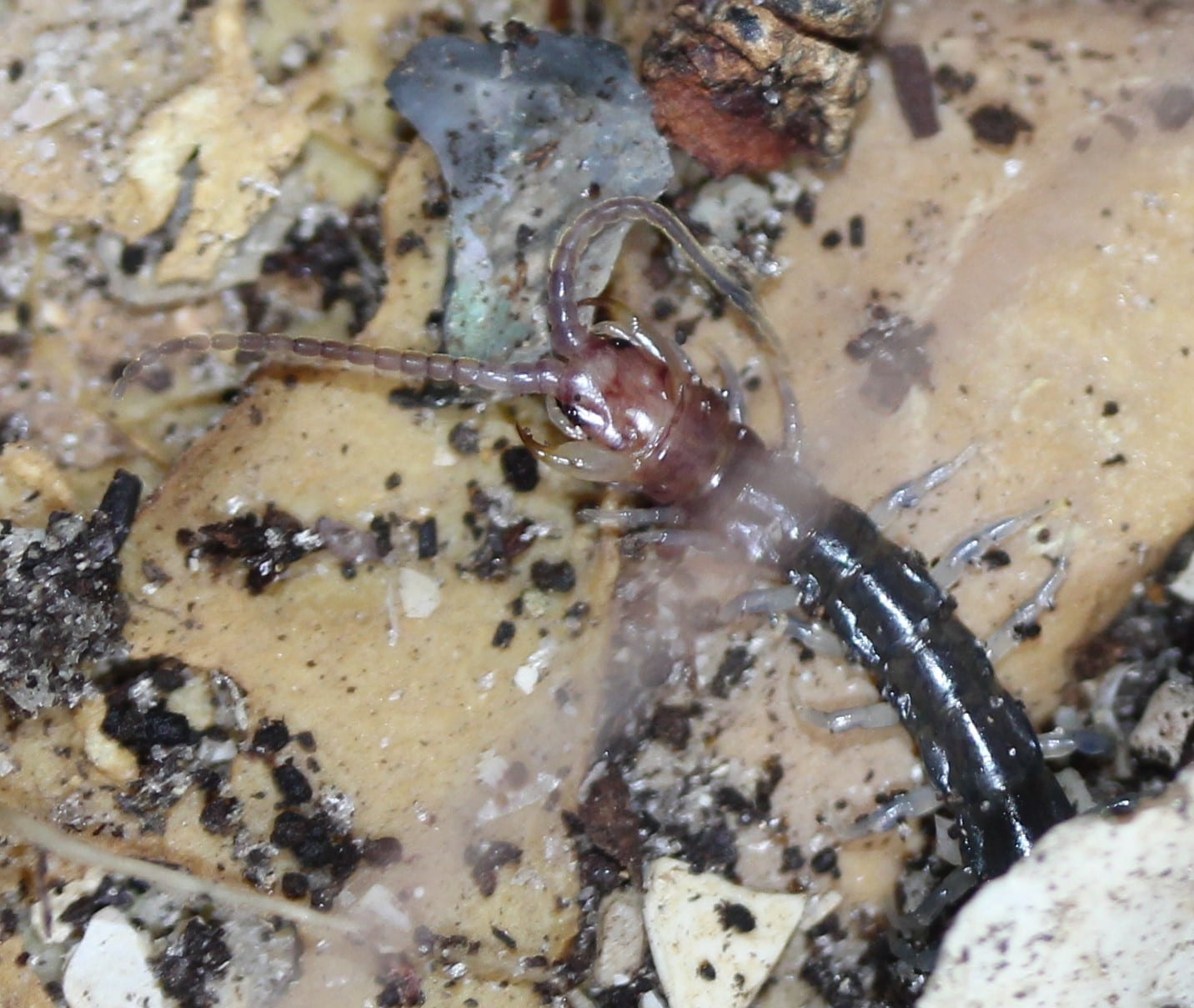
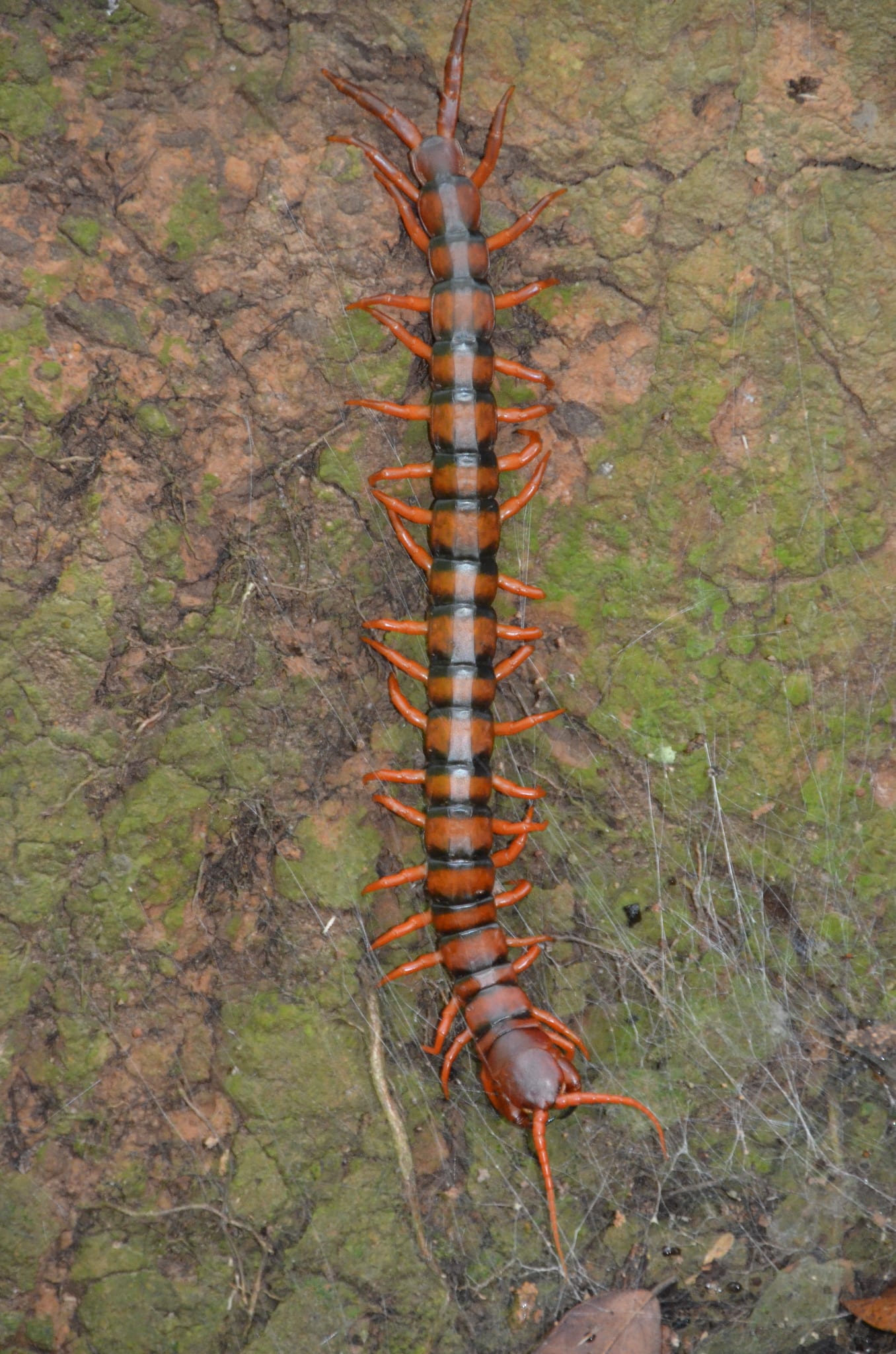
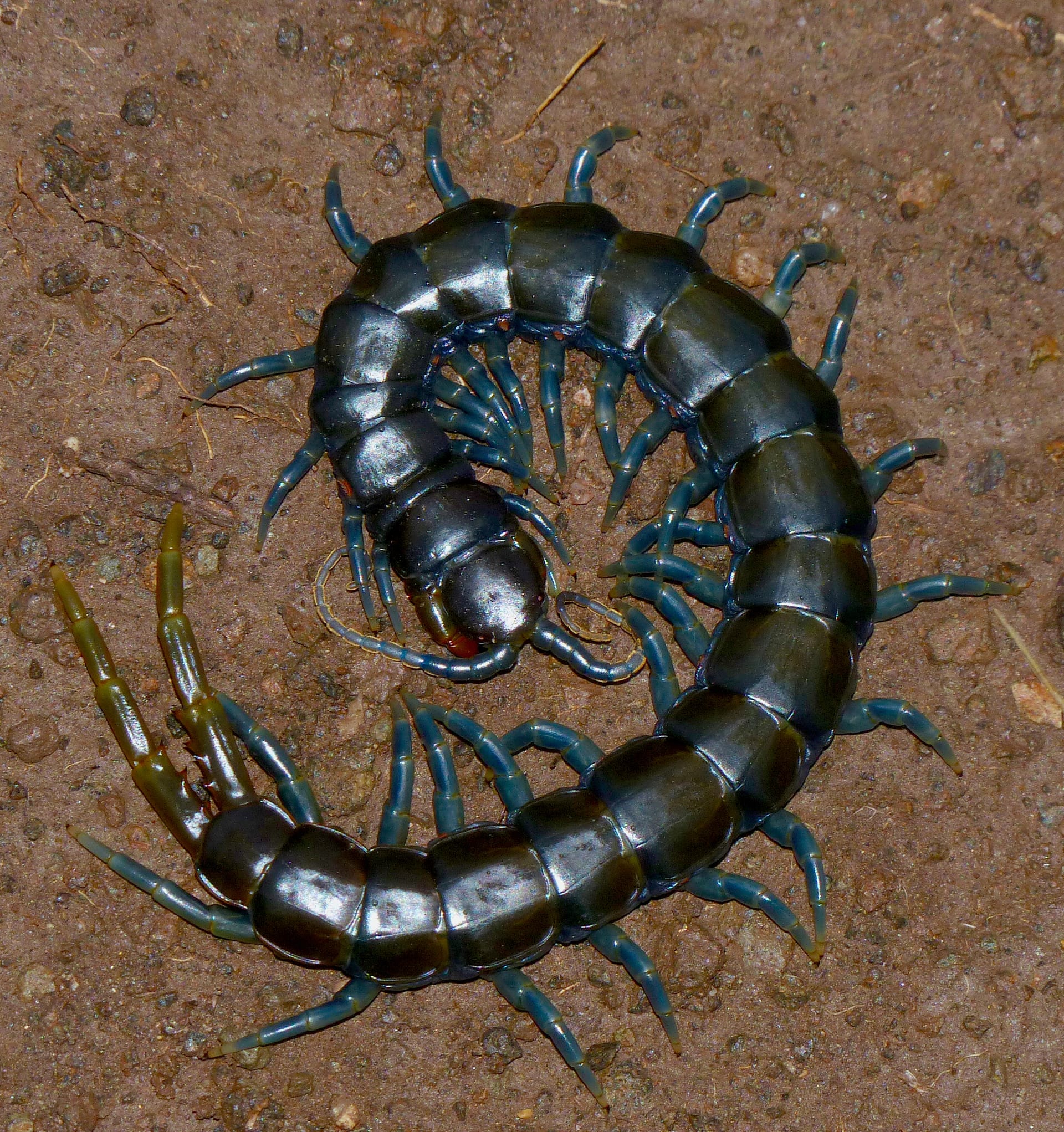
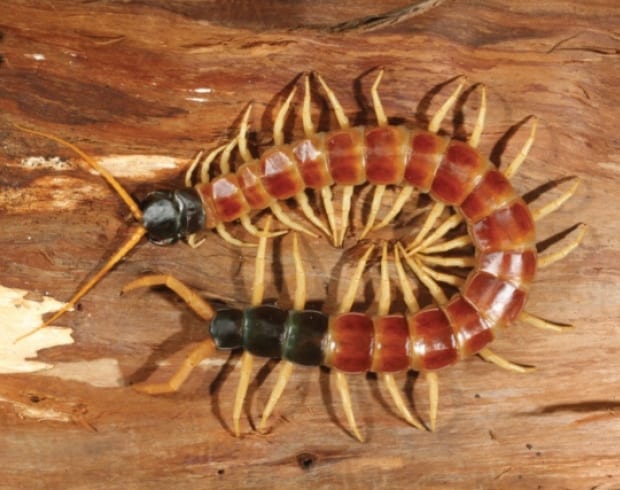
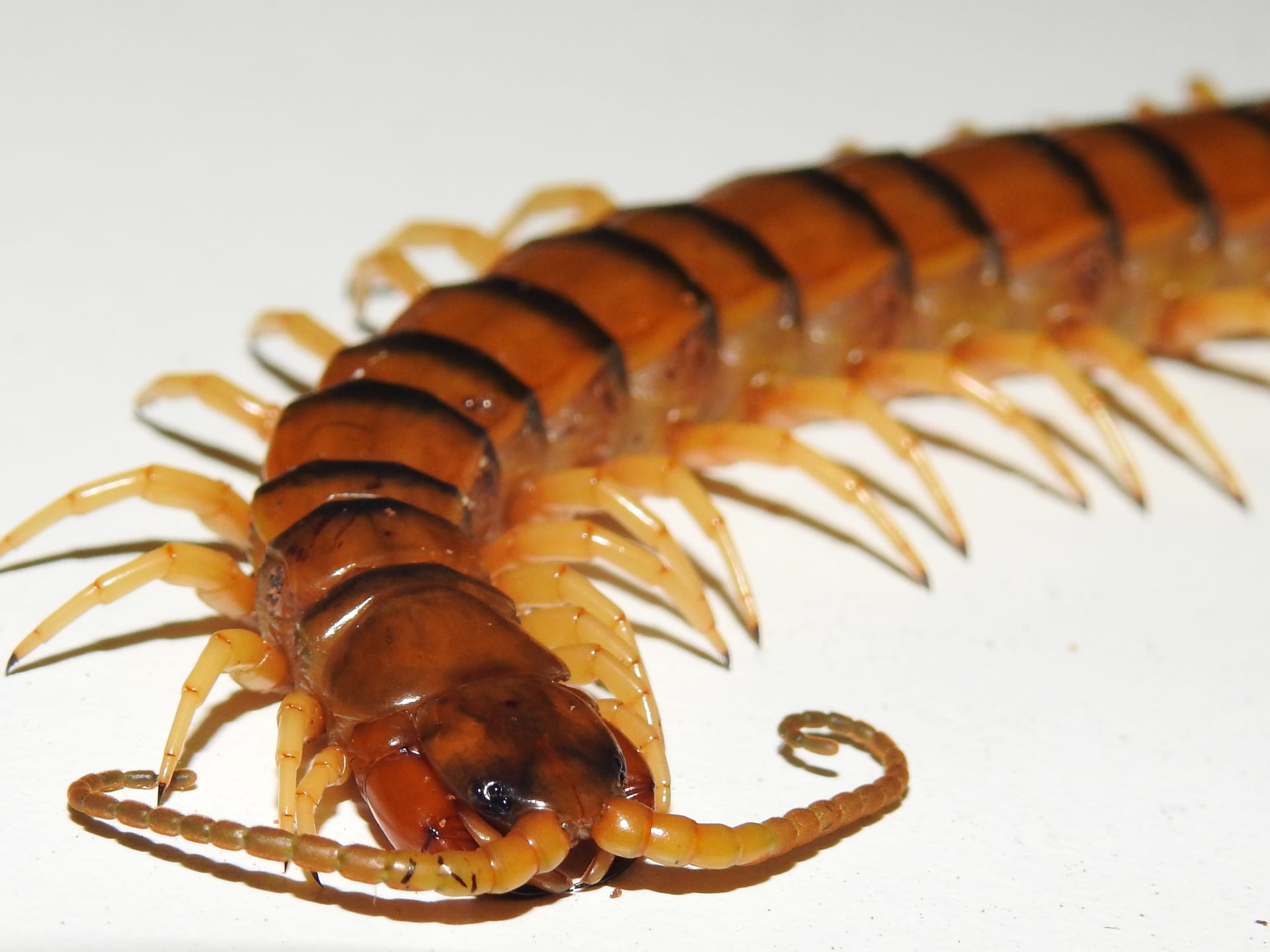
A large otostigmine centipede ranging from Australia to Asia. Tergites vary from brown and green to orange and yellow, with yellow legs and long antennae. Hardy in dry and moist conditions; Southeast Asian stock is traded.
Difficulty
Intermediate
Temperature
23〜29℃
Lifespan
5-7 years
Size
Up to 16cm
Humidity
50%
Diet
Crickets, dubia roaches and other insects
About
Ethmostigmus rubripes is a large otostigmine centipede distributed widely across Asia and Oceania; in Australia it is simply called the giant centipede and occurs nationwide. It reaches 16 cm, has 25 or 27 body segments with 21 or 23 leg pairs, and tergites that vary from brown and green to orange and yellow, sometimes with a dark border. The antennae are yellow, long and 19-20 segmented. It inhabits deserts, rainforests and urban areas alike, tolerating dry and moist conditions, and shelters under logs, bark, litter and rocks as a solitary nocturnal predator of insects, snails and worms. Females lay egg clusters in summer and autumn and guard the young until their second moult. Besides the nominate form, the subspecies platycephalus and spinosus are recognised. Bites cause severe pain lasting days, but no deaths from Australian centipedes are recorded. Southeast Asian stock reaches Japan under names such as Borneo deep blue, usually sold at 6-12 cm.
Source: Wikipedia (CC BY-SA 4.0)
Lifespan of the Giant Ethmostigmus Centipede
The Giant Ethmostigmus Centipede lives 5-7 years.
Size of the Giant Ethmostigmus Centipede
The Giant Ethmostigmus Centipede grows to Up to 16cm.
Temperature & humidity for the Giant Ethmostigmus Centipede
The ideal temperature for the Giant Ethmostigmus Centipede is 23〜29℃. Ideal humidity is 50%.
Keep at 23-29 C with humidity above 50%, housed singly.
Basic Info
Origin
Care Specifications
Semi-aggressiveSolitaryBreeding: Hard
Sources: Australian Museum: Giant Centipede / Terminal Legs: four keeping environments for centipedes / Terminal Legs: centipede keeping manual / Bug Bug bugs (shop) centipedes / Wikipedia / GBIF
References & Sources
Edited & verified by: BreederDirect editorial team
The taxonomic, regulatory, and husbandry data on this page are compiled and verified against the authoritative primary sources below.
Taxonomy & Authority
Accepted name: Ethmostigmus rubripes (Brandt, 1840)
Authority databases: GBIF
Nomenclature follows global taxonomic authority databases.
Regulations & Conservation Status
Not CITES-listed
Sources: CITES Appendices (species not listed)
Regulations may change. Always verify the latest information with the relevant authorities.
Giant Ethmostigmus Centipede Listings
Loading latest listingsFind listings for this species