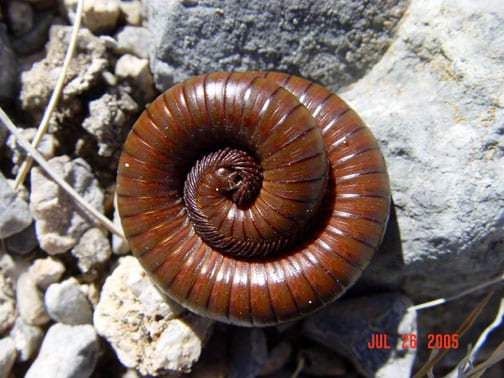
Source: Wikimedia Commons
Desert Millipede
BeginnerOrthoporus ornatus
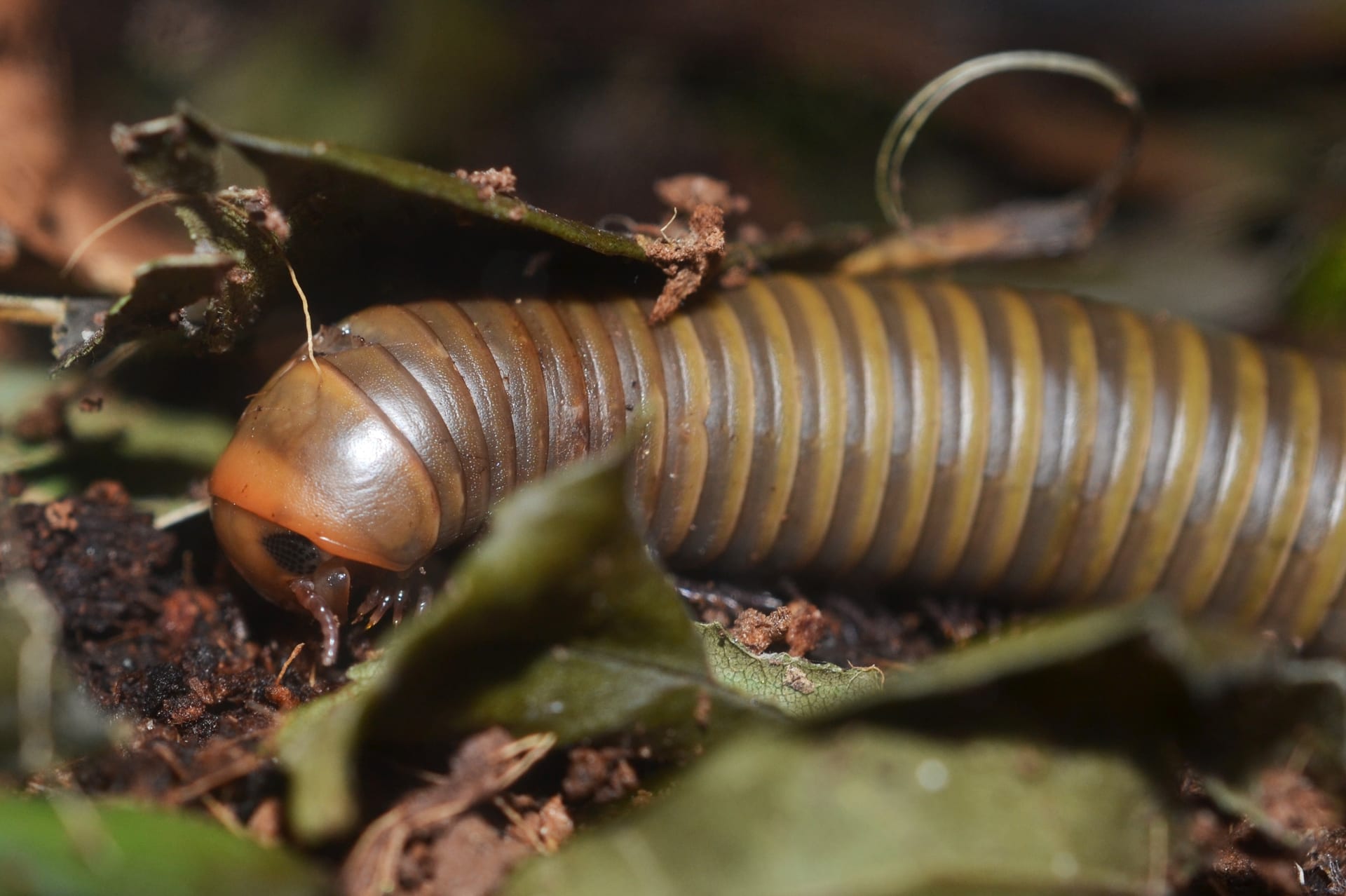
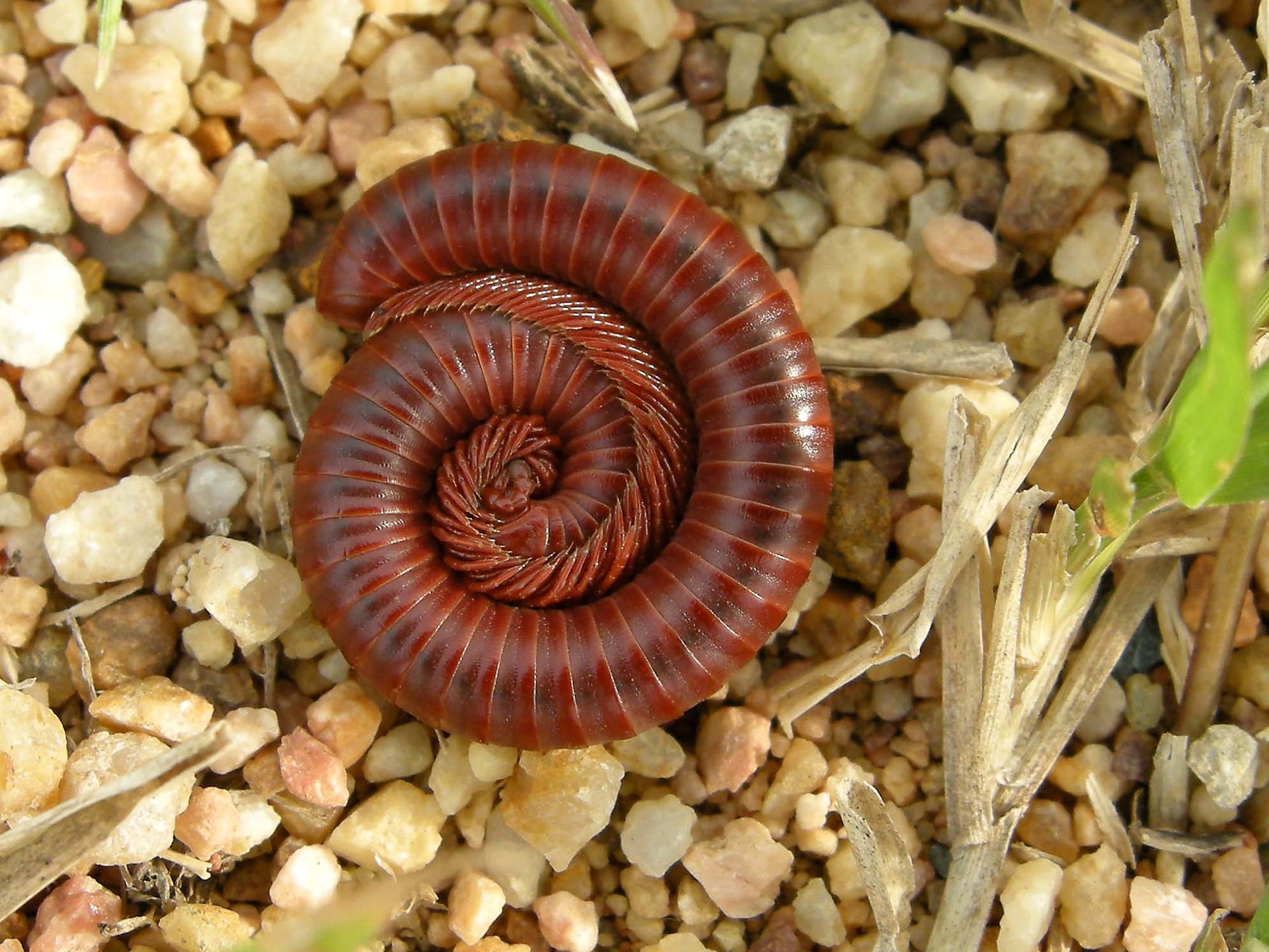
A large millipede from the arid southwest of North America. Usually dark brown but sometimes yellowish, with a different look in every state, averaging about 10cm. Hardy and drought-tolerant, but it almost never reproduces in captivity.
Difficulty
Beginner
Lifespan
Over 10 years
Size
10-15cm (up to about 23cm)
Diet
Leaf litter, decaying wood, vegetables and fruit
About
Orthoporus ornatus is a large spirostreptid millipede of the arid southwest, ranging from Arizona, New Mexico and Texas south to San Luis Potosi in Mexico. Individuals average about 10cm, with small ones around 7.6cm and exceptional ones reaching 23cm. The ground colour is dark brown, sometimes yellowish, and the species is said to look different in every state. It feeds on both living plants and dead organic matter, burrows to escape desert heat and dryness, and emerges after the summer monsoon rains. When disturbed it coils and releases an irritating fluid from glands along the sides of its segments. It can live more than ten years. The species became very popular in the pet trade and many were exported to Europe, but it hardly reproduces in captivity, so stock still depends on wild collection. Because it tolerates dry conditions well, the substrate does not need to be kept wet throughout; wetting part of it every few days is enough.
Source: Wikipedia (CC BY-SA 4.0)
Lifespan of the Desert Millipede
The Desert Millipede lives Over 10 years.
Size of the Desert Millipede
The Desert Millipede grows to 10-15cm (up to about 23cm).
Basic Info
Origin
Southwestern North America (Arizona, New Mexico and Texas, south to San Luis Potosi, Mexico)
Lifespan
Over 10 years
Size
10-15cm (up to about 23cm)
Diet
Care Specifications
PeacefulGroupBreeding: Very hard
Sources: Wikipedia: Orthoporus ornatus / Bugs in Cyberspace: Orthoporus ornatus Desert Millipedes / Bugs in Cyberspace: Orthoporus ornatus gold desert millipede / GBIF
References & Sources
Edited & verified by: BreederDirect editorial team
The taxonomic, regulatory, and husbandry data on this page are compiled and verified against the authoritative primary sources below.
Taxonomy & Authority
Accepted name: Orthoporus ornatus (Girard, 1853)
Synonyms: Julus ornatus Girard, 1853, Orthoporus arizonicus Loomis, 1953, Orthoporus crotonus Chamberlin, 1952, Orthoporus punctilliger Chamberlin, 1923
Authority databases: GBIF
Nomenclature follows global taxonomic authority databases.
Regulations & Conservation Status
Not CITES-listed
Sources: CITES Appendices (species not listed)
Regulations may change. Always verify the latest information with the relevant authorities.
Desert Millipede Listings
Loading latest listingsFind listings for this species