Source: Wikimedia Commons
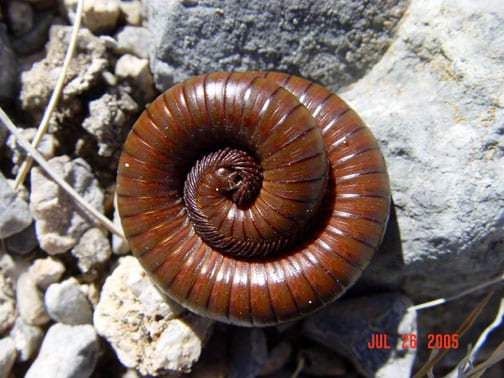
Thai Giant Millipede
BeginnerThyropygus allevatus
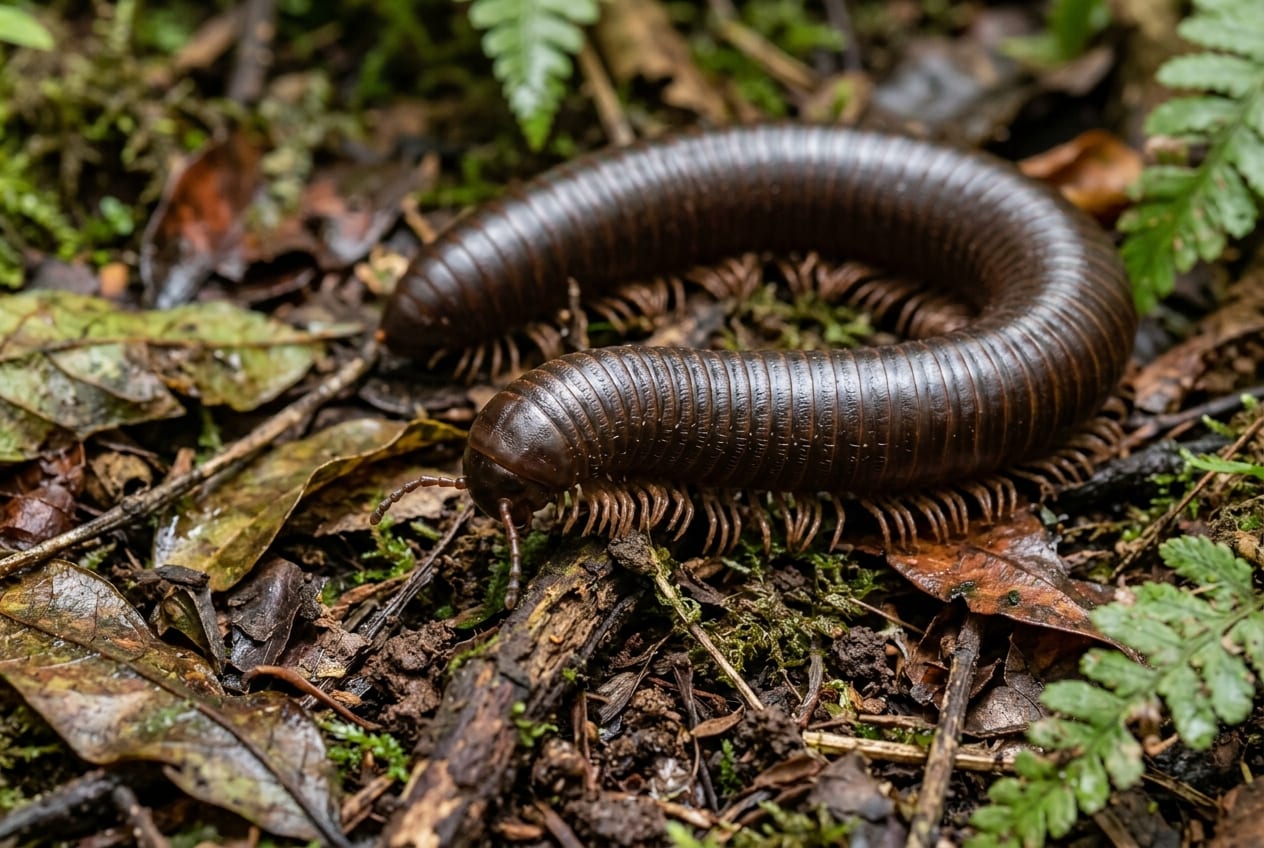
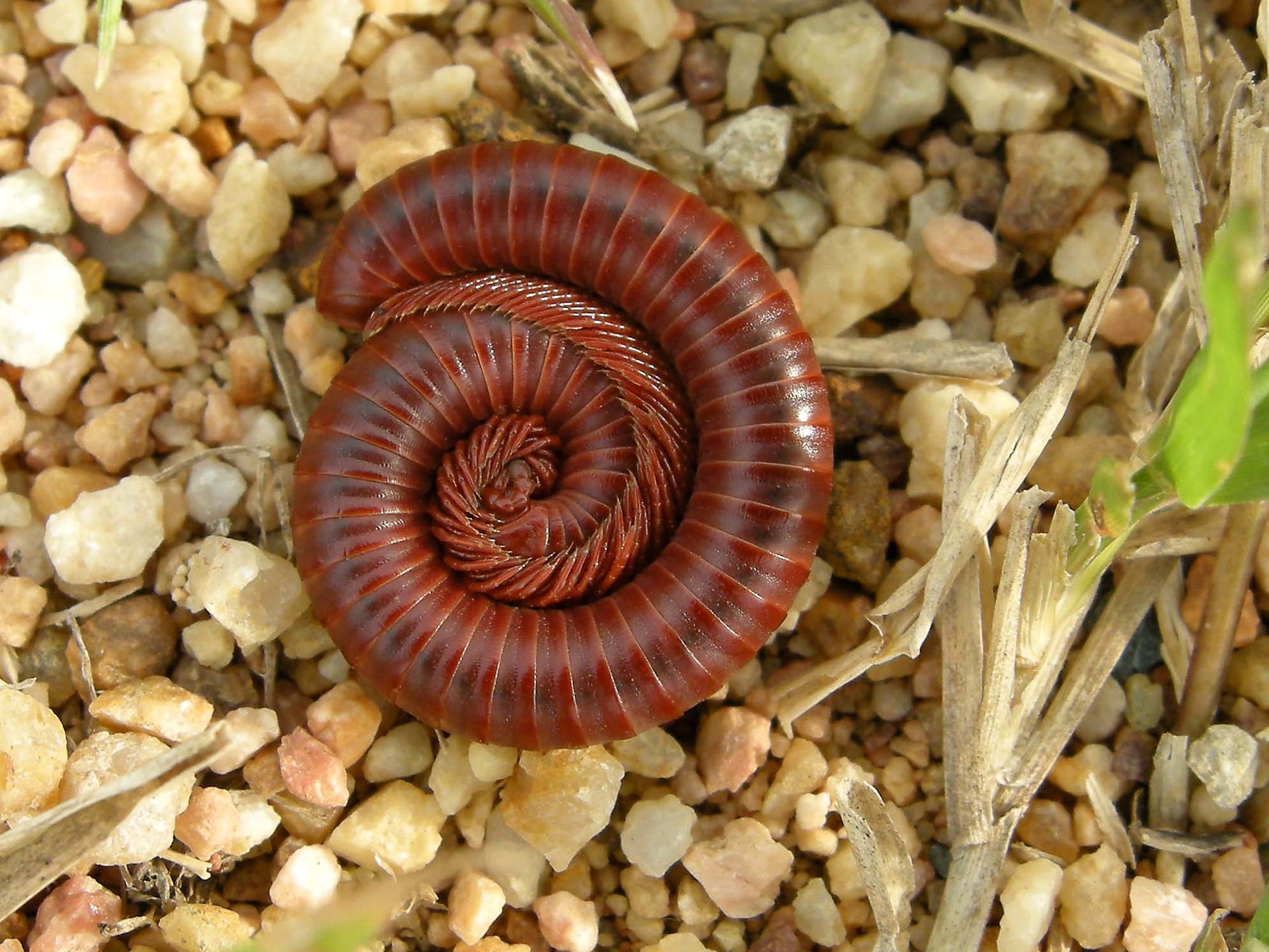
One of the largest Asian millipedes, reaching up to 30cm. A dark brown body with distinctly lighter segment rings gives it a banded look. It is robust and active, and easy to keep for its size. It wants warmth, humidity and deep substrate.
Difficulty
Beginner
Temperature
25〜28℃
Lifespan
6-10 years
Size
Up to 30cm
Humidity
75〜95%
Diet
Leaf litter and decaying wood as the staple, with vegetables and fruit as extras
About
Thyropygus allevatus, the Siamese pointy-tailed millipede, is a harpagophorid millipede of Sri Lanka, Thailand and Vietnam and one of the largest Asian species, reaching up to 30cm. The body is dark brown with noticeably lighter segment rings, producing a clear banded pattern, and the tail end is pointed. It is calm but moves about the substrate a great deal, which makes it rewarding to watch, and it is robust and stress-resistant enough to suit beginners despite its size. Leaf litter and decaying wood are the staple, with vegetables and fruit as extras only. Captive breeding is possible with patience. Note that T. allevatus belongs to a species group still under revision, so traded animals are usually labelled Thyropygus sp.
Source: Wikipedia (CC BY-SA 4.0)
Lifespan of the Thai Giant Millipede
The Thai Giant Millipede lives 6-10 years.
Size of the Thai Giant Millipede
The Thai Giant Millipede grows to Up to 30cm.
Temperature & humidity for the Thai Giant Millipede
The ideal temperature for the Thai Giant Millipede is 25〜28℃. Ideal humidity is 75〜95%.
Keep it at 25-28 C with 75-95% humidity and at least 10cm of substrate so it can bury itself before moulting; the substrate should stay loose while holding moisture, creating a stable microclimate in the lower layer.
Basic Info
Origin
South and Southeast Asia (Thailand, Vietnam, Sri Lanka)
Care Specifications
PeacefulGroupBreeding: Moderate
Sources: Insektenliebe: Thyropygus allevatus / Wikipedia: Thyropygus allevatus / GBIF
References & Sources
Edited & verified by: BreederDirect editorial team
The taxonomic, regulatory, and husbandry data on this page are compiled and verified against the authoritative primary sources below.
Taxonomy & Authority
Accepted name: Thyropygus allevatus (Karsch, 1881)
Synonyms: Spirostreptus allevatus Karsch, 1881, Thyropisthus allevatus (Karsch, 1881), Spirostreptus bowringi (Pocock, 1894)
Authority databases: GBIF
Nomenclature follows global taxonomic authority databases.
Regulations & Conservation Status
Not CITES-listed
Sources: CITES Appendices (species not listed)
Regulations may change. Always verify the latest information with the relevant authorities.
Thai Giant Millipede Listings
Loading latest listingsFind listings for this species