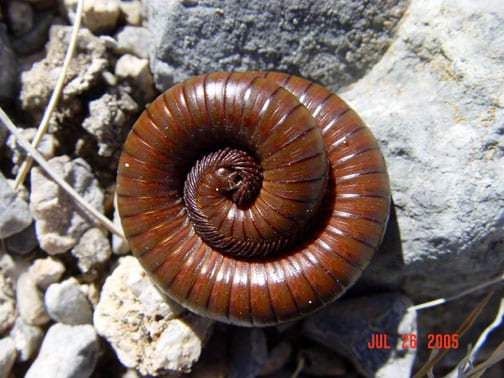
Source: Wikimedia Commons
Smokey Oak Millipede
BeginnerNarceus gordanus
Its range is much narrower than that of the related American giant millipede.
Difficulty
Beginner
Lifespan
5-8 years
Size
60-120mm
Diet
The substrate itself, decaying hardwood and leaf litter, is the primary diet, with fruit and vegetables as supplements; calcium carbonate is mixed into the substrate
About
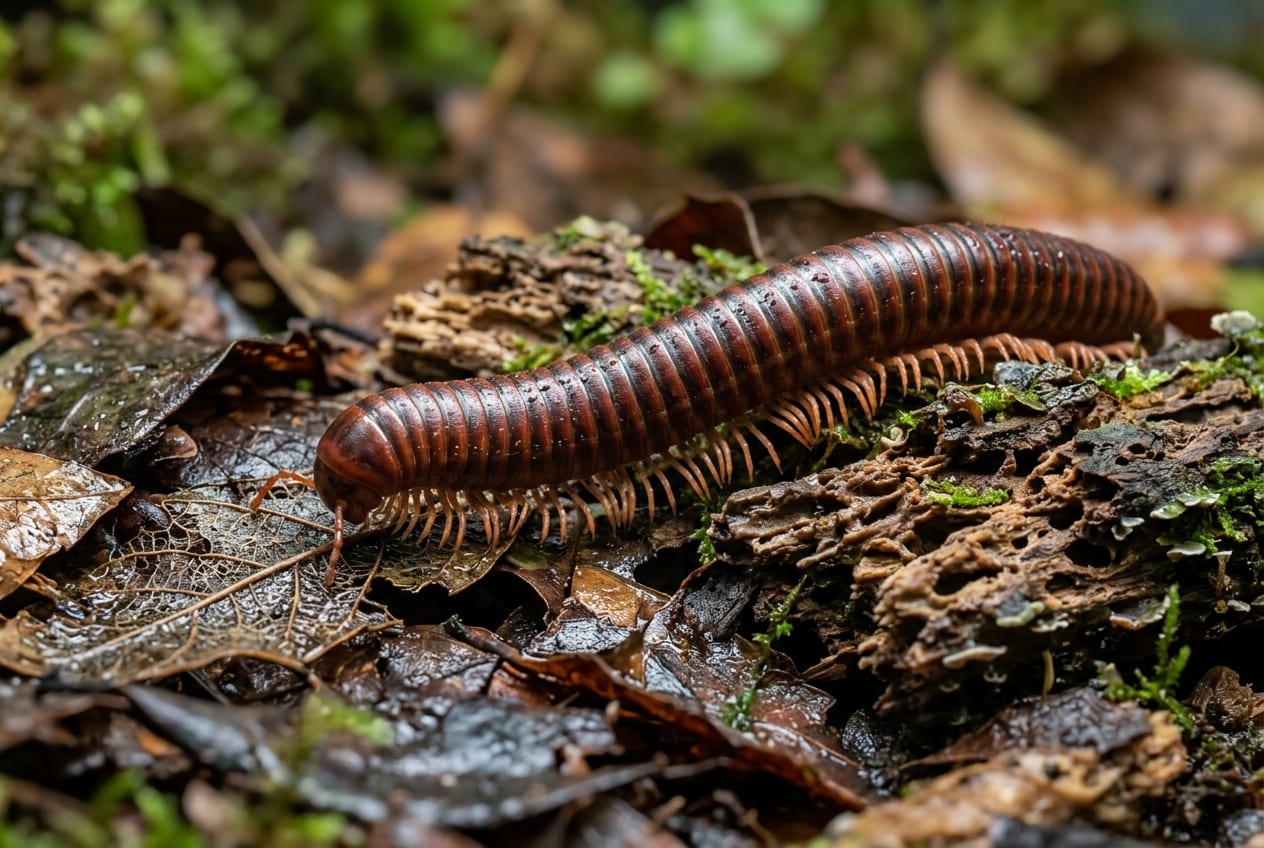
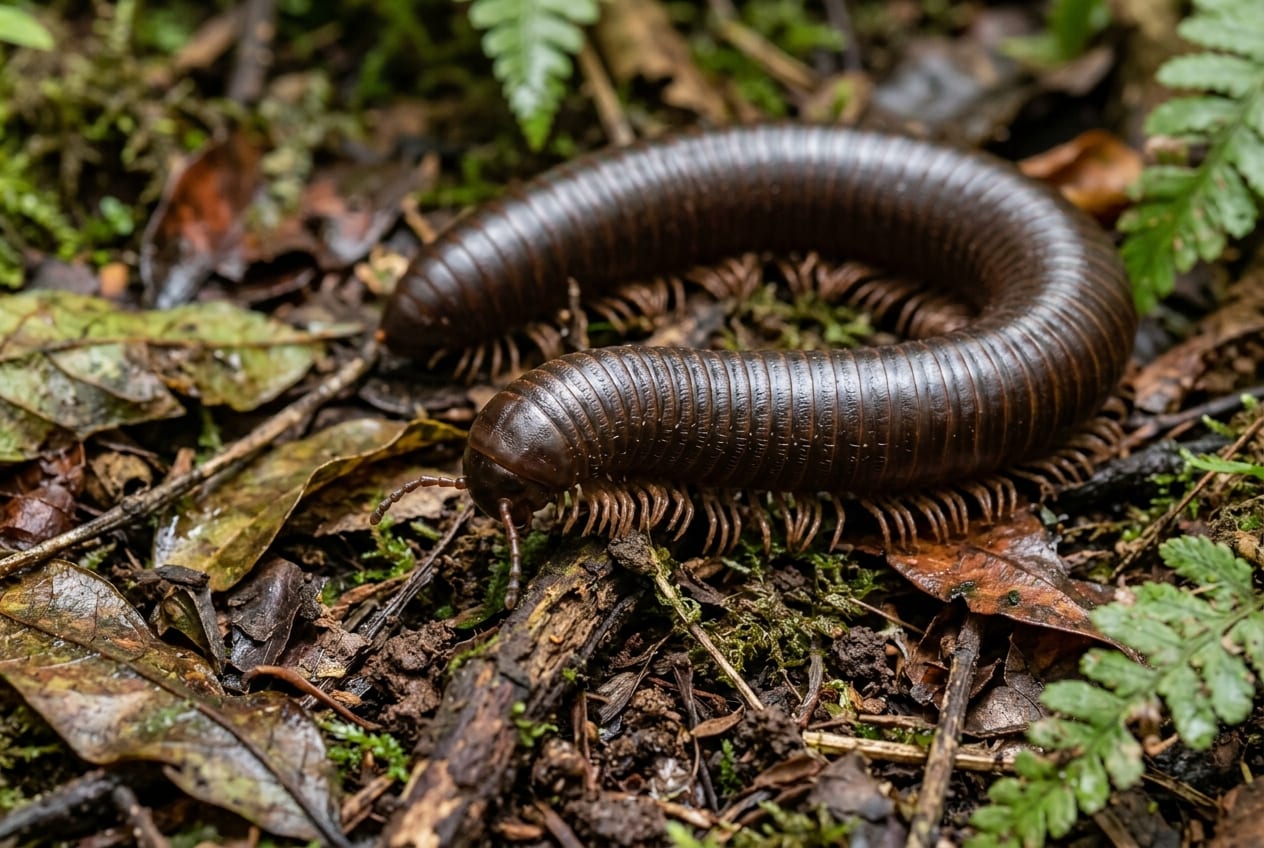
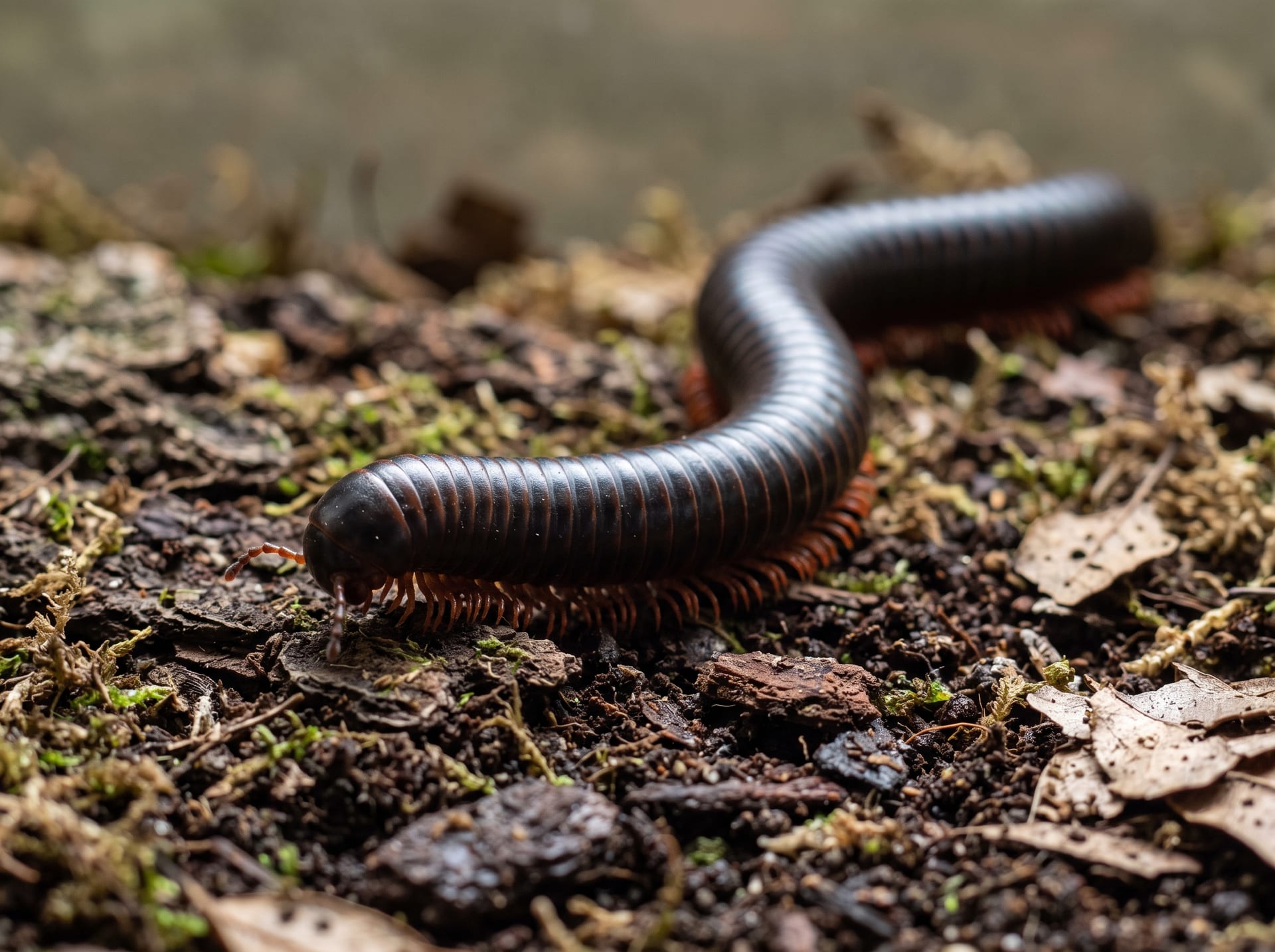
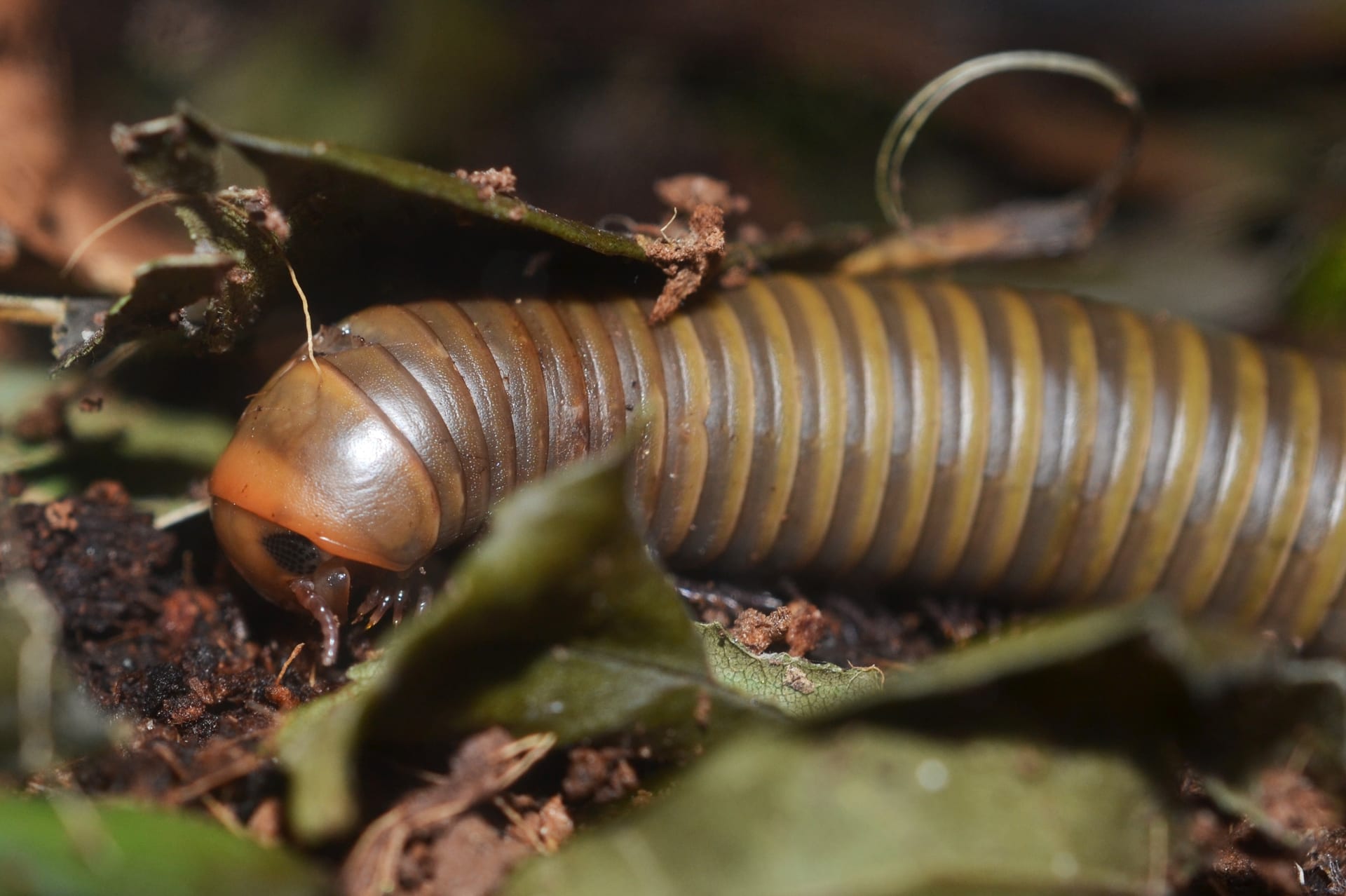
Narceus gordanus, described by Chamberlin in 1943, is a large North American millipede of the Florida scrub, ranging north to South Carolina with possible records in Tennessee. Adults are 60-120mm long, up to 13mm wide, and have 45-65 body segments; in some places the colour matches the sand. The genus is treated as three units, the americanus and annularis complex, this species, and woodruffi, and unlike the widespread americanus this one is confined to the southeast. Being a temperate North American species it does well at room temperature and generally needs no heating. The commonest way to kill a pet millipede is to let it dry out, so the lower layers of substrate should always be moist and the top at least slightly so. Favour a container wider than it is tall, with substrate at least as deep as the animal is long, built from compost soil, crushed hardwood leaves, sand and oak sawdust with a sprinkling of calcium carbonate. The substrate is the primary diet and fruit and vegetables are only supplements. It is communal and can share an enclosure with other millipedes and isopods. When disturbed it releases a defensive secretion that leaves a harmless brown stain on skin.
Source: Wikipedia (CC BY-SA 4.0)
Lifespan of the Smokey Oak Millipede
The Smokey Oak Millipede lives 5-8 years.
Size of the Smokey Oak Millipede
The Smokey Oak Millipede grows to 60-120mm.
Basic Info
Origin
Southeastern United States (peninsular Florida north to South Carolina, with possible records in Tennessee)
Lifespan
5-8 years
Care Specifications
References & Sources
Edited & verified by: BreederDirect editorial team
The taxonomic, regulatory, and husbandry data on this page are compiled and verified against the authoritative primary sources below.
Taxonomy & Authority
Accepted name: Narceus gordanus (Chamberlin, 1943)
Authority databases: GBIF
Nomenclature follows global taxonomic authority databases.
Regulations & Conservation Status
Not CITES-listed
Sources: CITES Appendices (species not listed)
Regulations may change. Always verify the latest information with the relevant authorities.
Smokey Oak Millipede Listings
Loading latest listingsFind listings for this species