Seibun-gyo (Chinwengyo) Care Guide | Distinctive Blue-Black Coloring and Swim Bladder Disease Prevention
A comprehensive guide to caring for the rare goldfish variety Seibun-gyo (Chinwengyo). Learn how to maintain their lead-gray and blue-black body color through proper lighting, substrate, and feeding strategies, prevent swim bladder disease common in round-body types, select compatible tank mates, and discover key points when purchasing from breeders.
Key Takeaways
A comprehensive guide to caring for the rare goldfish variety Seibun-gyo (Chinwengyo). Learn how to maintain their lead-gray and blue-black body color through proper lighting, substrate, and feeding strategies, prevent swim bladder disease common in round-body types, select compatible tank mates, and discover key points when purchasing from breeders.
Related Species
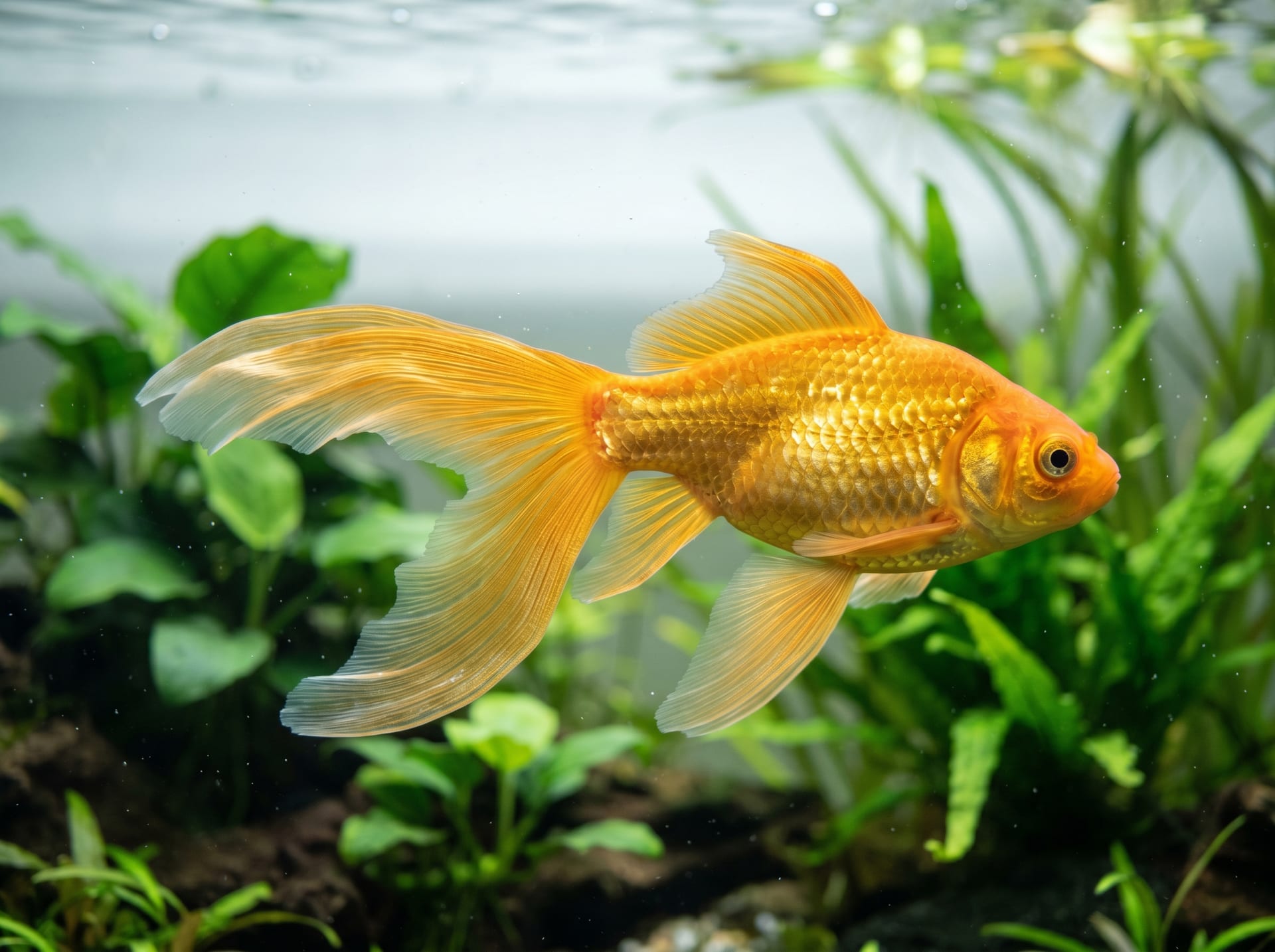
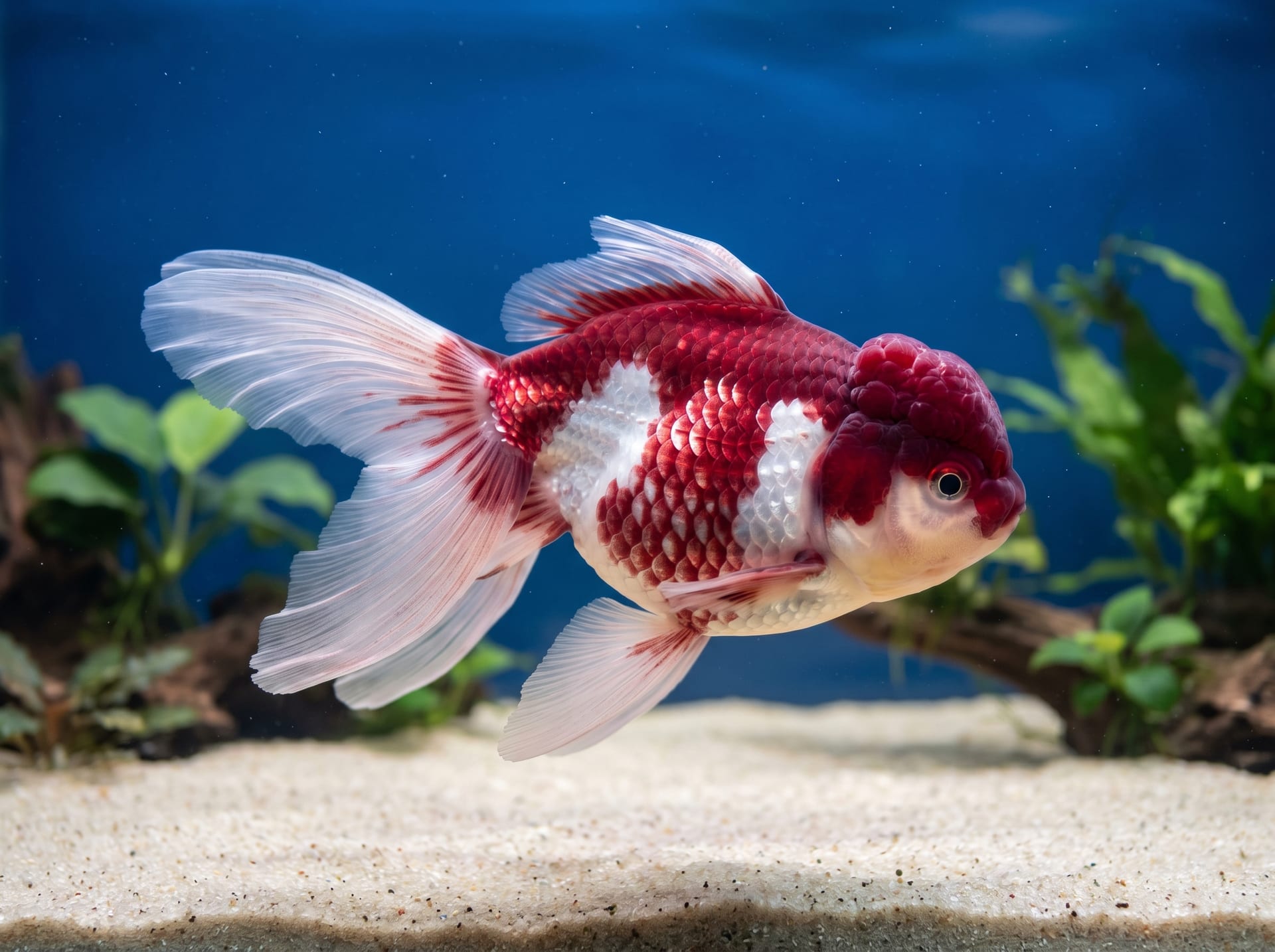
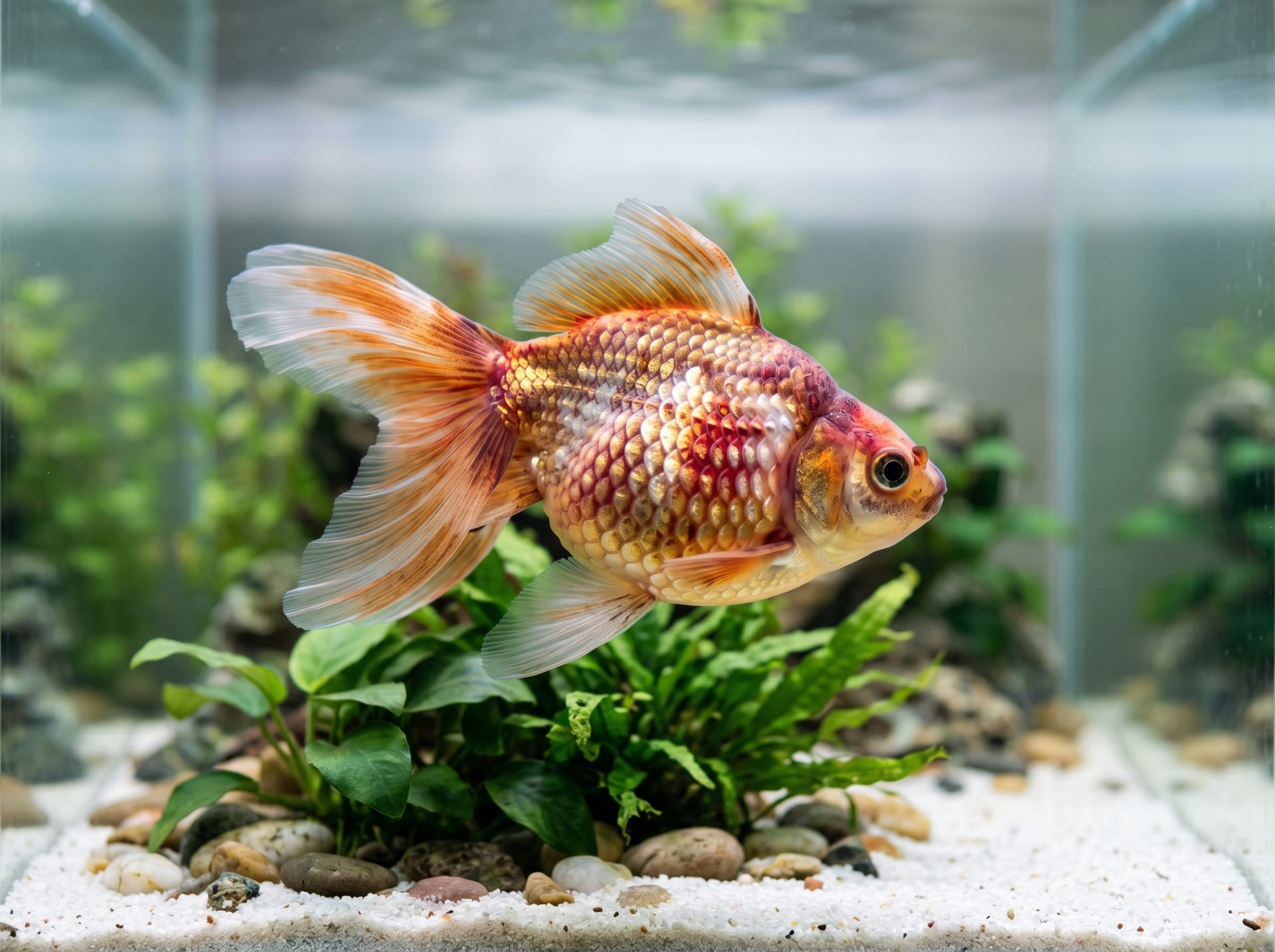
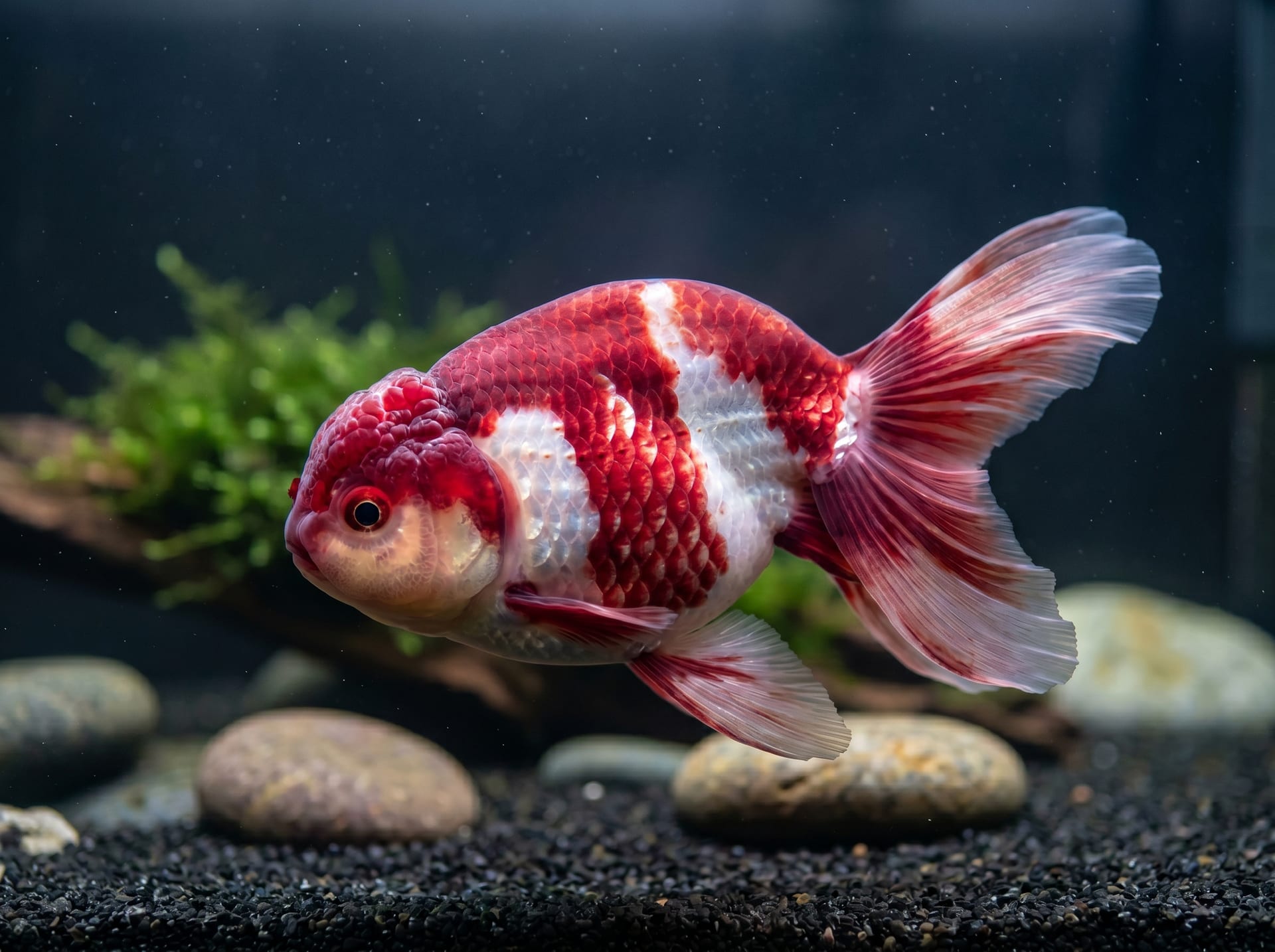
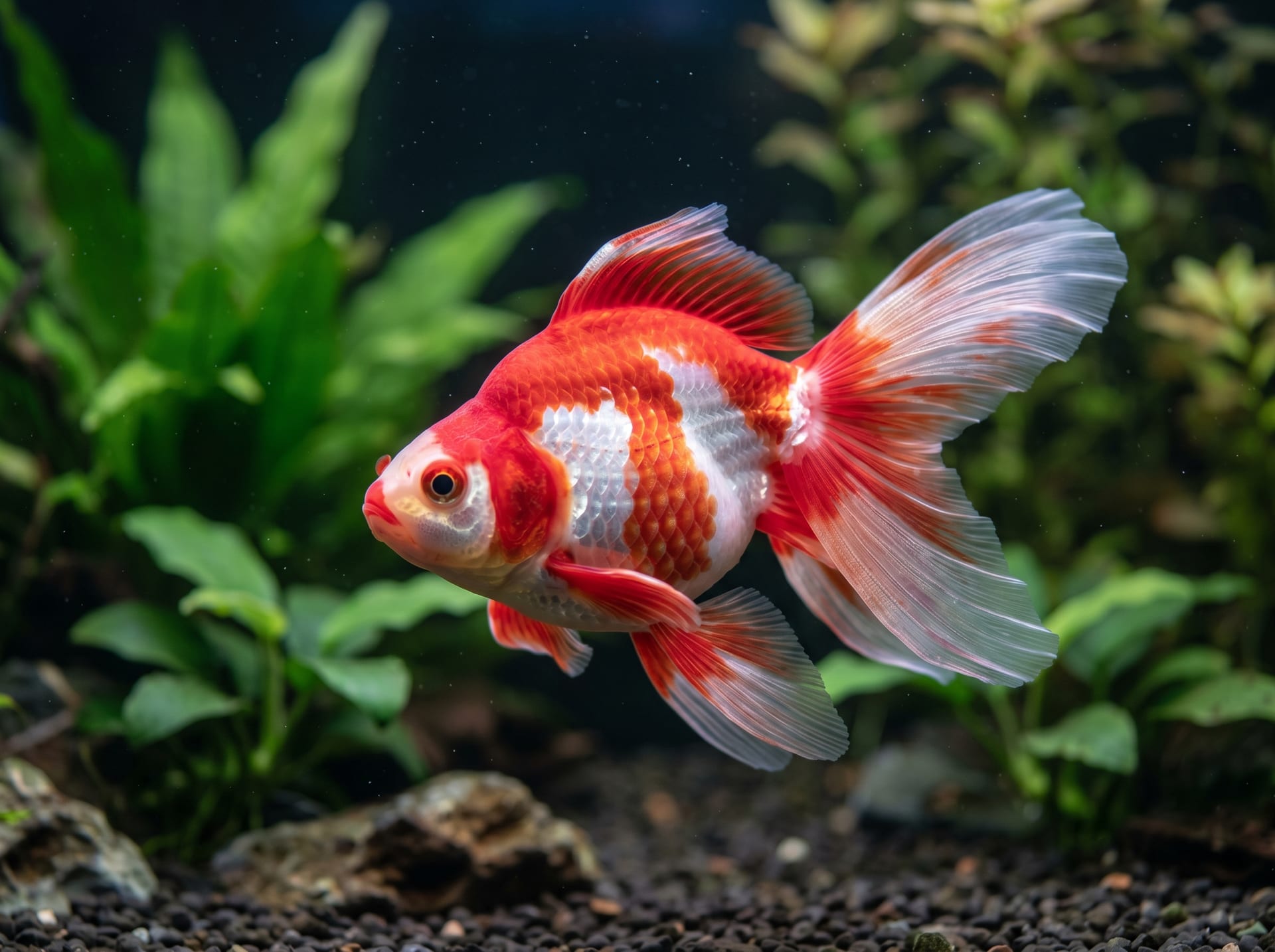
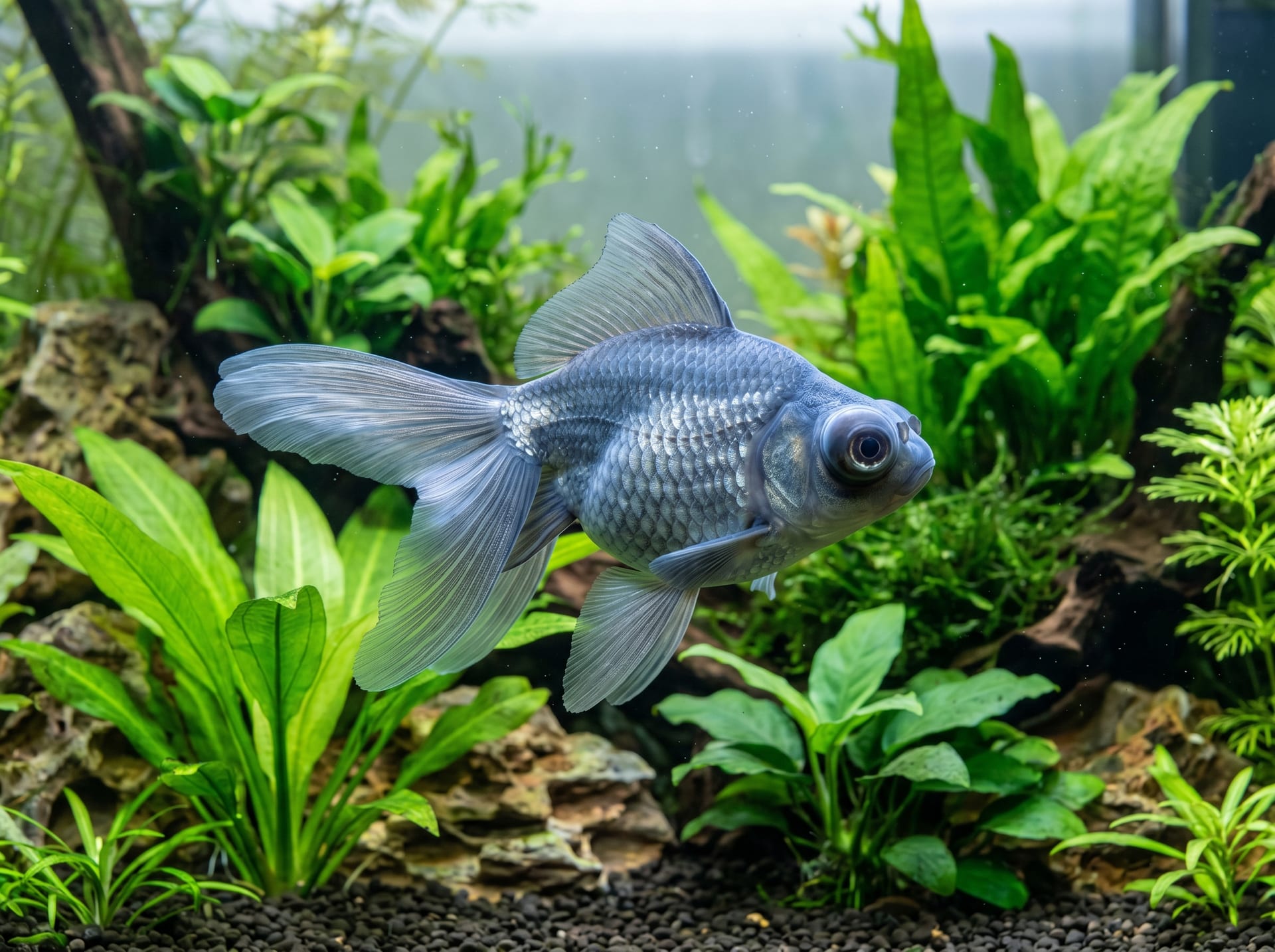

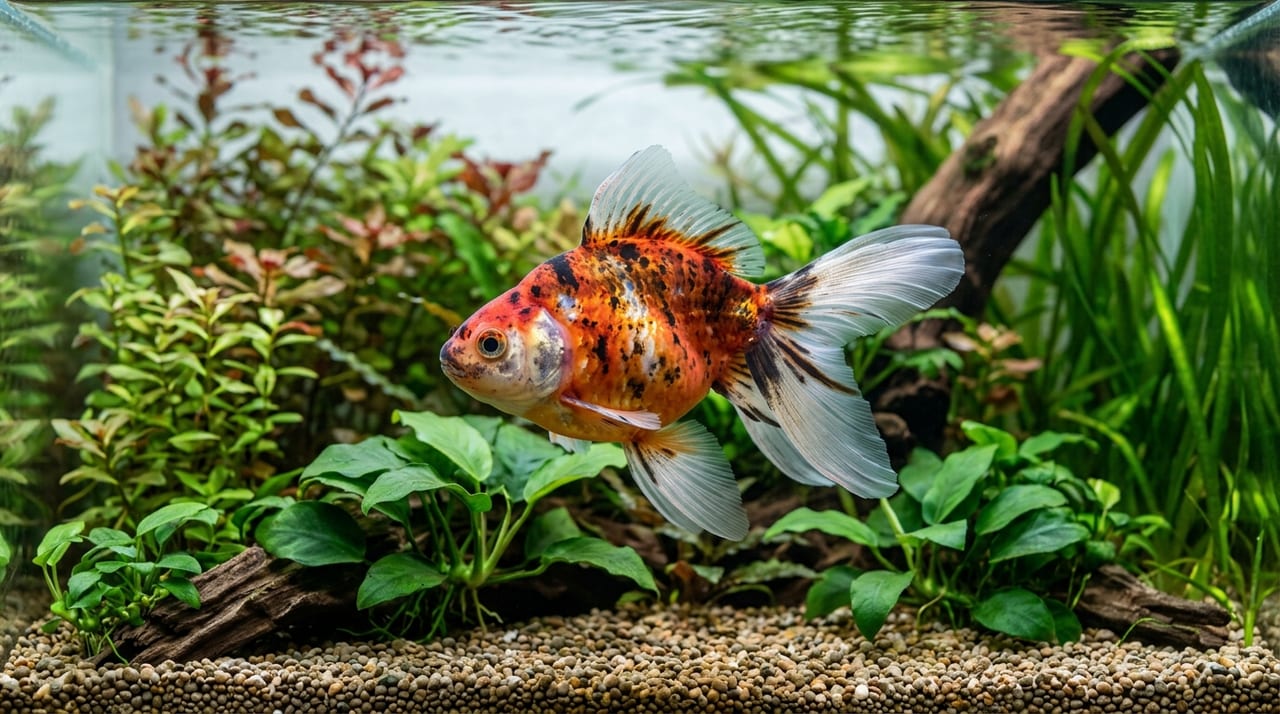
Seibun-gyo (Chinwengyo, Carassius auratus var.) is a traditional goldfish variety cherished in China for centuries, distinguished by its unique lead-gray to blue-black coloring. Though understated in appearance at first glance, it displays a rich, bluish shimmer when light hits it at different angles, adding elegance to both Japanese and Western-style aquariums. With a body type and swimming ability distinct from ranchu and ryukin varieties, seibun-gyo maintains steady popularity among goldfish enthusiasts.
What is Seibun-gyo?
Origin of the name: The "sei" (青) in seibun-gyo refers to a blackish blue-gray in Chinese, while "bun" (文) comes from "bun-gyo" (文魚), a general term for goldfish with dorsal fins and body types descended from wakin or round-body forms. In English, it is sometimes called "Blue Metallic Ryukin" or "Steel Blue Goldfish."
Body type and characteristics:
- Rounded body (ryukin-type body shape)
- Dorsal fin present
- Tail fin with three or four lobes
- Adult body length approximately 15–25 cm
Color characteristics: The distinctive coloration—described as lead-gray, slate, blue-black, or steel blue—results from unique expression of melanin pigment. Young fish display strong black tones, which gradually shift to blue-gray or metallic coloring as they mature. This color transformation itself is a key pleasure of keeping them.
Availability in Japan: Seibun-gyo is far less commonly available than ranchu or ryukin, with availability primarily through specialty shops and direct breeder sales. Due to its rarity, prices are relatively high. Quality specimens are easiest to find through breeder-direct platforms like BreederDirect.
Suitable Environment for Keeping
Seibun-gyo are round-body goldfish with relatively good swimming ability and adapt well to aquarium life, even as larger individuals.
Tank size:
- Minimum 20–30L per fish, ideally 45–60L for adults
- 60 cm tank (60L): 2–3 fish
- 90 cm tank (160L): up to 5–6 fish
Water conditions: As with most goldfish, seibun-gyo are relatively hardy with a wide tolerance for water parameters.
| Parameter | Target |
|---|---|
| Temperature | 15–28°C (ideal 18–24°C) |
| pH | 7.0–8.0 |
| Hardness | 10–20 dGH |
| Ammonia | 0 mg/L |
| Nitrite | 0 mg/L |
| Nitrate | 50 mg/L or less |
Filtration: Goldfish produce significant waste, requiring filtration capacity of at least 2–3 times tank volume per hour. Combining external filters, hang-on filters, and sponge filters is recommended.
Substrate: Coral sand, aquatic plant sand, or goldfish-specific sand work well. Since seibun-gyo peck at sand while foraging, choose rounded materials that won't damage their mouths.
Temperature Management and Seasonal Considerations
While seibun-gyo are relatively cold-tolerant, they are sensitive to sudden temperature fluctuations.
Summer (25°C and above): Increase feeding as appetite rises and boost water change frequency to 2–3 times weekly. When temperatures exceed 28°C, dissolved oxygen drops, requiring enhanced aeration.
Winter (10°C and below): Metabolism slows and appetite decreases. Below 10°C, reduce feeding to once or twice weekly; below 5°C, nearly stop feeding. In indoor setups, use a heater to maintain around 15°C for safe overwintering.
Temperature change prevention: Use water at the same temperature as the tank (±2°C) during water changes. Never directly add cold tap water, especially in winter.
Feeding and Nutrition Management
Types of food:
- Both floating and sinking prepared foods are accepted
- Due to round-body type and swim bladder risk, use floating foods sparingly
- Regularly feed color-enhancing foods (spirulina or carotenoid-fortified) to maintain vibrant blue tones
Feeding amount and frequency:
- Once or twice daily, amounts consumed in 2–3 minutes
- Avoid overfeeding to prevent swim bladder disease
- Pre-soaking floating foods slightly in water before feeding reduces the risk of the fish swallowing air bubbles
Foods to avoid overfeeding: Live foods (bloodworms, brine shrimp) are highly palatable and stimulate appetite but can cause obesity and swim bladder disease if overfed. Offer as supplementary food once or twice weekly.
Color Changes and Maintenance
Seibun-gyo's lead-gray and blue-black coloring is determined by melanin pigment and can change with tank conditions.
Causes of color fading:
- Overly bright lighting (including UV) causing bleaching
- Sustained high temperatures (28°C or above)
- Nutritional deficiency or aging
- Disease or stress
Tips for maintaining and enhancing color:
- Lighting should be moderate (8–10 hours daily); avoid direct sunlight
- Dark substrate (black tones) and dark background make colors more striking
- Feed spirulina-fortified foods regularly
- Maintain stable water quality (avoid sudden pH changes)
Tank Mate Considerations
Seibun-gyo's relatively good swimming ability makes them incompatible with poor swimmers like ranchu or ping-pong pearl goldfish, as competitive feeding becomes problematic.
Compatible tank mates:
- Same species (other seibun-gyo)
- Ryukin or oranda with similar swimming ability
- Demekin (watch for size differences)
Incompatible tank mates:
- Ranchu and ping-pong pearl (lose in competition for food)
- Wakin and comet (too fast-swimming; cause stress to seibun-gyo)
- Funa-type goldfish (overly active)
Common Diseases and Prevention
White spot disease: White spots appear on the body surface due to parasitic infection, often triggered by temperature drops or sudden water changes. Treat with Green F Gold granules or methylene blue. Raising temperature to 26–28°C accelerates parasite cycles and eradication.
Swim bladder disease: A common condition in round-body goldfish affecting the swim bladder. Often improves with feeding adjustments, lower water temperature, or weekly fasting.
Fin and mouth rot: Caused by Columnaris bacteria, characterized by cottony, whitened tissue. Treat with Green F Gold or Erubagu.
Dropsy: An Aeromonas bacterial infection causing scale erection. Early detection is critical. Treat with Para-san D or similar medication; prevention through proper water management is paramount, as treatment is difficult.
Points to Check When Purchasing from Breeders
When searching for seibun-gyo on breeder-direct platforms like BreederDirect, confirm the following:
- Color uniformity: Is lead-gray coloring evenly distributed across the entire body?
- Swimming posture: Does it maintain horizontal orientation? (Any early signs of swim bladder issues?)
- Fin condition: Are there no tears, redness, or white spots?
- Body shape: Is it symmetrical with no spinal curvature?
Summary
Seibun-gyo possess "subtlety and elegance" through their distinctive lead-gray and blue-black coloring—qualities found in no other goldfish variety. While their round-body type carries risk of swim bladder disease, proper feeding management and stable water quality enable long-term enjoyment. Given their rarity in domestic distribution, the true pleasure of keeping seibun-gyo lies in discovering specimens through breeder-direct sales and slowly appreciating their growth and color development over time.