Telescope Goldfish (Demekin) Care Guide | Creating an Environment to Protect Protruding Eyes and Health Management
A comprehensive guide to telescope goldfish care. From variety characteristics including red, tricolor, black, and butterfly tail types, to layout design that protects protruding eyes from injury, tank selection, feeding management, tank mate compatibility, and swim bladder disorder prevention—a complete guide for the long-term healthy care of goldfish with weak vision.
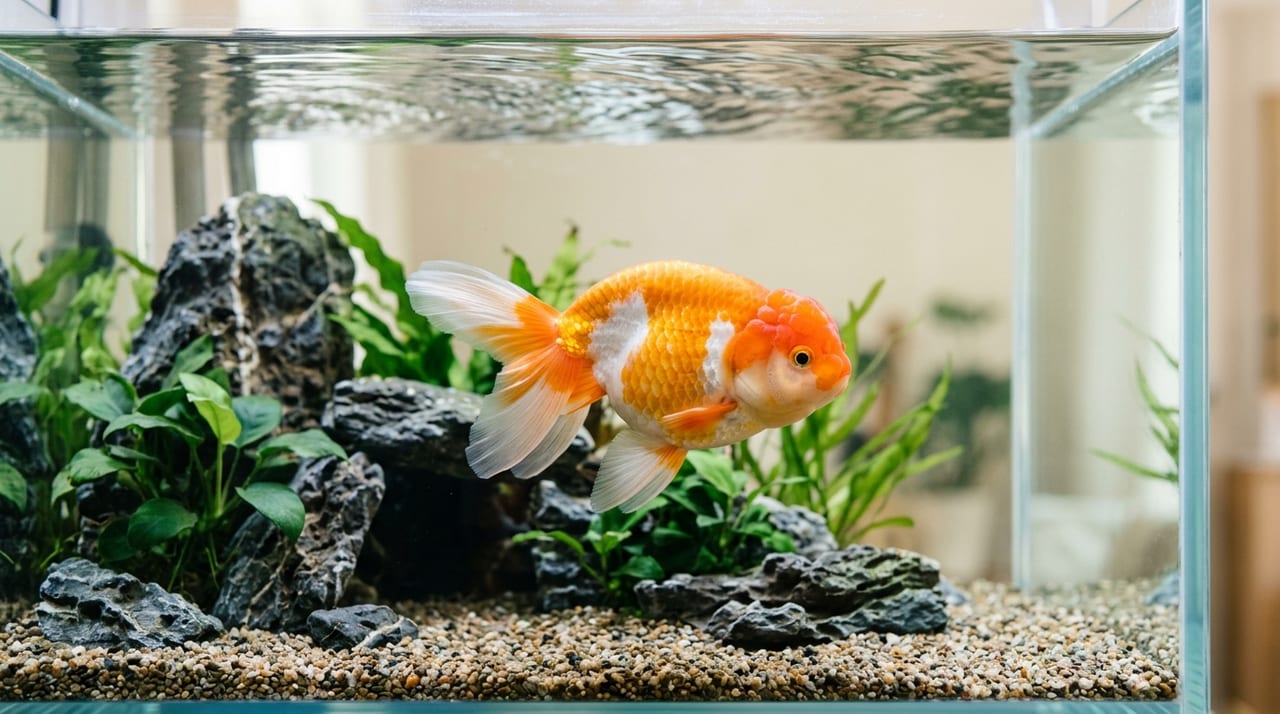
Key Takeaways
A comprehensive guide to telescope goldfish care. From variety characteristics including red, tricolor, black, and butterfly tail types, to layout design that protects protruding eyes from injury, tank selection, feeding management, tank mate compatibility, and swim bladder disorder prevention—a complete guide for the long-term healthy care of goldfish with weak vision.
Related Species
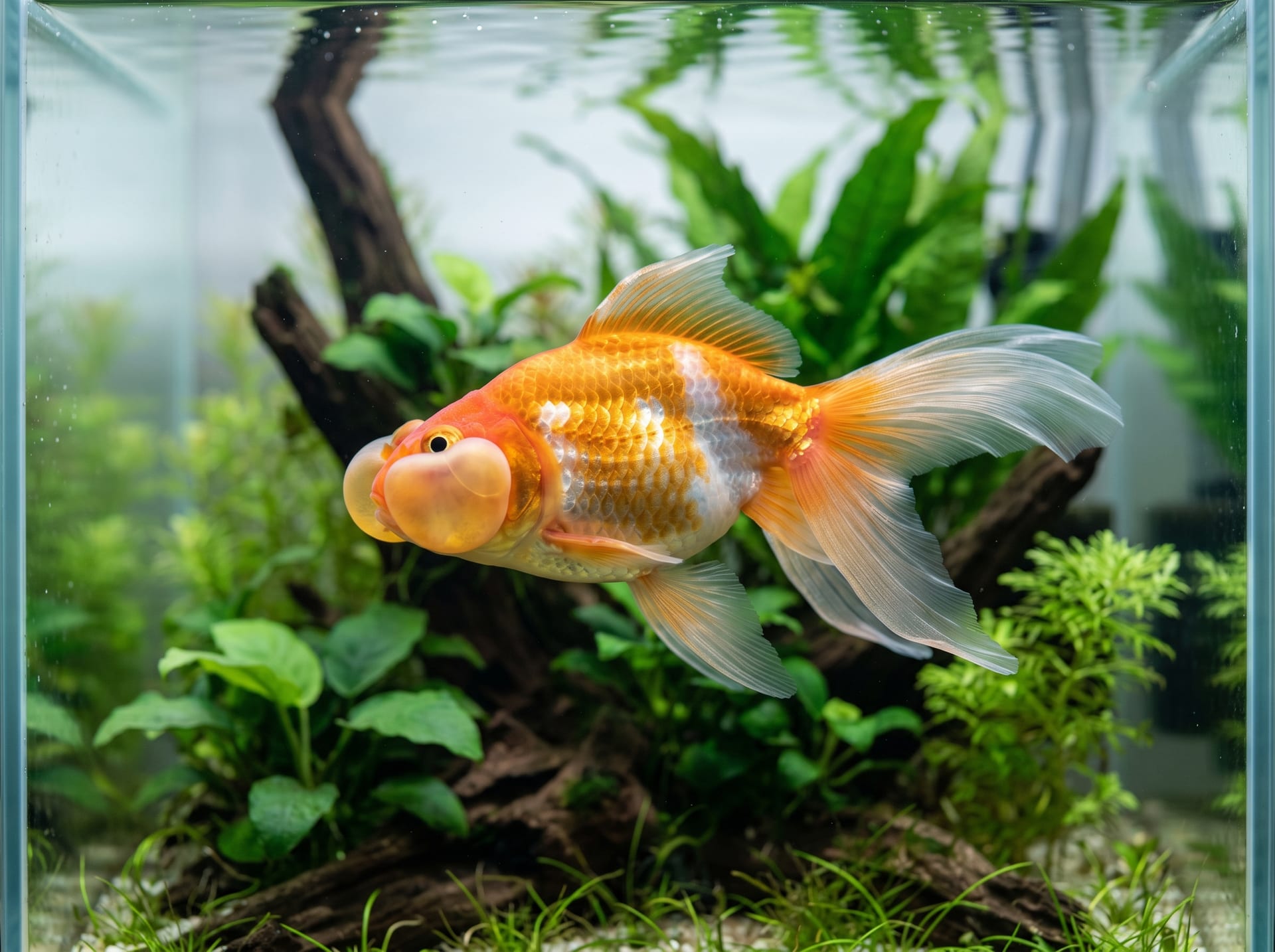
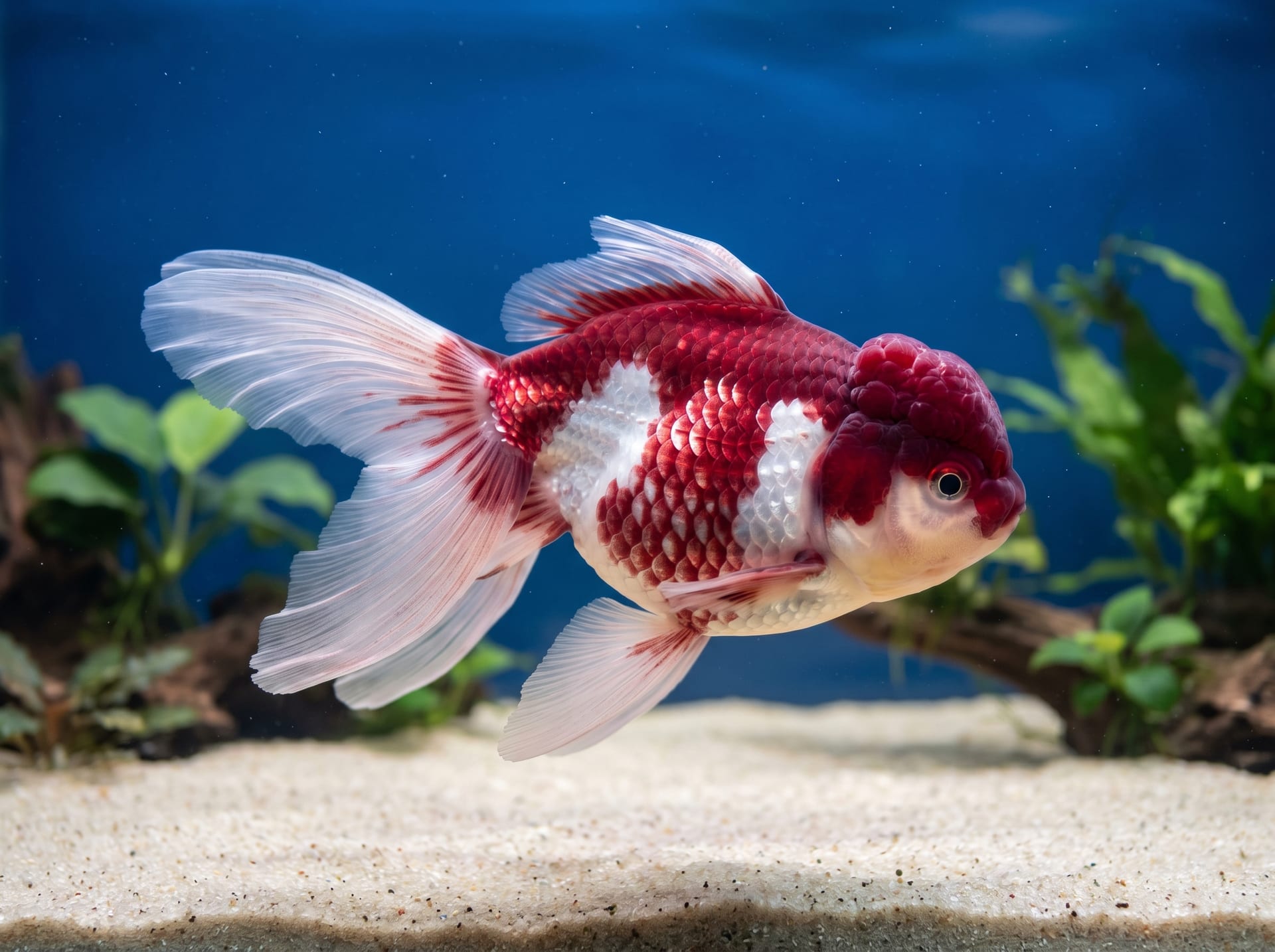
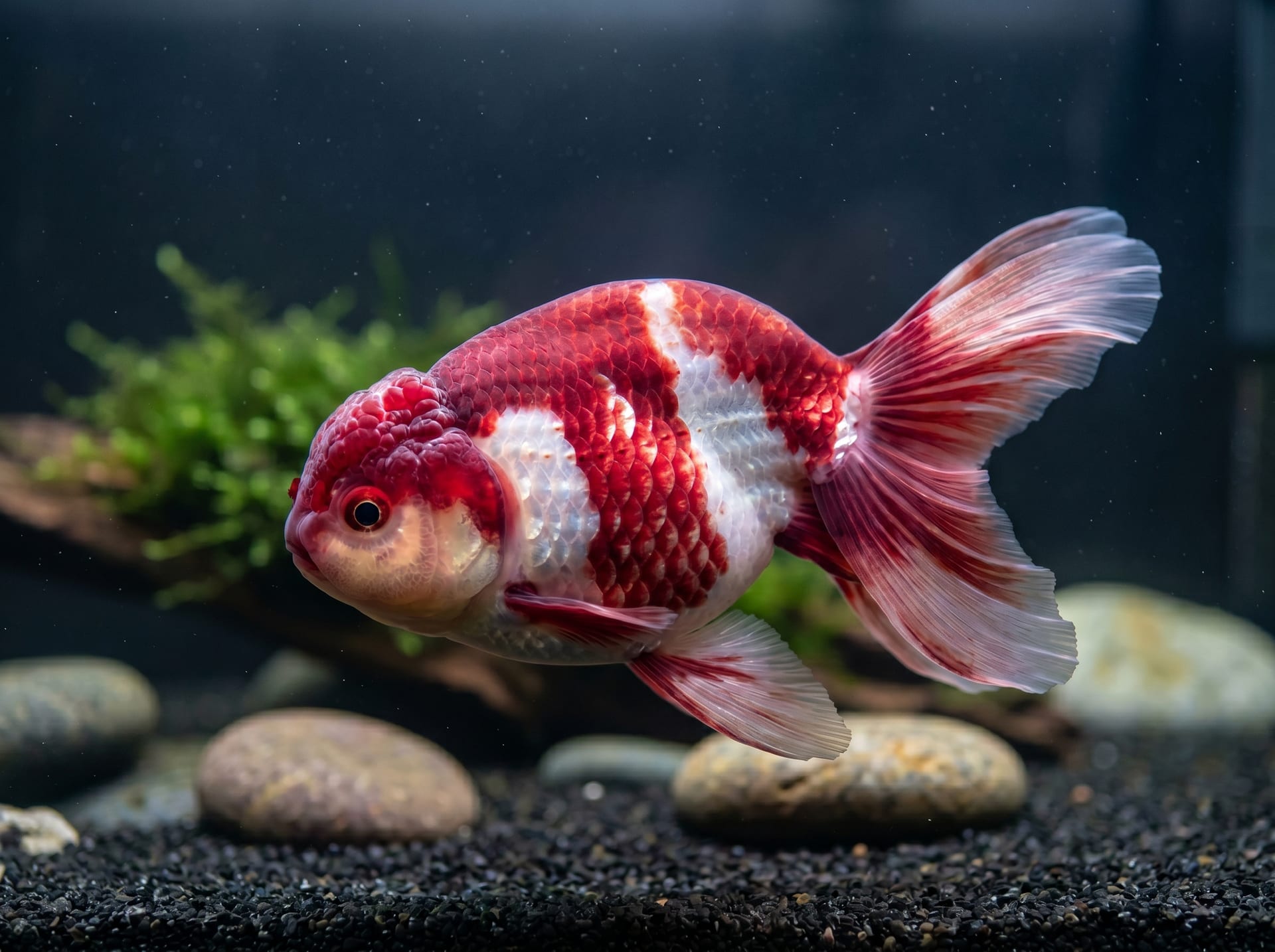

Telescope goldfish (Demekin), as their name suggests, are most distinctive for their large, protruding eyes. They are a traditional goldfish variety that has been bred and beloved in Japan since the Edo period, and are a rare species worldwide in which pop-eye has been established as the normal form through selective breeding. This article provides a detailed professional explanation of telescope goldfish varieties and biological characteristics, the tank environment that forms the foundation of their care, important health management considerations, and breeding.
Characteristics and Varieties of Telescope Goldfish
Telescope goldfish are a goldfish variety characterized by a ryukin-type body form combined with protruding eyeballs (telescope eyes).
Typical Telescope Goldfish Varieties
- Red Telescope Goldfish (Akademekkin): The most popular variety. Bright vermillion-red coloring throughout the body. Hardy, easy to keep, and ideal as a beginner species.
- Tricolor Telescope Goldfish (Sanshoku Demekin): Three-color pattern of red, white, and black. During spring, the white portions may temporarily darken.
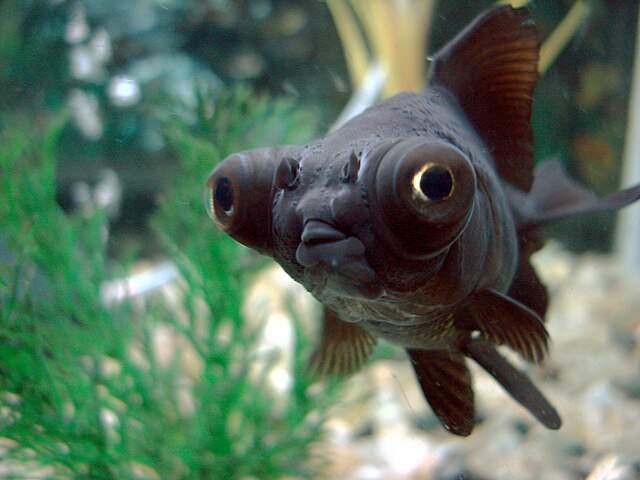
- Black Telescope Goldfish (Kuro Demekin): Entirely black coloring. As they grow, the black may fade and take on rust or reddish tones. Maintaining the deep black color during the juvenile stage is important for breeding management.
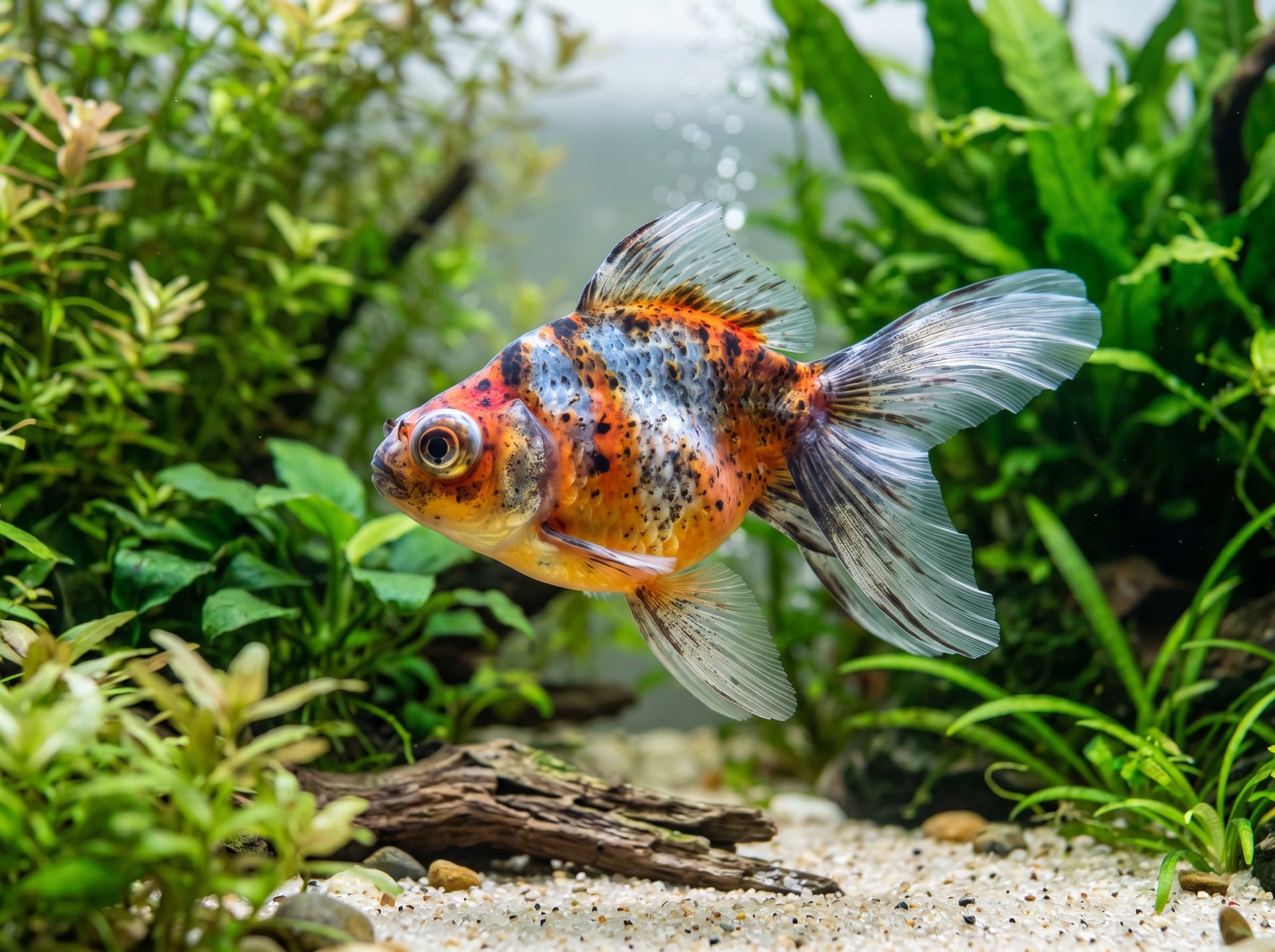
- Calico Telescope Goldfish: A variety combining red, white, and black with transparent scales. Also displays hi-utsuri-type patterns.
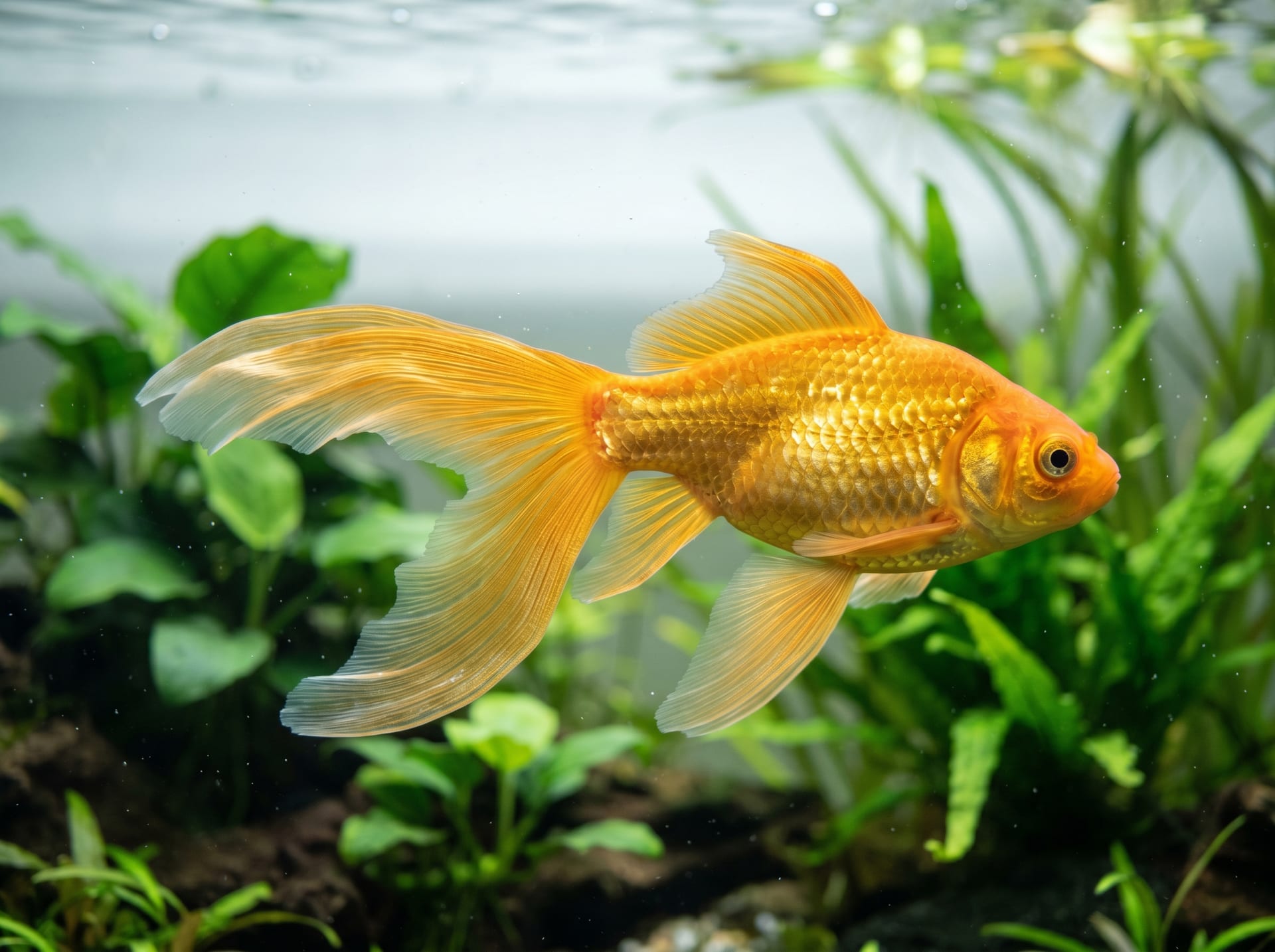
- Butterfly Tail Telescope Goldfish (Choubi Demekin): One of the finest varieties, featuring protruding eyes combined with a symmetrical butterfly-like double tail. A variety developed primarily in China and Hong Kong, and quite expensive.
Key Points on Keeping Telescope Goldfish
The care of telescope goldfish is basically the same as for ryukin and other round-bodied goldfish, but three specific considerations unique to telescope goldfish are necessary:
- Do not injure the eyes: do not place sharp rocks or hard artificial plants, and attach a sponge to the filter intake
- Ensure the fish eats reliably: because vision is poor, do not keep with fast-swimming varieties, and confirm the fish is eating during each feeding
- Keep water flow gentle: strong currents drain the telescope goldfish's energy, so direct filter outflow against a wall to disperse it
If these three points are followed, telescope goldfish are hardy and can be enjoyed with long-term care of around 10 years.
Eye Structure and Precautions
The defining characteristic and greatest risk of telescope goldfish is their "protruding eyes."
Eye Fragility: Protruding eyeballs are extremely sensitive to mechanical impact (contact with rocks or substrate, collisions with other fish), infection, and water quality deterioration. Any changes such as cloudiness around the eye, one eye becoming smaller, or drooping of the eye are all signs of abnormality.
Vision Issues: Because of telescope eyes, focusing is difficult and vision is inferior to other goldfish varieties. As a result, they easily lose in competition for food with their own species and competing varieties, requiring careful feeding management.
Importance of Layout: Remove all items that could catch on the eyes, such as sharp-cornered rocks, hard artificial plants, and thin tubes.
How to Set Up the Tank Environment
Tank Size
For 1-2 fish, 45-60cm (30-57L) or larger. For 3-5 fish, 90cm (135L) or larger is recommended. Since goldfish are heavy-bodied and produce high volumes of waste, fouling water quickly, providing a spacious tank size is essential.
Filtration
Powerful hang-on back or canister filters are recommended. Sponge filters alone are difficult for water quality maintenance. However, overly strong currents stress telescope goldfish, so directing water flow against a wall via a spray bar to disperse it is an effective approach.
Substrate
Bare bottom (no substrate) or fine rounded gravel is recommended. Sharp gravel can injure the mouth, eyes, and body surface.
Items to Avoid in Layout
Do not include the following:
- Sharp rocks (especially volcanic rock)
- Hard artificial plants (with sharp tips)
- Small-holed tubes or decorations (risk of eyes catching)
- Filter intake (must be covered with large fan-type sponge)
Water Temperature and Quality
| Item | Value |
|---|---|
| Water Temperature | 15-28°C (Ideal 18-24°C; can overwinter at around 10°C in winter) |
| pH | 7.0-8.0 |
| Hardness | GH 8-15 (moderately hard) |
Feeding Tips
Since telescope goldfish have poor vision, using slow-sinking floating food makes eating easier. The basic rule is feeding twice daily in amounts they can consume within 3-5 minutes. Remove uneaten food promptly with a pipette or net, as it fouls water quality.
When keeping with other goldfish (especially fast-swimming varieties like wakin and comet), it is important to confirm at each feeding that the telescope goldfish is getting adequate food.
Tank Mate Compatibility
Recommended tank mates are as follows:
- Other telescope goldfish (same size)
- Butterfly tail, bubble eye, and other varieties with poor vision
- Ranchu and oranda (slow-swimming round-bodied goldfish)
Avoid wakin and comet (fast-swimming and food-monopolizing), and goldfish with significant size differences.
Disease and Health Management
Eye Trauma (Most Important): Swift treatment of eye injuries preserves vision. If white spot disease or cloudiness appears around the eye, use a salt bath at 0.3-0.5% concentration and antibacterial medication (such as Green F Gold Liquid) early. Severe cases may require enucleation.
Swim Bladder Disorder: A buoyancy control disorder seen in round-bodied goldfish generally. Early treatment includes easily digestible foods (such as boiled peas), fasting, and salt bath. If it worsens, consult a veterinarian.
Ich and Fish Lice: Treat as with common goldfish diseases. Particular care is needed during water temperature fluctuations.
Breeding
Telescope goldfish can be bred using the same methods as other round-bodied goldfish. Gradually raising water temperature from 15°C or below to 18-20°C induces spawning. Males develop white breeding tubercles on their pectoral fins and gill covers during breeding season. Install spawning substrate (willow moss or commercial spawning nets), and once eggs appear, separate and protect them from adults.
At the fry stage, telescope eyes are normally flat at birth and gradually protrude as they grow.
Frequently Asked Questions
Why are telescope goldfish eyes so protruding?
Because selective breeding has established the protruding eyeballs (telescope eyes) as a fixed trait. At the fry stage, eyes are flat and gradually protrude with growth. It is not a disease but a trait maintained as the normal form.
How long do telescope goldfish live?
With proper care, around 10 years; in some cases, they can live over 10 years. With injury-preventing layout and feeding management that ensures adequate nutrition despite competition, lifespans typical of round-bodied goldfish can be expected.
Can telescope goldfish be kept with other goldfish?
Due to poor vision and slow swimming, keeping with fast-swimming goldfish like wakin and comet is inadvisable, as they lose in competition for food. Other telescope goldfish, or slow-swimming round-bodied varieties such as butterfly tail, bubble eye, ranchu, and oranda lionhead, are suitable companions.
My telescope goldfish's eye is becoming cloudy and white. What should I do?
This is a sign of eye trauma, ich, or water quality problems. Treat early with a salt bath at 0.3-0.5% and antibacterial medication (such as Green F Gold Liquid). Protruding eyeballs are easily injured, and neglect can lead to severe conditions requiring enucleation, so early treatment is key to preserving vision.
How do I distinguish between male and female telescope goldfish?
Due to their round body shape, abdominal examination is difficult. The practical approach is to observe the breeding tubercles that appear on males' pectoral fin edges and gill covers during breeding season, and the vent shape (females have a rounded protrusion; males are elongated). For detailed information, see Distinguishing Male and Female Goldfish | Variety Guide.
Conclusion
Despite their distinctive appearance, telescope goldfish may seem delicate at first glance, but with proper tank setup they are relatively hardy and enjoyable for long-term care. The two most important points are "careful layout to avoid injuring the eyes" and "feeding management to compensate for their low competitiveness." By providing soft décor, a spacious tank, and appropriate tank mates, you can create an environment that maximizes the appeal of keeping telescope goldfish.