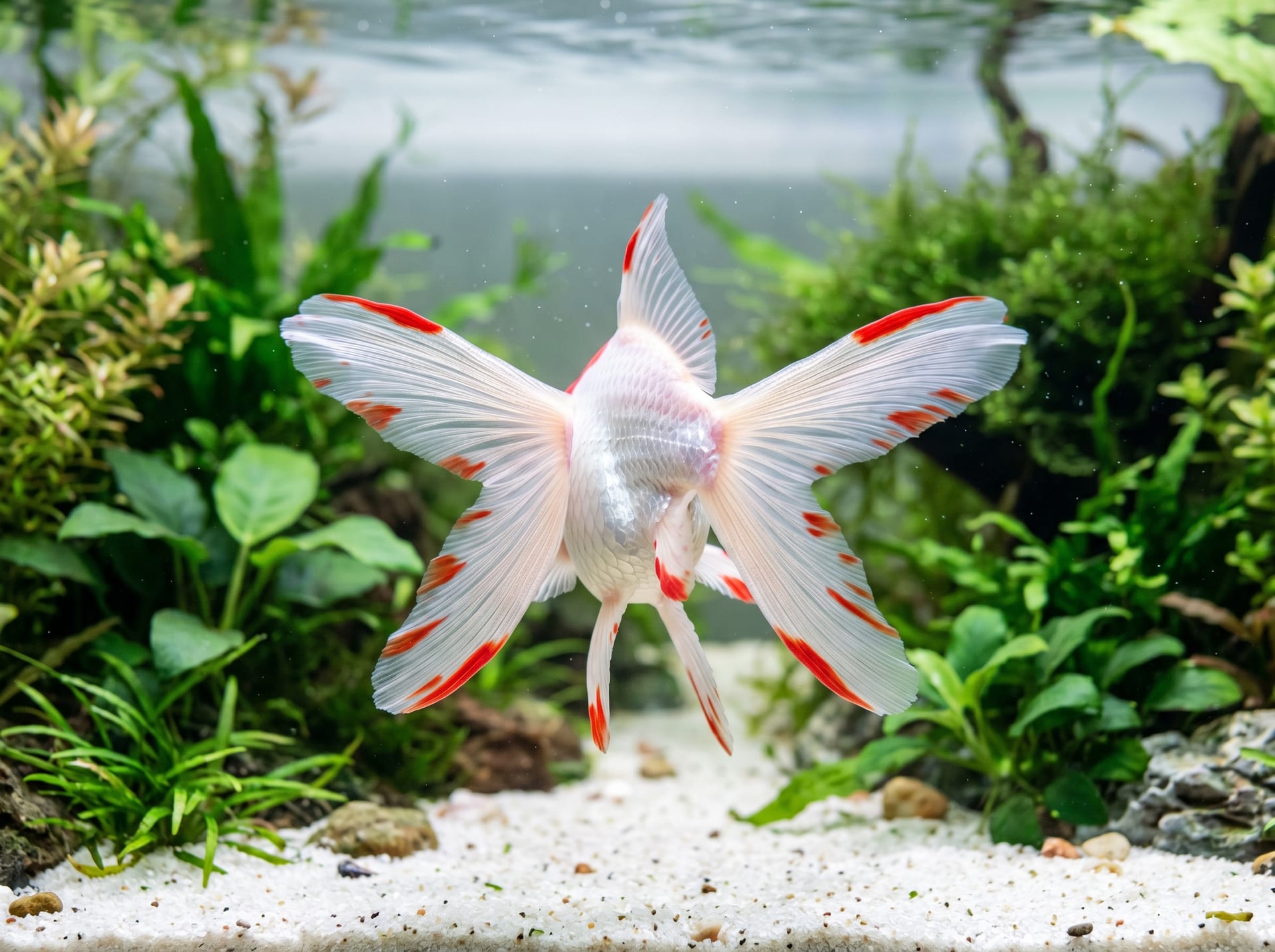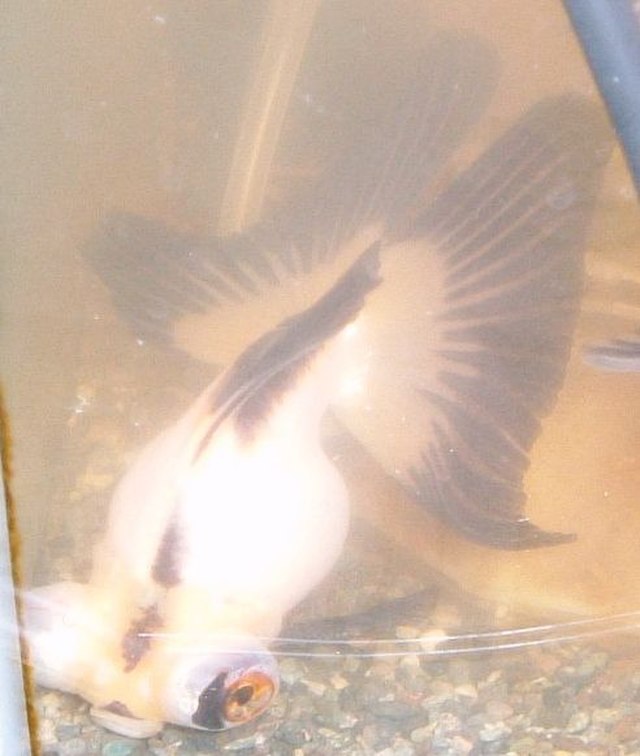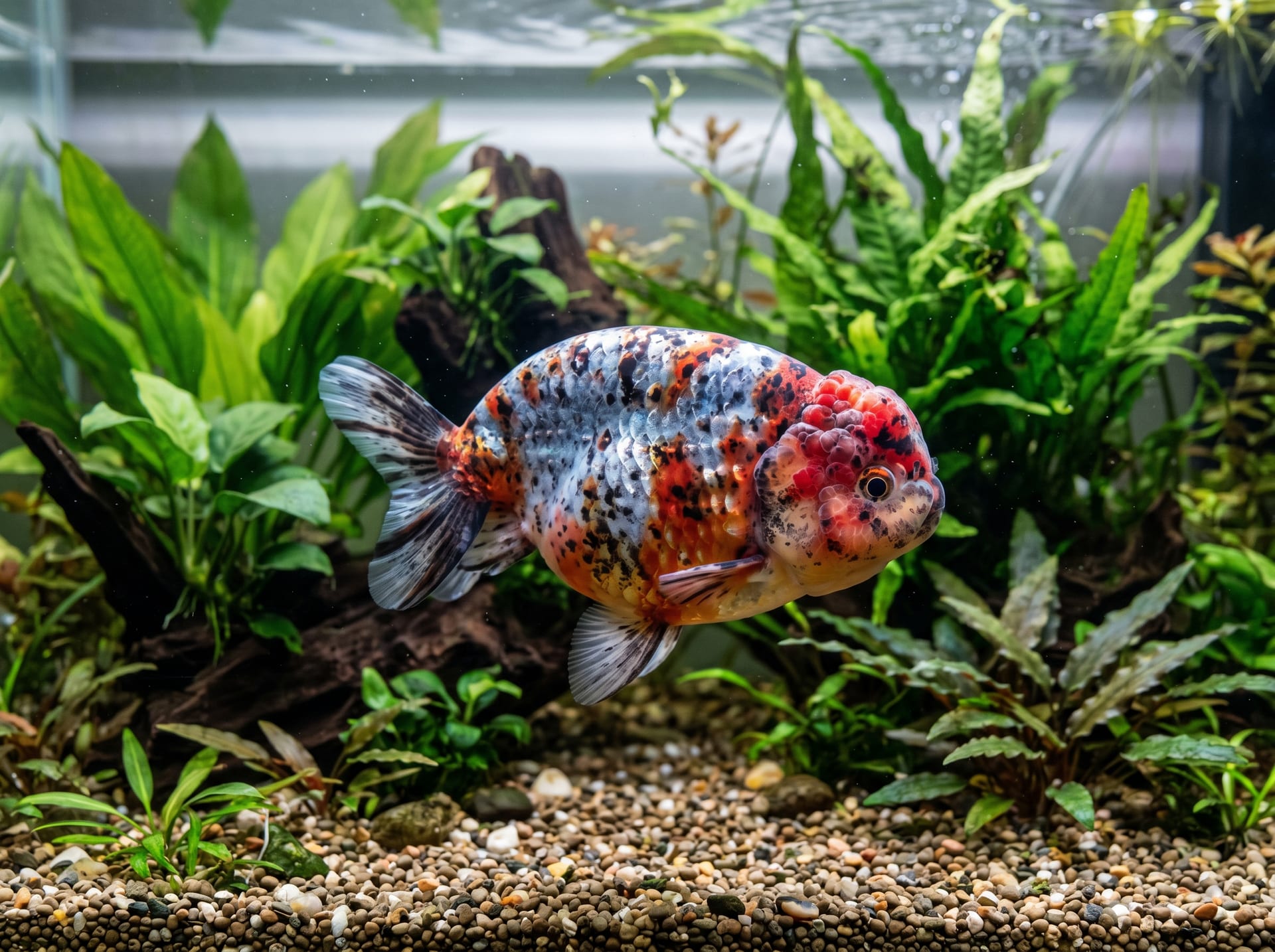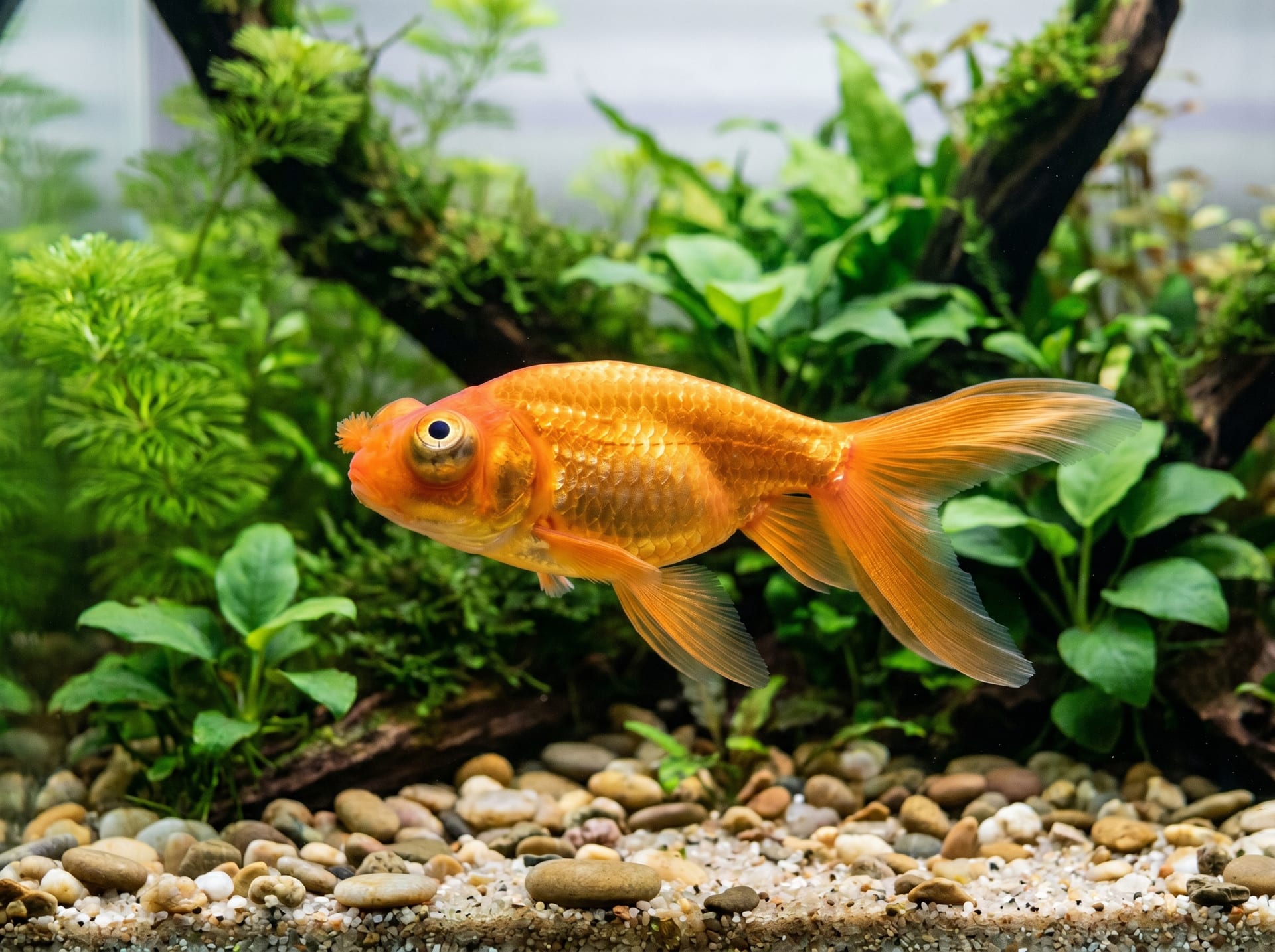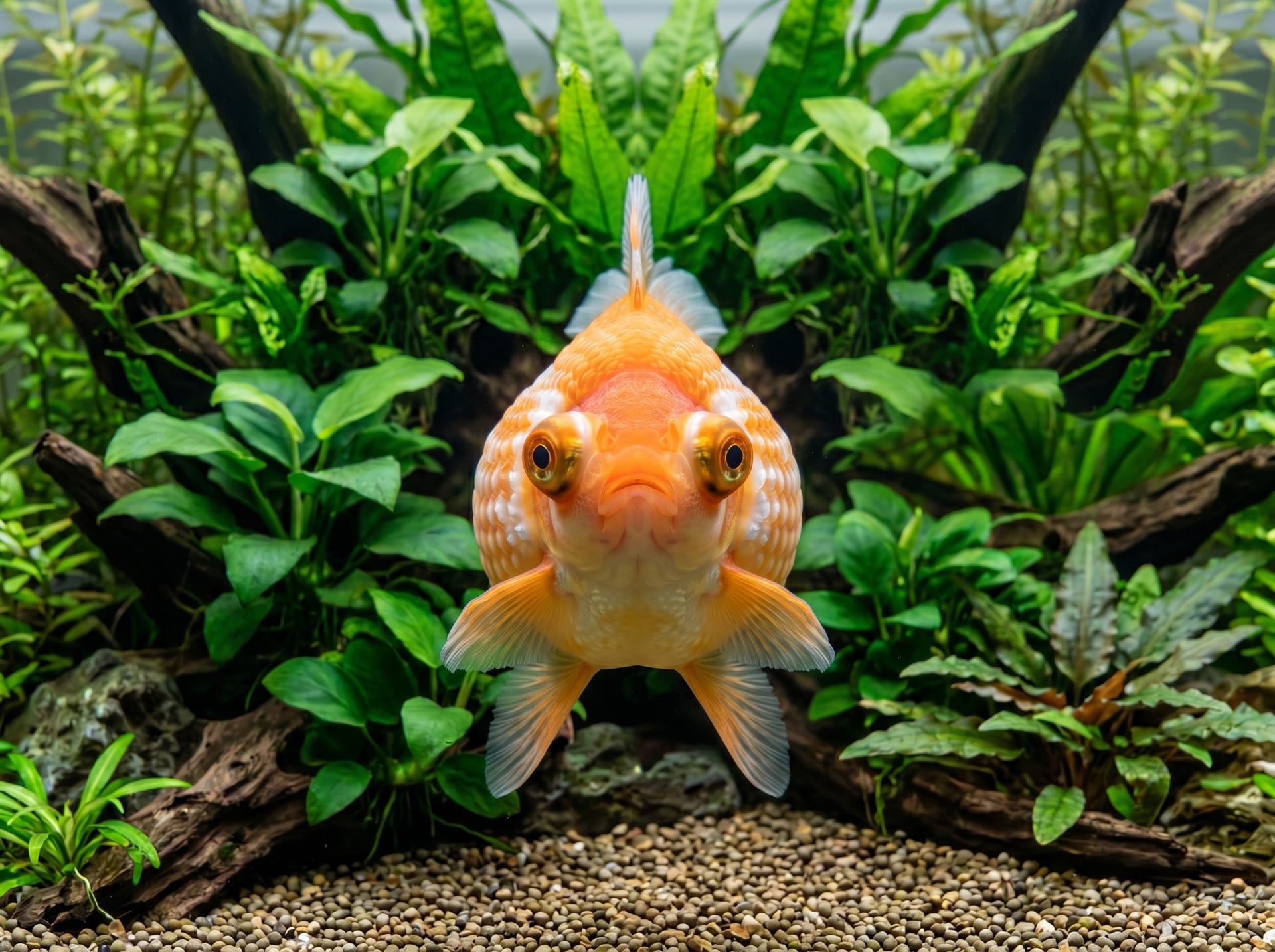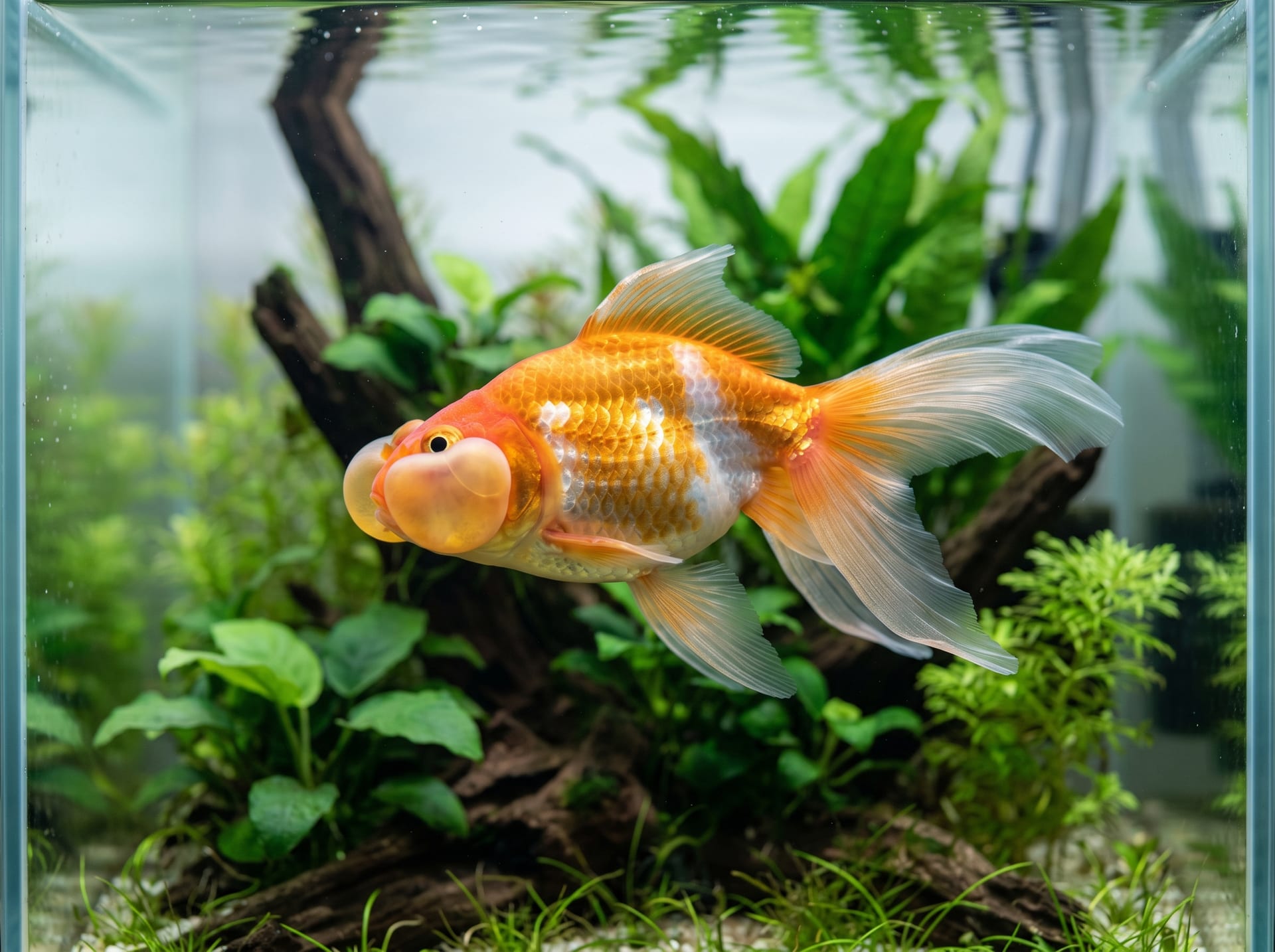
AI-generated image
Bubble Eye Goldfish
AdvancedDistinctive goldfish with large fluid-filled sacs under eyes. Chinese-bred variety. Very delicate for experienced keepers.
Difficulty
Advanced
Temperature
5〜30℃(適温18〜24℃)
Lifespan
5-10 years
Size
10-15cm
Diet
Goldfish pellets (sinking type)
About
The Bubble Eye is a Chinese goldfish variety distinguished by the large, fluid-filled sacs that hang beneath each eye, wobbling dramatically as the fish swims. These delicate pouches are the breed's defining—and most demanding—feature: once punctured, they cannot be fully restored. All sharp decorations and unprotected filter intakes must be eliminated from the aquarium, and soft or bare substrates are preferred. The Bubble Eye lacks a dorsal fin and swims slowly with impaired vision, making it incompatible with more active or competitive tank mates. It is ideally kept alone or with other Bubble Eyes. Due to the high level of care required to protect the eye sacs, Bubble Eye goldfish are considered an intermediate-to-advanced variety, best suited to experienced keepers who appreciate their one-of-a-kind charm.
Lifespan of the Bubble Eye Goldfish
The Bubble Eye Goldfish lives 5-10 years.
Size of the Bubble Eye Goldfish
The Bubble Eye Goldfish grows to 10-15cm.
Temperature & humidity for the Bubble Eye Goldfish
The ideal water temperature for the Bubble Eye Goldfish is 18〜23℃.
A slightly warmer water temperature of 20–26°C is recommended.
Basic Info
Origin
China
Lifespan
5-10 years
Size
10-15cm
Care Specifications
- pH
- 6–8
- Hardness (GH)
- 5–19 dGH
- Water Temp.
- 18–23℃
PeacefulGroupBreeding: Moderate
Sources: FishBase / Aqueon Goldfish Care Guide
Morphs (Varieties)
Goldfish varieties are line-bred for body shape, tail type, scale type, and coloration. Traits such as protruding eyes, transparent scales (calico), and albinism are single-locus traits.
Line-bredEstablished by selective line breeding.
Dorsal-lessFluid-filled eye sacs
Sources: Wikipedia - Goldfish (Varieties) / Goldfish — Wikipedia (Japanese edition, varieties)
A curated selection of notable morphs. Inheritance modes are a breeding-planning guide; actual appearance varies with combos.
References & Sources
Edited & verified by: BreederDirect editorial team
The taxonomic, regulatory, and husbandry data on this page are compiled and verified against the authoritative primary sources below.
Taxonomy & Authority
Accepted name: (Linnaeus, 1758)
Synonyms: Cyprinus auratus Linnaeus, 1758, Carassius auratus auratus (Linnaeus, 1758), Cyprinus thoracatus Valenciennes, 1842, Carassius burgeri Temminck & Schlegel, 1846, Cyprinus chinensis Gronow, 1854
Authority databases: FishBase · GBIF · FishBase: Carassius auratus · GBIF: Carassius auratus
Nomenclature follows global taxonomic authority databases.
Bubble Eye Goldfish Listings
Loading latest listingsFind listings for this species