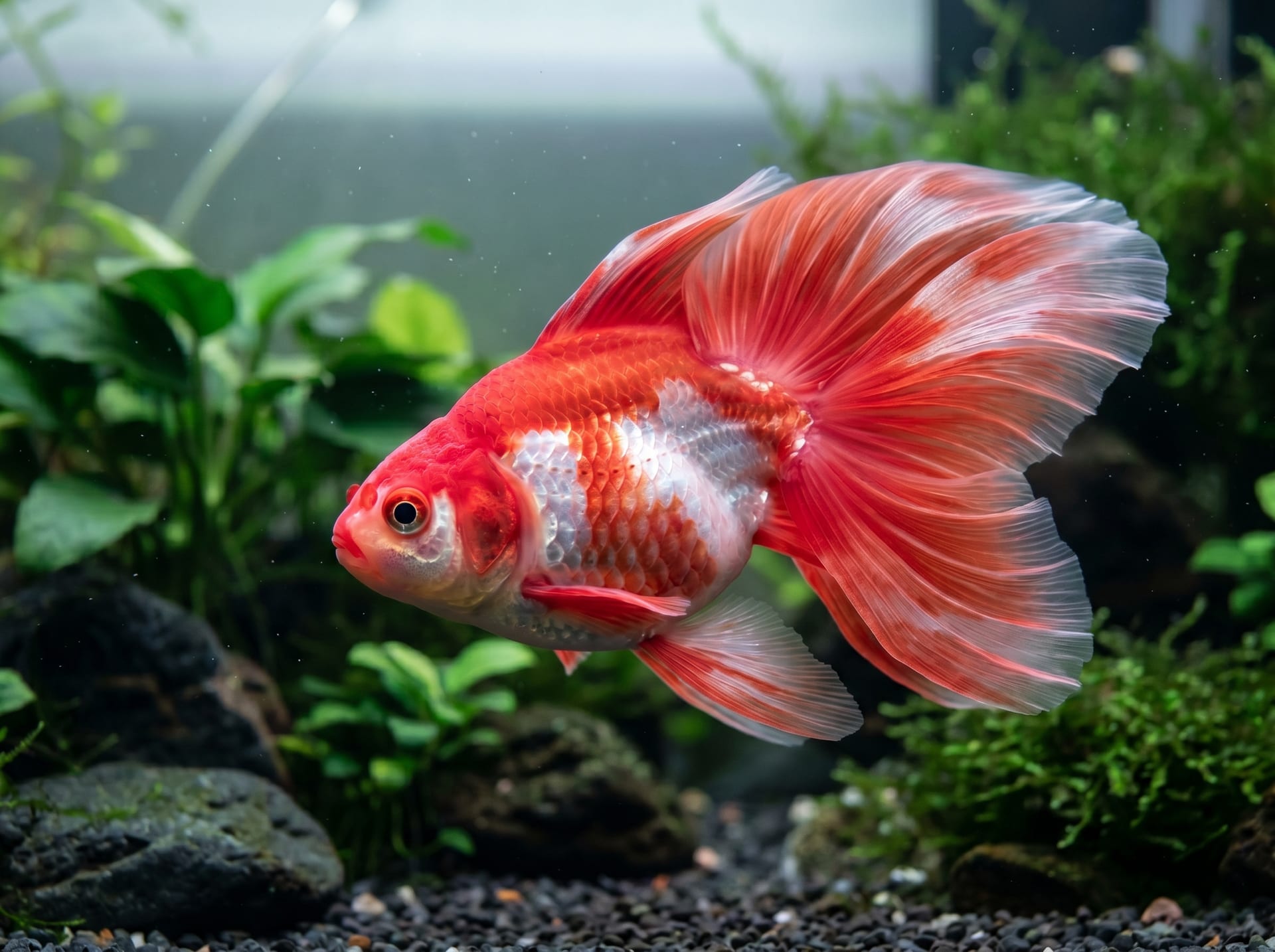
Goldfish Breeding Methods and Precautions | From Spawning to Fry Rearing
Explains spawning preparation, water temperature management, egg incubation, and fry feeding for successful goldfish breeding. Also introduces breeding difficulty by breed and selection tips.
Key Takeaways
Explains spawning preparation, water temperature management, egg incubation, and fry feeding for successful goldfish breeding. Also introduces breeding difficulty by breed and selection tips.
Related Species
Goldfish breeding is a traditional hobby long enjoyed in Japan and has been a beloved practice among ordinary people since the Edo period. Today, breeders and hobbyists alike pursue breeding, but achieving success requires not just spawning, but proper knowledge and preparation to raise healthy fry. This article provides detailed instructions on breeding that you can practice at home—from spawning preparation to fry rearing and selection methods. For details on breeds and basic care, also see Goldfish Breed Encyclopedia and Beginner's Guide to Goldfish Keeping.
Optimal Breeding Season and Environmental Conditions
The ideal goldfish breeding season is spring (March to May). Spawning behavior begins when water temperature exceeds 18°C, with 20–22°C being the most conducive range for spawning.
The key is intentionally maintaining low temperatures in winter to trigger spring spawning. Exposing fish to 10–15°C water temperatures for 2–3 months regulates hormone secretion rhythms, naturally triggering the spawning response in spring. Indoor aquariums kept warm year-round lack this seasonal variation and are less likely to spawn. See Goldfish Winter Care for more on winter temperature management.
Additionally, photoperiod is an important factor. A 12–14 hour light period daily (artificial lighting works) promotes spawning. Subtle temperature changes from water changes and the stimulus of fresh water can also trigger spawning behavior, making frequent water changes of once or twice weekly effective during breeding season.
Breeding Difficulty by Breed
Goldfish breeding difficulty varies significantly by breed.
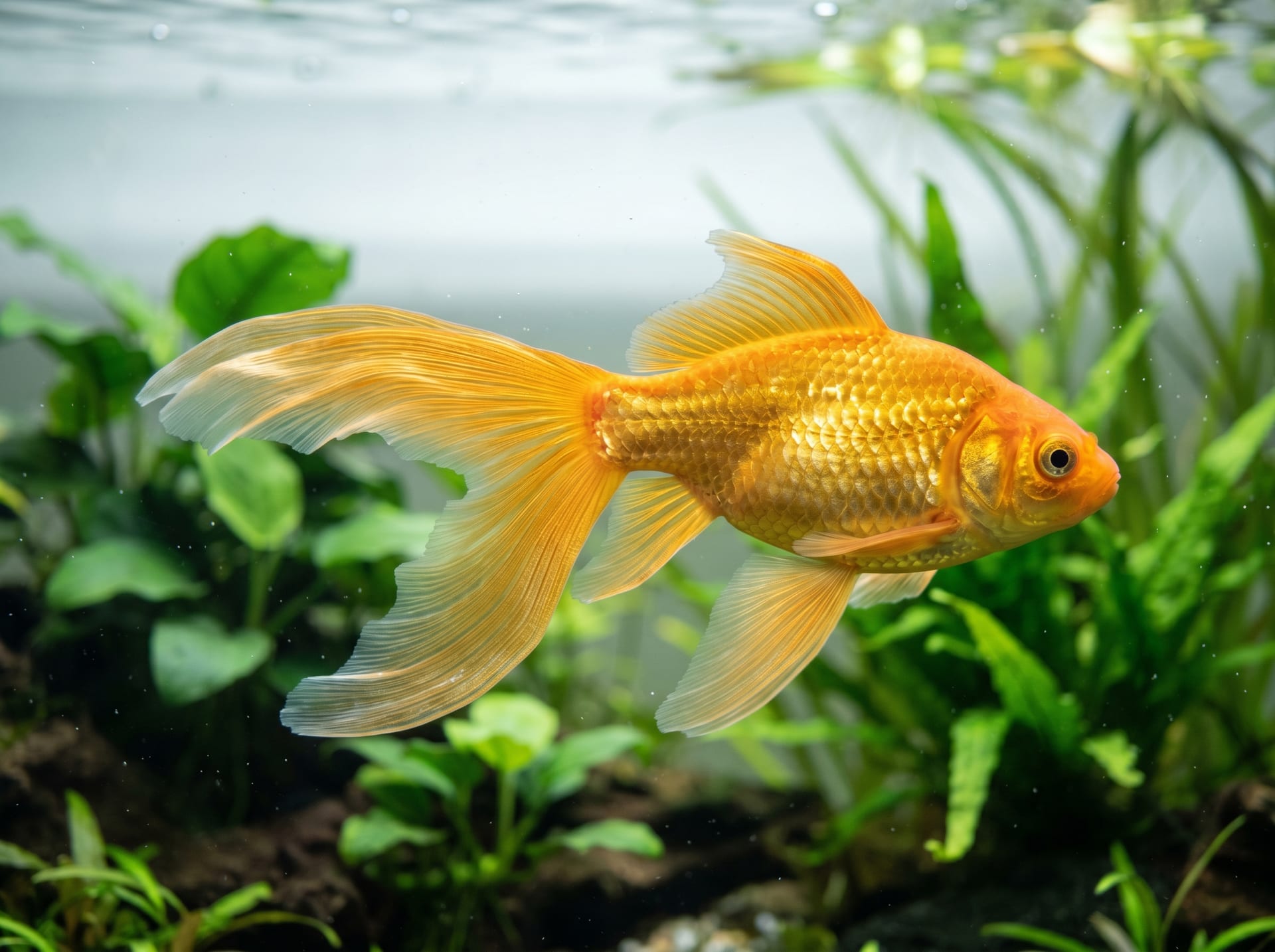
Wakin (Japanese goldfish) and Comet: Very easy. With body shape close to wild crucian carp, they spawn naturally and are suitable for beginners
Ryukin and Telescope eye: Relatively easy. Their rounder body shape requires attention to spawning substrate compatibility
✍️
BreederDirect Editorial
The BreederDirect editorial team specializes in care information for animals, covering veterinary care and breeding to deliver beginner-friendly guides.
Find Goldfish on BreederDirect
Buy directly from verified breeders
Browse Related Listings
Find Goldfish listings related to this article on BreederDirect. Buy directly from verified breeders.
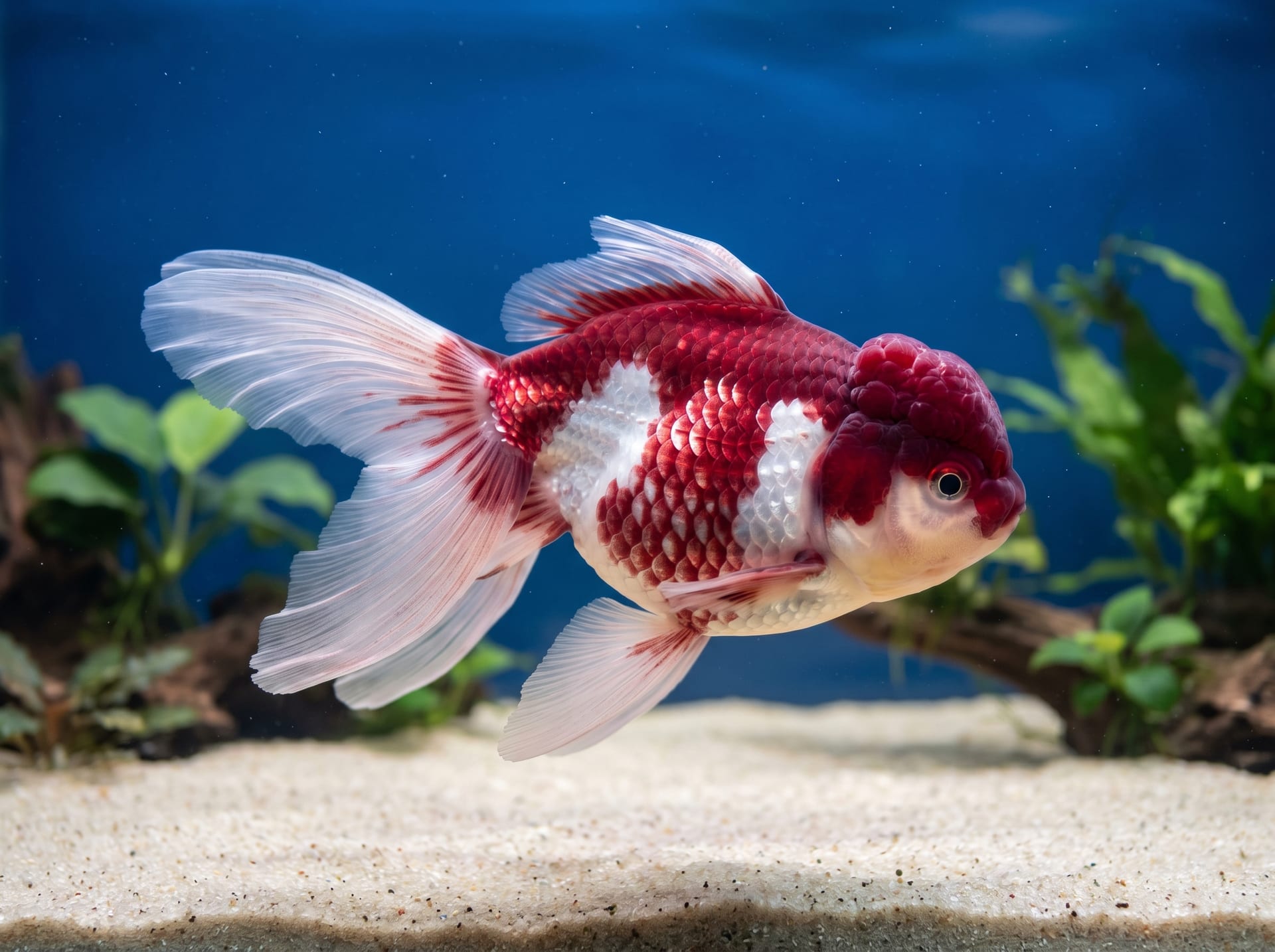
Orandas and Tosakin shishigashira: Somewhat difficult. The development of head growths greatly affects quality standards
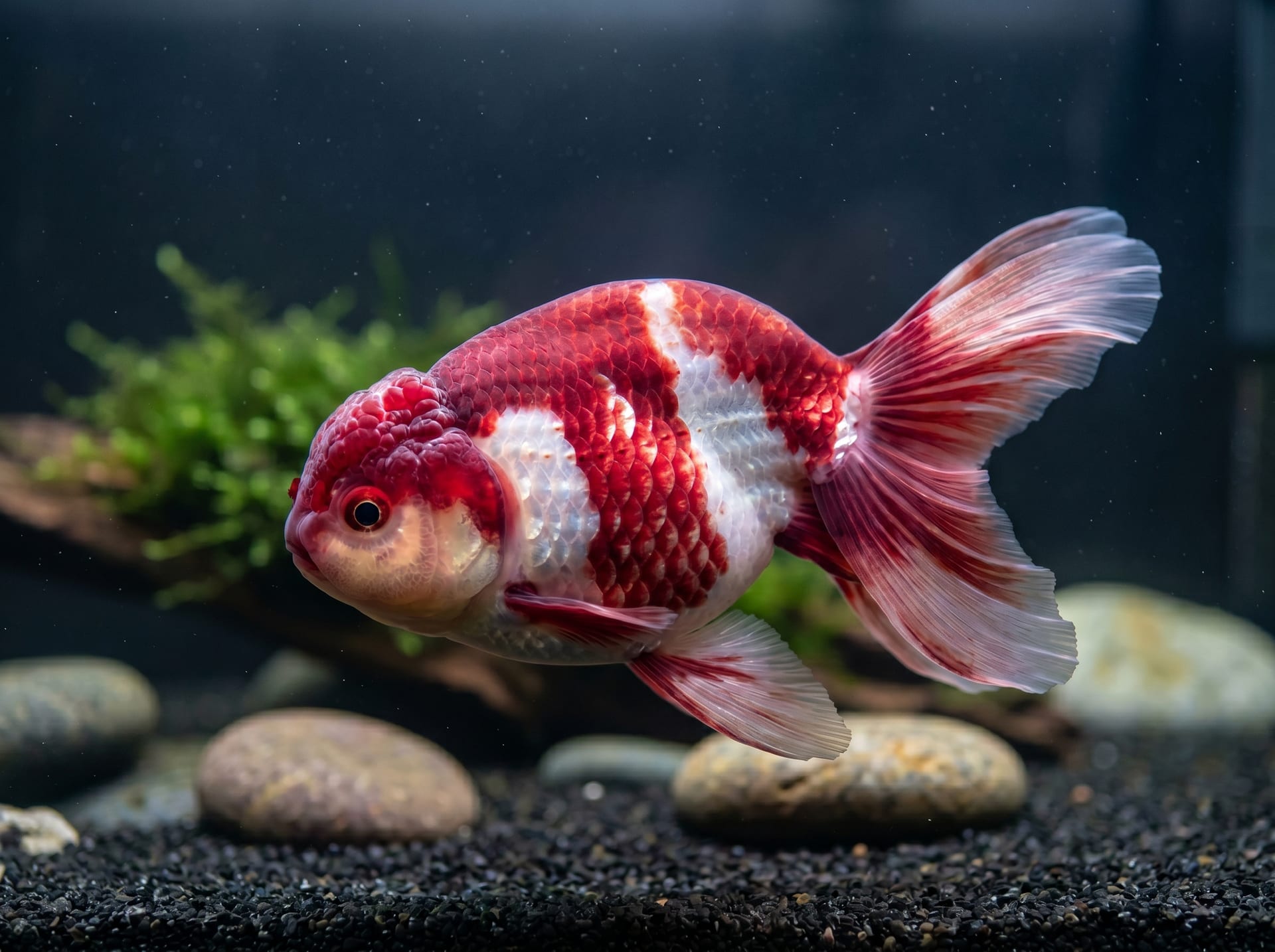
Ranchu: Difficult. Lacking a dorsal fin with strict body shape evaluation, quality requires a trained eye for selecting superior individuals (see Ranchu Care Guide)
Tosagold: Very difficult. Tail shape is extremely delicate, and rearing conditions greatly influence quality
For first-time breeders, starting with wakin or comet is advisable, then progressing to more difficult breeds with experience. It's also recommended to confirm breed characteristics in breed comparison articles before selecting parent fish.
Spawning Preparation: Selecting Parent Fish and Setting Up the Environment
Successful breeding begins with selecting the right parent fish. Verify the following points.
Parent Fish Requirements
Adult fish at least 1 year old with good body condition and no signs of disease
Keep males and females in separate tanks for 2+ months to condition them
For 1–2 months before spawning, feed primarily high-protein foods like bloodworms, brine shrimp, and tubifex worms
Distinguishing Males from Females
During breeding season, males develop white spots (breeding tubercles) on pectoral fins and gill covers. This is the most reliable distinction method. Females approaching spawning appear noticeably swollen in the abdomen when viewed from the side. A ratio of 1 female to 1–2 males is ideal.
Setting Up Spawning Substrate
Place multiple spawning substrates—palm fiber, artificial spawning plants, or spawning nets—from the tank bottom to mid-water. Eggs are adhesive, so attaching them to substrate makes management easier.
Spawning to Hatching
Spawning typically occurs early morning (at dawn or late morning). Males chase females vigorously (following behavior), rubbing their bodies to stimulate spawning. As females deposit eggs on the substrate, males immediately follow with fertilization through external fertilization.
Egg count varies widely by breed and individual size—500 to several thousand—with first-time spawners producing fewer eggs and mature 2–3-year-old fish producing more.
Immediate Post-Spawning Actions
Move parent fish to a separate tank: Goldfish eat their own eggs, so either move the spawning substrate to a separate container or return the parents to the original tank and isolate the substrate
Add methylene blue sparingly: Prevents water mold (white, cotton-like growth). About 1/3 to half the recommended dosage is sufficient
Remove unfertilized eggs: Opaque white eggs are unfertilized or dead. Carefully remove with a pipette (if left, water mold spreads to fertile eggs)
Provide aeration: Maintain gentle aeration to ensure adequate oxygen supply to eggs
Time to hatching depends on water temperature: approximately 5 days at 20°C and about 3 days at 25°C. After hatching, fry survive for the first 2–3 days on the yolk sac nutrients, so feeding is unnecessary during this period.
Fry Rearing: Stage-by-Stage Management
Fry rearing requires different approaches at different stages.
Hatching to 1 Week
Once the yolk sac is absorbed, fry begin swimming and open their mouths seeking food. Newly hatched brine shrimp are ideal for initial feeding at this stage. Freshly hatched brine shrimp offer high nutrition and appropriate size for fry mouths. Commercial powdered fry food also works as a substitute. Feed small amounts 3–5 times daily.
2 Weeks to 1 Month
Gradually transition to daphnia and finely crushed prepared feeds. Water quality deteriorates quickly at this stage, so perform 1/3 water changes every other day. Remove uneaten food from the bottom with a pipette. Water quality management tips are detailed in Goldfish Disease Prevention Guide.
1 Month Onward
Standard goldfish food (fine-grained type) is suitable for normal growth. Overstocking slows growth, so expand rearing containers as needed based on fry numbers.
Selection Philosophy and Criteria
Selection is the most important factor determining quality in ornamental goldfish breeding. It requires identifying individuals with breed-specific beauty among countless fry and reducing their numbers.
First selection (around 2 weeks post-hatching)
Remove obviously deformed individuals (curved spines, head abnormalities) and those with significantly stunted growth. Color and tail shape do not need evaluation at this stage.
Second selection (around 1 month)
Select based on body shape, tail form, and bilateral symmetry. Depending on the breed, the presence or absence of dorsal fin (ranchu lack it) or tail opening becomes the focus.
Third selection (2–3 months)
Breed-specific characteristics (head growth development, body color, tail shape) begin to appear, allowing more rigorous evaluation. Referencing show standards at this stage provides clear guidance. Sharpen your eye for selection while referring to Guide to Selecting Current Year Fish (Tosai).
Fry eliminated during selection are often beautiful enough as wakin and can be given to friends or reared as pet specimens in separate tanks.
Parent Fish Selection Tips for Successful Breeding
Breeding quality is largely determined by the bloodline and health of the parent fish. Goldfish sold in supermarkets and home centers often have unclear breeding history and may lack stable breed-specific traits.
Obtaining parent fish from reputable breeders with show-winning records ensures clear bloodline, stable breed-specific traits, and confirmed health. When you tell a breeder directly that you're "looking for parent fish for breeding," they often select suitable individuals for your purpose and easily provide rearing advice. BreederDirect allows you to directly find reliable breeders, enabling open communication with breeders who possess breeding expertise.