Goldfish Disease Prevention and Treatment Guide | White Spot Disease, Fin Rot, and Swim Bladder Disorder
Explains the symptoms, causes, and treatment methods for common goldfish diseases including white spot disease, fin rot, and swim bladder disorder. We've compiled essential knowledge about daily water quality management and prevention strategies to help your goldfish live a long and healthy life.
Key Takeaways
Explains the symptoms, causes, and treatment methods for common goldfish diseases including white spot disease, fin rot, and swim bladder disorder. We've compiled essential knowledge about daily water quality management and prevention strategies to help your goldfish live a long and healthy life.
Related Species
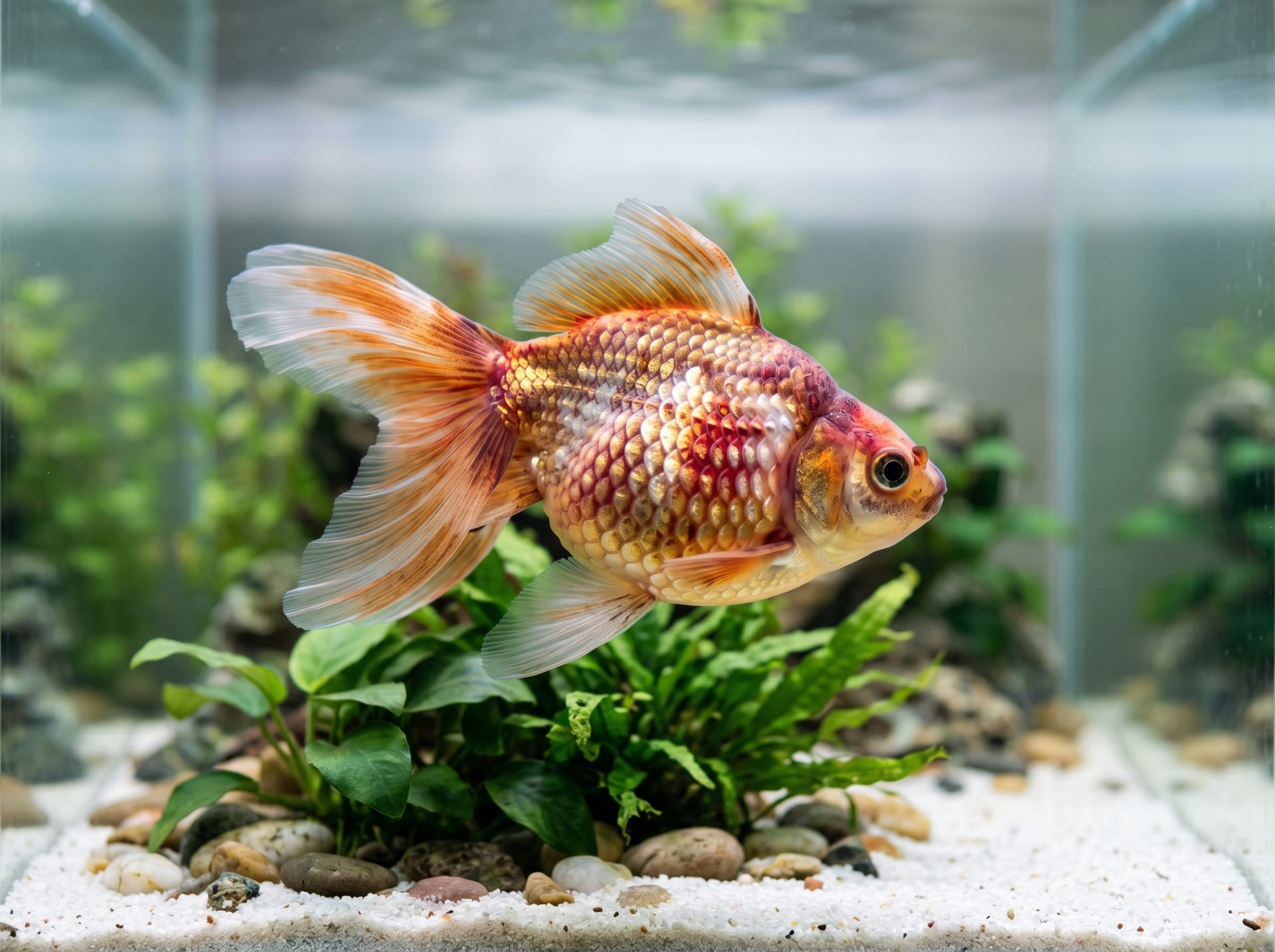
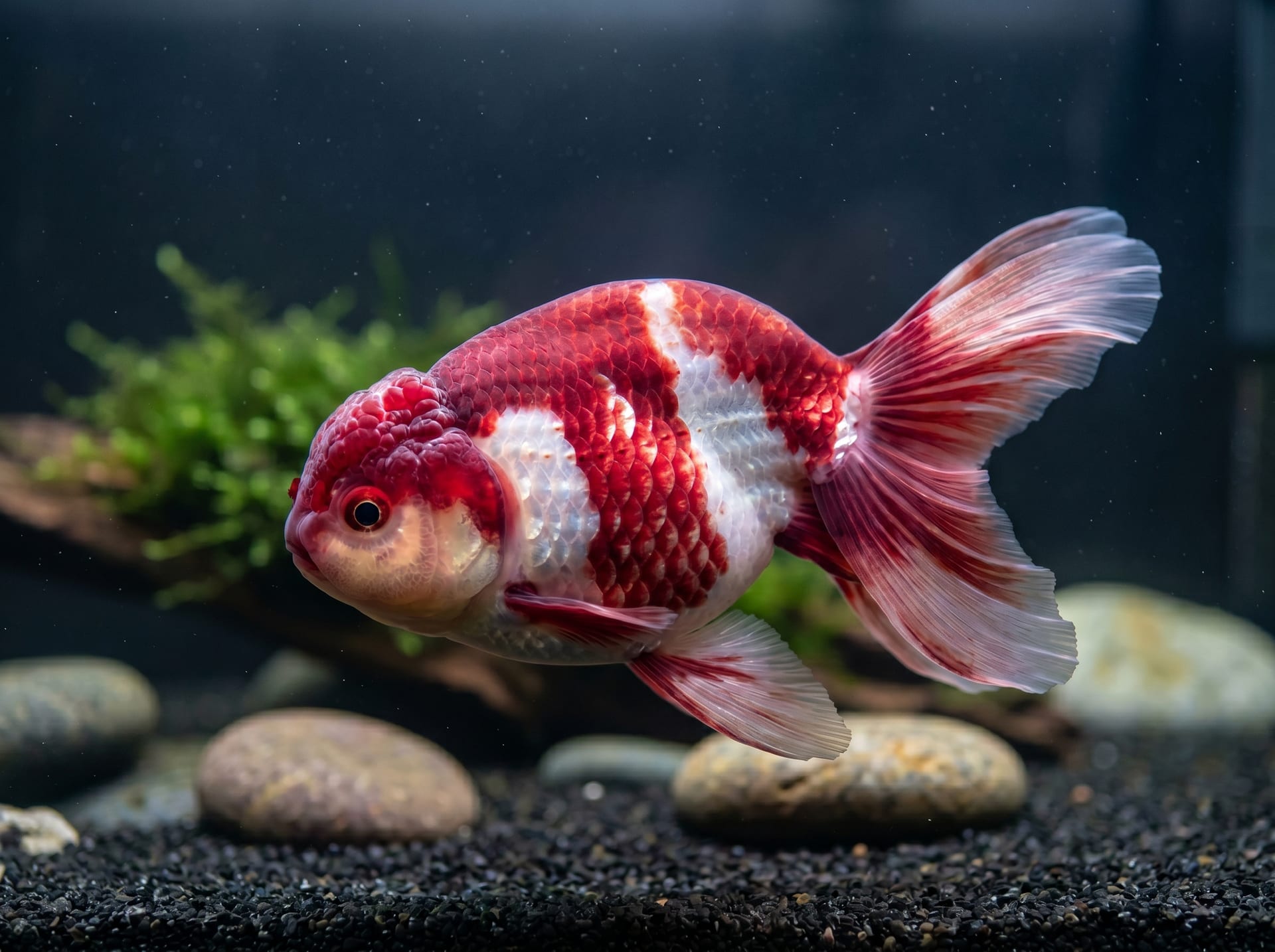
Goldfish are long-lived fish that, when properly cared for, can live for 10 years or more. However, if water quality management is neglected or stress builds up, they become more susceptible to illness. This article explains the symptoms, causes, and treatments for common goldfish diseases, as well as prevention strategies through daily management.
Representative Diseases and Treatment Methods
White Spot Disease
The most common infectious disease in goldfish. It is characterized by small white spots resembling rice grains appearing on the body surface.
- Cause: Parasitic ciliate protozoan (Ichthyophthirius multifiliis)
- Symptoms: White spots appear on the body and fins; the fish rubs itself against sand or tank walls
- Treatment: Raise water temperature to 28-30°C (to accelerate the parasite's life cycle) + use over-the-counter white spot disease medication (methylene blue-based or malachite green-based)
- Important: Treat in a separate quarantine tank and thoroughly perform water changes and substrate cleaning in the main tank
Fin Rot and Mouth Rot
A bacterial disease where the fins and mouth area deteriorate as if melting away.
- Cause: Columnaris bacteria (proliferates due to poor water quality)
- Symptoms: Fin edges become white and cloudy, then dissolve; the mouth area becomes whitish (mouth rot)
- Treatment: Use Green F Gold (containing nitrofurazone and furazolidone) for medication bath; maintain water temperature above 25°C
- Caution: Early detection is crucial. Progression is rapid, so isolate and begin medication immediately upon noticing symptoms
Swim Bladder Disorder
The fish floats upside-down at the water surface or sinks to the bottom. Complete treatment is difficult, but management to prevent worsening is possible.
- Cause: Swim bladder abnormality, constipation, indigestion, genetic factors
- Symptoms: Floating or sinking, body tilted at an angle
- Management: Fast for 2-3 days; switch to easily digestible food (frozen bloodworms, etc.); maintain water temperature at 25-27°C
- Prevention: Avoid overfeeding; choose pellets or frozen food over dried flakes. Note that Ping Pong Pearls and Ranchu varieties are particularly prone to swim bladder disorder
Dropsy (Pine Cone Disease)
A severe disease where scales stand on end, resembling a pinecone. Often accompanied by internal organ dysfunction and difficult to treat.
- Cause: Aeromonas bacterial infection (triggered by poor water quality)
- Symptoms: Scales stand erect, abdominal swelling, bulging eyes
- Treatment: Green F Gold Liquid or Parasan medication bath; recovery rate improves with early detection
- Important: Once advanced, treatment becomes difficult. Early detection is the only reliable solution
Gill Disease
A disease where the gills don't function properly, resulting in oxygen deprivation.
- Cause: Bacteria, parasites, poor water quality, or a combination thereof
- Symptoms: Rapid mouth movement at the water surface; only the gills are moving; reduced activity
- Treatment: Varies depending on cause, but first perform water changes to improve water quality; if symptoms persist, use medication bath
Daily Management for Disease Prevention
Regular Water Changes
The most effective prevention strategy. Perform a 1/3 water change 1-2 times per week consistently. It's important to remove substrate waste (feces and uneaten food) using a siphon or aquarium vacuum.
Appropriate Stocking Density
Overstocking is the primary cause of poor water quality and stress. Aim for a minimum of 10-20 liters of water per fish.
Avoid Sudden Temperature Changes
Sudden temperature fluctuations reduce immune function, making goldfish more susceptible to infections. Pay special attention to heater temperature settings and temperature differences during water changes, especially during seasonal transitions.
Quarantine New Fish
Before introducing a new goldfish to the main tank, isolate it in a separate tank (even a bucket works) for 1-2 weeks of observation. This is the most reliable way to prevent introducing disease.
Early Disease Detection Checklist
Develop the habit of checking the following points during daily observation.
- Is the swimming behavior abnormal? (tilting, sinking, floating, rubbing)
- Are there white spots, redness, dissolving areas, or cottony deposits on the body or fins?
- Are the gill movements equal on both sides, and is breathing becoming rapid?
- Has appetite changed? (suddenly not eating or reduced appetite)
- Is the feces normal? (white stringy feces indicate digestive problems)
- Is the fish separated from the group and hiding alone in a corner?
When an abnormality is detected, first isolate the fish, check the water quality, and consider salt bath or medication bath as needed.
Emergency First Aid
When you notice disease symptoms, follow these emergency procedures first.
- Isolate the sick fish: Place dechlorinated water in a separate container (bucket or plastic container), adjust the temperature to match, then transfer the sick fish
- Begin a 0.5% salt bath: Dissolve 50g of salt per 10 liters of water to help the goldfish recover strength
- Install aeration: The isolated container can become oxygen-depleted, so an air pump is essential
- Observe and record symptoms: Note when symptoms appeared and what they are. Photos and written notes will help guide treatment decisions
- Perform water change in the main tank: Change 1/3 to 1/2 of the water to improve the main tank environment and water quality
At BreederDirect, you can directly purchase goldfish from health-conscious breeders. You can also ask breeders directly about any care questions or disease concerns, so please take advantage of this service. Be sure to also check out our Goldfish Care Beginner's Guide for a deeper understanding of daily management.