[Beginner's Guide] Getting Started with Goldfish Care
For those looking to start keeping goldfish. This guide explains the basics clearly, from tank selection to filtration systems, water preparation, feeding, and water changes—everything a beginner needs to know to avoid common mistakes.
![[Beginner's Guide] Getting Started with Goldfish Care](https://img.br-choku.com/column-images/goldfish-indoor-winter-care-guide/hero-1778783794801.jpg)
Key Takeaways
For those looking to start keeping goldfish. This guide explains the basics clearly, from tank selection to filtration systems, water preparation, feeding, and water changes—everything a beginner needs to know to avoid common mistakes.
Related Species
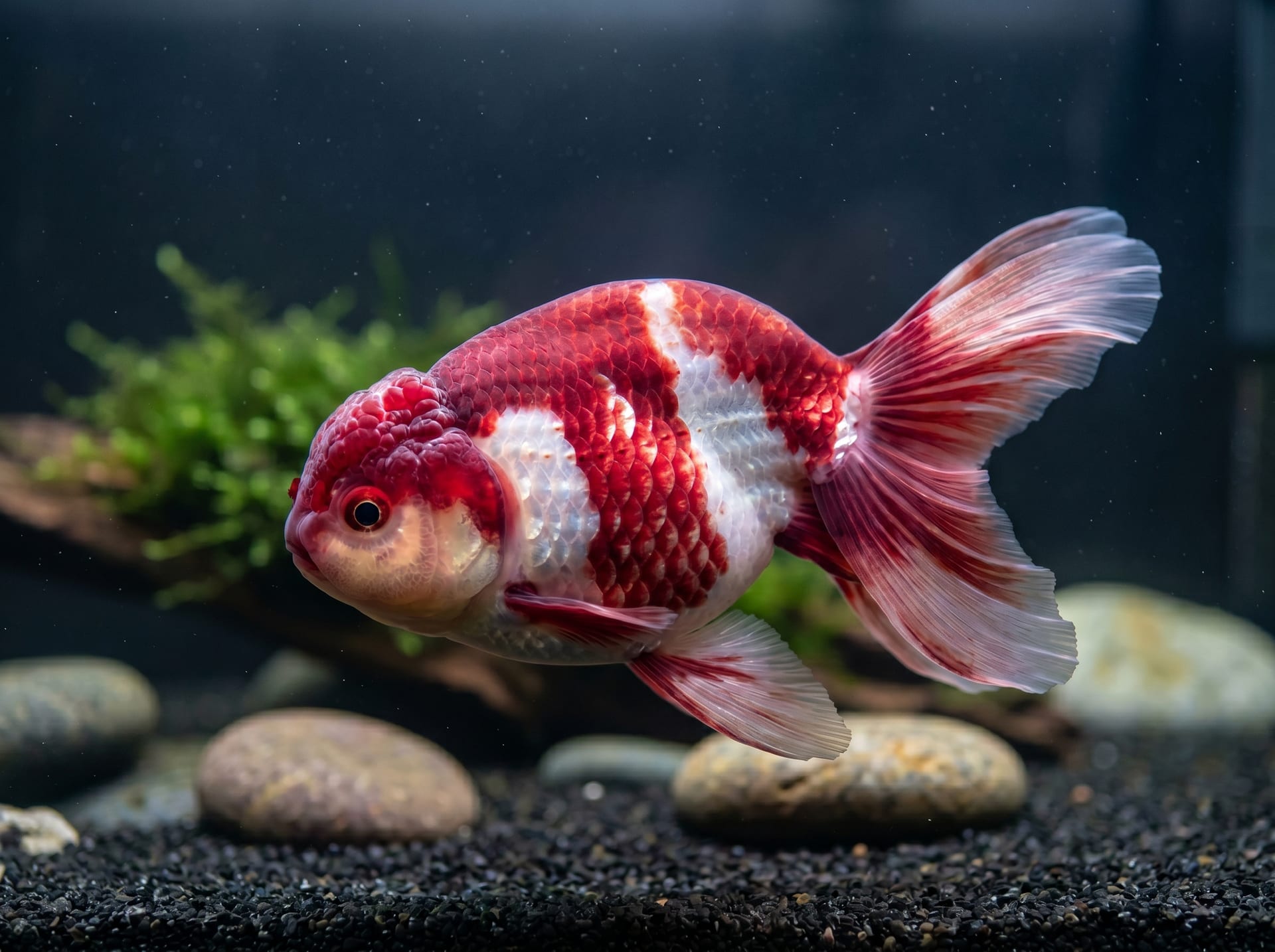
Goldfish are among Japan's most beloved ornamental fish. Many people have experienced how a hobby that started casually at a summer festival goldfish-scooping game can become a serious pastime. However, it's a common misconception that "goldfish are hardy and can be kept without much effort." The secret to long-term goldfish care is providing them with a proper environment. This guide covers all the fundamentals beginners need to know.
Tank and Container Selection: "Bigger Than You Think Is Just Right"
Goldfish grow much larger than you might expect. Adult fantail goldfish can reach nearly 30cm, making small goldfish bowls unsuitable for long-term care. The more water volume, the more stable the water quality and the less stress on the fish. Use the following as guidelines when selecting a tank:
- For 1-2 goldfish: 45-60cm tank (approximately 30-60 liters)
- For 3-5 goldfish: 60-90cm tank (approximately 60-160 liters)
The idea that "goldfish can be kept in small containers" is an outdated notion. Rounder varieties like ryukin and ranchu are poor swimmers, so tanks that are wider than they are tall are more suitable. Tanks are typically made of glass or acrylic, but glass maintains its clarity better and is more scratch-resistant over long-term use.
Be sure to add substrate (gravel) to your tank. Gravel serves as a home for beneficial filter bacteria and promotes the natural behavior of goldfish pecking at it. Overly large particles can trap uneaten food, so fine-grained substrate or goldfish-specific sand is easier to manage and recommended. For those looking to stock supplies cost-effectively, see Tips for Stocking Supplies on a Budget.
Choose a Filtration System "One Size Larger"
The defining characteristic of goldfish is that they produce far more waste than other ornamental fish, making water quality harder to maintain. For this reason, filtration is absolutely central to successful goldfish keeping.
- Hang-on filter: Suitable for small tanks. Easy to install and beginner-friendly. Many models run quietly.
- Top filter: Ideal for 60cm and larger tanks. High filtration capacity and the most popular choice for goldfish.
- Canister filter: Quiet with high filtration capacity, but installation is more complex. Best for large tanks or serious hobbyists.
The key is to choose a filter with capacity one size larger than the tank's stated volume. A filter labeled "60cm tank compatible" may not keep up when actually used for goldfish in a 60cm tank. If keeping 3-4 goldfish in a 60cm tank, a "90cm-compatible" class filter is more reliable.
Do not add goldfish immediately after installing the filter. Run the filter with just water for at least 1-2 weeks before beneficial bacteria establish themselves—this "fishless cycling" ensures smooth tank establishment. For complete tank setup procedures, see Complete Aquarium Setup Guide.
Water Preparation and Temperature Management: Overlooked Basics
Tap water cannot be used as-is. Chlorine (chloramine) damages the fish's gills. Always use a dechlorinator (chlorine neutralizer) in the recommended dose before adding water to the tank. Liquid dechlorinators work instantly and are convenient for small water changes.
Temperature management is equally important. Goldfish thrive in 15-25°C water and tolerate cooler temperatures well, but they are sensitive to sudden temperature fluctuations.
- Summer: When temperatures exceed 30°C, oxygen depletion becomes a risk. Use a cooling fan or aquarium chiller.
- Winter: Even in indoor tanks, sharp temperature drops can occur. Maintain 18-22°C with a heater to prevent digestive problems.
- Water changes: Keep the temperature difference between new water and the tank within ±2°C.
Particularly after water changes, low water temperature can trigger diseases like ich. Develop the habit of checking the temperature of water in a bucket before adding it. Reference Water Change: Proper Method and Frequency Guide to master the correct procedure.
Feeding: "Less Is More"
Goldfish will eagerly eat whenever they see food, but overfeeding is the leading cause of both water quality deterioration and digestive problems.
- Frequency: Twice daily (morning and evening)
- Amount: Only what they can eat in 2-3 minutes. Always remove any leftovers.
- Variety: Rotate between goldfish flakes, pellets, and frozen bloodworms for balanced nutrition.
In winter, metabolism slows, so reduce feeding by half or more when temperature drops below 15°C, and stop feeding entirely when it falls below 10°C. Undigested food that rots in the intestines can cause swim bladder disease (floating).
Goldfish are omnivorous and will eat aquatic plants. If adding plants, choose varieties like anacharis (Brazilian waterweed) that are harmless even if eaten, or plan regular replanting assuming the plants will be consumed.
Water Change Rules: "Complete Water Changes Are Absolutely Prohibited"
Regular water changes are the single most important maintenance task for keeping goldfish long-lived.
- Frequency: 1-2 times per week
- Amount: Change 1/3 to 1/2 of the total water
- Procedure: Use a siphon to remove waste (feces and leftover food) from the substrate while draining, then add dechlorinated water at matching temperature.
Under no circumstances should you do a complete water change. You will lose your beneficial bacteria and crash the tank (a "reset"). Protecting the bacteria you've cultivated is essential for maintaining stable water quality.
If goldfish are sitting still on the bottom or folding their fins after a water change, they may be experiencing temperature shock. Be more careful about matching water temperature in the future.
Disease Signs and Initial Response
Early detection is vital for goldfish health. Daily observation is your best prevention. Address the following signs immediately:
| Sign | Suspected Disease | Initial Response |
|---|---|---|
| White spots appear | Ich | Raise temperature to 28°C, attempt salt bath (0.5%) |
| Fins dissolve/become red | Fin rot/Red spot disease | Salt bath or specialized medication (Green F, etc.) |
| Swollen belly/floating upside-down | Dropsy | Early stages: salt bath and medicated bath; advanced cases rarely recover |
| Gasping at surface | Oxygen depletion/Gill disease | Immediately add aeration and perform water change |
When purchasing new goldfish, we strongly recommend quarantine rather than immediately adding them to the main tank. Keep them in a separate small container for 1-2 weeks with a salt bath (0.3-0.5%) to monitor their health and prevent introducing disease or parasites. For lifespan and breed-specific characteristics, see Goldfish Lifespan: Tips for Longevity and Breed Guidelines.
The true joy of goldfish keeping lies in watching well-cared-for fish grow larger each year and enjoying their unique swimming patterns and color changes. As of 2026, BreederDirect allows you to purchase show-quality goldfish directly from breeders and consult them for care advice. Find your perfect fish today.