How Long Do Goldfish Live? Tips for Longevity and Lifespan by Breed
Goldfish typically live 10–15 years, and some can exceed 20 years with proper care. This article explains lifespan differences by breed and the secrets to longevity, including water quality management, feeding, and tank size.
Key Takeaways
Goldfish typically live 10–15 years, and some can exceed 20 years with proper care. This article explains lifespan differences by breed and the secrets to longevity, including water quality management, feeding, and tank size.
Related Species
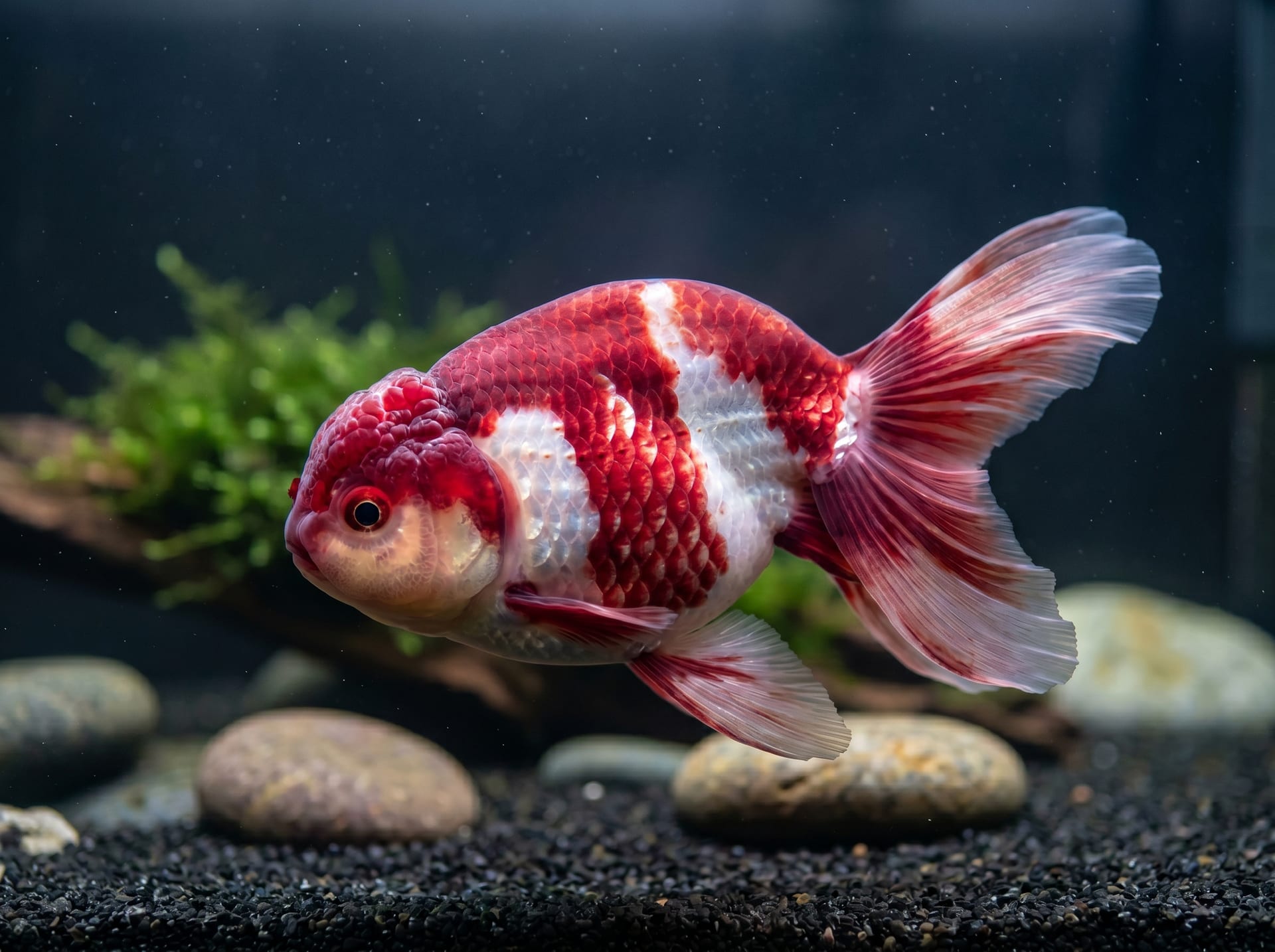
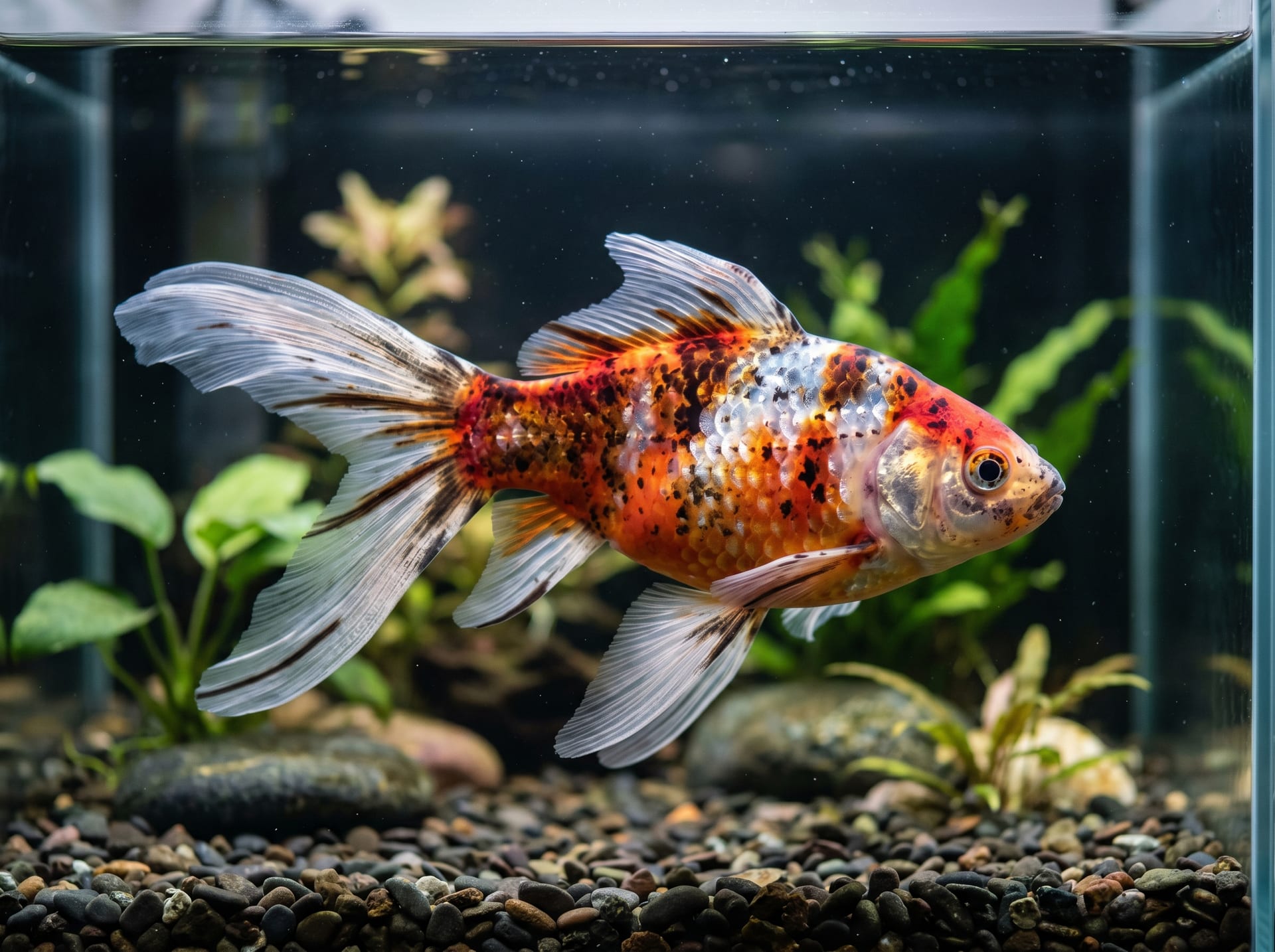

Goldfish Actually Live Quite Long
Goldfish, familiar from goldfish scooping games, are often thought to die quickly, but this is a misconception. With proper environment and care, they can live 10–15 years, and some even exceed 20 years—they are remarkably long-lived fish.
Goldfish originated in China and have over 1,000 years of history as ornamental fish bred from crucian carp. Considering that wild crucian carp live 10–15 years, the longevity potential of goldfish makes sense. Since you've brought them home as pets, it's important to understand the characteristics of each breed and the basics of proper care to nurture them well and for a long time. For detailed information on breeds, see Goldfish Breed Guide | Characteristics and Care of 10 Popular Varieties.
Average Lifespan and Characteristics by Breed
Goldfish vary significantly by breed in body shape, hardiness, and lifespan. They broadly fall into two categories: "carp-type (single-tail)" and "round-fin type (double-tail)," with carp-type generally being hardier and longer-lived.
Hardy, Long-Lived Breeds (10–15+ years)
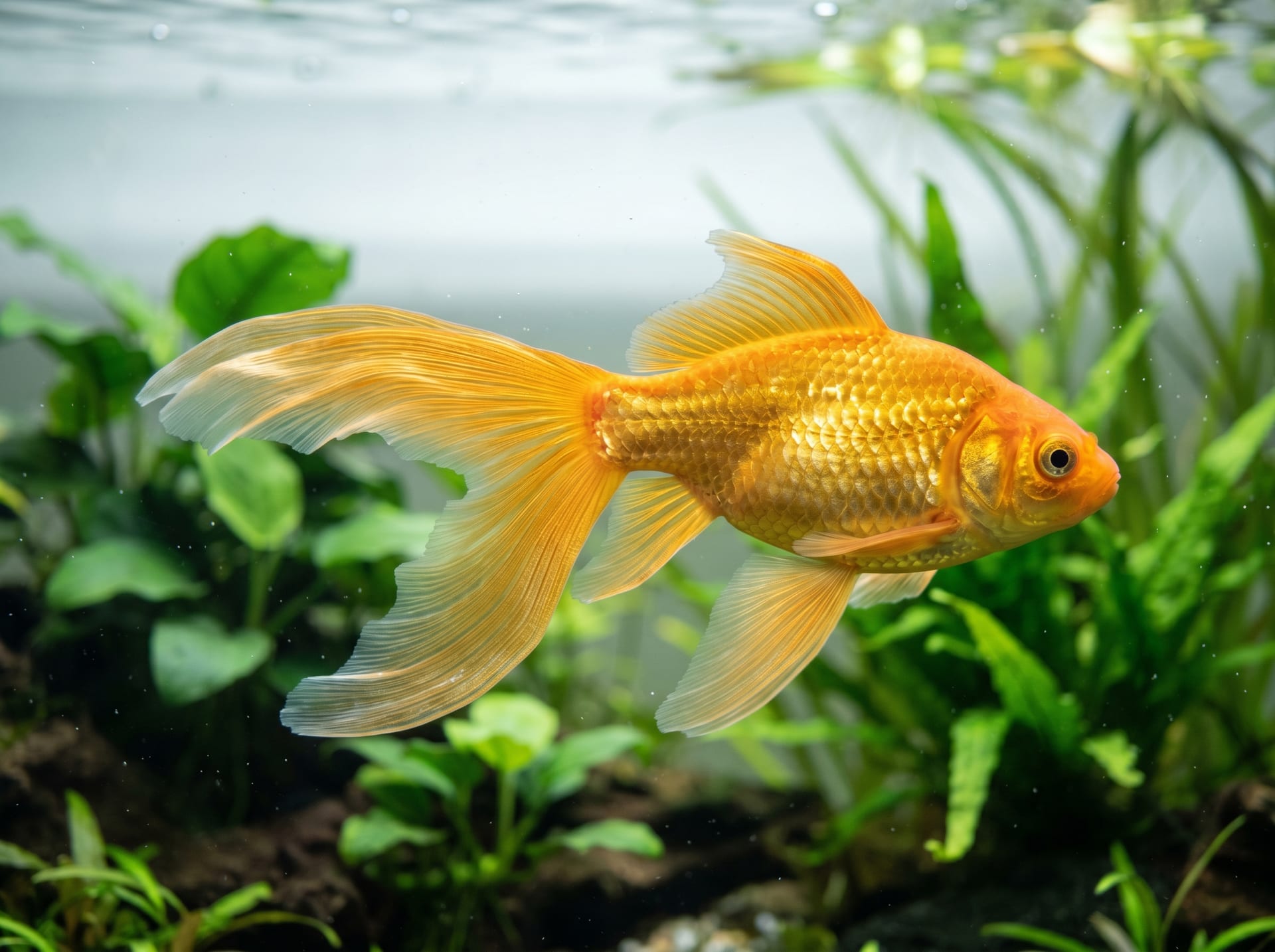
- Wakin: Closest to the original wild type, highly resistant to disease. Well-suited for outdoor pond cultivation, and individuals exceeding 20 years are not uncommon.
- Comet: Similar body shape to wakin but with longer, more elegant fins. Fast swimmers that are active and have good stamina.
- Shubunkin: Wakin-type with calico markings. Hardiness comparable to wakin.
Moderately Hardy Breeds (8–12 years)
- Ryukin: Characterized by a rounded body shape, but prone to swim bladder disease due to its swim bladder structure. Careful feeding management to reduce digestive stress is important.
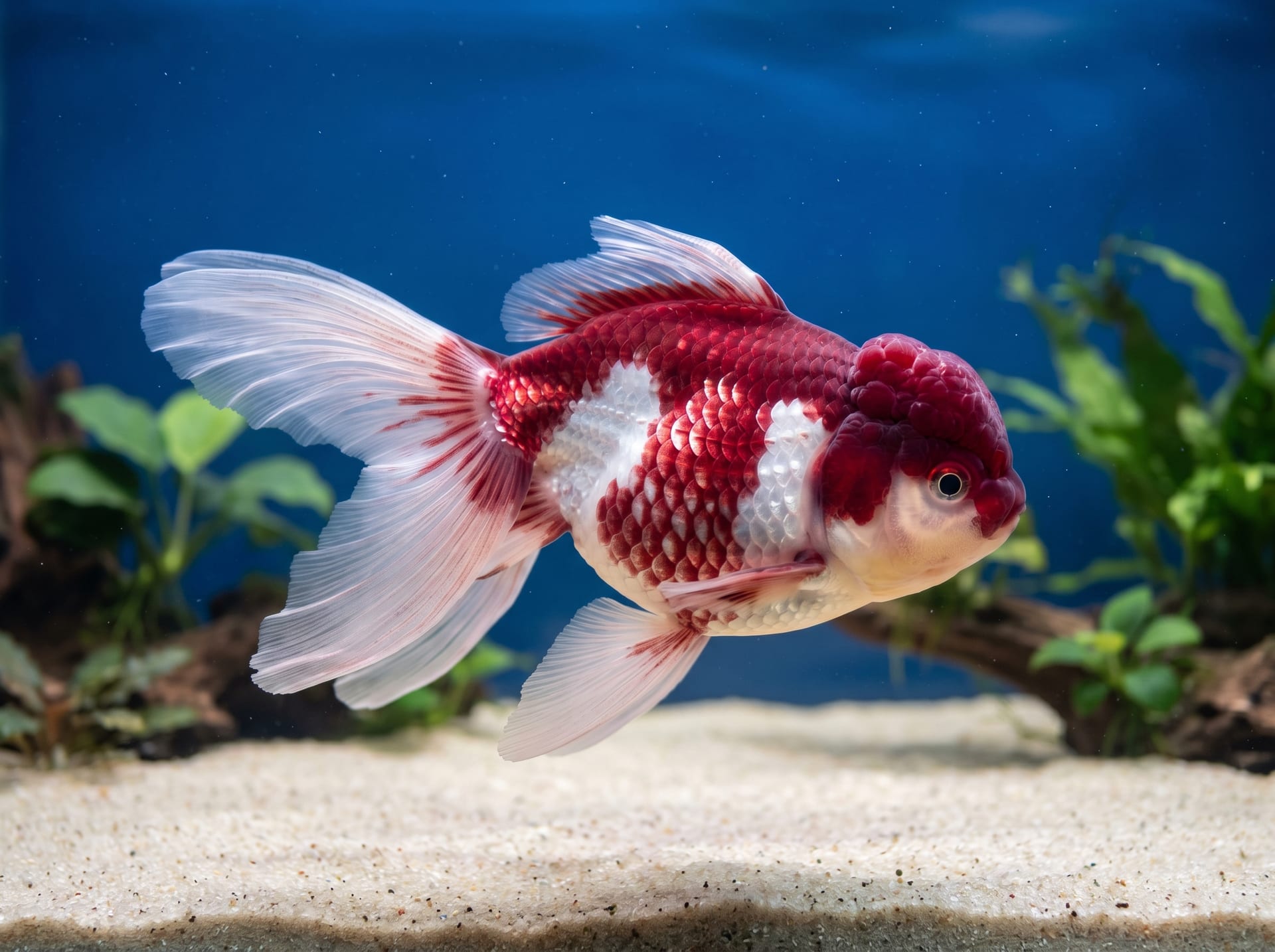
- Oranda: A breed with developed head lumps. Prone to bacterial infection of the head lumps when water quality deteriorates, so careful water management is essential.
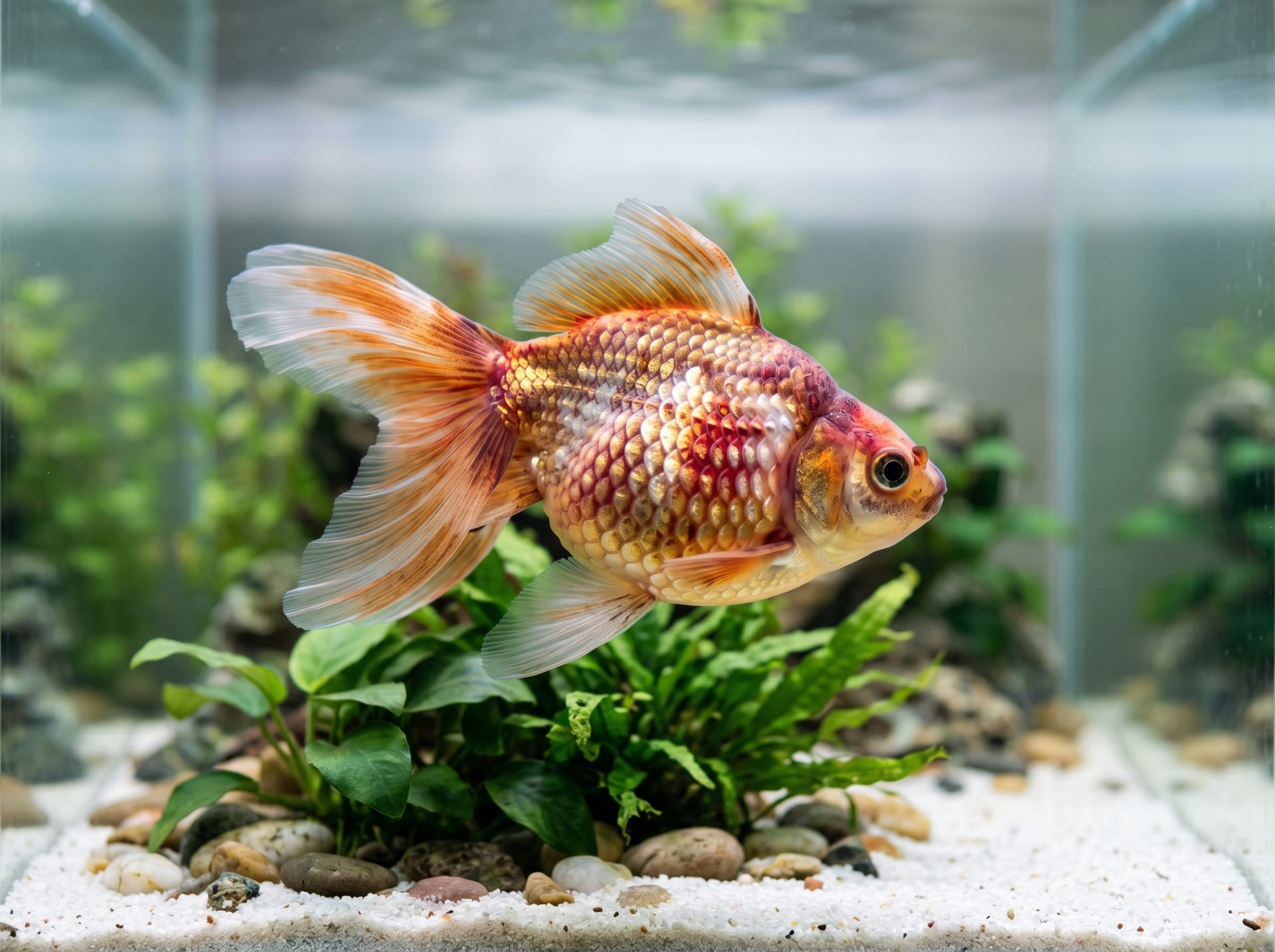
- Tosakin: Ryukin-type body with calico markings. Beautiful but with moderate adaptability to environmental changes.
Delicate Breeds (5–10 years)
- Ranchu: Lacks a dorsal fin with a compact, rounded body. Extremely sensitive to water quality changes, low oxygen, and sudden temperature shifts. Called the "king of goldfish" by enthusiasts and has established specialized care methods.
- Demekin (Bubble Eye): Appealing for its protruding eyes, but easily susceptible to physical damage. Eye injuries from gravel and sharp decorations are common.
- Ping Pong Pearl: Nearly spherical body shape and the most delicate. Weak swimming ability and particularly vulnerable to water currents, cold water, and digestive issues. Better suited for intermediate to advanced keepers.
Tank and Water Quality Management for Longevity
Water environment is the primary factor determining goldfish longevity. Water is as essential to goldfish as air is to us, and neglecting daily management can significantly shorten their lifespan.
Maintain Proper Stocking Density A minimum of 10 liters per fish is the guideline. Wakin and comet goldfish grow to 20–30 cm, so when keeping adults, reserving 30–50 liters per fish is ideal. Overcrowding leads to water quality deterioration, oxygen depletion, and stress—major factors in shortening lifespan.
Combining Filtration and Water Changes Goldfish excrete heavily relative to their size and pollute water easily. Install a powerful filter (such as an overhead or external filter) appropriate for your water volume, and perform weekly water changes of 1/3 to 1/2 of the total tank volume. When changing water, use water with similar temperature and pH, and always treat the water to remove chlorine. Sudden water quality changes can trigger white spot disease and bacterial infections. For detailed troubleshooting, see Goldfish Tank Troubleshooting Guide.
Temperature Management Goldfish can adapt to a wide range of water temperatures (approximately 5–30°C), but sudden temperature changes are the biggest threat. Especially during unstable spring and autumn weather, check your thermometer daily and use heaters or insulation if sudden changes occur. High summer temperatures (above 30°C) cause oxygen depletion, so enhance aeration. In winter, introduce a heater or manage in dormancy mode when temperatures drop below 10°C. For detailed heater usage, see Is a Heater Necessary for Goldfish?.
Seasonal Feeding Management
Goldfish are cold-blooded animals, so their metabolic rate changes with water temperature. Ignoring seasonal feeding patterns causes digestive issues, swim bladder disease, and water pollution.
- Spring–Autumn (15–25°C): Feed twice daily, an amount consumed in 2–3 minutes. High calorie consumption due to active movement.
- Early Summer and Early Autumn Transition (10–15°C): Reduce to once daily feeding with smaller portions.
- Winter (10°C and below): Stop feeding or reduce to minimal amounts 1–2 times per week, as digestive function nearly ceases. Remove uneaten food immediately to prevent water quality deterioration.
Use easily digestible sinking pellet feed as your base diet, and feed frozen bloodworms and other live foods a few times monthly to improve nutritional balance. Avoid floating feed for round-fin types like ryukin and ping pong pearl, as it risks them swallowing air.
Major Diseases to Watch and Early Intervention
Most diseases that shorten goldfish lifespan are triggered by water quality deterioration, stress, and immune decline. Daily observation and early detection are key to longevity.
- White Spot Disease (Ich): A parasitic infection causing white powder-like spots on the body surface. Common when temperatures drop or change suddenly. In early stages, raise temperature to 28°C and use over-the-counter treatments (such as methylene blue).
- Swim Bladder Disease: Swim bladder dysfunction causing fish to float at the surface and sink improperly. Common in ryukin and ping pong pearl. Mild cases may improve with fasting and temperature increase, but since complete recovery is difficult, prevention through easily digestible food and proper feeding amounts is the priority.
- Fin and Mouth Rot: A bacterial infection caused by Columnaris. Fins and mouth deteriorate as if melting. Poor water quality is the primary cause. Isolate immediately upon discovery and treat with antibiotics (such as Elbaage).
- Pine Cone Disease (Dropsy): Scales stand up in a pine cone-like pattern. Often accompanied by internal organ damage and difficult to treat. Prevention is the best approach.
- Eye Injury in Demekin: Physical trauma. Prevent by removing sharp decorations and gravel, and avoiding mixed-species tank mates.
Welcoming Healthy Individuals Through BreederDirect
A goldfish's lifespan begins with the health of the individual you acquire. Goldfish sold at mass retailers and events often exhaust their vitality from transport stress and overcrowded conditions, frequently resulting in short lives after being brought home.
At BreederDirect, you can purchase directly from specialized goldfish breeders. Breeders understand the health of the individuals they've raised in their own environments and can directly advise on breed-specific characteristics, care tips, and longevity secrets. Gaining correct care knowledge from the moment of acquisition is the first step toward living together for 10, 15, or more years.
As of 2026, more breeders are listing show-quality ranchu and high-quality ryukin on BreederDirect. From hardy, long-lived wakin to delicate ping pong pearl, work with breeders to select a breed that matches your lifestyle.