Goldfish Variety Guide | Characteristics and Care of 10 Popular Varieties
A detailed explanation of the characteristics, temperament, difficulty level, and tank size of 10 popular goldfish varieties including Wakin, Ryukin, Ranchu, Deme-kin, Tancho, Azuma-nishiki, and more. Use this as a reference for choosing a variety that suits you.
Key Takeaways
A detailed explanation of the characteristics, temperament, difficulty level, and tank size of 10 popular goldfish varieties including Wakin, Ryukin, Ranchu, Deme-kin, Tancho, Azuma-nishiki, and more. Use this as a reference for choosing a variety that suits you.
Related Species
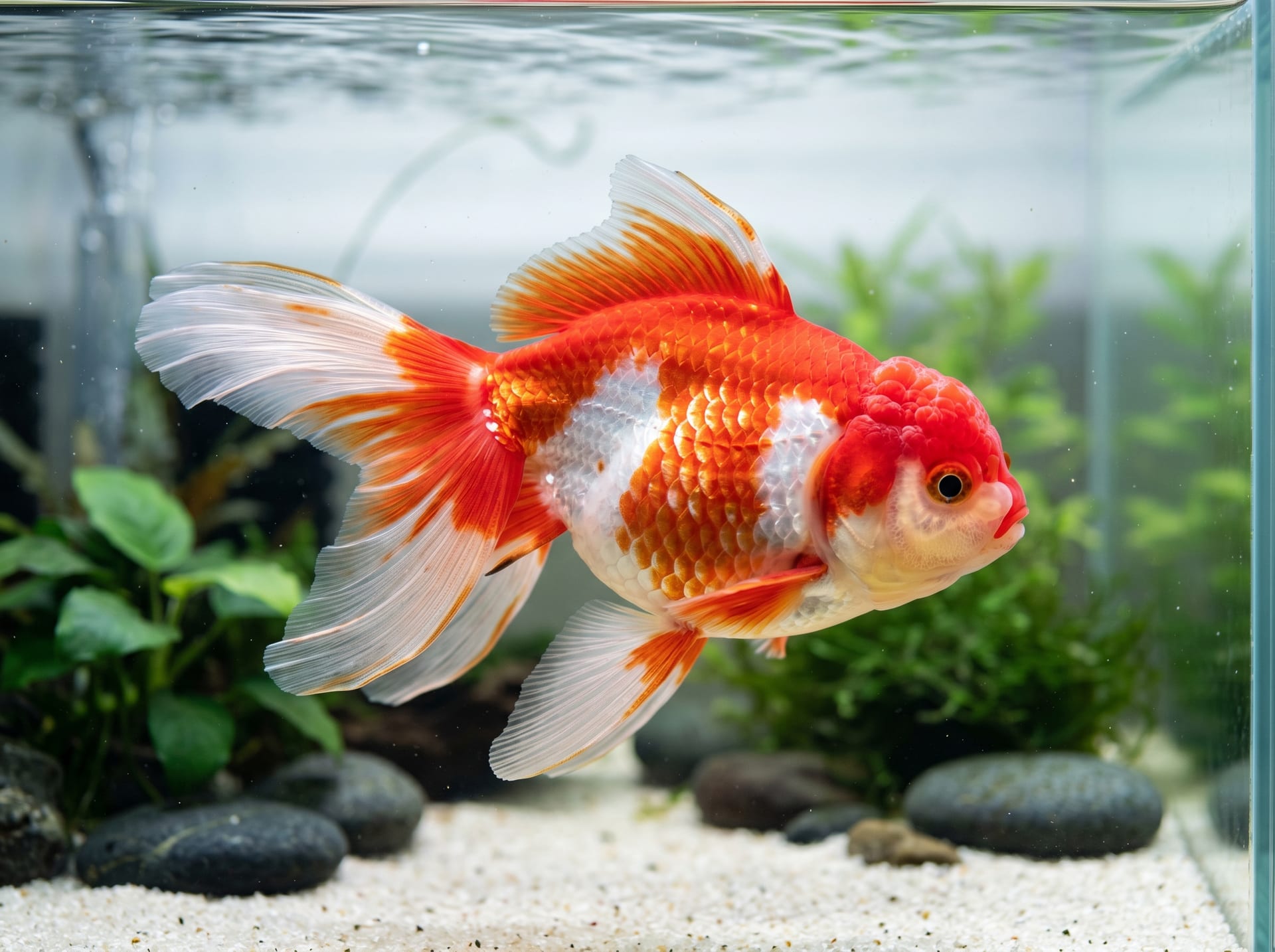
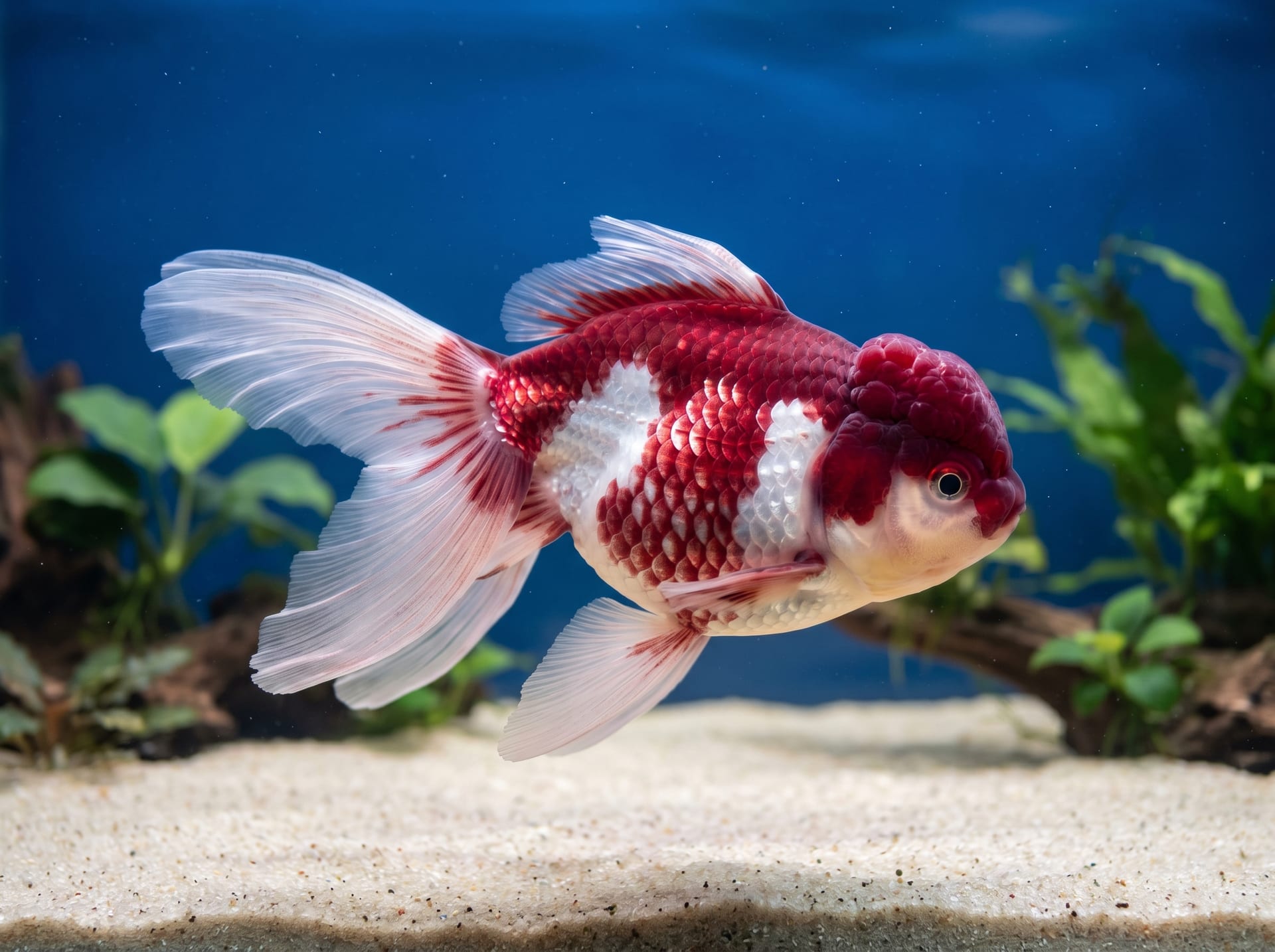
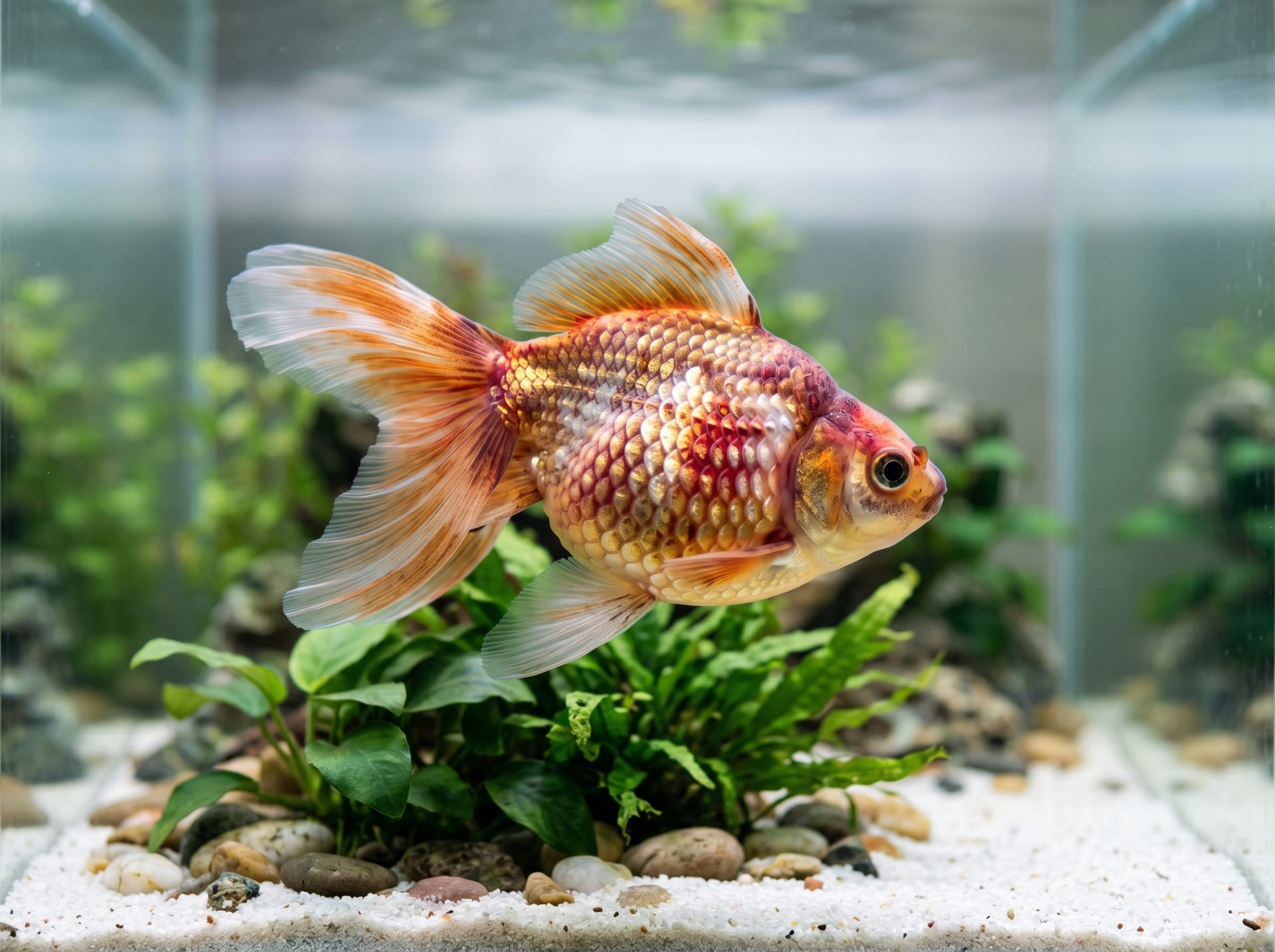
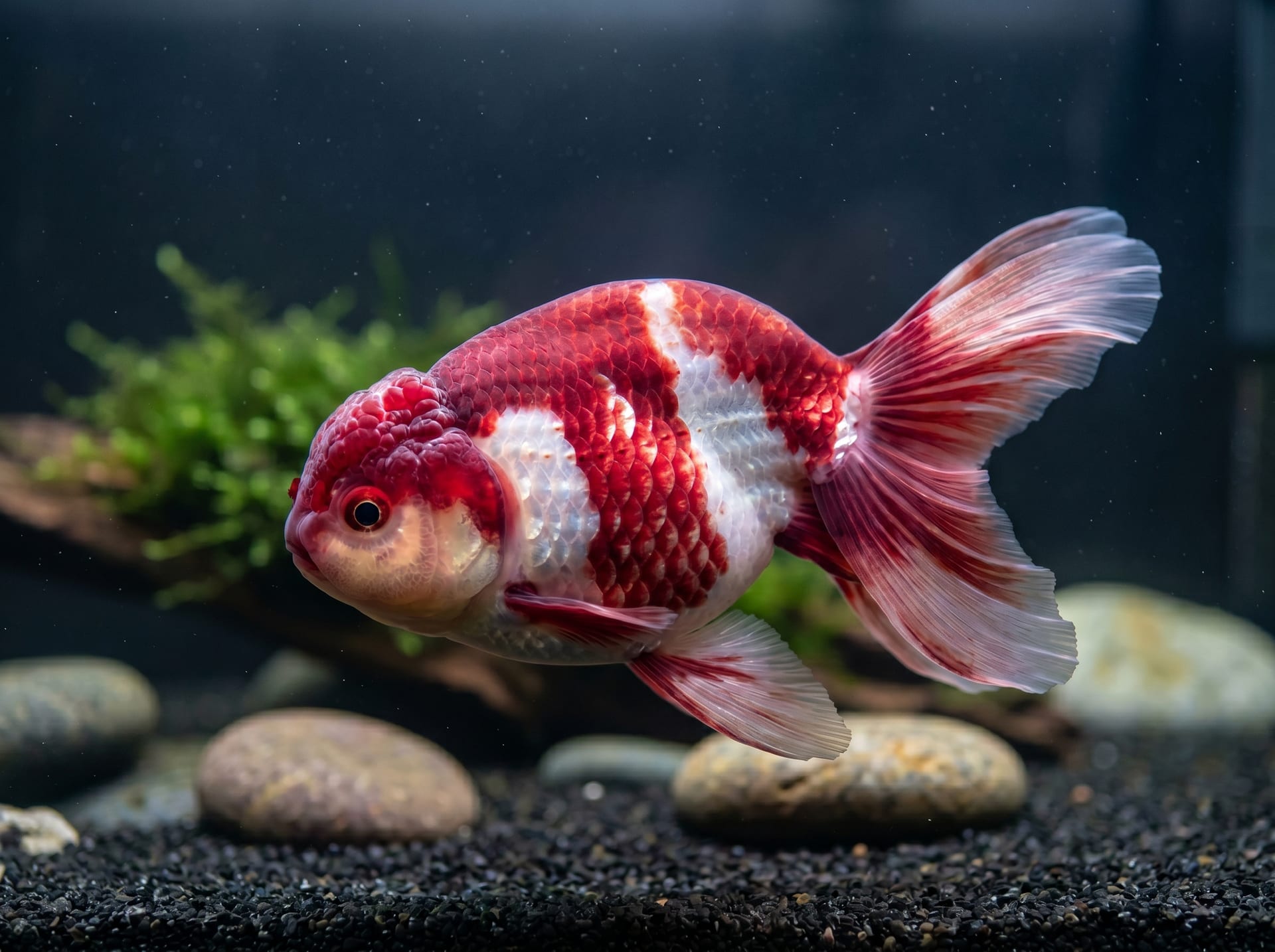
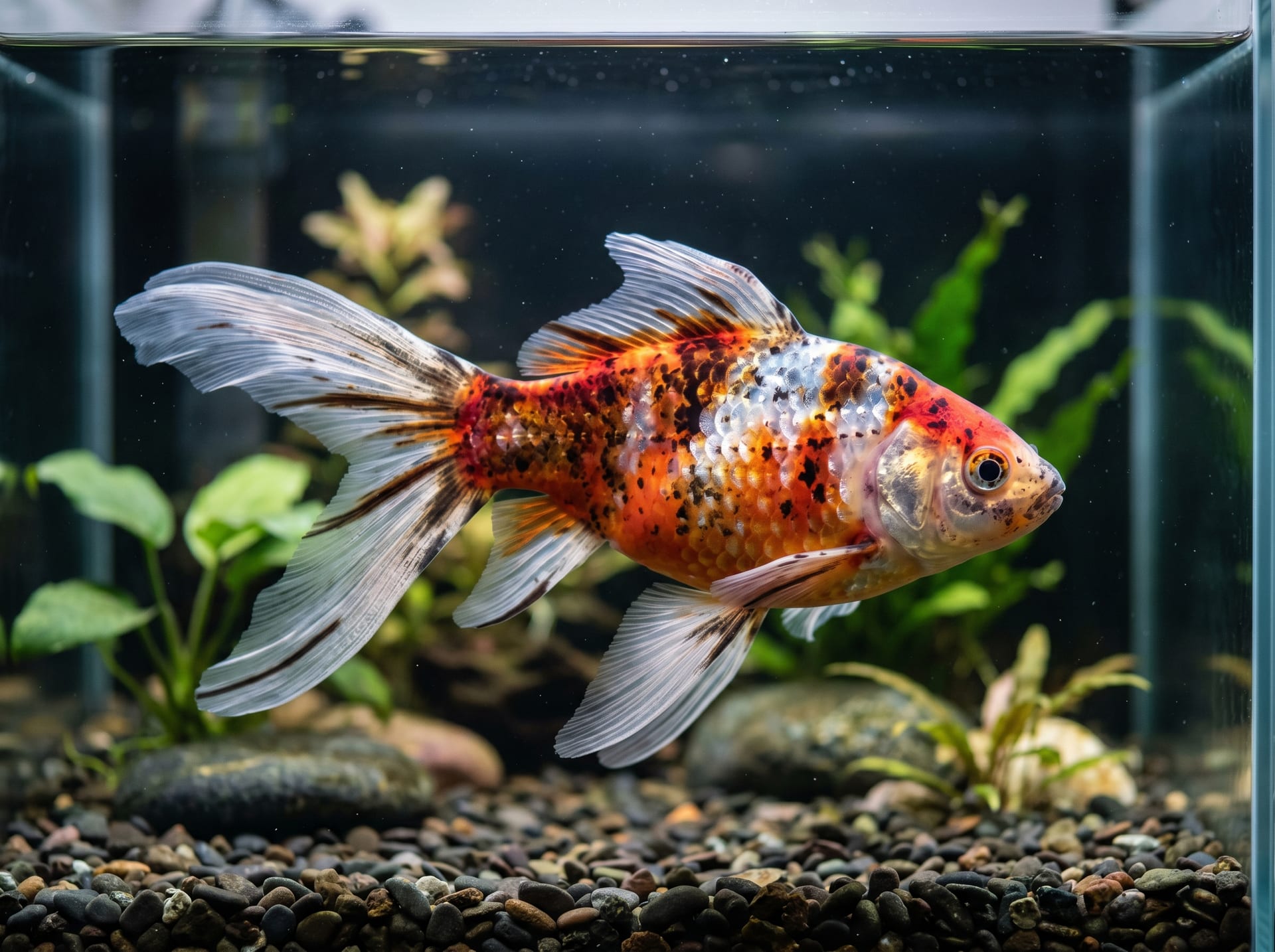
Through a long history of selective breeding, goldfish have developed dozens of varieties. Each variety differs significantly in body shape, tail fin form, scale texture, and coloration, making goldfish highly collectible. As of 2026, breeders both domestically and internationally continue to actively develop new varieties, with many distinctive individuals available on BreederDirect. Here we introduce the characteristics and care tips for 10 representative varieties.
Comparison Table of 10 Popular Varieties
| Variety | Body Type | Difficulty | Adult Length | Recommended Tank |
|---|---|---|---|---|
| Wakin | Crucian carp type | Easy | 20–30 cm | 60 cm or larger |
| Ryukin | Rounded | Fairly easy | 15–20 cm | 60 cm or larger |
| Ranchu | Rounded (no dorsal fin) | Fairly difficult | 15–20 cm | 60 cm or larger (shallow & wide) |
| Deme-kin | Rounded (protruding eyes) | Fairly easy | 12–20 cm | 60 cm or larger |
| Tancho | Rounded | Fairly easy | 15–20 cm | 60 cm or larger |
| Azuma-nishiki | Oranda type | Fairly easy | 15–25 cm | 60 cm or larger |
| Pom-Pom Pearl | Spherical (pearl scales) | Fairly difficult | 8–12 cm | 45 cm or larger |
| Shubunkin | Crucian carp type | Easy | 20–30 cm | 60 cm or larger |
| Tosa-kin | Rounded (reversed tail) | Difficult | 15–20 cm | Tosa-kin bowl (shallow & wide) |
| Edo-nishiki | Ranchu type | Fairly difficult | 15–20 cm | 60 cm or larger |
※When mixing varieties with different body types, faster swimmers tend to monopolize food. It is best to group them by similar body type.
1. Wakin
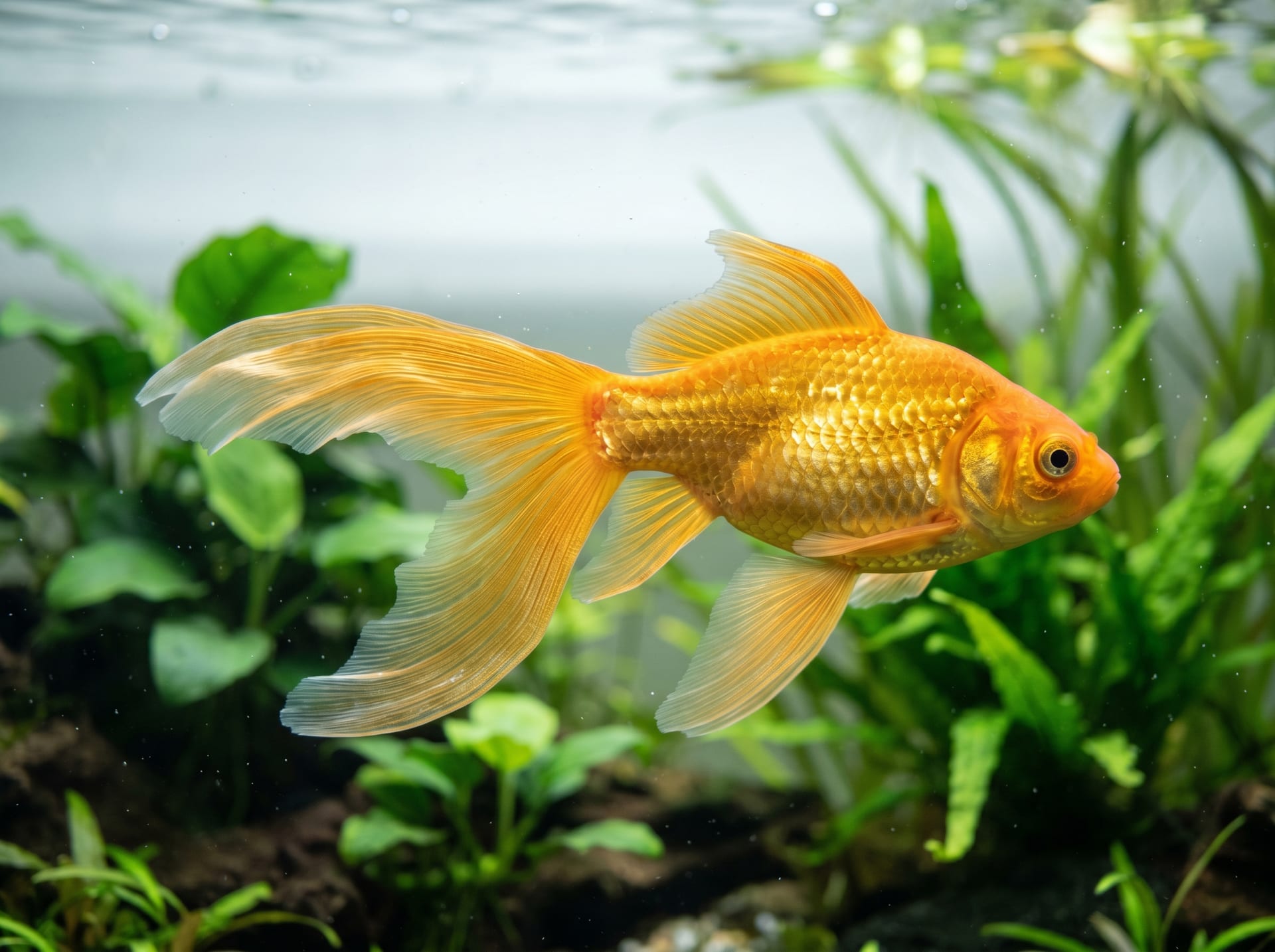
The most common goldfish in Japan. With a body shape close to a crucian carp, they are excellent swimmers. Most goldfish seen at goldfish scooping games at festivals are Wakin varieties. Hardy and easy to care for, they can be kept outdoors in ponds.
- Difficulty: Easy
- Adult length: 20–30 cm
- Recommended tank: 60 cm or larger
2. Ryukin
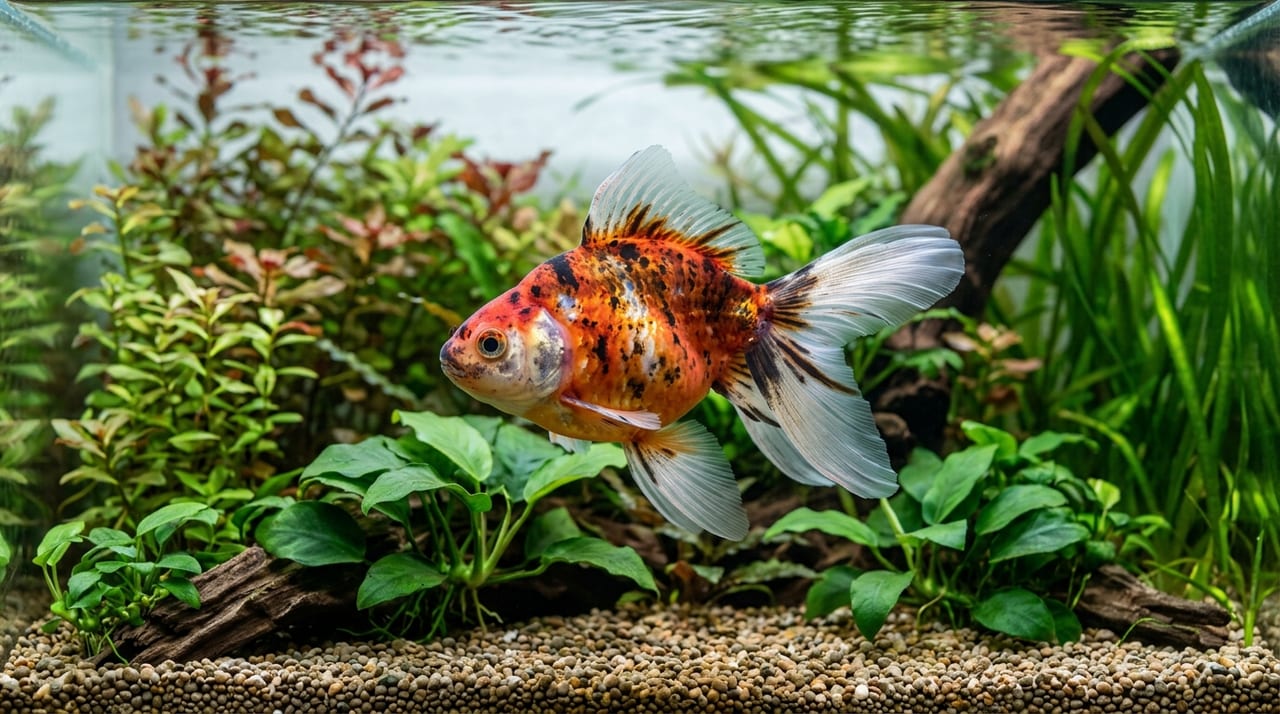
Characterized by a rounded, plump body shape. The tail fin, called triple or quadruple tails, spreads wide and creates an elegant swimming appearance. They come in various color variations including red, white, and calico (red and white patterned).
- Difficulty: Fairly easy
- Adult length: 15–20 cm
- Recommended tank: 60 cm or larger
3. Ranchu
Considered the "king of goldfish," the supreme variety. They have no dorsal fin and a distinctive rounded bump on the head called a "wen." A flagship variety in goldfish competitions, premium specimens command high prices. If you wish to keep ranchu seriously, refer also to Goldfish Annual Cost Guide.
- Difficulty: Fairly difficult
- Adult length: 15–20 cm
- Recommended tank: 60 cm or larger (ideally shallow and wide)
4. Deme-kin
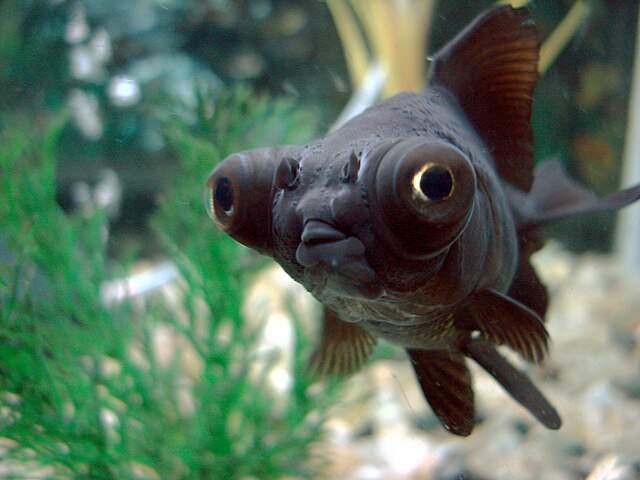
Distinguished by large, prominent protruding eyes. They have poor eyesight and swim slowly, making them unsuitable for mixing with faster swimmers like Wakin. Varieties include black Deme-kin and tri-color Deme-kin.
- Difficulty: Fairly easy
- Adult length: 12–20 cm
- Recommended tank: 60 cm or larger
5. Tancho
A white-bodied variety with a red spot only on the head. Named after the red-crowned crane, they are prized for their elegant appearance. Their rounded body shape results in a slow, gentle swimming style.
- Difficulty: Fairly easy
- Adult length: 15–20 cm
- Recommended tank: 60 cm or larger
6. Azuma-nishiki
A beautiful tri-color calico (red, white, black) Oranda-type goldfish. Featuring a wen on the head, each individual has a unique pattern. Highly popular at goldfish competitions.
- Difficulty: Fairly easy
- Adult length: 15–25 cm
- Recommended tank: 60 cm or larger
7. Pom-Pom Pearl
An adorable variety characterized by a spherical body shape and pearl-like scales. Recently especially popular with female keepers, they can be kept in small tanks. However, due to their unusual body shape, they tend to be susceptible to digestive diseases, particularly swim bladder disorder. For disease prevention, refer also to Goldfish Disease Prevention and Treatment.
- Difficulty: Fairly difficult
- Adult length: 8–12 cm
- Recommended tank: 45 cm or larger
8. Shubunkin
A crucian carp-type body with a distinctive calico pattern mixing blue, red, white, and black. With a body shape similar to Wakin, they are excellent swimmers. Blue-toned calicos are especially valued.
- Difficulty: Easy
- Adult length: 20–30 cm
- Recommended tank: 60 cm or larger
9. Tosa-kin
A regional variety originating from Kochi Prefecture. The most distinctive feature is its large reversed tail fin, earning it the title "swimming artwork." Extremely difficult to keep, this variety is best viewed from above.
- Difficulty: Difficult
- Adult length: 15–20 cm
- Recommended tank: Shallow, wide container (Tosa-kin bowl)
10. Edo-nishiki
A variety created by crossing ranchu with calico-pattern goldfish. Combining a ranchu body shape with calico coloration, its luxurious appearance makes it popular with collectors.
- Difficulty: Fairly difficult
- Adult length: 15–20 cm
- Recommended tank: 60 cm or larger
Avoiding Mistakes in Variety Selection
When selecting a goldfish variety, it is important to consider not just aesthetic preference but also compatibility with your care environment. For beginners, starting with hardy and easy-to-care-for varieties like Wakin (Wakin, Comet, Shubunkin) naturally builds fundamental goldfish-keeping skills. Once you gain some experience, the classic progression is to advance to more delicate varieties like Ryukin and Ranchu types.
Additionally, when housing varieties with different body types (such as Wakin and Ryukin) in the same tank, the faster swimmer tends to monopolize food. The basic practice is to keep varieties of similar body type together. A tank of 60 cm or larger is recommended, with 10–20 liters of water per fish. Refer also to Complete Guide to Selecting Goldfish Tanks and Equipment to set up an optimal care environment.
Essential Basics for Beginners
The most important aspect of goldfish keeping is "maintaining water quality." Because goldfish easily pollute the water, proper filter installation and regular water changes (weekly, approximately one-third of the tank) are fundamental to health maintenance. Feed once or twice daily, in amounts that will be consumed in 2–3 minutes, and promptly remove any uneaten food. The ideal water temperature is 18–26°C; avoiding sudden temperature fluctuations helps prevent disease.
When introducing a new goldfish, match the temperature by leaving it in its bag for 30–60 minutes, then gradually add tank water to the bag to acclimate it to the new water quality—a process called "water acclimation." If possible, perform 1–2 weeks of quarantine treatment to prevent disease introduction. For basics on quarantine management, also refer to Introduction to Quarantine and Treatment of New Fish.
For first-time goldfish keepers, we recommend first reading Beginner's Guide to Starting Goldfish Keeping to set up your environment. On BreederDirect, you can purchase directly from goldfish breeders who compete in exhibitions. For those seeking individuals with clear bloodlines, this service is highly recommended. As of 2026, domestic goldfish breeders are increasingly focusing on direct sales through BreederDirect, expanding the selection of rare varieties available.
Oranda Lionhead
Characteristics: Distinguished by a large wen covering the head and a rounded body type.
A further development of the Ryukin, the head wen is the primary attraction. The color, size, and shape balance of the wen showcases a breeder's skill.
Difficulty: ★★☆ (Intermediate level)
Proper nutrition and water temperature management are essential for wen development. Wen injuries carry a risk of bacterial infection, so care must be taken when housing with other fish.
Water-Bubble Eye
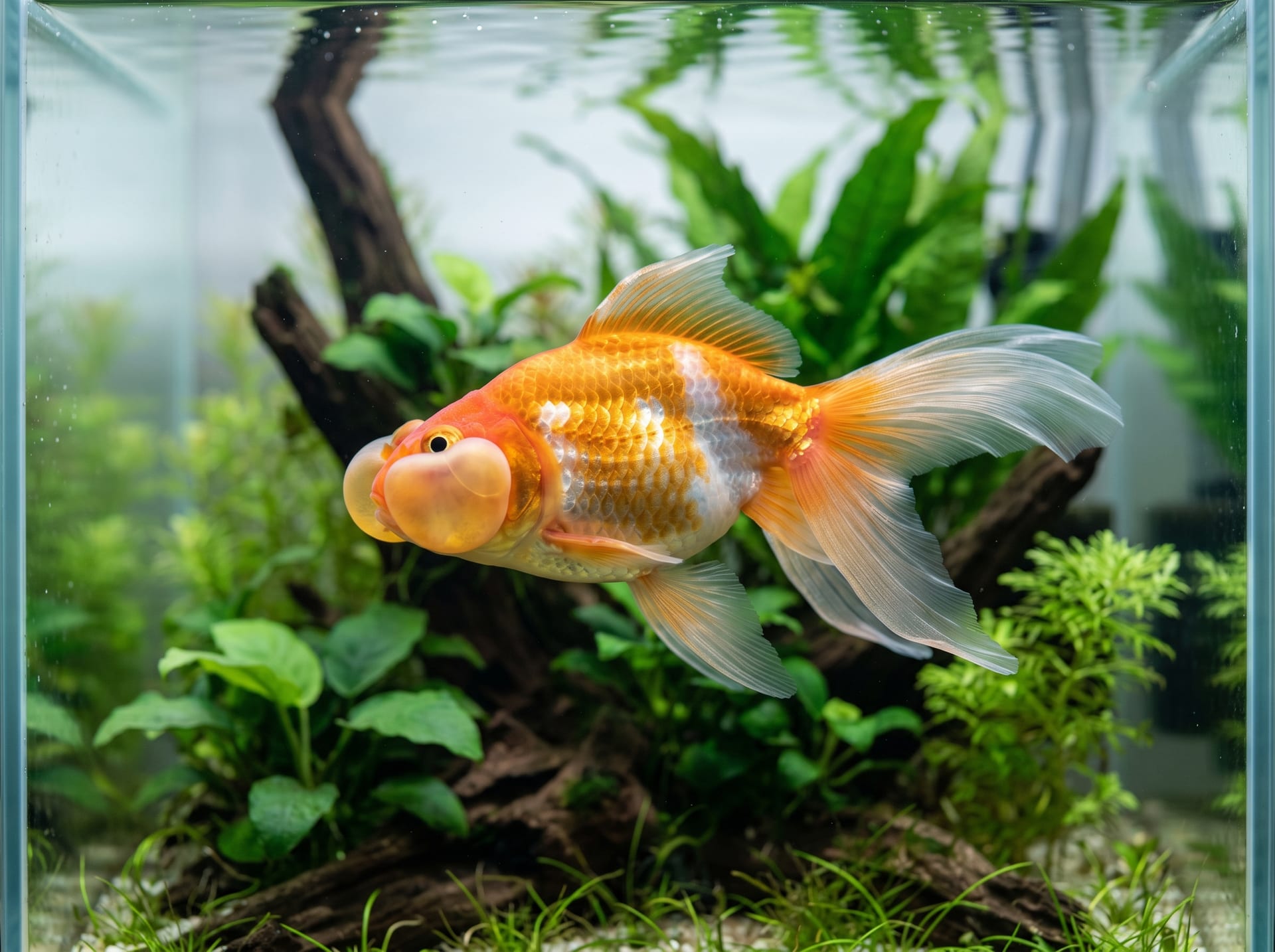
Characteristics: An extremely distinctive variety with bubble-like sacs developing under the eyes.
The water sacs are extremely delicate; if ruptured, recovery takes considerable time. A Chinese-origin variety, its unusual appearance makes it popular with collectors.
Difficulty: ★★★ (Advanced level)
It is essential to avoid placing any sharp objects in the tank to protect the water sacs. Lacking a dorsal fin and swimming slowly, they should not be housed with competitive varieties.