Goldfish Color Genetics — Understanding Color Change & Selection
Understanding goldfish color genetics: color change mechanisms, pigment types, breed-specific inheritance patterns, and selection tips for breeders.
Key Takeaways
Understanding goldfish color genetics: color change mechanisms, pigment types, breed-specific inheritance patterns, and selection tips for breeders.
Related Species
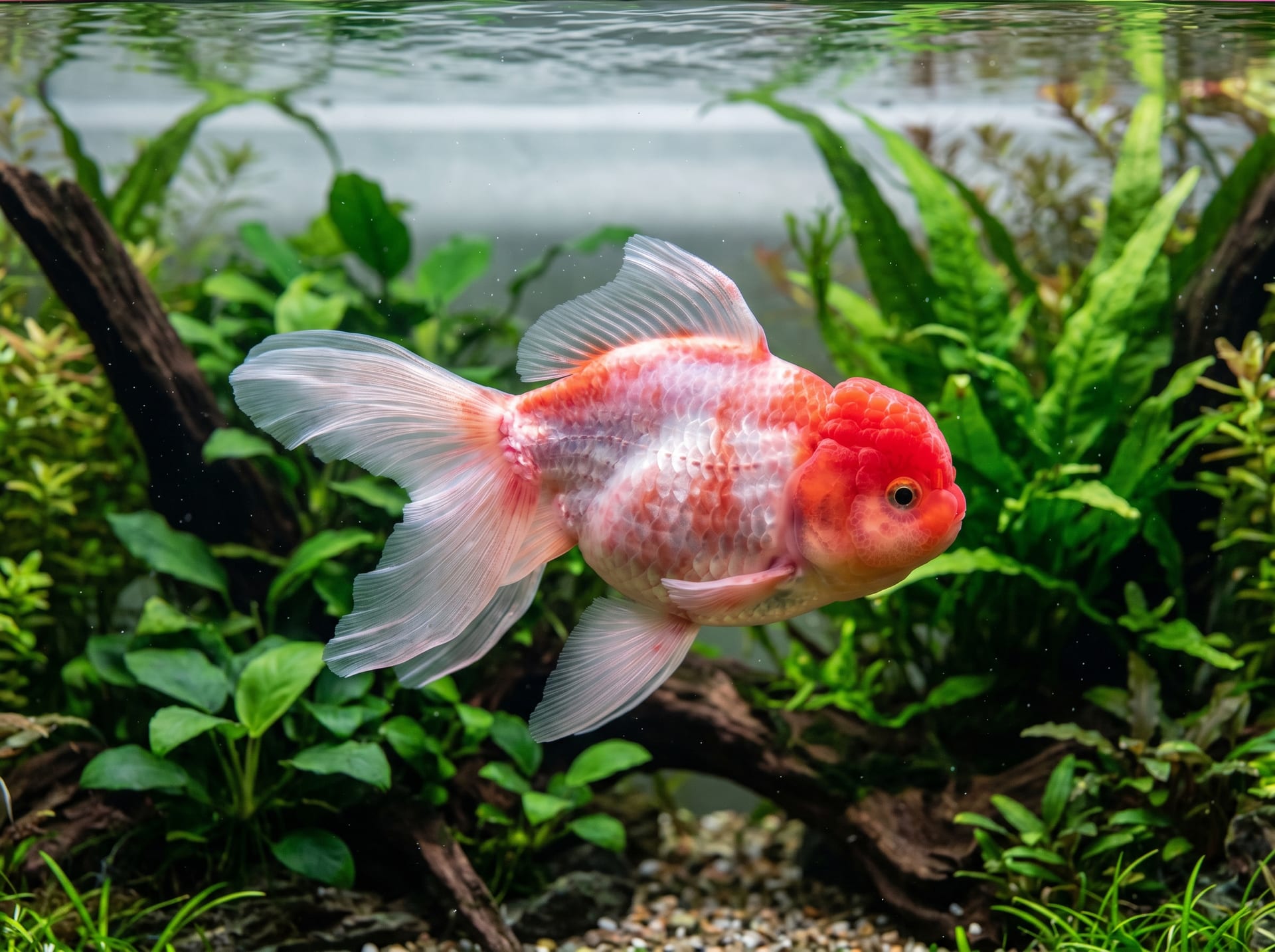
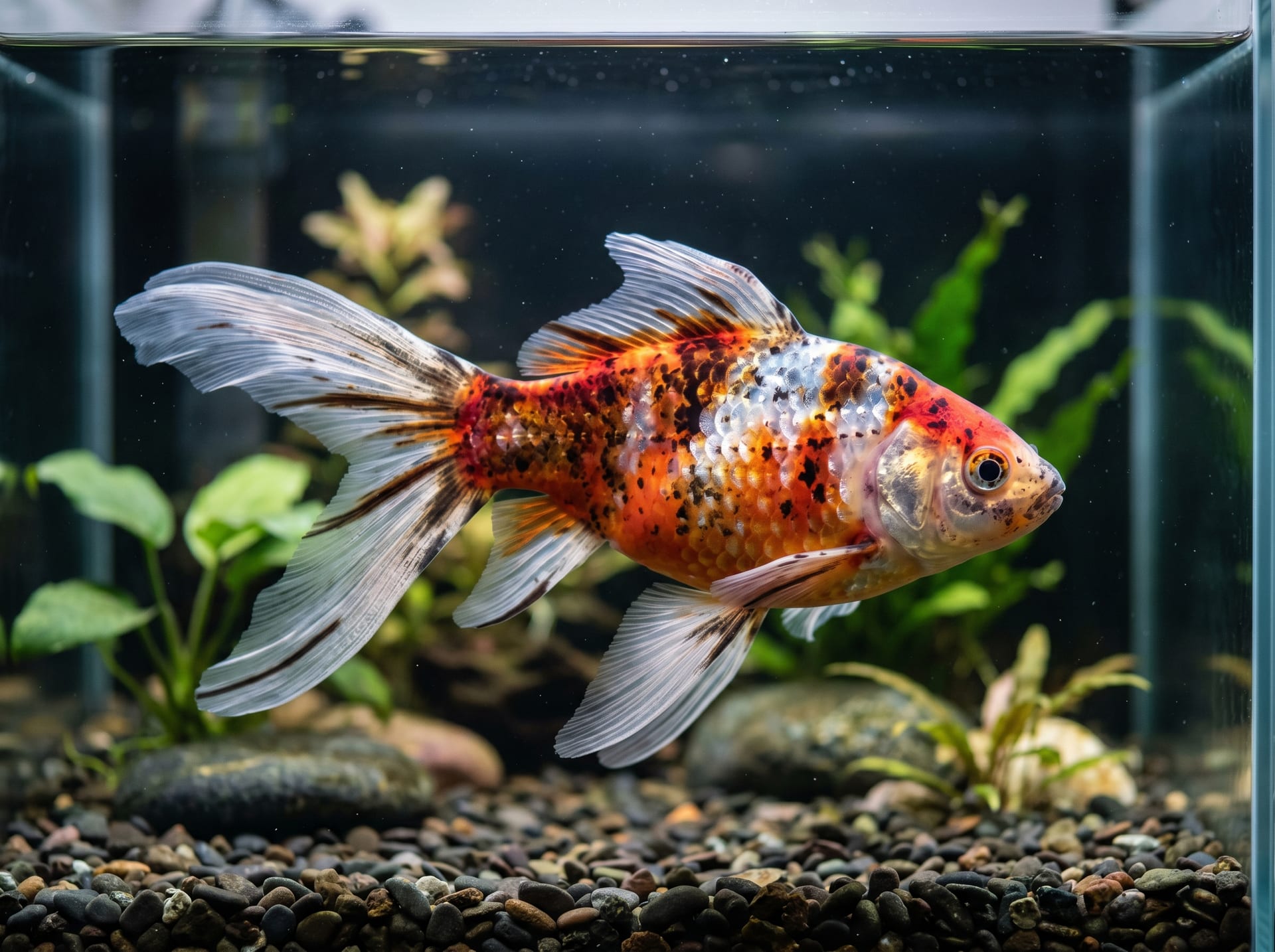

Goldfish Body Color: Genetics and Breeding
The body color of goldfish is one of the most important factors that determines the beauty of a breed. The variety of colors—vivid red, transparent white, deep black, and shimmering gold—are major attractions of goldfish. However, at the fry stage, juveniles do not always display the same color as their parents, and as they grow, a phenomenon called "color change" occurs, where color shifts dramatically. Understanding the mechanisms of goldfish body color genetics is essential knowledge for breeding and selection.
Types of Goldfish Pigment Cells
The body color of goldfish is created by a combination of multiple pigment cells (chromatophores) present in the skin.
Melanophores (Black Pigment Cells): Contain melanin pigment and produce black and brown colors. The body color of crucian carp, the ancestor of goldfish, is primarily produced by these pigment cells.
Xanthophores (Yellow Pigment Cells): Contain pigments such as carotenoids and pteridines, producing yellow and orange colors.
Erythrophores (Red Pigment Cells): Contain substances such as astaxanthin, a type of carotenoid, and produce red color. These pigment cells are the main contributors to the vivid red seen in goldfish.
Iridophores (Iridescent Pigment Cells): Contain guanine crystals and reflect light to produce silver and metallic luster. These pigment cells are involved in the shine of goldfish scales.
These pigment cells are arranged in layers in the epidermis and dermis, and the body color we observe is determined by the amount and distribution pattern of each pigment.
Relationship Between Scale Types and Body Color
Goldfish scales have three basic types, which greatly affect how body color appears.
Normal Scales (Futsuurin): Scales rich in iridophores that shine brightly by reflecting light. Most red goldfish are of this type, and the combination of reflected light on the scale surface and pigments makes them appear in vivid red.
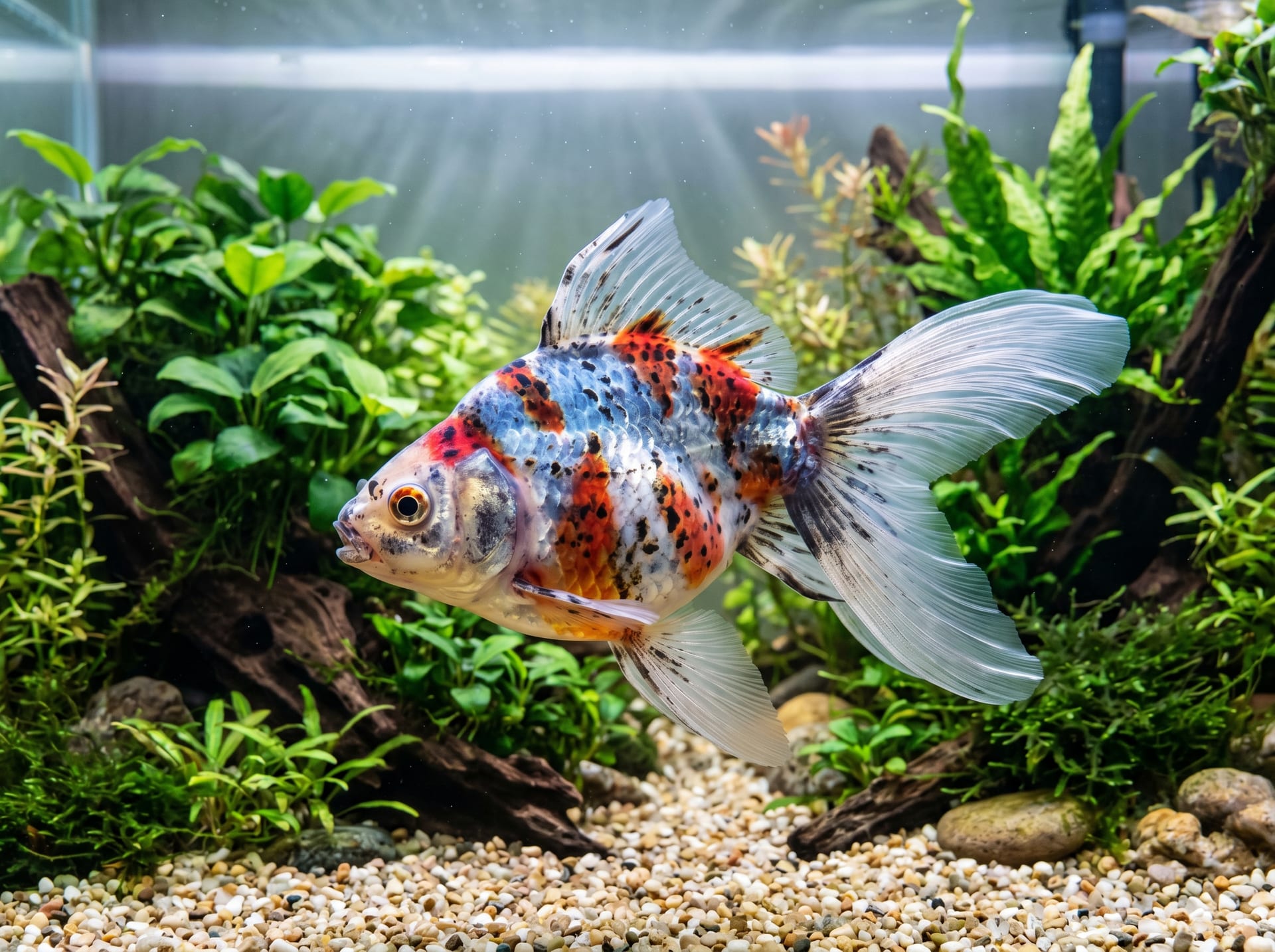
Transparent Scales (Toumeirin): Scales lacking iridophores that do not reflect light. Therefore, the color inside the body is visible as-is, creating a soft and pale color. This type of scale is seen in calico-patterned goldfish (red, black, and blue three-color patterns).
Mesh Transparent Scales (Amitoumeirin): Intermediate between normal and transparent scales, with partial iridophores. The "cherry blossom" pattern seen in Sakura Nishiki and Sakura Higoi is created by this type of scale.
Scale type is genetically determined, with normal scales being dominant over transparent scales. In crosses between normal-scaled fish, if they carry transparent scales as recessive factors, individuals with transparent scales will be born at a certain probability.
Mechanisms of Color Change (Fading)
Immediately after hatching, most goldfish fry are dull crucian carp-colored (brownish). The phenomenon of color change as they grow is called "color change" or "fading."
Color change typically begins around 2-3 months after hatching. First, the melanin pigment that forms the crucian carp color decreases, and the carotenoid pigments (red and orange) hidden beneath become visible. The color change process progresses gradually over weeks to months, and the final body color stabilizes around 6 months to 1 year of age.
Genetics are the largest factor influencing the speed of color change and the final color, though environmental factors also play a role. Fish raised in environments exposed to sunlight tend to change color faster, and the higher the water temperature, the faster the color change occurs. Fish with good nutritional status are also known to change color more quickly.
Genetics of Major Body Color Patterns
Goldfish body color patterns are polygenic traits involving multiple genes, but basic patterns can be classified as follows:
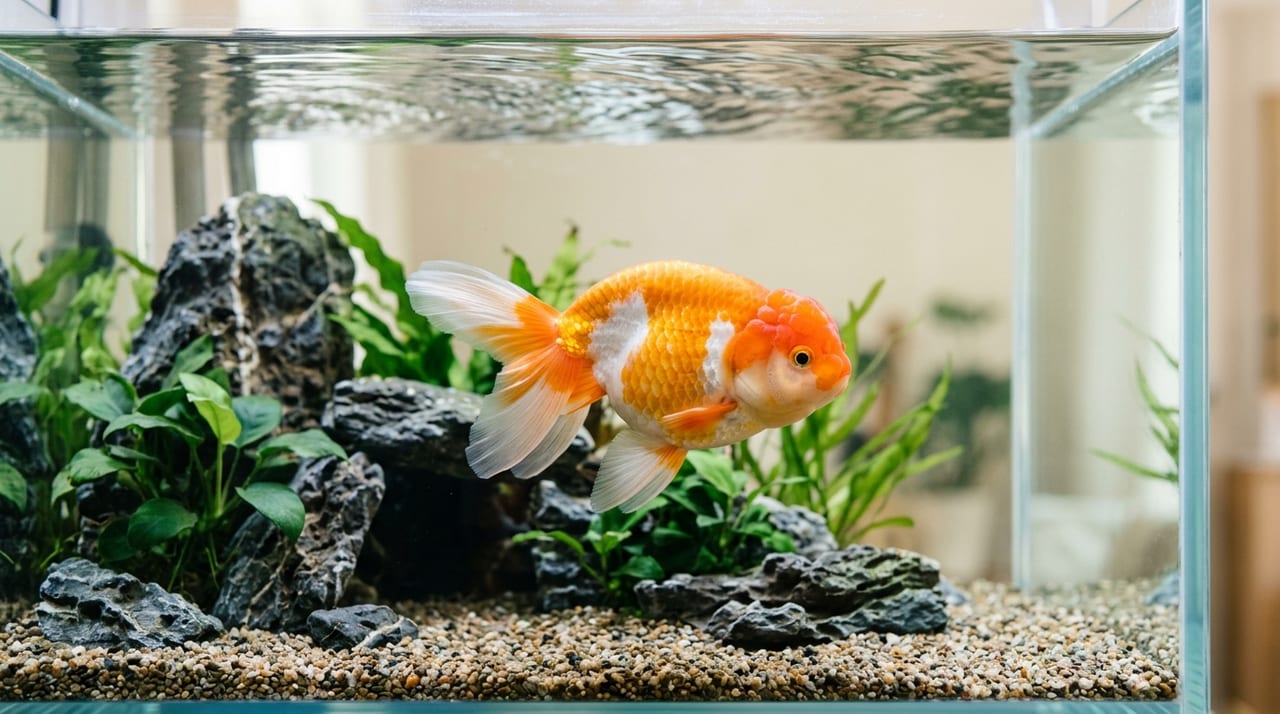
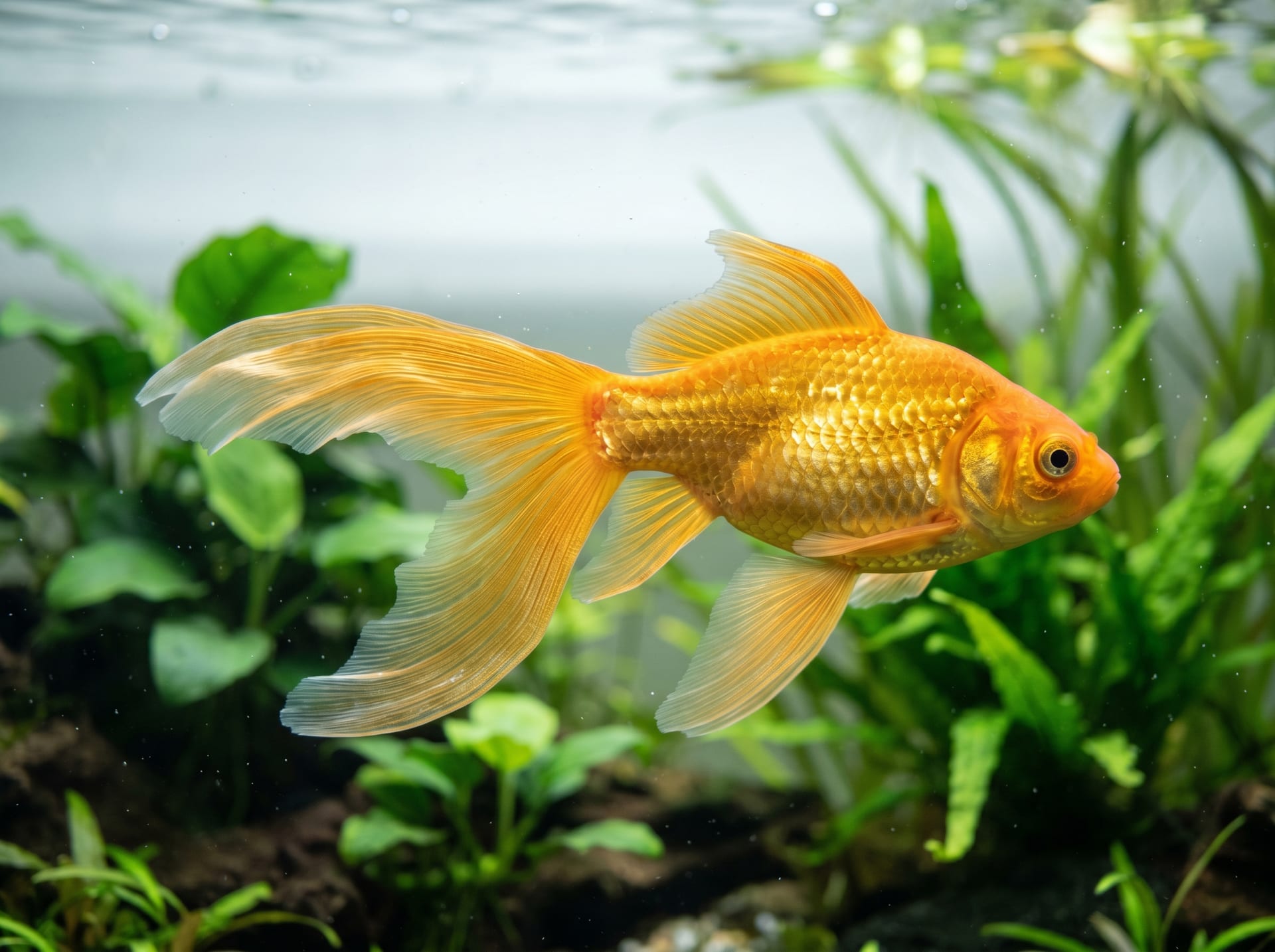
Plain Red (Suaka): The entire body is a single red color. This is the most common pattern and the standard color for Wakin and Comet goldfish. The intensity of red is influenced by genetics and the amount of carotenoids in their food.
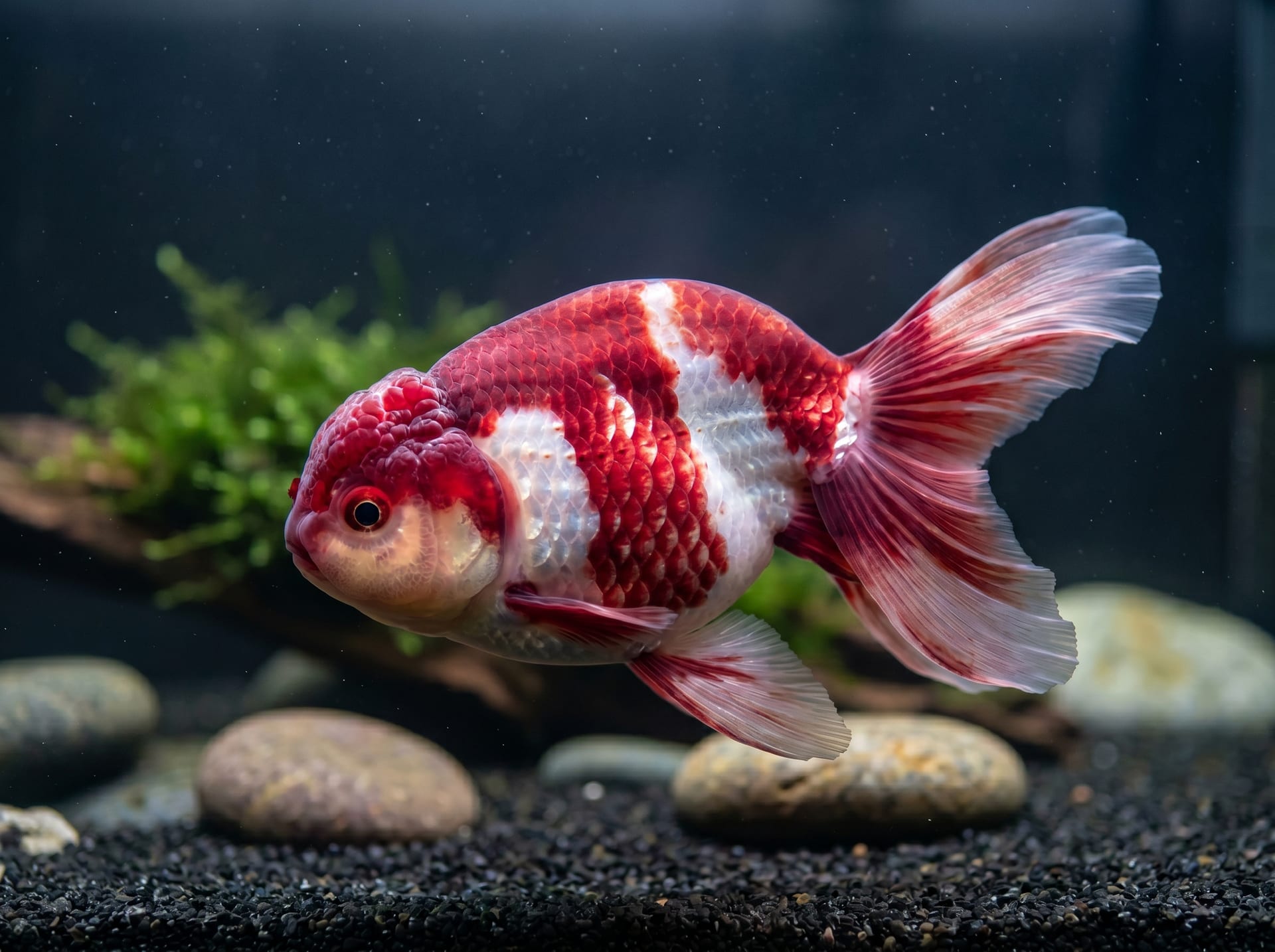
Calico Red and White (Sarasa): Red and white mottled patterns. The appearance of sarasa patterns is genetically unstable, and even siblings from the same parents show significantly different pattern variations. At competitions, sarasa patterns with beautiful, symmetrical balance are highly valued.
Calico (Three-Color): Three-color patterns of red, black, and blue (light indigo). The blue-tinted color appears due to the characteristics of transparent scales. Seen in Higoi, Shuubunkingyo, and Calico Ryukin. Transparent scale factors are involved in calico genetics, and crosses with normal-scaled goldfish often produce mesh transparent-scaled offspring.
Black: Entirely black goldfish are actually rare, with notable examples being black Demekin and black Ranchu. Black color is genetically unstable, and many individuals fade to red or orange as they grow. Strains that maintain stable black color are the result of long-term selection.
Selection Points in Goldfish Breeding
In goldfish breeding, selection at the fry stage determines quality.
First Selection (2-3 weeks after hatching): Remove deformed individuals and those that are extremely small. At this stage, body color is still crucian carp-colored, so selection focuses on body shape.
Second Selection (1-2 months after hatching): A period when body shape quality becomes clear. Keep individuals close to the ideal body shape for the breed, checking dorsal fin posture and tail spread.
Selection After Color Change (3-6 months after hatching): Once color change begins, select individuals with good body color patterns. When targeting sarasa patterns, keep individuals with good balance between red and white. Fish that change color quickly tend to have more intense color, but fish that change color slowly may ultimately develop beautiful patterns, so careful observation without rushing is important.
Color-Enhancing Management: Individuals selected for breeding should be fed color-enhancing feed and feed containing astaxanthin to promote color development. Exposing them to moderate sunlight outdoors also improves red coloration. However, excessive use of color-enhancing feed can cause color to bleed into white areas, so use caution with sarasa individuals.
Color Maintenance and Management
Even after becoming adults, maintaining body color requires ongoing management. Maintaining red color requires regular feeding of food containing carotenoids; if carotenoid intake stops, the fish gradually fade. Poor water quality also leads to dull coloration, so maintaining a clean breeding environment is fundamental.
Color maintenance is particularly difficult for black goldfish, as higher water temperatures cause faster fading. Black-variety breeds such as black Ranchu are said to maintain color more easily when kept at slightly lower water temperatures (22-24°C).
Finding Ideal Goldfish Body Colors at BreederDirect
Since goldfish body color is largely influenced by genetics, the most reliable way to obtain goldfish with ideal body color is to purchase directly from a breeder with bloodlines that consistently produce that color. At BreederDirect, breeders focused on body color selection offer fish, and you can learn detailed information about the parent fish's color and past breeding records.